As an Amazon Associate I earn from qualifying purchases. This page contains affiliate links, and I may earn a commission at no extra cost to you.
Smartwatch Showdown: Is the Apple Watch SE (2nd Gen) Still the Best Value in August 2026?
Smartwatches are no longer just a novelty; they’ve become indispensable for managing notifications, tracking fitness, and staying connected without constantly reaching for your phone. But with so many options, finding the right balance of features and price can be tricky. Even in August 2026, the Apple Watch SE (2nd Gen) stands out as a strong contender, particularly for iPhone users. It’s been on the market for a couple of years now, but its core strengths—seamless integration, reliable performance, and an attractive price point—mean it’s far from obsolete.
For anyone dipping their toes into the Apple Watch ecosystem or looking for a solid upgrade from an older model without breaking the bank, the SE 2nd Gen warrants serious consideration. It might not pack every single cutting-edge sensor found in its more premium siblings, but it delivers on the essential smartwatch experience beautifully.
Apple Watch SE (2nd Gen) Overview
Launched in late 2024 (as per its designation, though it often hits shelves slightly earlier), the Apple Watch SE (2nd Gen) was positioned as the value-oriented entry point into Apple's smartwatch lineup. It succeeded the original SE and brought with it some welcome upgrades, most notably the S8 SiP (System in Package), the same powerful chip found in the Apple Watch Series 8 and even the original Ultra. This wasn't just a minor bump; it meant significantly faster performance and improved efficiency, directly impacting everything from app loading times to battery longevity.
Despite being a couple of years old now, this processor still holds its own against many newer mid-range smartwatches, making the SE 2nd Gen feel snappy and responsive. Apple's commitment to long-term software support means it continues to receive the latest watchOS updates, ensuring its feature set remains current and secure.
Design and Build Quality
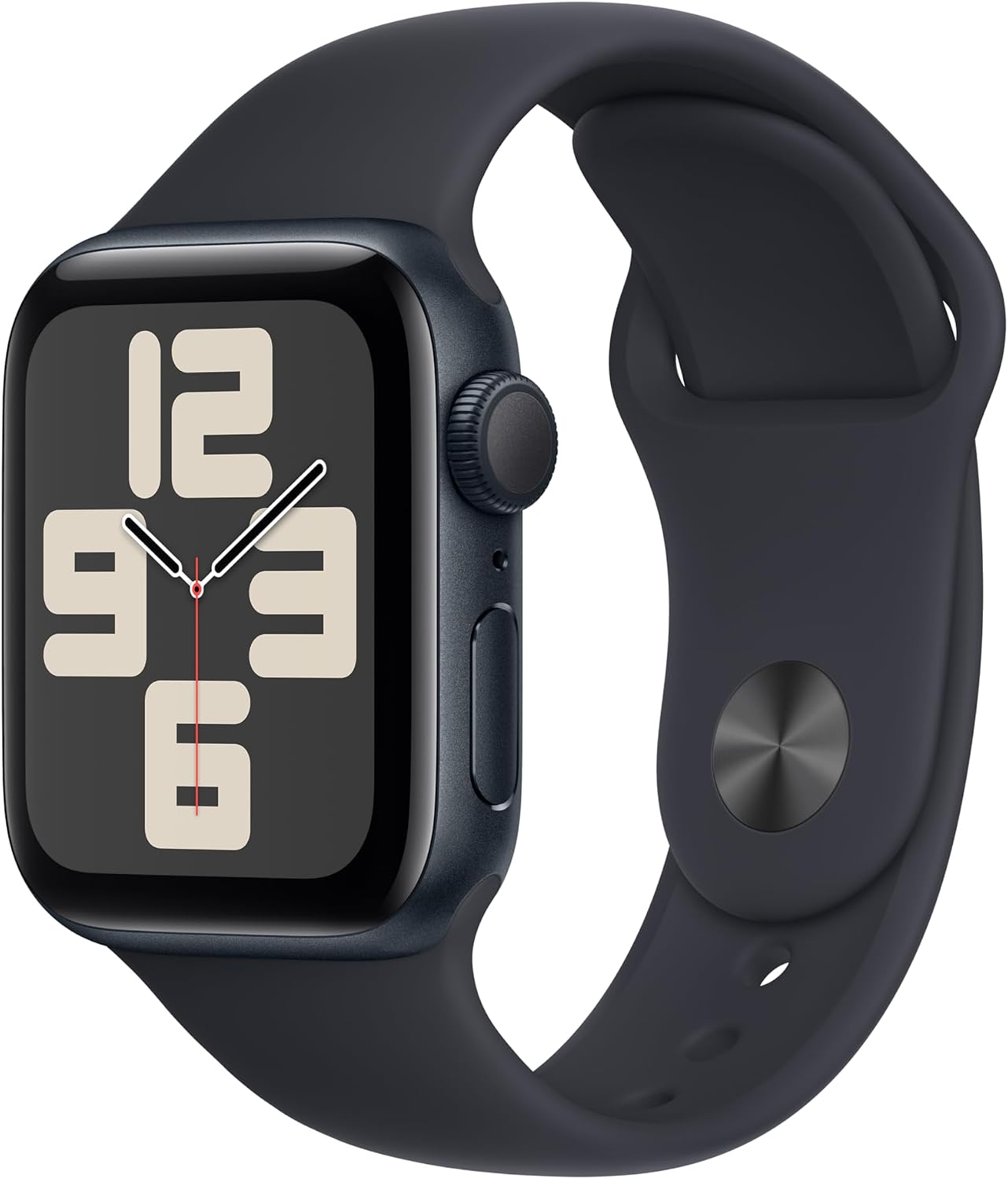
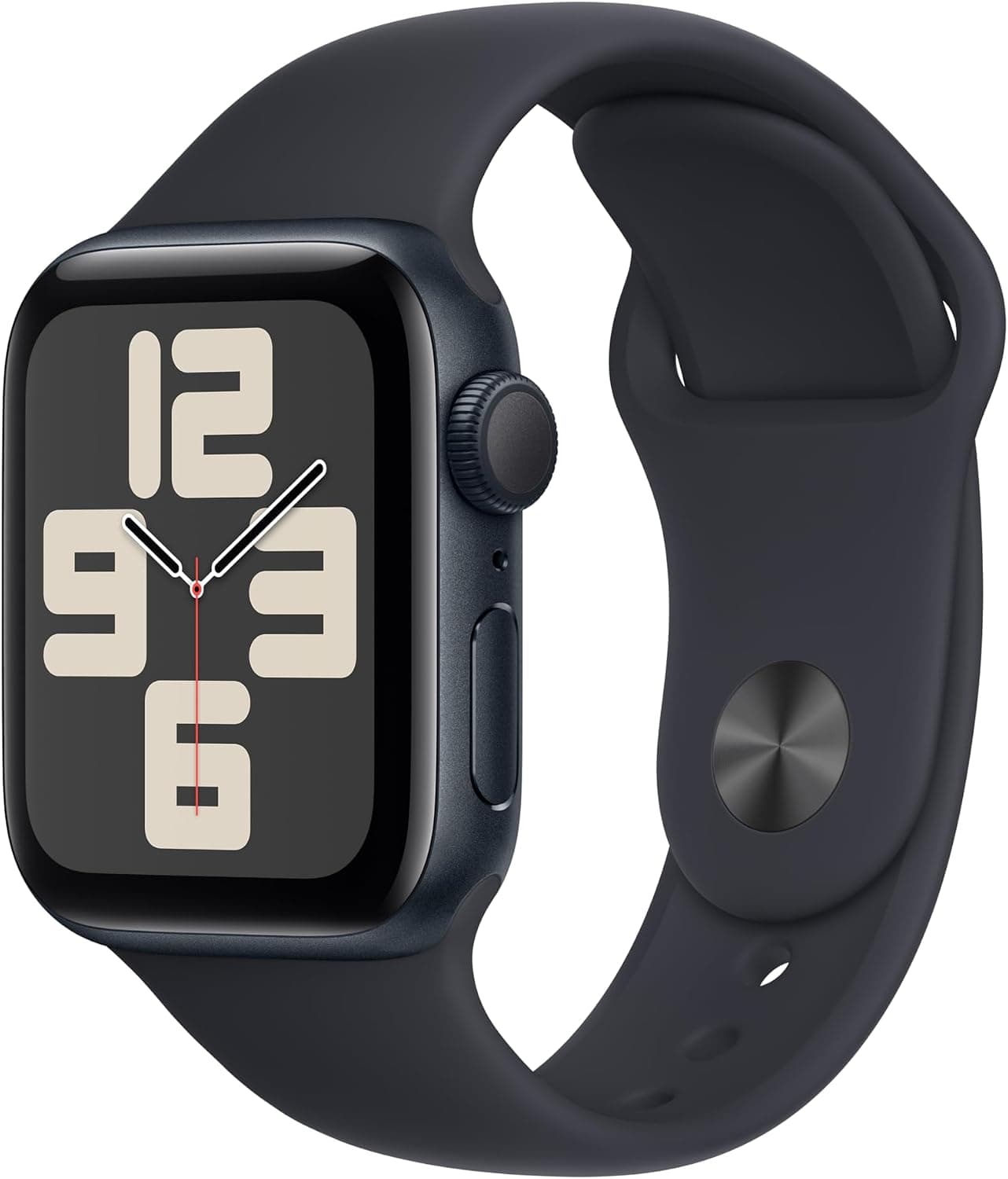
Apple hasn't reinvented the wheel with the SE's design, and that's generally a good thing. It carries the familiar, comfortable, and instantly recognizable rectangular shape that has defined the Apple Watch for years. You get two case sizes: 40mm and 44mm, catering to different wrist sizes and preferences. The casing itself is made from 100% recycled aluminum, which feels premium and durable enough for everyday knocks and bumps without being excessively heavy. While it lacks the always-on display found on the Series and Ultra models, the bright Retina display is perfectly legible indoors and out, waking instantly with a wrist raise or tap.
The Ion-X front glass is robust, offering decent scratch resistance for daily wear. While it’s not as tough as the sapphire crystal on the more expensive models, it's certainly adequate unless you’re consistently rough with your gear. Water resistance is rated at 50 meters, meaning you can take it swimming, shower with it, and not worry about rain. This level of durability is pretty much standard for modern smartwatches but still appreciated on a more budget-friendly model. The wide array of interchangeable bands also means you can easily customize its look, making it suitable for both workouts and more formal settings.
Key Features and Software Experience
The heart of any Apple Watch experience is watchOS, and the SE (2nd Gen) runs the latest version just like its pricier siblings. This means you get access to a massive app ecosystem, robust notification management, and deep integration with your iPhone. Calls, texts, and app alerts land seamlessly on your wrist, allowing you to triage information without pulling out your phone.
For health and fitness tracking, the SE 2nd Gen offers a comprehensive suite of features. It includes accurate heart rate monitoring, activity tracking (Move, Exercise, Stand rings), automatic workout detection, and sleep tracking. You can track a wide variety of workouts, from running and cycling to swimming and yoga, with detailed metrics available in the Fitness app on your iPhone. It also includes fall detection and Emergency SOS, which are potentially life-saving features. Car Crash Detection, a significant safety upgrade, was also introduced with the S8 chip, providing an extra layer of security. While it misses out on advanced health sensors like ECG for atrial fibrillation detection or blood oxygen monitoring, these are often niche features for many users. For most people, the health insights provided by the SE are more than sufficient to encourage a healthier lifestyle.
Family Setup is another excellent feature, allowing you to set up and manage an Apple Watch for a child or older family member who doesn't have an iPhone. This adds cellular capabilities (if you opt for the cellular model) for communication, location tracking, and emergency services, all managed from your own iPhone. It's a thoughtful inclusion that extends the utility of the device beyond individual use.
Performance and Battery Life
Thanks to that S8 SiP, the Apple Watch SE (2nd Gen) is surprisingly zippy. Apps launch quickly, scrolling through lists is fluid, and Siri responds promptly. There's no noticeable lag in everyday use, which is a testament to both the chip and Apple's software optimization. Compared to some Android smartwatches in a similar price bracket, the SE often feels more refined and responsive.
Battery life is generally about what you'd expect from an Apple Watch: a full day of typical use. With standard fitness tracking, notifications, and occasional app interaction, you can comfortably get through 18 hours. If you push it hard with GPS-intensive workouts or heavy cellular use, you'll likely need to top it up before bedtime. The Low Power Mode, introduced with watchOS, can extend this significantly if you need to squeeze more time out of it by disabling features like automatic workout detection and the always-on display (though the SE doesn't have that anyway). While it's not a multi-day battery champ like some dedicated fitness trackers, its daily charging routine is well-established for most users and integrates easily into an evening habit.
Value Proposition
This is where the Apple Watch SE (2nd Gen) truly shines. Roughly two years after its debut, its pricing has stabilized, often found for around $250-300 depending on sales, configuration (GPS vs. Cellular), and retailer. For that money, you're getting a powerful, reliable, and deeply integrated smartwatch experience. You benefit from Apple's robust ecosystem, consistent software updates, and wide accessory compatibility.
Considering the S8 chip inside, its comprehensive fitness tracking, crucial safety features like fall detection and crash detection, and its seamless interaction with your iPhone, it represents excellent value. It offers 80-90% of the core Apple Watch experience at a significantly lower cost than the flagship models. The omissions—always-on display, ECG, blood oxygen, temperature sensing—are features many users can happily live without, making the SE a smart purchase for the majority.
Who Should Buy the Apple Watch SE (2nd Gen)?
The Apple Watch SE (2nd Gen) is an ideal choice for a few key groups:
- First-time Apple Watch owners: It offers an accessible entry point to the ecosystem without overwhelming features or price.
- Budget-conscious iPhone users: If you want the core Apple Watch experience and don't need the most advanced health sensors or an always-on display, the SE saves you a good chunk of cash.
- Anyone upgrading from a very old Apple Watch: If you're coming from a Series 3 or older, the performance boost and updated feature set will feel like a massive improvement.
- Users looking for a secondary or family watch: Its affordability and Family Setup capabilities make it perfect for kids or elderly relatives who need connectivity and safety features.
Smartwatch Comparison
| Product | Operating System | Key Health Features | Display Type | Price Band | Verdict | Buy |
|---|---|---|---|---|---|---|
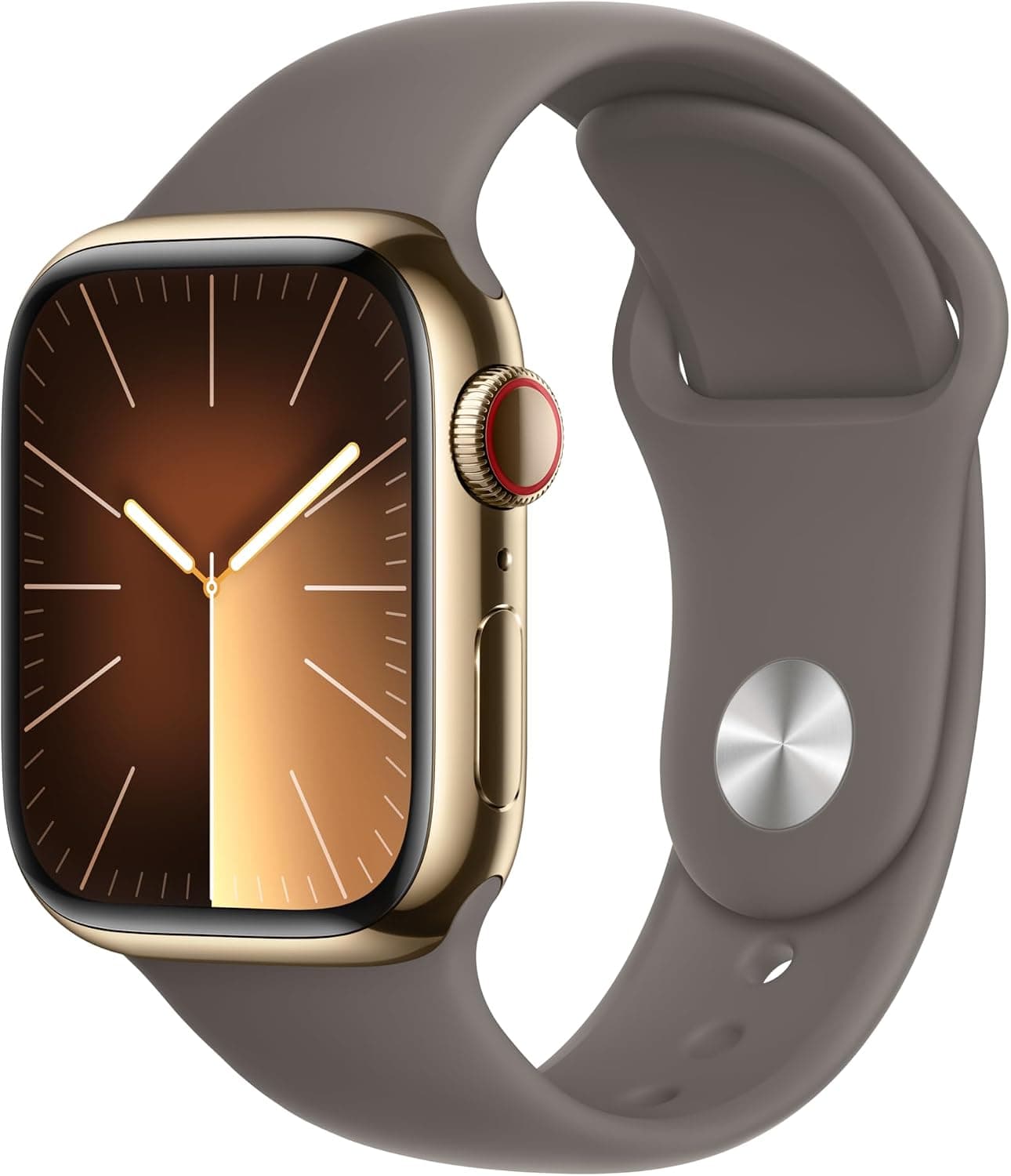
| Apple Watch SE (2nd Gen) | watchOS | Heart Rate, Activity, Sleep, Fall & Crash Detection | Retina (No Always-On) | Mid-range (approx. $250-300) | Excellent value for iPhone users | Check on Amazon |
| Apple Watch Series 9 | watchOS | ECG, Blood Oxygen, Temperature Sensing, Heart Rate, Activity, Sleep, Fall & Crash Detection | Always-On Retina | Premium (approx. $400-500) | Best for advanced health features | Check on Amazon |
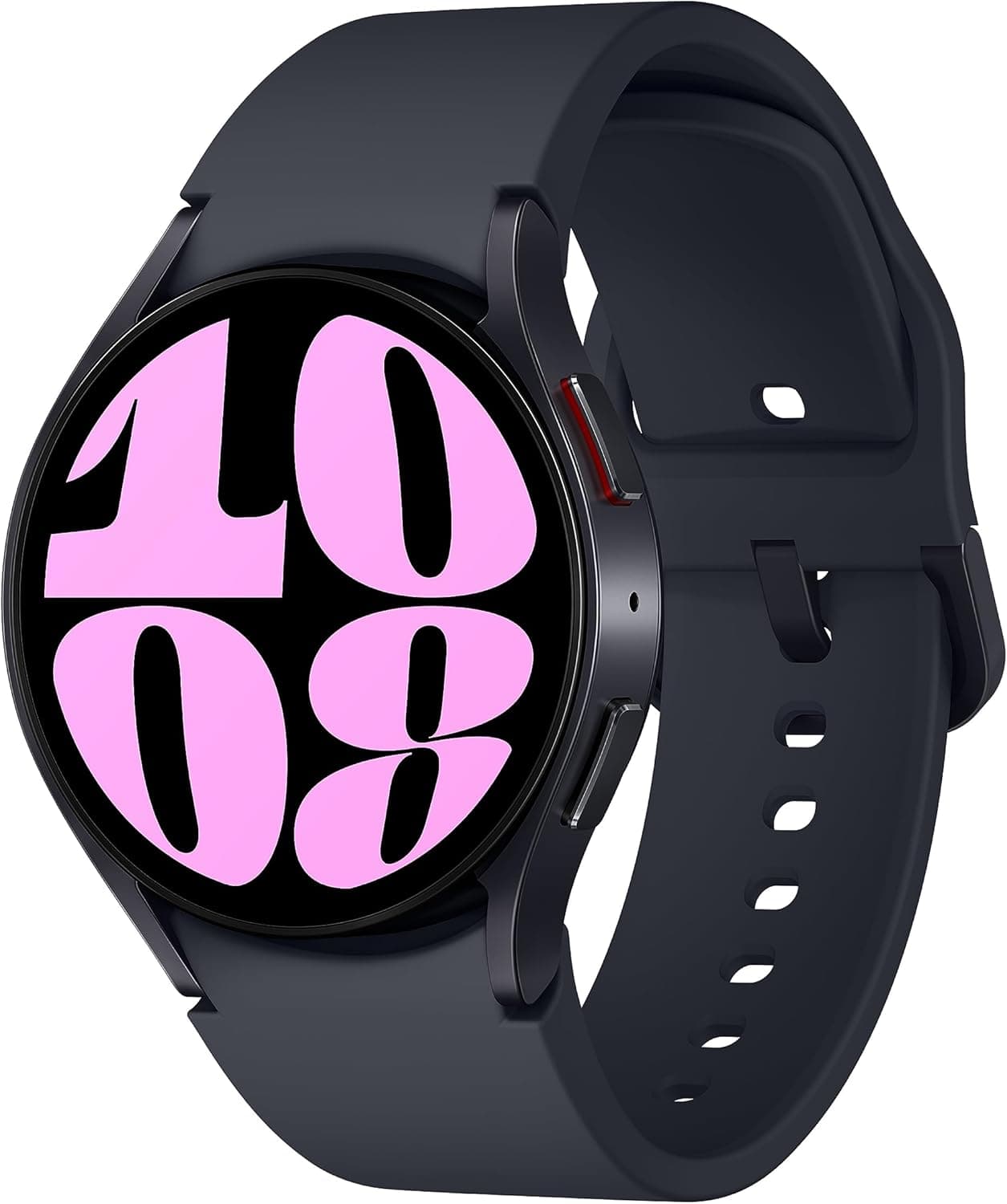
| Samsung Galaxy Watch 6 | Wear OS Powered by Samsung | ECG, BIA (Body Composition), Heart Rate, Activity, Sleep, Fall Detection | Always-On AMOLED | Mid-range (approx. $250-350) | Top pick for Android users | Check on Amazon |
Alternatives to Consider
While the Apple Watch SE (2nd Gen) hits a sweet spot for many, it's not the only game in town. Depending on your budget, ecosystem, and feature priorities, other smartwatches might be a better fit.
For the iPhone user who wants more: Apple Watch Series 9
If you're an iPhone user who absolutely craves the most comprehensive health tracking or simply can't live without an always-on display, the Apple Watch Series 9 is the logical step up. Even in August 2026, it remains a powerhouse. It shares the same S9 SiP as the Ultra 2, which offers incremental improvements over the S8 in the SE 2nd Gen, mainly in efficiency and brighter display. More significantly, it includes the electrical heart sensor for ECG readings, blood oxygen saturation monitoring, and temperature sensing for deeper health insights, particularly useful for cycle tracking. The always-on Retina display is genuinely convenient, allowing you to glance at the time or notifications without explicitly raising your wrist. You also get brighter display options and the Double Tap gesture, which can be surprisingly useful for one-handed interactions. The premium comes at a cost, typically running around $400-500, but for those who value these advanced features, it’s a worthwhile investment.
For Android users: Samsung Galaxy Watch 6
Let's be clear: the Apple Watch SE (2nd Gen) is only for iPhone users. If you're firmly in the Android camp, the Samsung Galaxy Watch 6 is one of the strongest alternatives available. Running on Wear OS Powered by Samsung, it offers excellent integration with Android phones, particularly Samsung's own. It features a stunning, vibrant always-on AMOLED display and a sleek, circular design that some prefer over Apple's rectangular aesthetic. Health features are robust, including ECG, blood pressure monitoring (with a calibrated Samsung phone), and even Bioelectrical Impedance Analysis (BIA) for body composition readings. Its performance is smooth thanks to its own powerful processor, and it provides a rich app ecosystem via the Google Play Store. Battery life is comparable to the Apple Watch, typically lasting a day. Priced similarly to the Apple Watch SE (2nd Gen), often in the $250-350 range, it offers a premium Android smartwatch experience with a focus on advanced health metrics that even the SE lacks. The Classic model even brings back the beloved physical rotating bezel for navigation, which is a fantastic tactile touch.
Final Verdict
In August 2026, the Apple Watch SE (2nd Gen) continues to be an exceptionally smart purchase for iPhone users. It delivers a fast, fluid, and comprehensive smartwatch experience with crucial health and safety features, all without the premium price tag of its more advanced siblings. If you're seeking outstanding value and rock-solid performance in the Apple ecosystem, this is still your go-to. Don't overthink it if you're an iPhone user looking for a dependable wrist companion; the SE has everything most people genuinely need and then some.