Active Play That Builds Real Physical Literacy
Pedal-less bikes, three-wheel lean-to-steer scooters, and rockable balance boards look like simple toys on the surface. In reality, they are fundamental motor-skill training tools. Watching a toddler struggle with pedal timing on a heavy steel tricycle usually ends in frustration. Swap that trike for a low-slung balance bike or a lean-to-steer scooter, and the learning curve flattens instantly. Instead of fighting gears and pedals, kids focus entirely on posture, weight transfer, and spatial awareness.
Core strength and balance development do not stop in early childhood either. Older kids, teens, and adults looking to improve board sports performance, posture, or physical rehabilitation benefit tremendously from destabilization training tools like roller balance boards and curved rocker boards. The challenge when buying active gear is navigating a sea of flimsy plastic toys, poorly sealed wheel bearings, and awkward ergonomics that end up collecting dust in the garage.
To help you select equipment that delivers long-term durability and genuine physical benefits, this guide compares four standout products across different age groups and skill levels. Grounded in verified manufacturer specifications and long-term owner feedback, here is what you need to know before investing in balance development gear.
As an Amazon Associate I earn from qualifying purchases. This page contains affiliate links, and I may earn a commission at no extra cost to you.
Active Play & Balance Gear Comparison
| Product | Target Age / User | Key Spec | Price Band | Verdict | Buy |
|---|---|---|---|---|---|
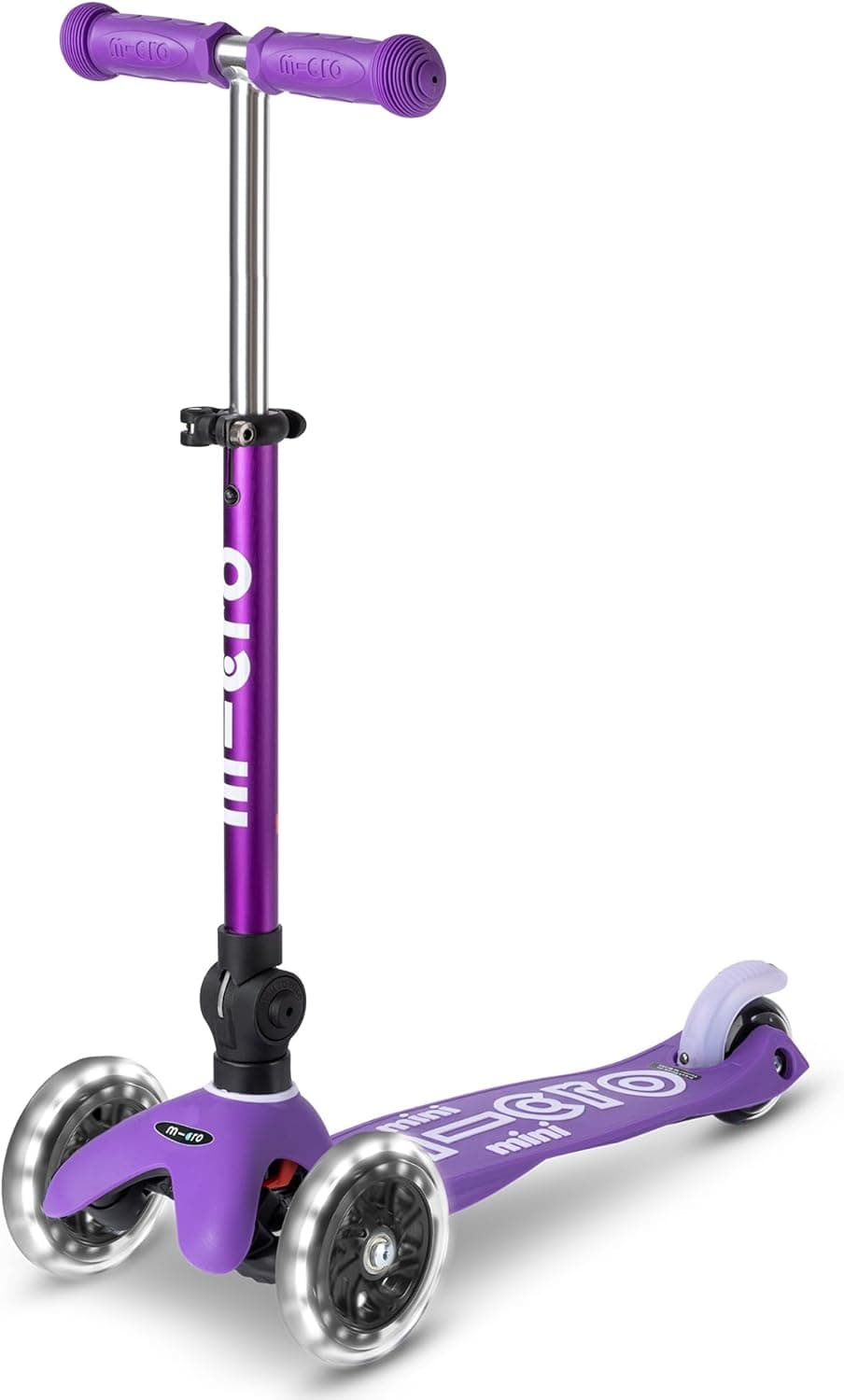
| Micro Kickboard Mini Deluxe Scooter | Ages 2–5 | 110 lb capacity, lean-to-steer, LED wheels | Mid-Range | The gold standard starter scooter for early coordination. | View on Amazon |
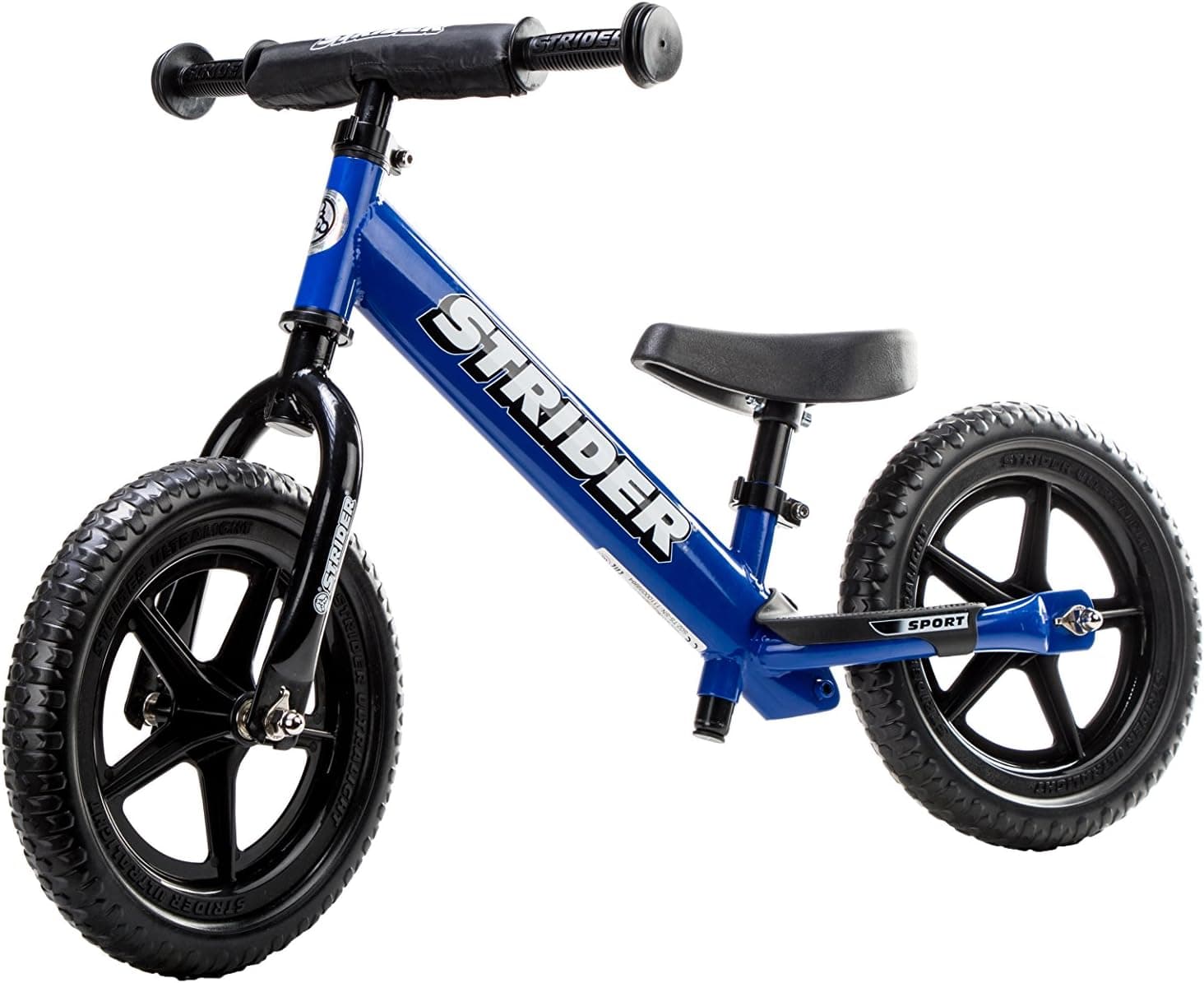
| Strider 12 Sport Balance Bike | Ages 1–4 | 6.7 lbs, puncture-proof foam tires | Mid-Range | Essential first step toward riding a pedal bike without training wheels. | View on Amazon |
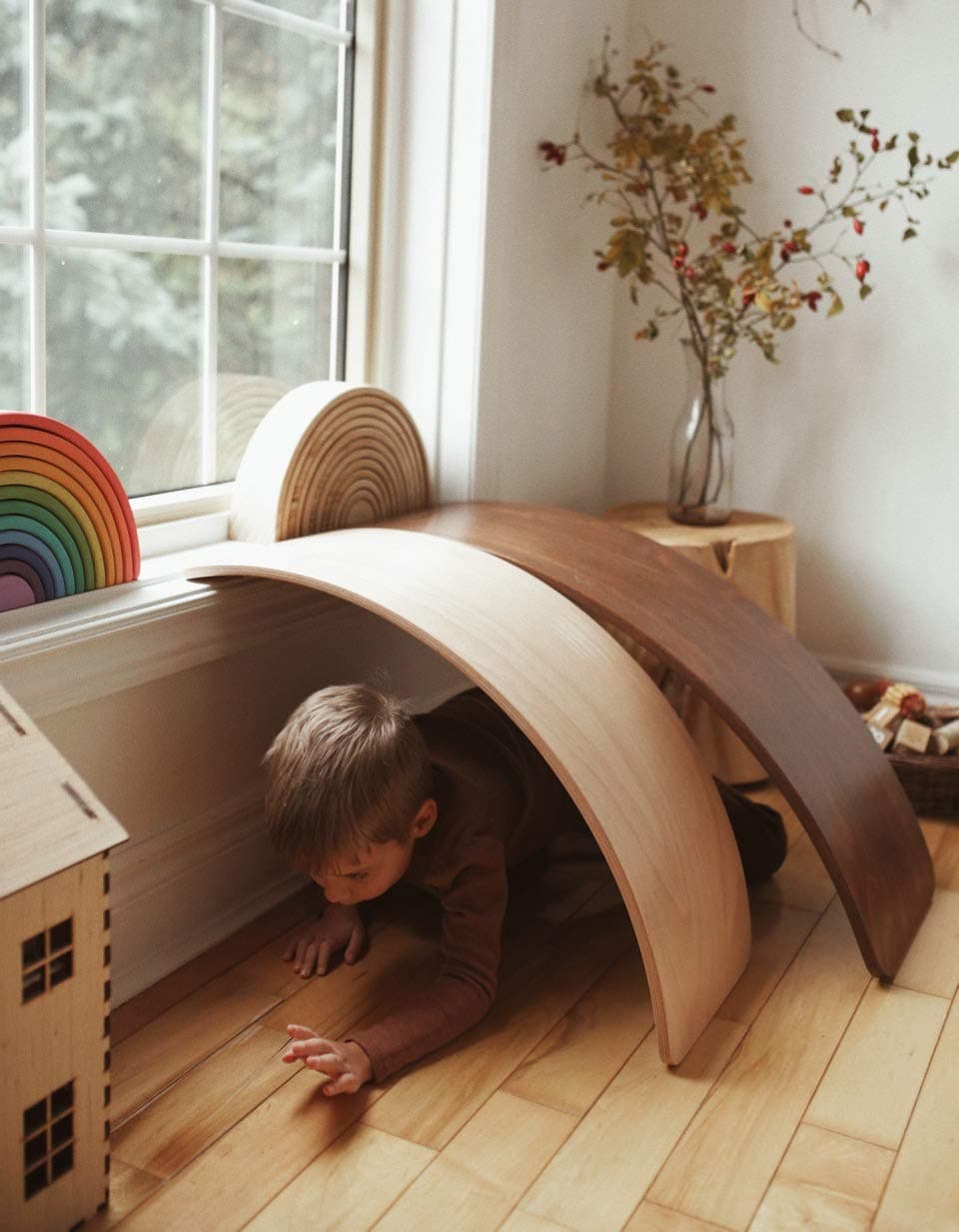
| Kinderfeets Wooden Balance Board | Toddlers to Adults | 485 lb capacity, German beechwood | Mid-Range to Premium | Incredibly versatile open-ended rocker board for all ages. | View on Amazon |
| URBNFit Balance Board Trainer | Teens & Adults | Roller-style destabilization trainer | Budget to Mid-Range | Challenging core and balance conditioning for board sports. | View on Amazon |
Top Pick for Early Mobility: Micro Kickboard Mini Deluxe Scooter
If you want a toy that immediately builds confidence in a toddler while lasting through years of hard sidewalk abuse, the Micro Kickboard Mini Deluxe Scooter remains the benchmark against which all early-childhood scooters are judged. Rather than utilizing a traditional turning handlebar that can snap around and cause abrupt tip-overs, Micro Kickboard uses an intuitive lean-to-steer mechanism. Kids tilt their body weight in the direction they want to go, naturally engaging their core and teaching them how subtle weight distribution changes direction.
Build Quality and Daily Engineering
The construction of the Mini Deluxe strikes an impressive balance between lightweight agility and rugged durability. The entire scooter weighs under 5 pounds, yet the fiberglass-reinforced flexible polyurethane deck handles impacts effortlessly while supporting riders up to 110 lbs. Up front, the anodized aluminum T-bar feels sturdy without slop in the latching mechanism, and the height adjusts smoothly to accommodate growth spurts between ages 2 and 5.
One of the quiet upgrades on this model is the set of motion-activated LED front wheels. Because they operate via induction generator, there are no batteries to replace or corroded battery compartments to clean out after rainy sidewalk sessions. The polyurethane wheels and high-precision bearings deliver a exceptionally smooth roll over rough pavement, brick paths, and driveway cracks, preventing the chatter and resistance common with cheap hard-plastic wheels.
On-the-Pavement Performance and Practicality
Parent and owner feedback frequently highlights how quickly toddlers master the lean-to-steer action. Because the three-wheel layout (two front wheels, one rear wheel equipped with a sensitive heel brake) stands upright on its own, young riders do not fight to keep the scooter balanced while standing still. They can concentrate entirely on pushing off and steering. The slip-resistant grip texturing molded directly into the footplate prevents wet sneakers from sliding off during energetic rides.
For travel or storage in cramped trunks, the Mini Deluxe features a quick-release folding mechanism. Pulling the collar allows the T-bar to fold flat against the deck, making it easy to carry one-handed when your toddler decides they are done scooting for the day.
Drawbacks to Consider
Quality components carry a mid-range price tag that sits higher than supermarket budget scooters. Furthermore, while the lean-to-steer design is fantastic for developmental balance, it does not translate directly to standard bicycle steering geometry. Kids will eventually need to learn handle-rotation steering when transitioning to a two-wheel bike or traditional kick scooter, though the core stability gained here makes that future transition much easier.
Who it is best for: Toddlers aged 2 to 5 who need a stable, low-friction entry point into active outdoor play that actively builds motor coordination.
Best for Bicycle Prep: Strider 12 Sport Balance Bike
Training wheels teach children how to pedal, but they completely bypass the most crucial skill required to ride a bicycle: dynamic balancing. The Strider 12 Sport Balance Bike flips traditional learning on its head by removing pedals, chains, and training wheels altogether. By straddling the frame with both feet touching the ground, toddlers run, stride, and eventually glide—discovering naturally how steering input and counter-balancing keep two wheels upright.
Frame Ergonomics and Weight Advantages
At just 6.7 lbs (3.0 kg), the lightweight steel frame of the Strider 12 Sport is its greatest asset. When a 30-pound child drops a 15-pound steel bicycle, picking it back up is an exhausting chore. The Strider is light enough for a 2-year-old to lift, maneuver, and right after a gentle spill without adult intervention. This low mass gives toddlers complete control over the bike, boosting confidence rapidly.
The geometry is explicitly engineered for young bodies. With an ultra-low step-through frame and a seat height adjustment range spanning 11 to 17 inches (28 to 43 cm), the Strider fits children with inseams from 12 to 18 inches. This allows kids as young as 18 months to sit comfortably with planted feet. Both the handlebar height and seat position feature tool-free quick-release clamps, making adjustments on the fly effortless as your child grows.
Tire Maintenance and Real-World Usability
Strider equips the 12 Sport with 12-inch EVA foam rubber tires mounted on heavy-duty plastic mag wheels. The major advantage here is zero maintenance: these tires never go flat, never require air pumps, and cannot be punctured by goat-head thorns, glass, or nails. They provide plenty of traction on pavement, packed dirt paths, and short grass.
The bike also includes integrated mini footrests directly below the seat. As toddlers gain momentum and start gliding for several yards at a time, they naturally rest their feet on these pads, mimicking the exact body posture required on a pedal bike.
Trade-Offs to Keep in Mind
While foam tires eliminate flat tire headaches, they offer less cushioning and slightly less high-speed grip on slick concrete compared to pneumatic (air-filled) rubber tires. Additionally, the Strider 12 Sport relies on foot-stopping power; it does not come standard with a hand brake or rear drag brake, though an optional foot-operated rear brake kit can be added later once the child develops advanced riding speeds.
Who it is best for: Kids aged 1 to 4 preparing to transition directly to a real pedal bike without ever using crutch-like training wheels.
Best for Open-Ended Indoor & Outdoor Play: Kinderfeets Wooden Balance Board
Not every active play tool needs wheels. The Kinderfeets Wooden Balance Board takes inspiration from Waldorf early-childhood pedagogy, presenting a deceptively simple, beautifully curved wooden arch that serves as an exercise platform, balance trainer, and imagination spark plug all at once.
Craftsmanship and Structural Integrity
Hand-crafted from heavy-duty German beechwood with a Dutch-inspired design, the Kinderfeets board is built like a tank. Despite its minimalist, organic appearance, the engineered ply structure supports an astonishing maximum weight of up to 485 pounds (220 kg). This means it is not merely a toddler toy—it is a legitimate physical therapy tool, core stability trainer, and balance board for teens and adults.
The surface is treated with a durable, water-based lacquer that protects the natural wood grain while rendering it suitable for both indoor playroom use and outdoor backyard sessions. It meets stringent Australian, EU, and US safety standards, ensuring no toxic off-gassing or harsh chemical finishes near small children.
Functional Versatility and Developmental Impact
From a physical development perspective, standing or sitting on the curved side of the board forces continuous micro-adjustments in the ankles, calves, knees, and deep core muscles. It actively stimulates the vestibular system, which governs balance and spatial orientation. For toddlers, rock-stepping back and forth builds essential body awareness and leg strength.
Beyond physical fitness, the open-ended design is brilliant. Turn it upside down, and it becomes a bridge for toy cars, a step stool to reach the sink, a slide off the couch, or a cozy reading rocker. Because it lacks electronic gadgets, lights, or rigid rules, children interact with it continuously for years rather than losing interest after a week.
Minor Considerations
On smooth hardwood or tile floors, a bare wooden balance board can slip during vigorous rocking or leave scuffs if pushed hard. Using it over a play mat, rug, or grass is recommended unless you opt for a felt-backed version. It also occupies a fair amount of floor real estate, though its aesthetic wood finish looks far nicer living in a living room than bright plastic gear.
Who it is best for: Families seeking an eco-friendly, multi-generational balance tool that seamlessly combines physical core conditioning with creative, screen-free play.
Best for Teens, Athletes & Board Sport Conditioning: URBNFit Balance Board Trainer
When you need to step up balance training from passive rocking to intense destabilization conditioning, roller-style balance boards are the gold standard. The URBNFit Balance Board Trainer features a flat deck resting atop an unattached cylindrical roller, forcing the user to constantly shift their center of gravity to keep the board edges from touching the ground.
Build, Deck Control, and Grip
The URBNFit trainer utilizes a thick, heavy-duty wooden deck coated with an aggressive anti-slip grip tape top layer. This texture provides secure footing whether you are training in sneakers, barefoot, or grip socks. On the underside, clear plastic end-stops prevent the board from rolling entirely off the cylinder during extreme shifts, offering a crucial safety barrier for beginners learning the ropes.
The included roller is constructed from solid, high-density composite material designed to withstand heavy compression without flexing or warping over time. The roller’s textured surface grips both the wooden board above and the floor below, delivering predictable, linear motion back and forth.
Performance and Athletic Conditioning
Using a roller board engages the entire posterior chain, abdominal wall, obliques, and stabilizer muscles around the ankles and knees. Skateboarders, snowboarders, surfers, and paddleboarders rely heavily on this exact type of training during off-season months to maintain muscle memory and reactive response times.
Beyond board sports, it serves as a challenging surface for weighted squats, push-ups, and core planks. Spending just 10 to 15 minutes a day on the URBNFit board noticeably improves spatial agility and joint stabilization, making it a valuable tool for athletic conditioning or advanced physical recovery workouts.
Safety and Learning Curve
Unlike three-wheel scooters or curved rocker boards, a roller board has a steep initial learning curve. Falls will happen when first starting out. Beginners should always practice on a soft carpeted area away from sharp furniture corners, ideally near a wall or railing for support. It is not suitable for unassisted young children.
Who it is best for: Teens, adults, and board sports enthusiasts looking for an intense core-strength workout and balance sharpening tool.
How to Choose the Right Balance Gear for Your Home
Selecting the right equipment comes down to matching the physical development stage of the user with the environment where the gear will be used. Here are the core factors to evaluate before purchasing:
1. Weight Limits and Structural Longevity
Always inspect maximum weight ratings. Gear like the Micro Kickboard Mini Deluxe (110 lb limit) or Strider 12 Sport (60 lb limit) is explicitly scaled for young children, offering lightweight frames they can physically control. Conversely, multi-use products like the Kinderfeets Wooden Balance Board (485 lb limit) allow parents and older siblings to share the same gear, dramatically extending its value over time.
2. Maintenance vs. Ride Quality
Consider where the gear will roll. Foam tires like those on the Strider bike eliminate maintenance and tire pressure monitoring completely, making them hassle-free for busy parents. High-grade polyurethane wheels with precision bearings, found on the Micro Kickboard scooter, offer low rolling resistance and smooth coasting over hard pavements without vibrating young joints.
3. Indoors vs. Outdoors
If indoor space is limited during winter months, multi-purpose items like the Kinderfeets board excel because they function beautifully on living room rugs without damaging furniture. Outdoor gear like scooters and balance bikes require garage space and dry weather, though their high energy expenditure makes them invaluable for burning off afternoon toddler energy outdoors.
Alternatives to Consider
If the four primary picks above do not quite fit your specific budget or space requirements, consider these solid alternatives:
- For Budget Roller Training: If you want a basic, entry-level balance board for simple fitness stability without spending top dollar, look into high-density foam balance pads or simple round wobble boards. They provide 360-degree tilt destabilization for basic ankle rehabilitation and standing desk usage at a fraction of the cost of dynamic roller boards.
- For Bigger Kids Transitioning from Scooter to Bike: If your child is past age 5 and has outgrown early toddler gear, jump straight to larger two-wheel kick scooters with height-adjustable handlebars and larger 120mm to 145mm wheels, or transition directly to a lightweight 14-inch or 16-inch pedal bike once balance bike skills are fully mastered.
Final Verdict & Summary
Building core stability, dynamic balance, and physical confidence starts with selecting gear built for real-world movement rather than cheap gimmickry. For toddlers and preschoolers, starting on the Micro Kickboard Mini Deluxe Scooter provides an immediate, joyous introduction to active play that builds steering coordination safely. Pair it with the Strider 12 Sport Balance Bike, and your child will completely skip the frustration of training wheels when moving to a pedal bike.
For open-ended indoor play that serves every member of the household, the Kinderfeets Wooden Balance Board offers unbeatable craftsmanship and multi-generational utility. And when older kids or adults want a real core-burning balance challenge, the URBNFit Balance Board Trainer delivers the exact destabilization workouts needed for sports performance.