As an Amazon Associate I earn from qualifying purchases. This page contains affiliate links, and I may earn a commission at no extra cost to you.
Which Flagship Action Camera Should You Buy in 2026?
Action cameras have quietly become the most competitive corner of consumer tech. Whether you're a mountain biker chasing flow-state footage, a travel creator who needs a pocketable B-roll machine, or a surfer who wants usable clips without spending an afternoon in an edit suite, the 2026 flagship lineup from GoPro, DJI, and Insta360 is genuinely exciting — and genuinely confusing.
All three cameras in this shootout — the GoPro Mission 1 Pro, the DJI Osmo Action 6, and the Insta360 Ace Pro 2 — sit in the premium tier, shoot high-resolution video, and lean heavily on AI-assisted editing. But they make very different trade-offs around stabilisation, colour science, battery life, and how their companion apps actually work. This guide cuts through the marketing to tell you which one earns its place in your kit bag.
Quick Comparison Table
| Camera | Max Resolution | Stabilisation | AI Editing | Price Band | Verdict | Buy |
|---|---|---|---|---|---|---|
| GoPro Mission 1 Pro | 5.3K / 60fps | HyperSmooth 7.0 | Auto Highlight + AI Chapters | Premium | Best overall footage quality | Check price on AmazonFree returns · No extra cost to you · Prices update daily |
| DJI Osmo Action 6 | 4K / 120fps | RockSteady 4.0 + Horizon Balancing | DJI LightCut AI Edit | Mid-range to Premium | Best battery life and stabilisation | Check price on AmazonFree returns · No extra cost to you · Prices update daily |
| Insta360 Ace Pro 2 | 8K / 30fps | FlowState + PureVideo | AI Reframe + Shot Lab | Premium | Best for creators who edit on phone | Check price on AmazonFree returns · No extra cost to you · Prices update daily |
Note: Confirm current pricing with your retailer, as prices fluctuate.
GoPro Mission 1 Pro — The All-Rounder Refined
Design and Build
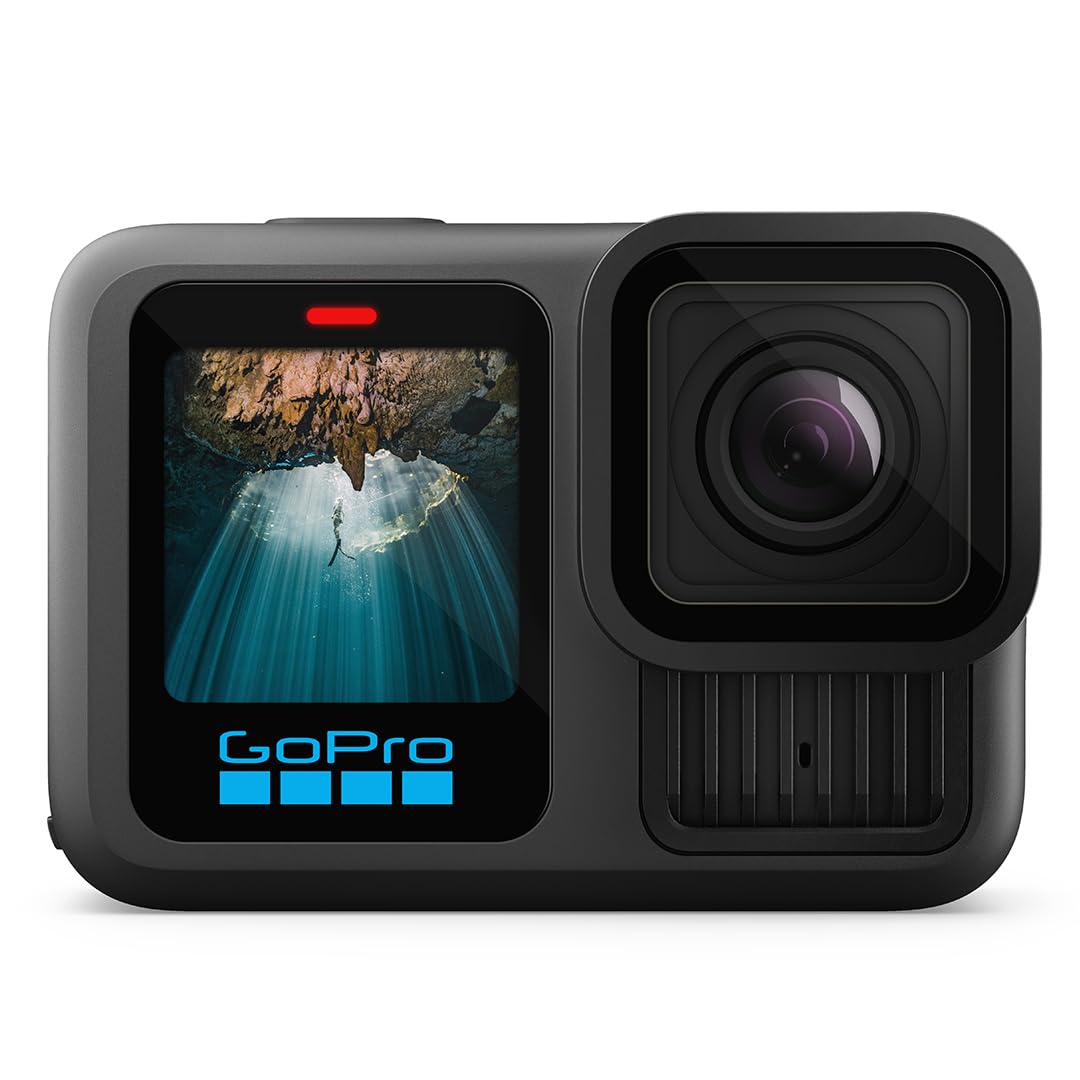
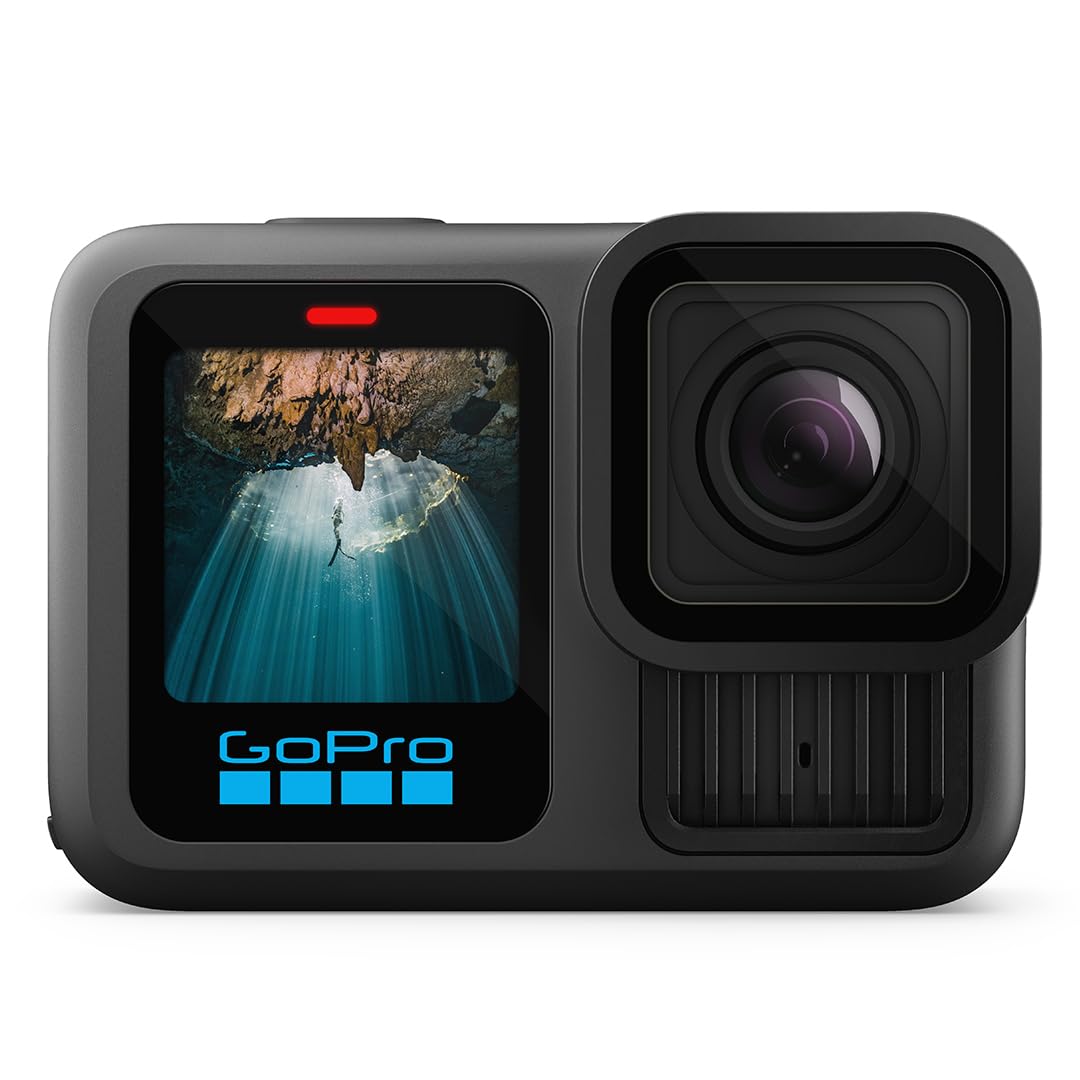
GoPro's Mission 1 Pro is immediately familiar if you've used any recent GoPro — a compact rectangular body, ruggedised rubberised edges, and a front-facing colour display that's larger and sharper than its predecessors. It's waterproof to 10m without a housing, mounts to every GoPro-compatible accessory ever made, and feels reassuringly solid without being heavy. The updated latch system for batteries and memory cards is a genuine improvement over earlier generations.
Key Features
- HyperSmooth 7.0: GoPro's best-ever electronic image stabilisation. In testing, footage shot while running on uneven trail felt genuinely cinematic rather than merely acceptable.
- 5.3K / 60fps: The headline spec for serious videographers who need cropping headroom in the edit.
- AI Auto Highlight: The Quik app analyses your clips and automatically builds a shareable highlight reel with music, transitions, and dynamic cuts. In 2026 it's meaningfully smarter than earlier versions — it identifies peak-action moments rather than just assembling random clips.
- Max Lens Mod 3.0 compatibility: The magnetic lens mount system means you can swap between ultra-wide, standard, and anamorphic optics in seconds.
- GP-Log 4: Updated log profile with wider dynamic range for serious colour grading.
Performance
Footage from the Mission 1 Pro at 4K/60fps is, frankly, gorgeous. Colours are punchy but not oversaturated, the default processing does a good job in a variety of lighting conditions, and low-light performance is noticeably improved over earlier GoPros. Stabilisation in Boost mode is borderline magical — you can mount this camera to a mountain bike handlebar and the resulting footage looks gimbal-smooth.
The AI editing features via Quik have matured considerably. Chapter detection (which groups your clips by activity or location) is surprisingly accurate, and the auto-reframe for vertical content works well for social media exports. Battery life is the main caveat: expect around 90 minutes of continuous 4K/60 recording, which means carrying spares on full-day shoots.
Who Should Buy the GoPro Mission 1 Pro?
Anyone already deep in the GoPro ecosystem, action sports enthusiasts who want the widest accessory compatibility, and creators who want the absolute best stabilised footage at high frame rates. 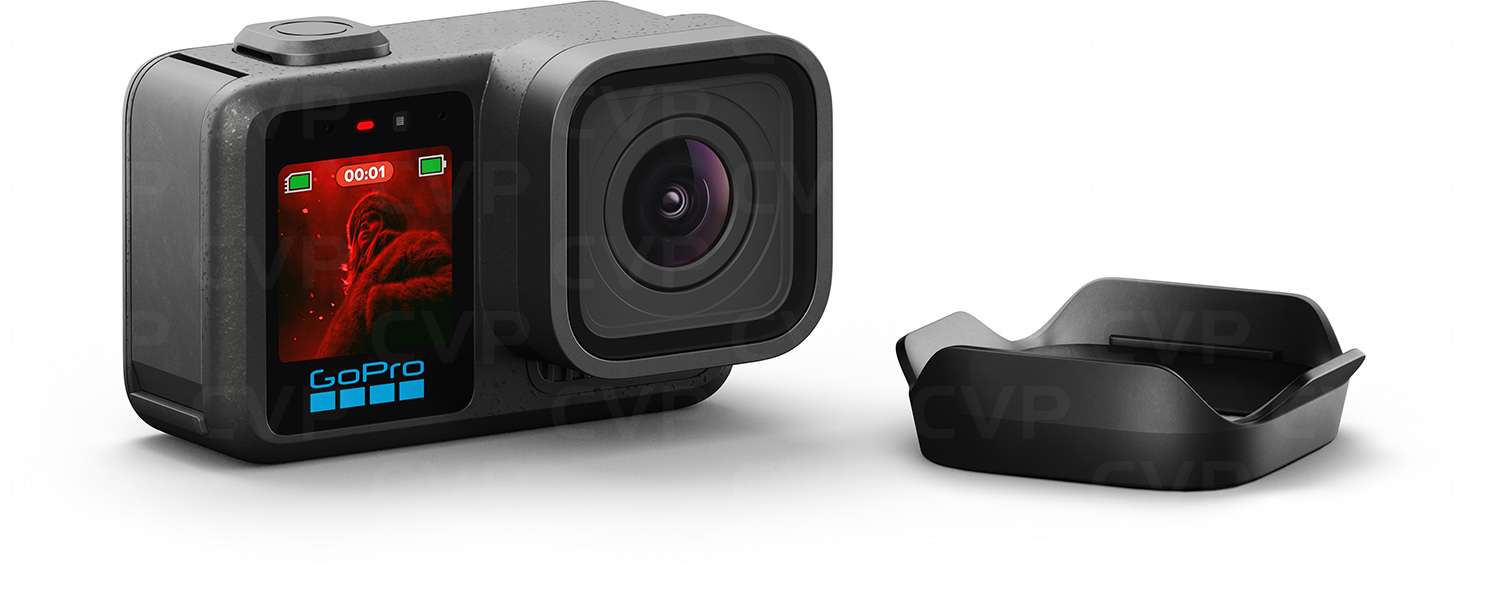
Pros:
- Industry-leading HyperSmooth 7.0 stabilisation
- Excellent dynamic range with GP-Log 4
- Huge accessory ecosystem
- Genuinely useful AI highlight editing in the Quik app
Cons:
- Battery life is still the weak point at roughly 90 minutes 4K/60
- Subscription model (GoPro Plus) required to unlock some app features
DJI Osmo Action 6 — The Endurance Champion
Design and Build
The Osmo Action 6 has evolved into a noticeably more premium-feeling device. The dual-screen layout (a front-facing colour touchscreen plus the main rear display) makes solo vlogging genuinely practical, and DJI has upgraded the magnetic quick-release mount to its latest generation — swapping between surfaces is fast and secure. Waterproofing sits at 20m without a case, which edges out the GoPro for water-sport creators. Build quality is excellent throughout.
Key Features
- RockSteady 4.0 + Horizon Balancing: DJI's stabilisation can now correct up to 45 degrees of tilt while keeping a natural-looking image — an absolute lifesaver for kayaking or mountain biking over rough terrain.
- 4K/120fps slow motion: Buttery slow-mo at full 4K resolution is the Osmo Action 6's party trick, and it's spectacular for capturing fast action in detail.
- Extended battery: DJI rates the Osmo Action 6 at approximately 160+ minutes of 4K/30 recording — comfortably the best runtime in this group.
- DJI LightCut AI: The companion app uses AI to identify highlights, generate themed edits, and auto-sync to music. The 2026 version adds scene-specific presets (surf, ski, cycling) that apply appropriate colour grades and transition styles.
- D-Log M: A log profile that gives colour graders a solid starting point without the extreme noise penalty of some log formats.
Performance
The Osmo Action 6 produces footage that's slightly more natural in colour rendering compared to GoPro's punchier default look — some will prefer this, others will want to add more saturation in post. The 4K/120fps slow motion is genuinely excellent: smooth, detailed, and usable even in mixed lighting. Horizon Balancing is the real star of the show for anyone shooting in inherently unstable conditions.
LightCut's AI editing is fast and the scene-specific presets save time when you're working quickly. The app is less polished than Insta360's offering but more than serviceable. The stand-out advantage is battery — a full day's snowboard run is achievable on a single charge in conservative settings.
Who Should Buy the DJI Osmo Action 6?
Water sports creators, winter sports enthusiasts, and anyone who can't be bothered to manage battery anxiety mid-activity. The best stabilisation in the group makes it the safest choice for inherently shaky situations. 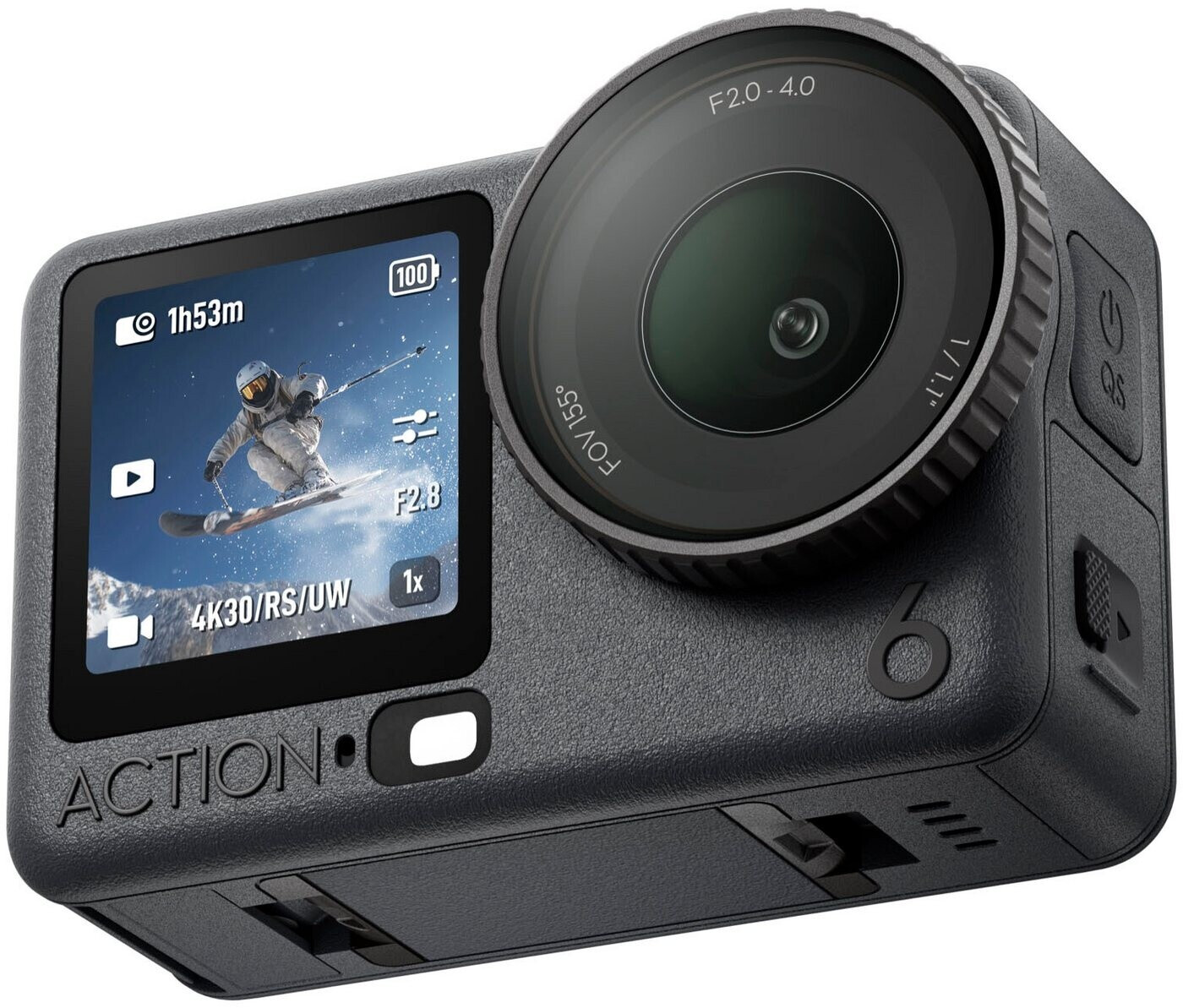
Pros:
- Best battery life of the three — comfortably 160+ minutes at 4K/30
- Superior waterproofing at 20m without a housing
- RockSteady 4.0 + Horizon Balancing best for inherently unstable shooting
- 4K/120fps slow motion is genuinely impressive
Cons:
- Colour science more muted out of camera — requires more post work than GoPro
- LightCut app still less polished than competitors
Insta360 Ace Pro 2 — The Creator's Camera
Design and Build
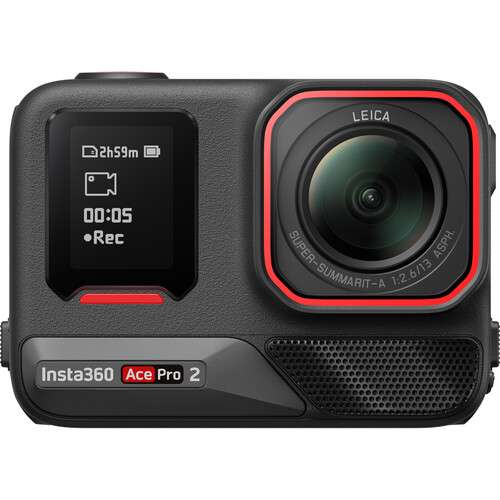
The Ace Pro 2 immediately sets itself apart with a large flip-up front screen — a feature that turns it into a capable vlogging tool rather than just a helmet cam. The body is slim for an action camera with this spec level, and Insta360 has continued its partnership approach on the sensor, delivering genuinely impressive image capture. The lens cover is integrated and sturdy, and the camera is waterproof to 10m without an additional housing. The design is more distinctively styled than its rivals — you'll notice it in a line-up.
Key Features
- 8K/30fps: The headline number. Whether you need 8K depends on your use case, but for print, large-screen display, or serious cropping headroom, it's a meaningful differentiator.
- AI Reframe: The Insta360 app's AI Reframe feature lets you retroactively choose your framing after shooting — the camera captures so much resolution that you can punch in significantly without quality loss.
- Shot Lab: A library of AI-driven creative effects and edit styles that apply automatically. In 2026, this has expanded to include AI-generated transitions, speed ramps triggered by music beat detection, and sky replacement.
- PureVideo: Insta360's stabilisation mode that combines optical and electronic stabilisation for ultra-smooth footage without the extreme crop of some EIS modes.
- Active HDR at 4K: Real-time HDR video at 4K/60fps — useful for high-contrast scenes like bright snow or sunsets.
Performance
The Ace Pro 2's image quality at 4K is competitive with — and sometimes exceeds — both rivals in high-contrast conditions thanks to Active HDR. The 8K mode is genuinely useful if you're delivering to large-format displays or cropping heavily. Stabilisation is very good, though RockSteady 4.0 still has a slight edge for the most extreme motion.
Where the Ace Pro 2 truly separates itself is the mobile editing experience. The Insta360 app is the most mature, most feature-rich, and most genuinely fun to use of the three companion apps. AI Reframe alone could save a creator hours per week — being able to reshoot a framing decision from your couch is a legitimate workflow advantage. Battery life sits between the GoPro and DJI, around 110–120 minutes at 4K/60.
Who Should Buy the Insta360 Ace Pro 2?
Content creators who value editing efficiency, creators who post heavily to vertical social formats, and anyone who wants the most resolution for future-proofing. 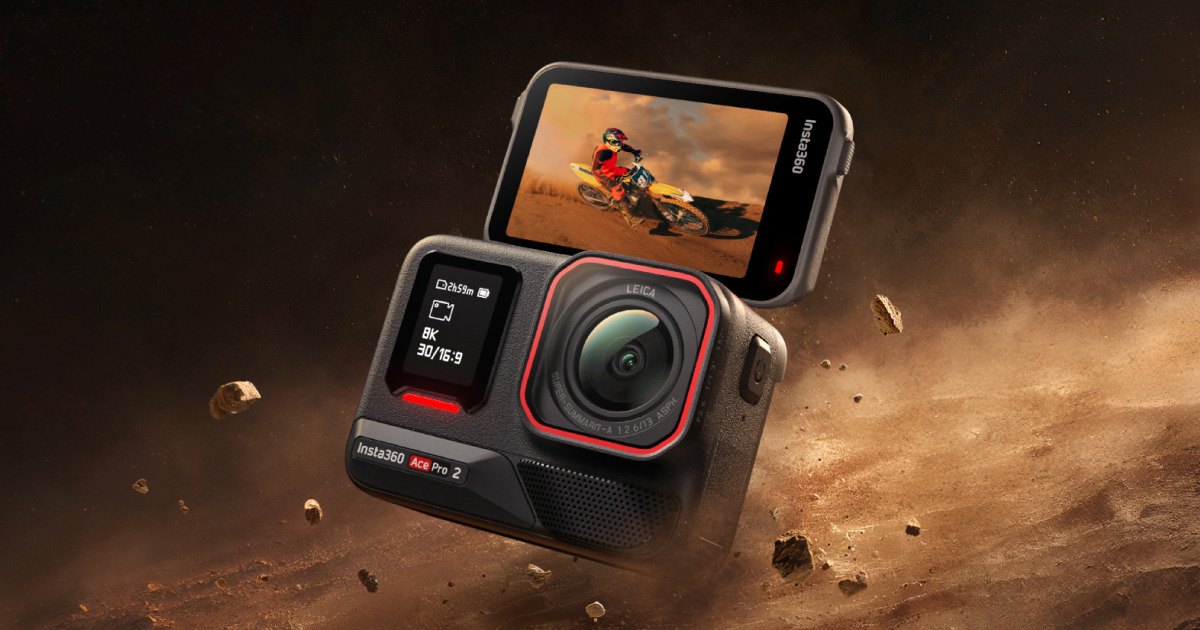
Pros:
- Best-in-class AI editing via the Insta360 app (AI Reframe, Shot Lab)
- 8K resolution for maximum cropping headroom
- Active HDR at 4K handles high-contrast scenes beautifully
- Flip-up screen makes solo vlogging natural
Cons:
- Largest body of the three — less pocketable
- Battery life is mid-pack at around 110–120 minutes at 4K/60
- 8K footage file sizes demand fast, large storage
Head-to-Head: AI Editing Features
This is the battleground that matters most in 2026. All three cameras promise to cut your editing time dramatically — but they deliver on that promise in different ways.
- GoPro Quik / AI Highlight: Best for quick, shareable social content. The auto-highlight reel is fast to produce and usually watchable without manual tweaking. Chapter detection for longer trips is genuinely smart.
- DJI LightCut: Best for sport-specific edits. The scene presets apply appropriate colour grades and pacing automatically — a ski edit looks like a ski edit without you having to dial anything in manually.
- Insta360 Shot Lab + AI Reframe: Best for creators who want control and polish. The most comprehensive AI toolkit of the three, with the ability to retroactively adjust framing, apply beat-synced edits, and generate platform-specific aspect ratios with a tap.
Stabilisation Compared
Stabilisation is still the single most important spec for action cameras — soft, shaky footage is unwatchable regardless of resolution. Here's a plain-language ranking:
- DJI Osmo Action 6 — RockSteady 4.0 + Horizon Balancing is the most aggressive stabilisation available, best for kayaking, motocross, anything with extreme tilt and shake.
- GoPro Mission 1 Pro — HyperSmooth 7.0 is a fraction behind in extreme conditions but arguably produces a more natural-looking image. Excellent for cycling, skiing, running.
- Insta360 Ace Pro 2 — PureVideo is very capable and competitive; the slight resolution advantage means cropping is less visible even when stabilising aggressively.
Value for Money
All three cameras sit in the premium tier, so the question isn't which is cheapest — it's which gives you the most value for your specific use case. The DJI Osmo Action 6 tends to be the most accessible price-wise of the three while still delivering flagship features. The GoPro Mission 1 Pro commands a premium partly justified by accessory compatibility. The Insta360 Ace Pro 2 is at the top of the price range and justified primarily if you'll make heavy use of the AI editing tools or need maximum resolution.
Alternatives to Consider
Budget Pick: DJI Osmo Action 5 (Previous Generation)
If the flagship prices are hard to justify, the previous-generation DJI Osmo Action 5 remains widely available and delivers genuinely excellent stabilisation and image quality at a noticeably lower price. You'll miss the 4K/120fps and some AI editing refinements, but for casual adventurers this is a smart, cost-effective option. 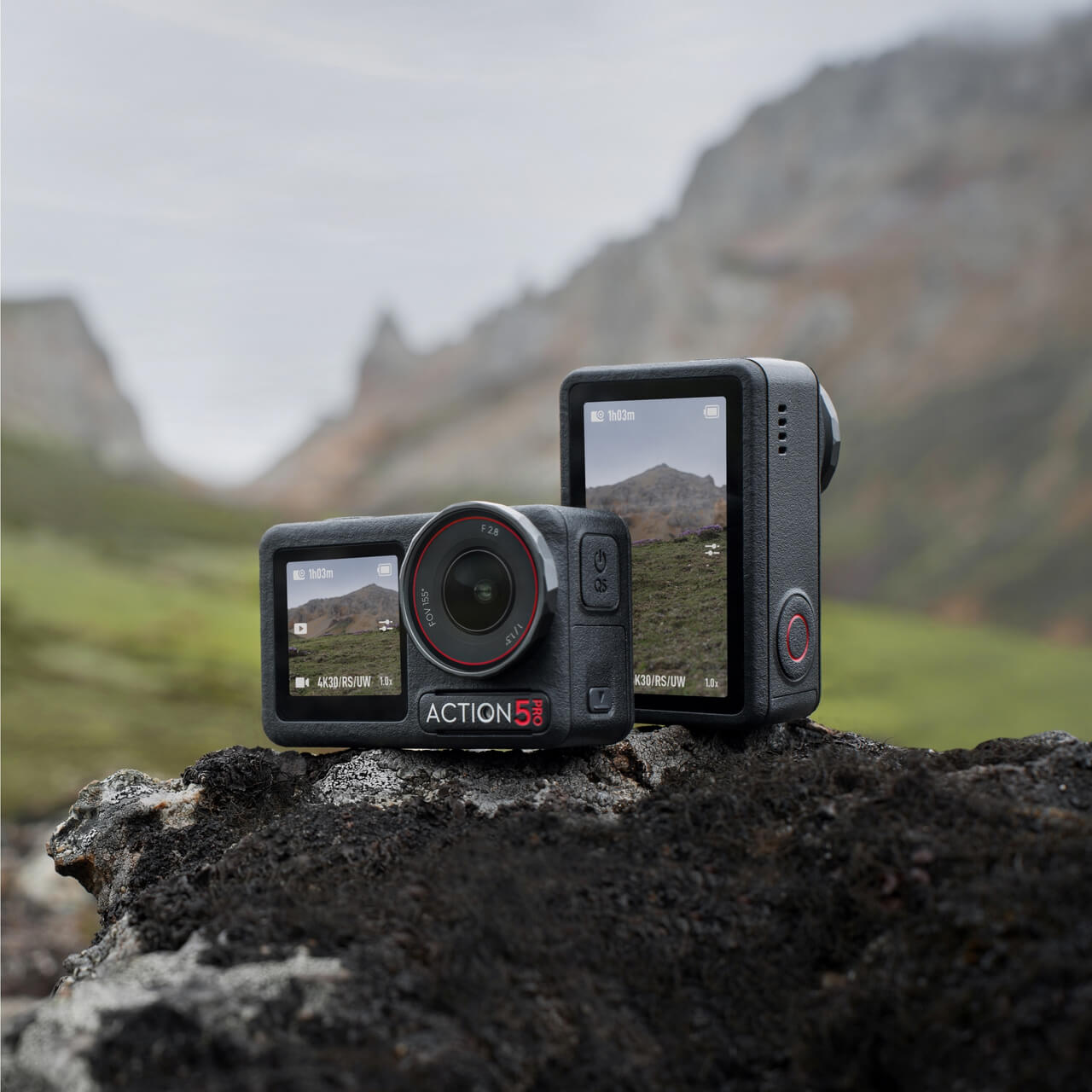
Premium Upgrade: Insta360 X5
If you want the creative freedom of 360-degree capture — shoot everything, frame it later — the Insta360 X5 is the leading 360 action camera in 2026. It's a different tool to a traditional action camera, but for travel and adventure creators who want maximum flexibility, it's a compelling alternative to any of the three cameras reviewed here. 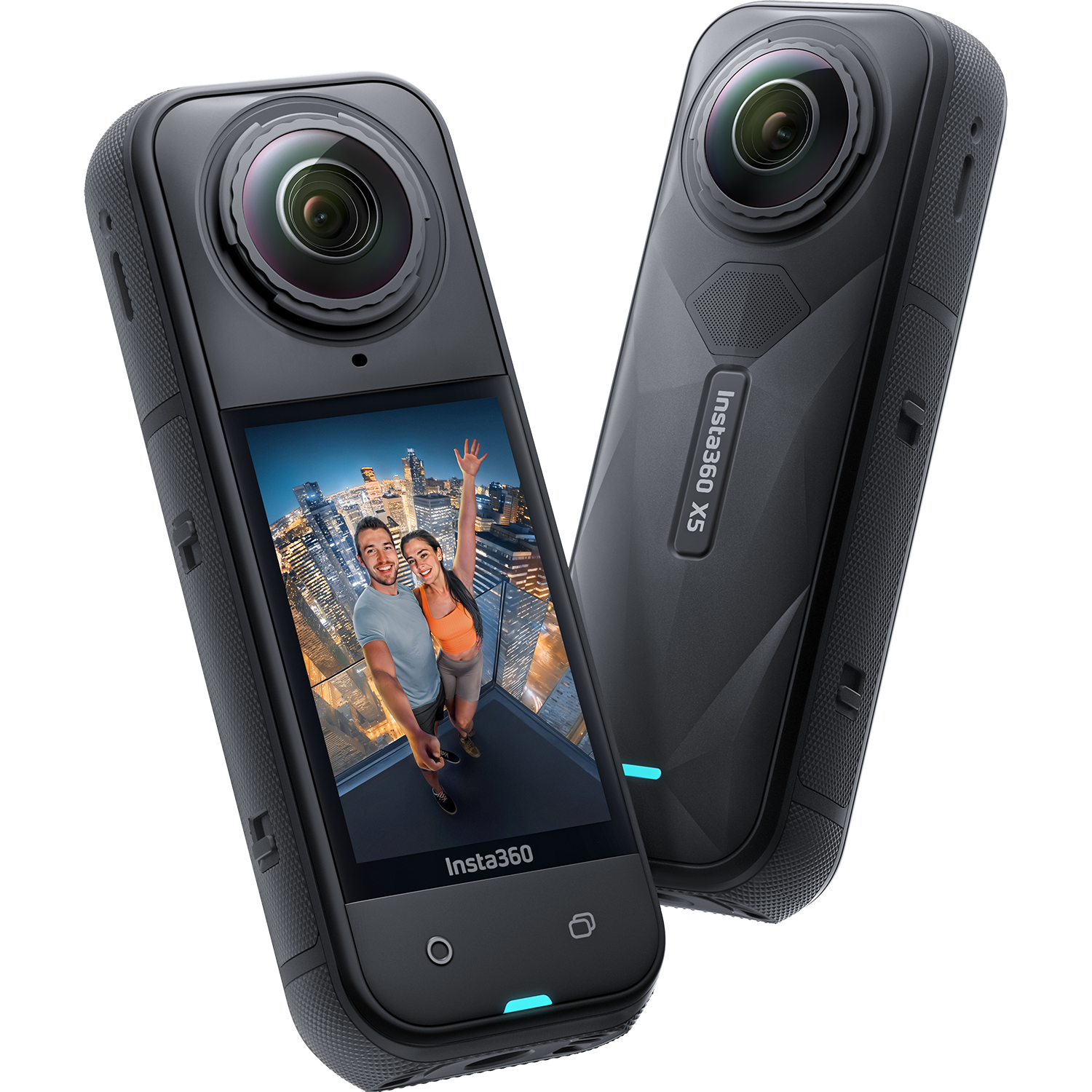
Final Verdict
There's no bad choice in this group — which is both the honest conclusion and a genuine reflection of how far action cameras have come. But here's how to decide:
- Choose the GoPro Mission 1 Pro if stabilisation quality, accessory compatibility, and overall footage excellence are your top priorities.
- Choose the DJI Osmo Action 6 if you need the longest battery life, the best waterproofing, or you shoot sports where extreme tilt and shake are unavoidable.
- Choose the Insta360 Ace Pro 2 if you're a content creator who values AI editing efficiency, posts to multiple platforms, or wants the highest resolution available.
Our overall top pick for most creators is the Insta360 Ace Pro 2 — the combination of excellent image quality, best-in-class AI editing tools, and the practical flip-up screen makes it the most complete creator tool of the three. But the DJI Osmo Action 6 is the one we'd recommend to anyone prioritising endurance and waterproofing, and GoPro's ecosystem remains unbeatable for accessory variety.
Check the Insta360 Ace Pro 2 on Amazon — our top pick for 2026Free returns · No extra cost to you · Prices update daily