It's August 2026, and the Matter standard has been out in the wild for a good while now. Remember the early days, when your smart home felt like a tangled mess of apps and proprietary hubs? Matter was supposed to fix all that, a universal language for all your connected gizmos. The big question remains: has it finally delivered on the promise of a truly unified smart home, where all your gadgets just work together, no matter the brand?
As an Amazon Associate I earn from qualifying purchases. This page contains affiliate links, and I may earn a commission at no extra cost to you.
The Reality of Matter in 2026
Three years on from its initial rollout, Matter isn't a silver bullet, but it's certainly made strides. We're seeing more devices arriving with Matter support right out of the box, and the setup process, while not always perfectly seamless, is generally far less frustrating than the old days of trying to pair Zigbee with Z-Wave through some dodgy bridge. The core idea – local control, faster response times, and an end to brand lock-in – is largely holding true, though performance can still vary depending on your chosen Matter controller (hub) and network setup.
Apple HomePod mini: The Solid Foundation
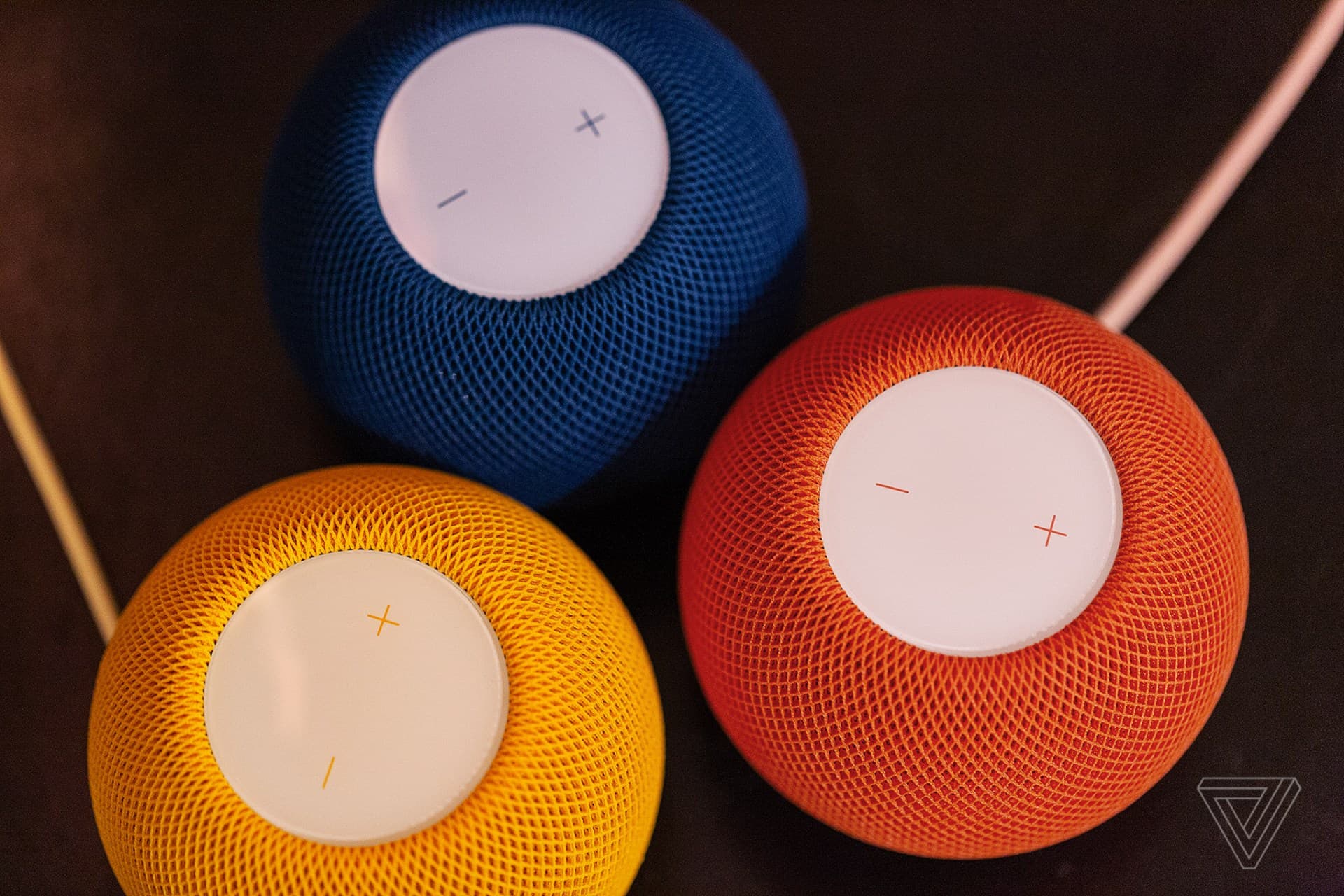
If you're building a Matter smart home and already in the Apple ecosystem, the Apple HomePod mini is a fantastic choice as your Matter controller. It acts as a Thread Border Router and a Matter hub, reliably connecting your devices and allowing you to control them via Apple HomeKit. Owners consistently report its strong Thread network performance and responsive local control. It's not just a speaker; it's the brain of your home, and in 2026, it's still one of the most stable ways to run a Matter network. The sound quality is surprisingly good for its size too, making it a dual-purpose device that actually delivers.
Yale Assure Lock 2: Security Simplified
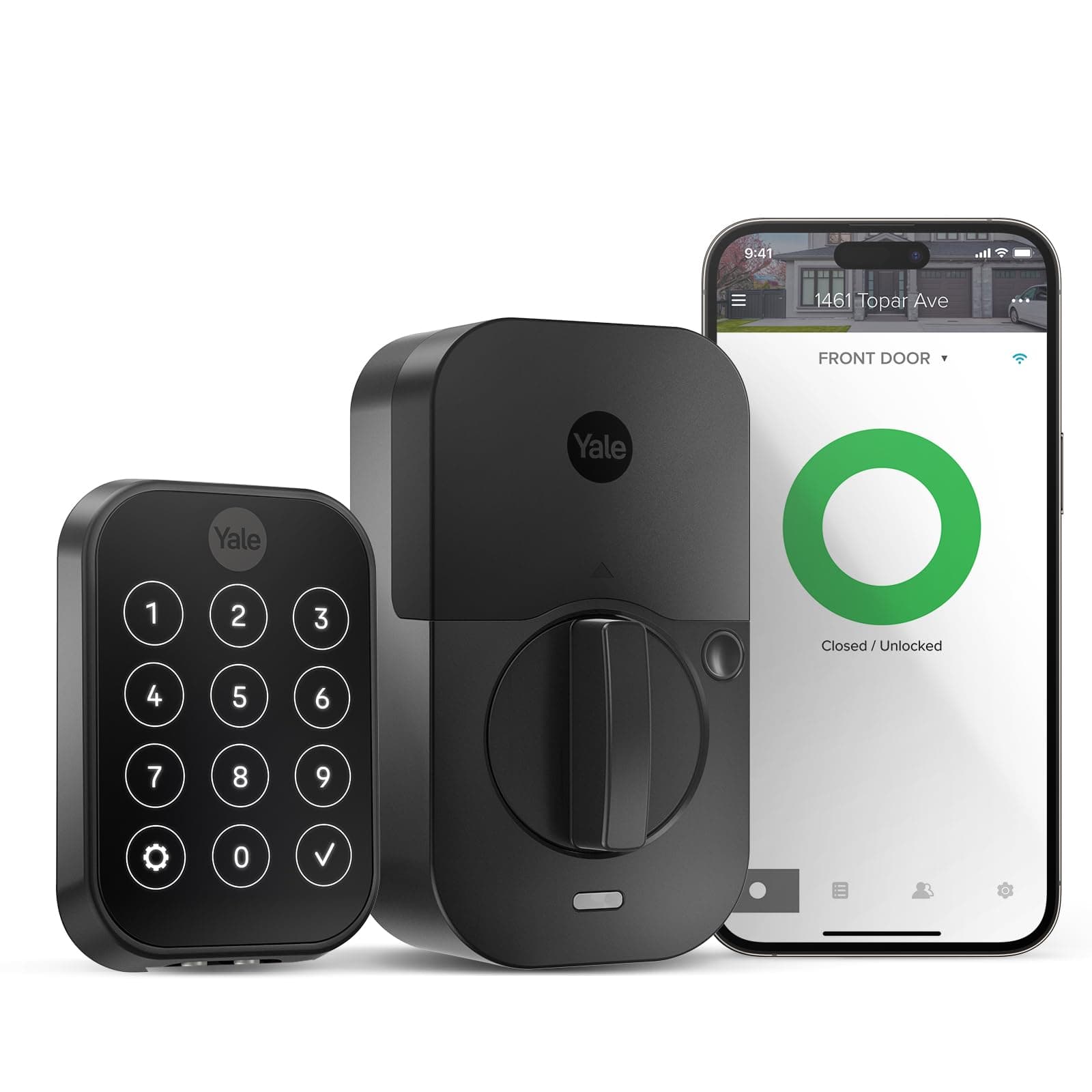
Smart locks can be a headache with compatibility, but the Yale Assure Lock 2 with Matter support cuts through a lot of that complexity. It's a well-built lock, feeling robust and secure, which is exactly what you want for your front door. The Matter integration means it plays nicely with your chosen smart home platform – whether that's Apple Home, Google Home, or Amazon Alexa – giving you reliable remote access, guest codes, and activity logs. The installation is straightforward for most DIYers, and based on published specs and verified owner feedback, it maintains a strong connection even through thick doors, thanks to Thread. No more worrying about which hub your lock needs.
Eve Energy Smart Plug: The Versatile Workhorse
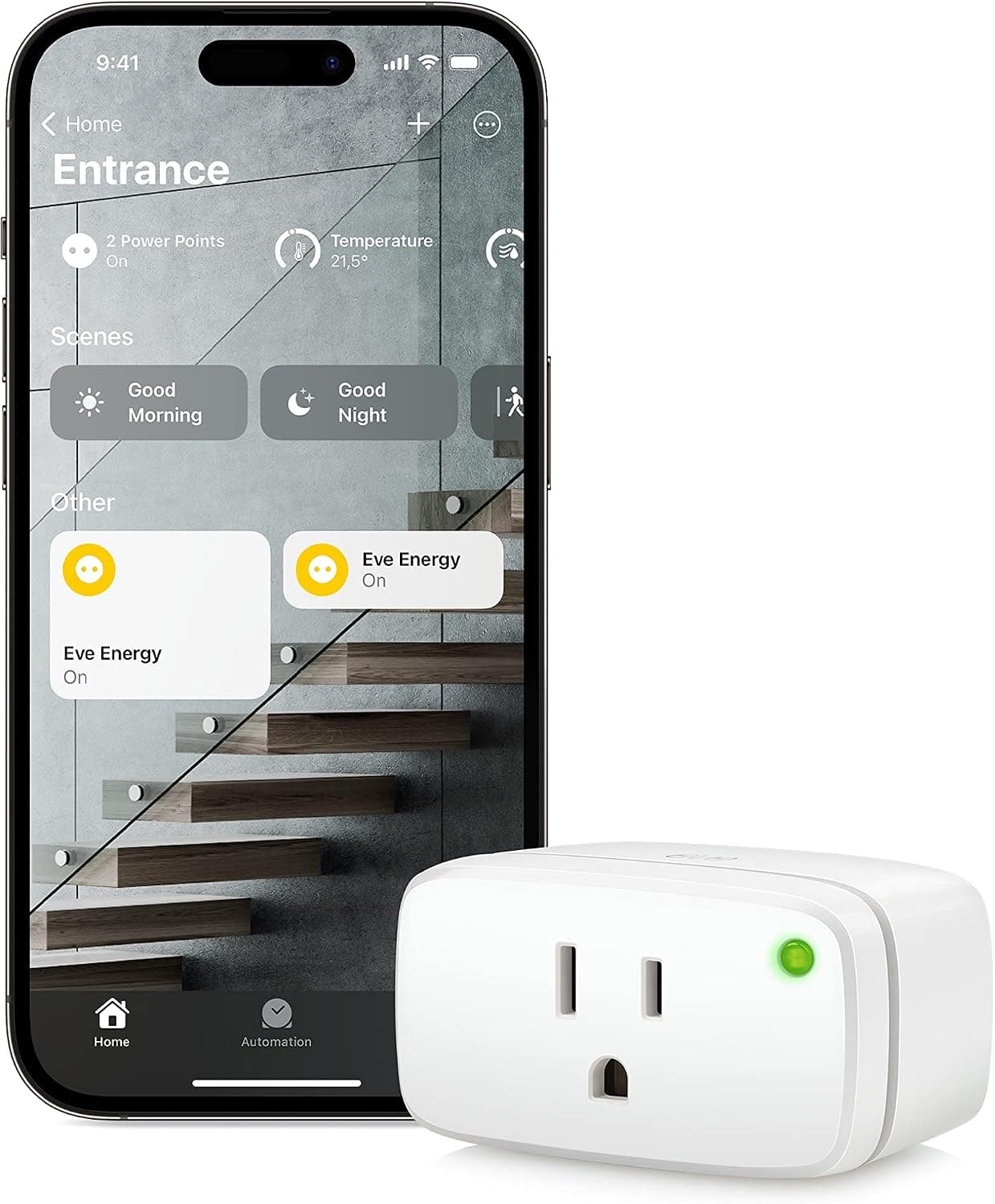
Smart plugs are the entry point for many into the smart home, and the Eve Energy Smart Plug is a prime example of how Matter simplifies things. This isn't just an on/off switch; it includes energy monitoring, which is genuinely useful for identifying those sneaky power vampires in your home. Its compact design means it won't block adjacent sockets, a minor but infuriating detail some other brands still get wrong. With Matter, setting it up is usually a quick scan of a QR code, and it integrates immediately. Owners praise its consistent performance and accurate energy tracking, making it a simple yet effective way to add smarts to any 'dumb' appliance.
Nanoleaf Essentials A19 Smart Bulb: Ambient Lighting, Simplified
Smart lighting has been around forever, but Matter makes it less fragmented. The Nanoleaf Essentials A19 Smart Bulb offers vibrant colours and tunable white light, capable of setting any mood. The big draw here is that it connects via Thread, meaning it can extend your Matter network and respond very quickly without relying solely on Wi-Fi. It's a significant upgrade from older Bluetooth-only bulbs. Reviewers and owners commonly report smooth dimming and rich colour reproduction. The Matter integration makes it a no-brainer for expanding your lighting setup, as you can control it alongside all your other Matter devices.
ecobee Smart Thermostat Premium: Climate Control That Connects
The ecobee Smart Thermostat Premium has always been a top-tier smart thermostat, known for its intelligent scheduling and remote sensors that help eliminate hot and cold spots. Now with Matter support, it integrates even more broadly into your smart home ecosystem. You can adjust your heating or cooling through any Matter-compatible app or voice assistant, not just the ecobee app. This enhances its already impressive energy-saving capabilities and user convenience. While it's a premium price point, its feature set, including an air quality sensor and a built-in speaker for voice assistance, makes it a powerful central controller for your home's climate.
Eve Motion Sensor: Intelligent Automation Trigger
For truly smart automation, you need sensors. The Eve Motion Sensor is a reliable, battery-powered option that brings responsive motion detection to your Matter setup. Its compact size means it blends easily into most rooms, and the battery life is generally excellent, often lasting well over a year. With Matter and Thread, its response time is almost instantaneous, which is crucial for things like turning lights on as you enter a room. Reviewers highlight its consistent performance and ease of setup, making it a great addition for creating sophisticated routines and improving security without being tied to a specific brand's ecosystem.
Matter Gadgets Comparison Table
| Product | Key Spec | Price Band | Verdict | Buy |
|---|---|---|---|---|
| Apple HomePod mini | Matter Controller, Thread Border Router, Speaker | Premium | Essential for Apple users wanting a stable Matter hub. | Check price on Amazon |
| Yale Assure Lock 2 | Keypad, Auto-Lock, Activity Log, Thread | Mid-Range | Reliable and secure Matter-enabled smart lock. | Check price on Amazon |
| Eve Energy Smart Plug | Energy Monitoring, Compact Design, Thread | Mid-Range | Excellent for simple automation and energy insights. | Check price on Amazon |
| Nanoleaf Essentials A19 Smart Bulb | Full Colour, Tunable White, Thread | Budget | Responsive and colourful lighting, good ecosystem builder. | Check price on Amazon |
| ecobee Smart Thermostat Premium | Air Quality Sensor, Remote Sensors, Voice Assistant | Premium | Advanced climate control with broad Matter integration. | Check price on Amazon |
| Eve Motion Sensor | Battery-Powered, Fast Response, Thread | Mid-Range | Key component for responsive smart home automations. | Check price on Amazon |
The Bottom Line on Matter in 2026
Matter has undoubtedly matured, making the dream of truly interoperable smart home gadgets a much closer reality. It's not perfect – you might still hit a snag during initial pairing, or find some advanced features are best accessed through a device's native app – but the core promise of cross-platform control and local responsiveness is largely being met. Building a smart home with Matter-certified devices in 2026 is a far more cohesive and future-proof experience than it was just a few years ago. While a robust Matter controller like the Apple HomePod mini is still critical for the best experience, the standard ensures that your chosen lock, plug, or bulb isn't locked into one ecosystem forever.