As an Amazon Associate I earn from qualifying purchases. This page contains affiliate links, and I may earn a commission at no extra cost to you.
It’s no longer enough for a speaker to just play music; in 2026, we expect our home audio to be smart, intuitive, and genuinely helpful. AI-powered smart speakers have transformed from simple voice assistants to sophisticated hubs capable of managing your schedule, controlling your smart home, and delivering rich, adaptive audio experiences. The intelligence embedded in these devices has seen significant leaps, making your interactions smoother and more predictive than ever before.
But with so many options, how do you choose the right one? The market is rich with contenders, each boasting unique strengths tied to their respective ecosystems. Whether you're an Alexa enthusiast, a Google Assistant loyalist, or deeply entrenched in Apple's world, there's an AI speaker designed to fit your life. My goal here is to cut through the marketing jargon and give you an honest look at what really matters when picking your next smart audio device.
How We Evaluated AI Smart Speakers
To give you the most trustworthy advice, I've focused my research on several key areas:
- Sound Quality: This is a speaker, after all. We looked beyond raw volume to assess clarity, bass response, and how well each speaker handles different genres. Does it fill a room? Does it sound good at low volumes?
- AI Assistant Intelligence & Features: Beyond basic commands, how well does the AI understand complex requests, follow-up questions, and learn your habits? We considered its integration with smart home devices, its ability to manage tasks, and its overall responsiveness.
- Ecosystem Integration: How seamlessly does the speaker work with other devices and services within its brand's ecosystem (e.g., Amazon, Google, Apple)? This is crucial for a unified smart home experience.
- Privacy & Security: With microphones always listening, privacy is paramount. We examined settings, data handling policies, and available controls to ensure your personal information remains as secure as possible.
- Design & Build: A smart speaker isn't just tech; it's furniture. We considered aesthetics, materials, and how well it blends into various home environments.
- Value: Does the speaker justify its price tag based on its features, performance, and longevity?
Amazon Echo (4th Gen): The Smart Hub with a Sphere of Sound
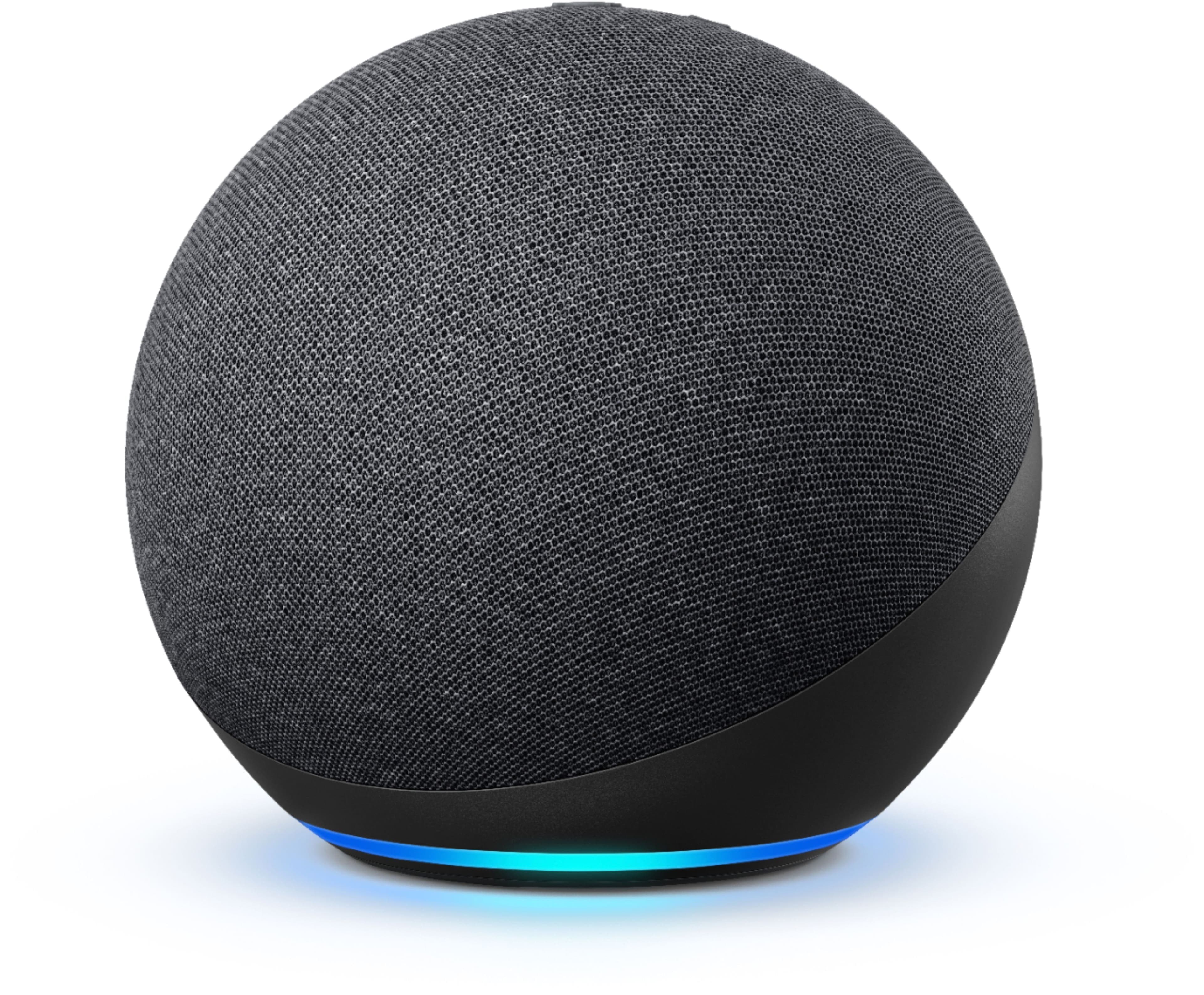
The Amazon Echo (4th Gen), released a few years back, remains a surprisingly strong contender in 2026 thanks to Amazon's continuous software updates and its robust hardware design. Its distinctive spherical shape wasn't just a design refresh; it allowed for a fundamentally different acoustic setup compared to its cylindrical predecessors. This speaker packs a 3.0-inch neodymium woofer and two 0.8-inch tweeters, configured to deliver adaptive sound that adjusts to the acoustics of your room. It also includes a built-in Zigbee smart home hub, which is a massive win for users looking to simplify their smart home setup without needing extra bridges.
Design and Build
The Echo (4th Gen)'s fabric-covered spherical design is both modern and unobtrusive. It comes in a few classic colors, allowing it to blend into most décor styles without drawing too much attention. The light ring, now at the base, subtly indicates Alexa's status, which is a more elegant solution than the previous top-ring design. The physical buttons for volume, mic mute, and action are tactile and easily accessible on the top, maintaining a user-friendly interface alongside voice control. It feels well-built and sturdy, definitely not a cheap piece of plastic.
Key Features and Performance
The real power of the Echo (4th Gen) lies in Alexa. By 2026, Alexa's AI has become incredibly nuanced. It handles complex multi-step commands far better than initial iterations, and its contextual awareness has vastly improved. For instance, you can ask for a recipe, and then later ask for ingredient substitutions without needing to restart the conversation. The integration with Amazon's vast ecosystem of services and third-party skills is second to none. If you use Amazon Music, Audible, or have a Ring doorbell, the Echo is your central command.
Sound-wise, the Echo (4th Gen) punches above its weight for its price point. It delivers clear vocals, decent mid-range presence, and a surprising amount of bass, especially when placed appropriately in a room. The adaptive sound technology genuinely makes a difference, optimizing output based on its environment, meaning you get a more consistent audio experience no matter where you place it. While it won't replace a dedicated high-fidelity stereo system, it's more than adequate for casual listening, background music, and podcasts.
Value Proposition
For roughly $100-$120, the Echo (4th Gen) offers exceptional value. The combination of solid sound quality, a highly intelligent and integrated AI assistant, and a built-in smart home hub is hard to beat. It effectively consolidates several smart devices into one, saving you money and simplifying your setup. Based on its continued relevance and feature set in 2026, it remains a fantastic entry point or upgrade for many.
Pros
- Excellent sound quality for the price, with adaptive audio.
- Integrated Zigbee smart home hub simplifies device control.
- Alexa's AI is highly capable and deeply integrated with numerous services.
- Attractive, unobtrusive spherical design.
- Strong privacy controls, including a physical microphone mute button.
Cons
- Sound can lack a bit of sparkle at the very high end compared to premium options.
- Requires deep commitment to the Amazon ecosystem for maximum benefit.
- Still relies on cloud processing for many advanced AI features, leading to occasional latency.
Google Nest Audio: The Sound-First Smart Speaker
Google's answer to the Echo (4th Gen) is the Google Nest Audio. While also released in 2020, it too benefits from continuous software refinement, especially in the Google Assistant's capabilities. The Nest Audio was designed with music lovers in mind, aiming to fill the gap left by the original Google Home with a focus on richer, fuller sound. It features a 0.75-inch tweeter and a 3.0-inch mid-woofer, encased in a soft, fabric-covered rectangular design that is meant to blend seamlessly into your home.
Design and Build
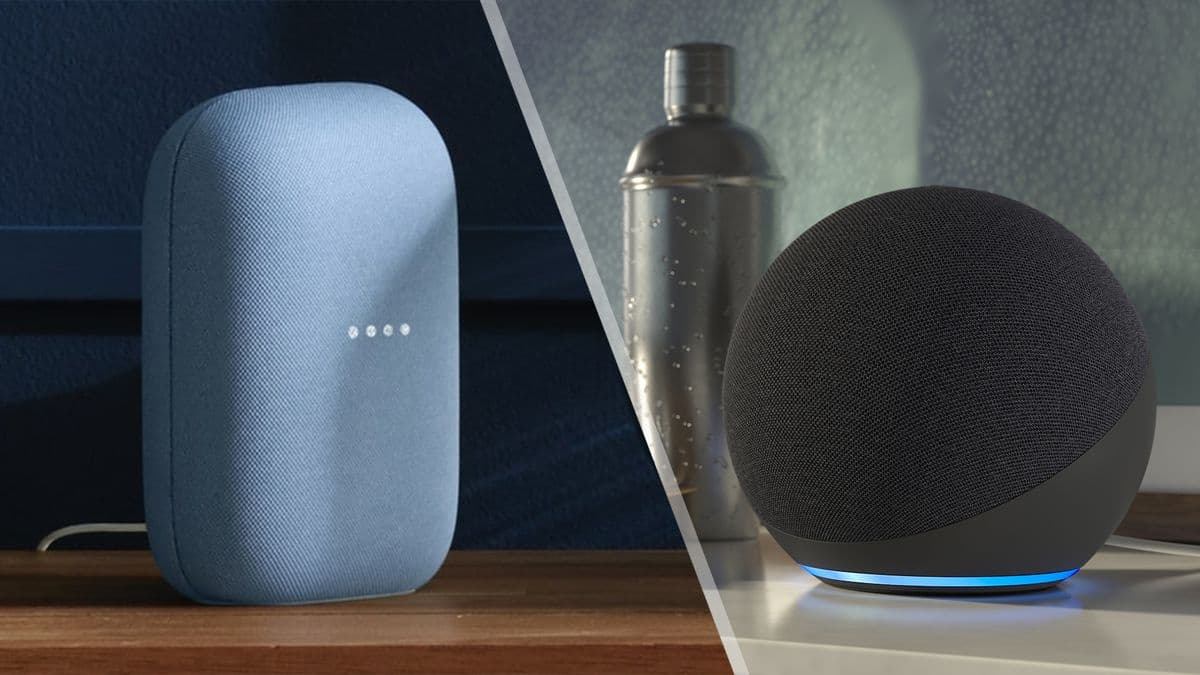
The Nest Audio boasts a simple, elegant rectangular form factor with rounded edges, entirely covered in a recycled plastic fabric. It feels premium and looks great on a bookshelf or countertop. Unlike the Echo's visible light ring, the Nest Audio's LED indicators are subtle, illuminating only when Google Assistant is active. There are no physical buttons for volume; instead, the top surface is touch-sensitive, which can be a little less intuitive than physical buttons. A physical mic mute switch is located on the back for privacy.
Key Features and Performance
Google Assistant in 2026 is a formidable AI. It excels at complex queries, translating languages, and integrating with Google's vast array of services like Calendar, Maps, and YouTube Music. Its ability to understand natural language and follow context is often touted as slightly superior to Alexa, especially for general knowledge and information retrieval. If your life runs on Google services, the Nest Audio is an incredibly powerful tool.
When it comes to audio performance, the Nest Audio delivers. It offers a warm, well-balanced sound profile with good bass response and clear vocals. Compared to the Echo (4th Gen), some listeners find it to have a slightly more natural and less processed sound, particularly in the mid-range. While it also performs adaptive audio adjustments, its strength truly lies in its ability to fill a room with consistent, high-quality sound for its size and price. For stereo pairing, two Nest Audio units create a genuinely immersive soundstage that competes with more expensive dedicated systems.
Value Proposition
Priced similarly to the Echo (4th Gen), usually around $100-$120, the Nest Audio presents an excellent value for those already invested in the Google ecosystem. Its strength in sound quality for music playback, combined with Google Assistant's robust AI capabilities, makes it a compelling choice. While it lacks a built-in Zigbee hub, its integration with Google Home and Matter-compatible devices is excellent.
Pros
- Rich, balanced audio quality with strong bass for its size.
- Google Assistant offers exceptional natural language understanding and information retrieval.
- Seamless integration with Google's ecosystem and services.
- Understated, elegant design with fabric finish.
- Good stereo pairing capabilities.
Cons
- Lacks a built-in smart home hub (like Zigbee).
- Touch controls for volume can be less precise than physical buttons.
- Similar to Alexa, full benefits require commitment to Google's platform.
Comparison: Echo (4th Gen) vs. Nest Audio
Here’s a quick overview of how these two main contenders stack up:
| Product | Key Features | Price Band | Verdict | Buy |
|---|---|---|---|---|
| Amazon Echo (4th Gen) | Alexa AI, Zigbee Hub, Adaptive Sound, Spherical Design | Mid-range ($100-$120) | Best all-rounder for smart home control and robust Alexa features. | Check today's price on Amazon |
| Google Nest Audio | Google Assistant, Room-filling Sound, Natural Language AI, Fabric Design | Mid-range ($100-$120) | Strongest for music lovers and those deep in the Google ecosystem. | Check today's price on Amazon |
Choosing Your AI Companion: Key Considerations
Deciding between these excellent smart speakers often comes down to a few personal preferences and existing ecosystem investments:
Ecosystem Lock-in is Real (and Often Good)
Your existing smart home devices, streaming services, and even your smartphone brand heavily influence which speaker will serve you best. If you have mostly Ring cameras, Eero mesh Wi-Fi, and shop on Amazon frequently, an Echo device will feel like a natural extension. If your smart lights are from Philips Hue, your thermostat is Nest, and your phone is an Android, then the Nest Audio will offer the most seamless experience. While both support many third-party integrations, the native experience is always superior.
Privacy Concerns: Who's Listening?
Both Amazon and Google have made strides in offering more transparent privacy controls. Both the Echo (4th Gen) and Nest Audio include physical microphone mute switches, which I consider essential. You can also review and delete voice recordings through their respective apps. While neither company is entirely free from privacy debates, they offer comparable controls that empower users to manage their data. It's crucial to use these settings to your comfort level.
Sound Preference: Analytical vs. Warm
While both speakers offer excellent sound for their price, there are subtle differences. The Echo (4th Gen), with its adaptive tuning, often presents a slightly more dynamic and perhaps more