As an Amazon Associate I earn from qualifying purchases. This page contains affiliate links, and I may earn a commission at no extra cost to you.
Finding the Right Smartwatch for Your Daily Routine
Buying a smartwatch used to mean choosing between a basic step counter that lasted a week or a tiny wrist computer that died before bedtime. Modern wearables have closed that gap significantly, but the fundamental trade-off still exists. Do you prioritize deep health analytics, multi-day battery life, and physical endurance? Or do you want seamless app integration, rich notification responses, and deep smart assistant hooks?
The rivalry between the Garmin Venu 3 and the Google Pixel Watch 2 highlights this choice. Garmin approaches the wrist as an athletic recovery hub that happens to deliver text messages. Google treats the watch as a sleek extension of your Android smartphone that happens to track your workouts via Fitbit. Based on manufacturer specifications and verified owner feedback, this guide examines how these two high-profile wearables compare across build quality, fitness sensors, battery longevity, and real-world daily utility.
Garmin Venu 3 vs. Google Pixel Watch 2 at a Glance
| Feature / Spec | Garmin Venu 3 | Google Pixel Watch 2 |
|---|---|---|
| Case Size | 45 x 45 x 12 mm (fits 135–200 mm wrists) | 41 x 41 x 12.3 mm |
| Housing Material | Fiber-reinforced polymer with stainless steel bezel | 100% recycled light aluminum housing |
| Battery Life | Up to 14 days (Smartwatch mode) | Up to 24 hours (Always-on display enabled) |
| Charging Time | Roughly 60–75 minutes | 75 minutes for a full day charge |
| Health & Fitness Suite | Body Battery, Sleep Coach, Nap Detection, Recovery Metrics | Fitbit integration, ECG app, Skin Temp, cEDA Stress Tracking |
| Smart Features | Wrist calls, voice assistant pass-through, Garmin Pay | Google Assistant, Maps, Wallet, Wear OS app ecosystem |
| Price Band | Mid-to-High Premium | Mid-Range |
| Where to Buy | Check Price on Amazon | Check Price on Amazon |
Garmin Venu 3: The Endurance & Health Recovery Powerhouse
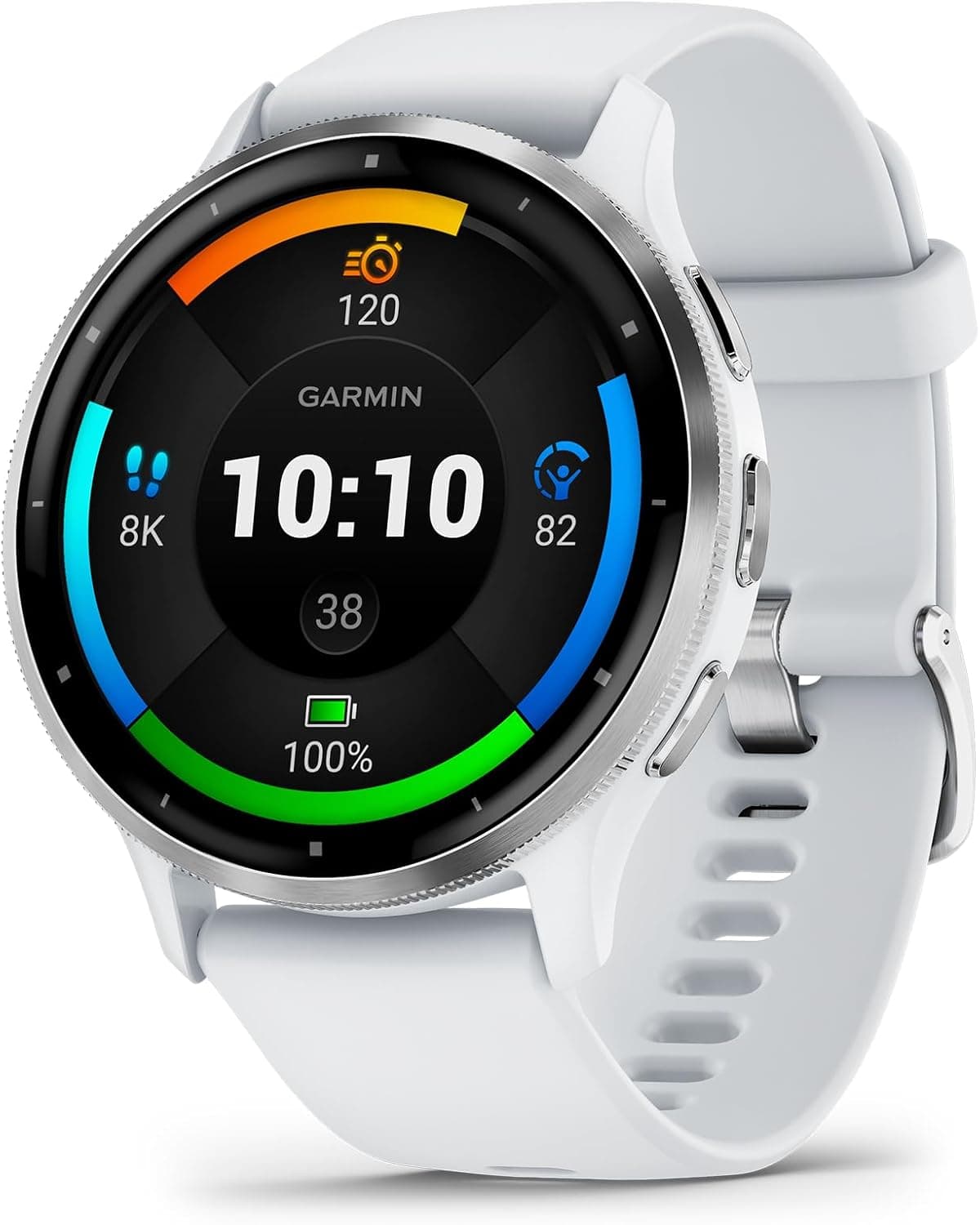
Garmin built its reputation on rugged outdoor GPS units, but the Venu line represents its most successful attempt at a mainstream, lifestyle-focused smartwatch. The Garmin Venu 3 strikes a balance that few competitors can hit: a bright AMOLED touchscreen paired with double-digit battery life.
Design, Wrist Fit, and Hardware
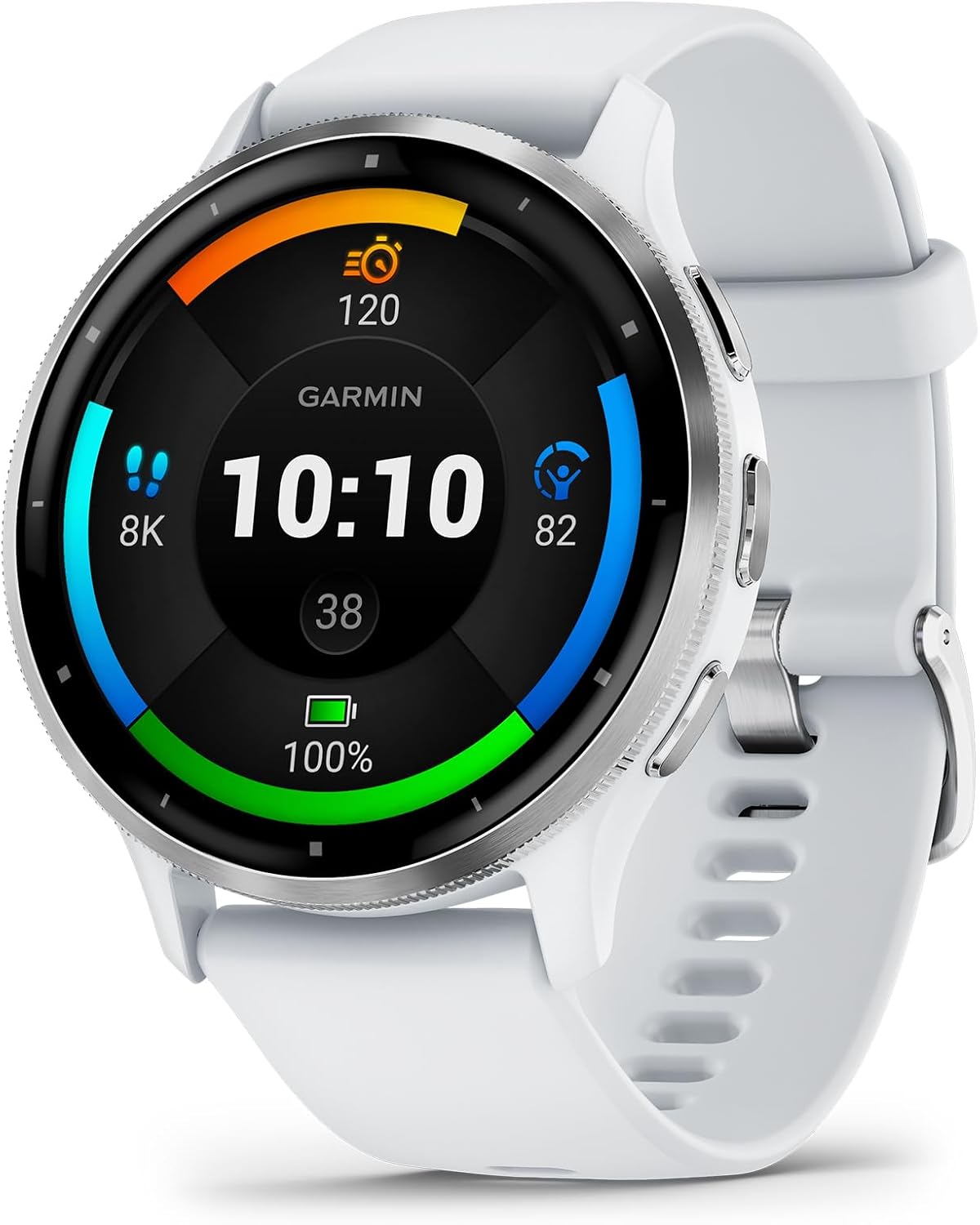
The Garmin Venu 3 features a 45 x 45 x 12 mm physical case size designed to accommodate wrist circumferences ranging from 135 mm to 200 mm. Its fiber-reinforced polymer body keeps the overall weight manageable, while a neat stainless steel bezel gives it enough polished style for non-workout wear. Unlike pure performance sports watches with five rigid push buttons, the Venu 3 uses a responsive touchscreen complemented by three side buttons, making navigation straightforward during high-intensity training when sweaty fingers might slip on glass.
Fitness Tracking and Recovery Coaching
Garmin's software shines in how it translates raw biometric sensor data into actionable daily advice. Instead of merely recording your heart rate during a run, the Venu 3 contextually analyzes your strain through metrics like Body Battery and Sleep Coach. It automatically logs short naps—a historical pain point for smartwatch algorithms—and factors those rest periods directly into your nightly sleep score and daily energy reserve estimates.
Runners, cyclists, and gym-goers get access to detailed training metrics without needing a mandatory subscription paywall. Workout modes cover everything from indoor rowing and strength training to wheelchair-specific push tracking, offering versatile activity logging regardless of how you move.
Smart Capabilities and Battery Longevity
Where older Garmin models felt isolated from your phone, the Venu 3 includes a built-in speaker and microphone. When tethered to an Android or iOS smartphone via Bluetooth, you can answer calls directly from your wrist or trigger your phone's voice assistant (such as Google Assistant, Siri, or Bixby) to send quick text replies. Android users can also view incoming text photos directly on the watch screen.
The true selling point, however, remains battery management. In standard smartwatch mode, the Garmin Venu 3 can last up to 14 days on a single charge. Even with regular outdoor GPS tracking sessions and all-day health monitoring enabled, owners routinely report going over a full week between trips to the charger.
Google Pixel Watch 2: Sleek Wear OS Integration with Fitbit Intelligence
Google took a significantly refined second crack at wearable hardware with the Pixel Watch 2. By pairing updated sensor tech with Google's clean Wear OS platform and deep Fitbit health algorithms, it creates a highly cohesive daily assistant for your wrist.
Design and Wearable Comfort
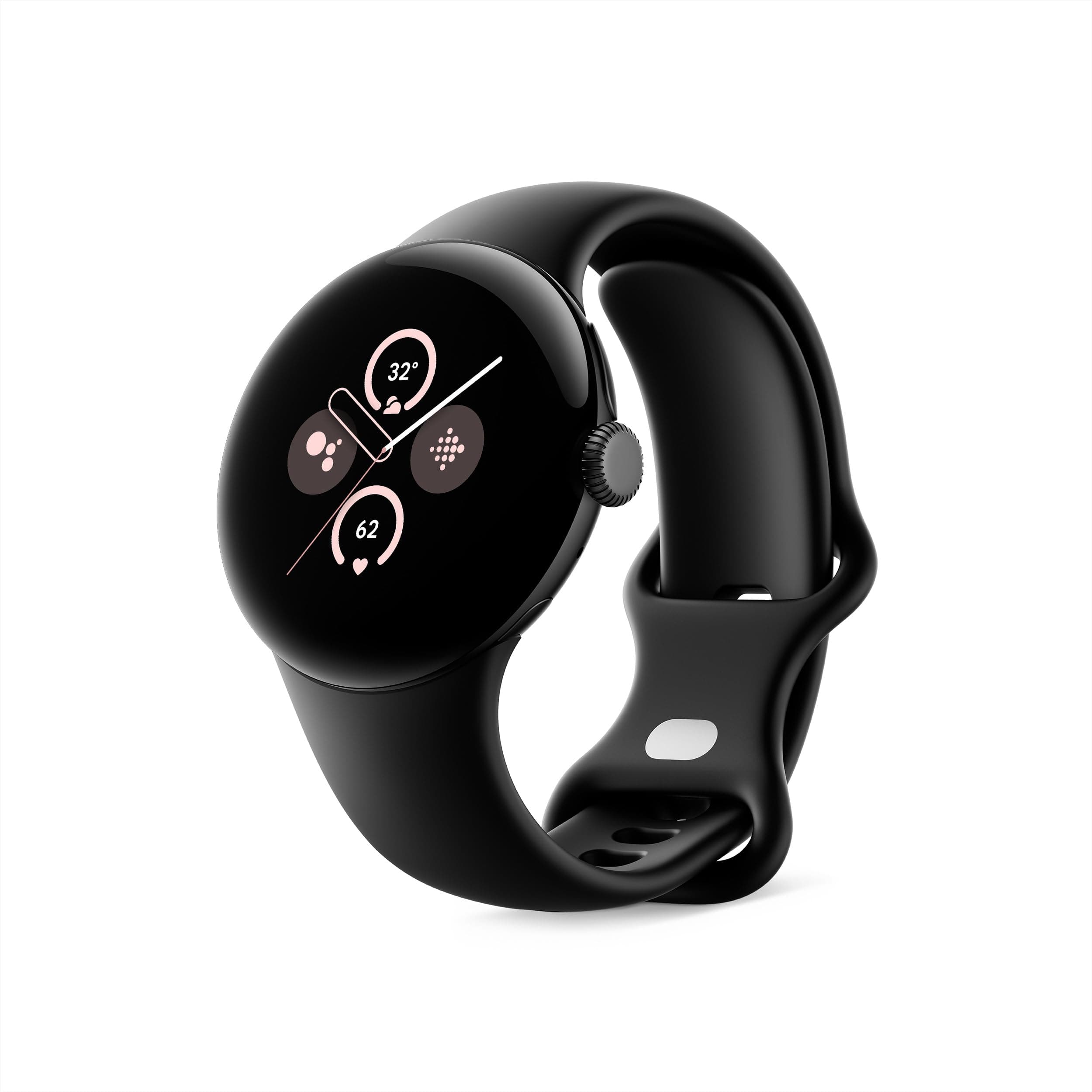
The Google Pixel Watch 2 opts for a distinctive, minimalist glass-dome aesthetic. The case is constructed from 100% recycled light aluminum, which makes the watch exceptionally lightweight and comfortable to wear overnight for sleep analysis. At 41 mm across, it presents a noticeably smaller profile on the wrist than the 45 mm Garmin Venu 3, which appeals to anyone who dislikes bulky timepieces.
Advanced Sensing Suite and Safety Tools
Underneath the smooth curved glass, the Pixel Watch 2 houses three advanced sensors dedicated to monitoring heart rate, skin temperature variations, and body-response stress markers. Google combined its all-new multi-path optical heart rate sensor with Google AI processing to yield Fitbit's most accurate heart rate tracking to date, particularly during high-intensity interval training where abrupt wrist movements often scramble optical sensors.
For health monitoring, the watch includes an ECG app to assess heart rhythm for signs of atrial fibrillation (AFib), alongside blood oxygen saturation (SpO2) readings and continuous skin temperature monitoring to help flag potential illness early. Stress management is handled via continuous electrodermal activity (cEDA) tracking, which prompts you in real time to log your emotional state and try guided breathing exercises when physical stress spikes are detected.
Safety features are equally robust. The device offers Emergency SOS, Fall Detection, and a dedicated Safety Check feature. Safety Check lets you set an operational timer (for instance, when walking home late at night); if you do not check in before the timer expires, the watch automatically broadcasts your live location to trusted emergency contacts.
Daily Performance and Charging Cycle
Running full-fledged Wear OS means the Pixel Watch 2 functions as a mini-smartphone companion. You can query Google Assistant natively, navigate turn-by-turn with Google Maps, make contactless purchases using Google Wallet, and download third-party apps directly from the Google Play Store.
The trade-off for this level of compute power is battery life. The Pixel Watch 2 delivers an enhanced 24-hour battery runtime even with the always-on display engaged. While an upgrade over earlier generations, it still means charging is part of your daily routine. A fast-charging cable brings the battery from empty to a full day's charge in about 75 minutes.
Direct Comparison: How They Perform Side by Side
1. Fitness Analytics and Health Monitoring
Both watches offer exceptional health tracking, but they frame your data differently. Garmin focuses heavily on athletic recovery, training readiness, and long-term energy conservation. The Venu 3 tells you how hard you worked out, how well you rested, and precisely how much physical effort you should exert today without burning out. None of these insights sit behind a paywall.
The Pixel Watch 2 relies on Fitbit's software infrastructure. It excels at real-time stress detection, heart rate precision, and automated workout detection. Features like Auto Workout mode, Heart Zone Training, and real-time Pace Training give runners instant feedback on performance. However, accessing deeper historical analytics, monthly trend reports, and advanced sleep breakdown metrics within the Fitbit app requires an ongoing Fitbit Premium subscription after the initial trial period.
2. Smart Features and Ecosystem Depth
If app availability and smart features top your priority list, the Pixel Watch 2 takes a clear lead. Native Google Assistant voice control feels fast and responsive, allowing you to control smart home devices, set reminders, and dictate messages instantly. The Wear OS Play Store offers rich third-party tools for music streaming, productivity, and travel.
The Garmin Venu 3 handles core smart needs reliably—delivering notifications, supporting Garmin Pay, playing cached offline playlists from Spotify or Deezer, and relaying phone calls via its speaker. But its Connect IQ app store is basic compared to Wear OS, and it cannot match the fluid, app-rich user interface of Google's operating system.
3. Battery Life and Maintenance Realities
This is where the user experience diverges dramatically. The Pixel Watch 2 requires a daily charging strategy. To utilize its sleep tracking and continuous stress sensors, you must plan a 75-minute charging block every single day, such as while taking a shower or sitting at your desk.
The Garmin Venu 3 completely removes daily battery anxiety. With up to 14 days of life in smartwatch mode, you can go on a week-long vacation, track daily runs via onboard GPS, wear it to sleep every night, and still return home with battery percentage to spare. For travelers, endurance athletes, or anyone prone to forgetting charging pucks, Garmin holds a decisive advantage.
Alternatives to Consider
If neither of these two models perfectly matches your budget or feature requirements, consider these distinct alternative directions:
- For Pure iOS Users: If you use an iPhone, the Pixel Watch 2 is off the table, as Wear OS requires an Android device. While the Garmin Venu 3 works smoothly across both iOS and Android platforms, Apple device owners seeking rich app integration should evaluate dedicated watchOS wearables.
- For Android Budget Seekers: If you want reliable fitness tracking, daily Google integration, and safety capabilities without spending premium mid-range prices, keeping an eye on earlier-generation or base-tier Wear OS models can deliver solid value.
For buyers focused strictly on the core matchup, both featured timepieces offer distinct, high-quality experiences:
Explore the Garmin Venu 3 on Amazon
Explore the Google Pixel Watch 2 on Amazon
Final Verdict: Which Smartwatch Should You Choose?
Choosing between these two timepieces comes down to whether you prioritize battery independence or smart ecosystem depth.
The Google Pixel Watch 2 is the ideal pick for Android users who want a sleek, compact companion watch. Its light recycled aluminum body, accurate heart rate algorithms boosted by Google AI, continuous cEDA stress tracking, AFib ECG monitoring, and safety check timers make it an outstanding daily helper—provided you don't mind charging it daily.
The Garmin Venu 3 takes our top overall recommendation for most users. Its 45 mm case size fits comfortably on a wide range of wrists, its AMOLED display looks crisp, and its comprehensive Body Battery and Sleep Coach recovery tools operate subscription-free. Crucially, its ability to run up to 14 days on a single charge delivers a hassle-free wearable experience that pure smartwatches simply cannot match.
Check current price on Amazon for our top pick, the Garmin Venu 3