As an Amazon Associate I earn from qualifying purchases. This page contains affiliate links, and I may earn a commission at no extra cost to you.
It's August 2026, and the world of educational toys continues to evolve at a breathtaking pace. Yet, some foundational tools remain timeless, constantly adapting to keep pace with new pedagogical approaches and digital integrations. Among these, LEGO Education sets hold a unique position, offering tangible, hands-on experiences that seamlessly blend play with serious learning. Today, we're pitting two distinct, yet equally valuable, LEGO Education offerings against each other: the LEGO Education BricQ Motion Essential Set and the more advanced LEGO Mindstorms Robot Inventor Set. Both promise to foster critical STEM skills, but they do so through entirely different lenses, targeting different age groups and learning objectives.
Choosing the right LEGO Education set isn't just about picking what looks fun; it's about aligning the tool with the learner's developmental stage, interests, and the specific STEM concepts you want to reinforce. Whether you're a parent trying to give your child an edge, an educator seeking engaging classroom resources, or simply an enthusiast looking for a challenging build, understanding the nuances between these sets is crucial. Let's break down what each offers, where they shine, and who stands to benefit most.
LEGO Education BricQ Motion Essential Set: The Foundations of Physics in Motion
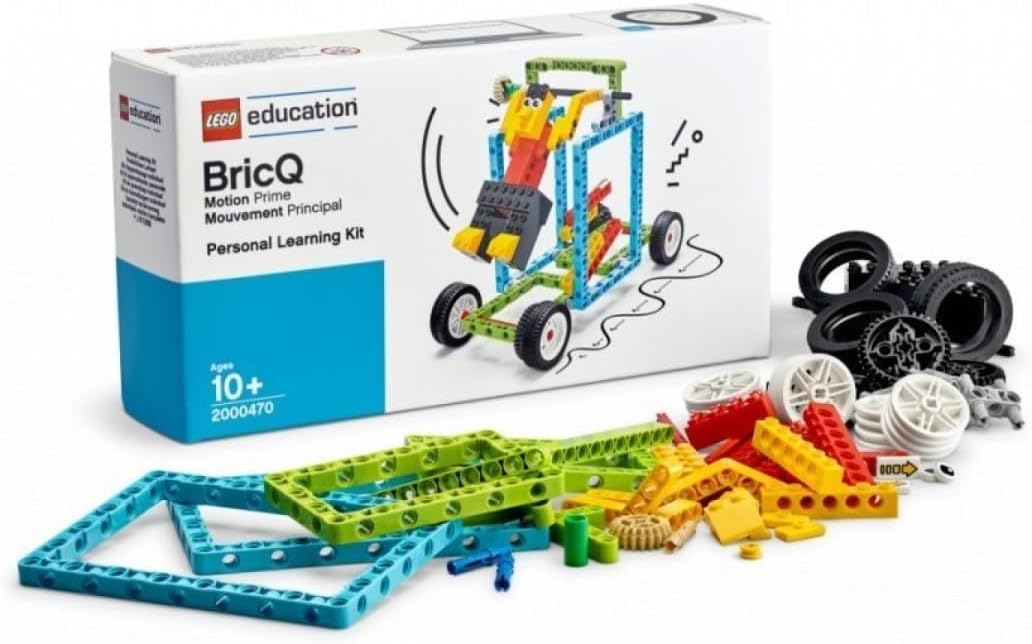
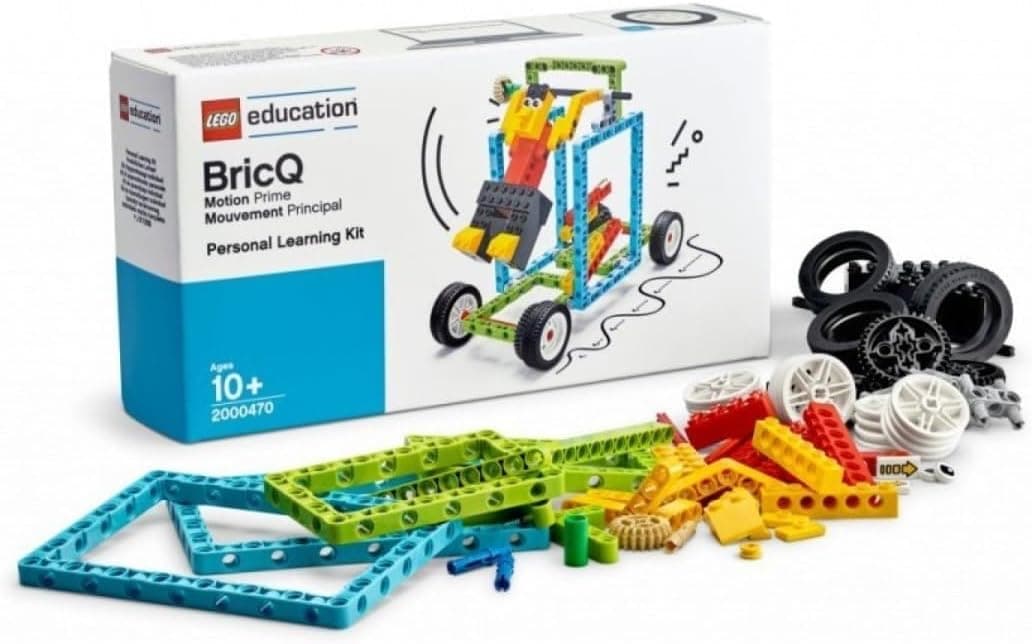
The LEGO Education BricQ Motion Essential Set takes a refreshingly analog approach to STEM learning. There are no wires, no batteries, and no coding required here. Instead, this set is all about exploring physical science principles through hands-on experimentation. Think forces, motion, energy, and simple machines – levers, gears, pulleys – all brought to life with familiar LEGO bricks, cleverly designed elements, and sturdy building instructions.
Design and Build Quality
True to LEGO's reputation, the BricQ Motion Essential set feels incredibly robust. The pieces are the classic, high-quality plastic bricks we've come to expect, designed to withstand countless hours of building, rebuilding, and experimenting. What sets it apart are the specialized elements: gears, weighted bricks, springs, and measuring components that are integral to its educational purpose. The color palette is bright and engaging, making it appealing to younger learners, typically ages 6-10. The storage box is a thoughtful addition, helping keep all the pieces organized – a real sanity-saver for parents and teachers alike.
Key Features and Educational Focus
This set’s genius lies in its simplicity and directness. It encourages inquiry-based learning, where kids build models and then observe, predict, and explain the physics at play. For instance, they might construct a race car to investigate speed and friction, or a catapult to study potential and kinetic energy. The included teaching materials, which are a cornerstone of LEGO Education products, provide structured lesson plans aligned with various educational standards. These lessons guide students through experiments, asking critical thinking questions and prompting discussions. The 'essential' in its name truly reflects its focus on foundational scientific concepts, making abstract ideas like force and acceleration feel concrete and understandable.
Performance in Practice
Based on extensive feedback from educators and parents, the BricQ Motion Essential excels at what it sets out to do: making elementary physics genuinely fun and accessible. Children are naturally drawn to building, and the immediate cause-and-effect of their constructions (e.g., changing a gear ratio to see how it affects speed) provides instant feedback and reinforces learning. The absence of screens means kids are fully engaged with the physical world, manipulating objects and developing fine motor skills alongside critical thinking. For a classroom setting, the structured lessons and ease of use are a huge plus, minimizing setup time and maximizing learning engagement.
Value Proposition
At its price point, typically in the mid-range for educational toys, the BricQ Motion Essential offers significant value. It's an investment in understanding fundamental STEM principles that are vital for future learning. The durability of the LEGO components ensures a long lifespan, and the open-ended nature of the bricks means it can be repurposed for countless other creative builds long after the structured lessons are complete. While it lacks the flashy tech of its robotic counterparts, its focus on core scientific literacy makes it a truly worthwhile educational tool.
LEGO Mindstorms Robot Inventor Set: The Future of Robotics and Coding
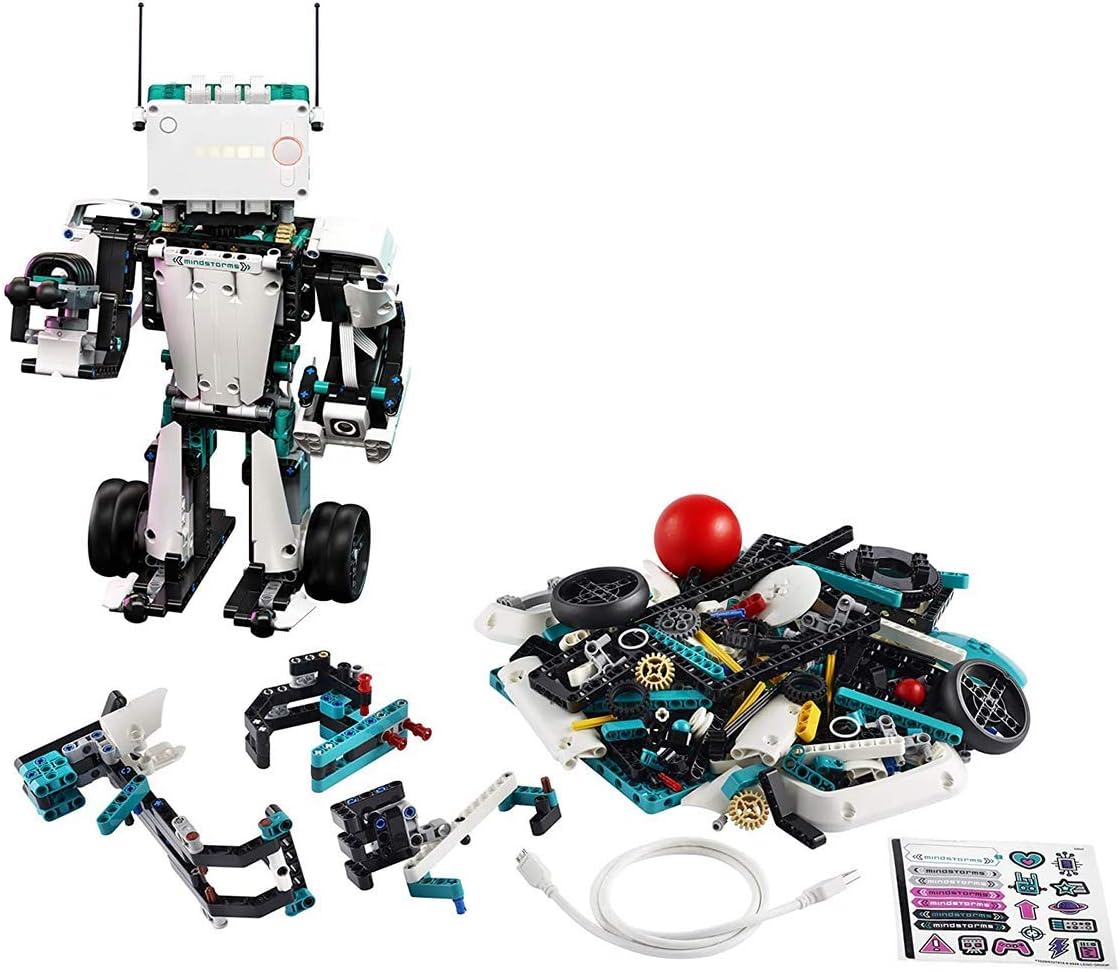
Stepping into a different league entirely, the LEGO Mindstorms Robot Inventor Set is a powerful platform for teaching robotics, engineering, and advanced coding concepts. This is where LEGO bricks meet programmable brains, motors, and sensors, enabling the creation of intelligent, interactive machines. It's designed for slightly older children and teens, typically ages 10 and up, who are ready to dive into more complex problem-solving and computational thinking.
Design and Build Quality
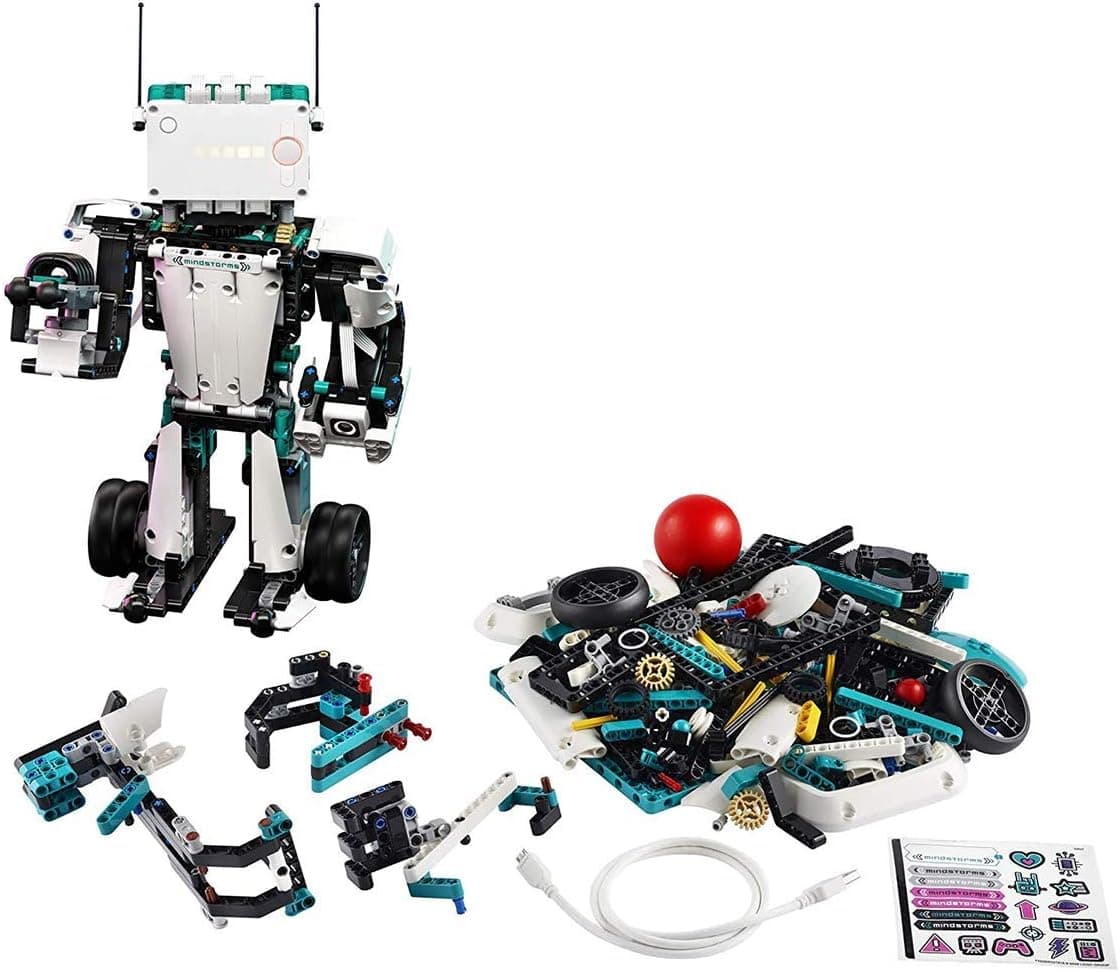
The Mindstorms Robot Inventor set integrates a significant technological leap with the familiar LEGO System. The core of the set is the Intelligent Hub, a small programmable brick equipped with a 6-axis gyro/accelerometer, a speaker, an LED matrix, and Bluetooth connectivity. This hub controls four medium motors and connects to two specialized sensors: a color sensor that can distinguish eight colors and detect ambient light, and a distance sensor that measures proximity. The set also includes over 500 versatile Technic elements, allowing for complex mechanical designs. The builds are intricate and satisfying, resulting in impressive, functional robots like the 'Blast' humanoid robot or 'Charlie' the helper bot. While the plastic quality is still top-notch, managing the cables for the motors and sensors requires a bit more care during construction.
Key Features and Educational Focus
Mindstorms Robot Inventor is a masterclass in interdisciplinary STEM education. It introduces users to the world of robotics engineering, from mechanical design and construction to electrical connections and software programming. The accompanying app, available for various devices, offers a drag-and-drop, Scratch-based coding environment that is intuitive for beginners but powerful enough for advanced projects. For those ready for more, the app also supports Python coding. This dual-language approach makes it incredibly versatile. Learners program their robots to perform tasks, navigate obstacles, respond to commands, and even interact with their environment, effectively learning about control systems, algorithms, and debugging in a hands-on way. The set comes with instructions for five distinct robot models, each designed to teach different programming concepts and engineering principles.
Performance in Practice
Feedback indicates that the Mindstorms Robot Inventor is an incredibly engaging and effective tool for teaching robotics and coding. The challenge level is just right for its target age group, offering enough complexity to be stimulating without being overwhelmingly difficult. Kids love seeing their code translate into real-world robot actions, and the creative possibilities for custom robot designs are virtually endless. The ability to switch between Scratch and Python is a significant advantage, allowing for a natural progression in coding proficiency. While the app itself is generally user-friendly, some users report occasional connectivity quirks with the Bluetooth, which can sometimes interrupt the flow of experimentation. However, these are typically minor frustrations in an otherwise robust experience.
Value Proposition
Priced at the premium end of educational toy spectrum, the Mindstorms Robot Inventor is a substantial investment. However, its capabilities justify the cost. It's not just a toy; it's a comprehensive robotics platform that can genuinely prepare a learner for future studies in engineering, computer science, or automation. The combination of hardware and software, coupled with the rich educational content, means years of potential learning and creative exploration. Compared to other educational robotics kits, Mindstorms often stands out for its deep integration with the LEGO building system, allowing for unparalleled customization and expansion with existing LEGO collections. It truly empowers aspiring inventors to bring their robotic visions to life.
Direct Comparison: BricQ Motion Essential vs. Mindstorms Robot Inventor
While both sets proudly wear the LEGO Education badge and aim to develop STEM skills, their approaches are fundamentally different. It's less about which one is 'better' and more about which one is 'right' for a specific learner or educational objective.
Key Differences at a Glance
| Feature | LEGO Education BricQ Motion Essential | LEGO Mindstorms Robot Inventor | Buy |
|---|---|---|---|
| Main Focus | Physical science (forces, motion, energy) | Robotics, coding, engineering | |
| Age Range | Ages 6-10 | Ages 10+ | |
| Components | Classic LEGO bricks, gears, levers, weighted elements, springs | Intelligent Hub, motors, sensors (color, distance), Technic bricks | |
| Coding Required | No (purely mechanical) | Yes (Scratch-based, Python) | |
| Digital Integration | Curriculum guides, activity ideas (printable/digital) | Dedicated app for building, coding, and remote control | |
| Complexity | Foundational, hands-on mechanical builds | Advanced, programmable robotic systems | |
| Price Band | Mid-range | Premium | |
| Verdict | Excellent for concrete physics learning | Superb platform for aspiring roboticists | Check today's price on Amazon |
| Buy Now | Check today's price on Amazon | Check today's price on Amazon |
Learning Outcomes and Pedagogical Approach
The BricQ Motion Essential is ideal for developing an intuitive understanding of physics. It fosters observation skills, hypothesis formation, and basic data analysis through direct manipulation. The learning is very much grounded in the physical world, making it perfect for tactile learners and those just starting their STEM journey. It's about seeing how a lever works or how friction slows a cart down, building that foundational knowledge without the abstraction of code.
The Mindstorms Robot Inventor, on the other hand, pushes learners into computational thinking, algorithmic design, and systems integration. Kids learn to break down complex problems into smaller, manageable steps (decomposition), recognize patterns, and think logically about cause and effect in a programmed sequence. The learning is more abstract, requiring a conceptual leap into how software interacts with hardware, but the reward is seeing a robot come to life and execute your commands. It's a stepping stone into programming and advanced engineering.
Who Should Buy Which Set?
- For the Budding Scientist (Ages 6-10): If you have a child who loves to figure out how things work, enjoys building, and is curious about the physical world, the LEGO Education BricQ Motion Essential Set is an outstanding choice. It's fantastic for hands-on, screen-free learning about forces, motion, and energy, building a strong scientific foundation before diving into coding. It's also an excellent option for elementary school classrooms.
- For the Aspiring Engineer or Coder (Ages 10+): For older kids and teens who are ready for a challenge, have an interest in robotics, or want to learn to code in a tangible way, the LEGO Mindstorms Robot Inventor Set is clearly the way to go. It offers a sophisticated platform for building and programming complex robots, fostering advanced problem-solving, and introducing real-world engineering concepts. It's perfect for middle schoolers, high school robotics clubs, or dedicated home learners.
Alternatives to Consider
While the LEGO Education sets are superb, other options exist depending on your specific focus or budget. Here are a couple of well-regarded alternatives:
For Analog Physics & Engineering (Non-LEGO): Thames & Kosmos Physics Workshop
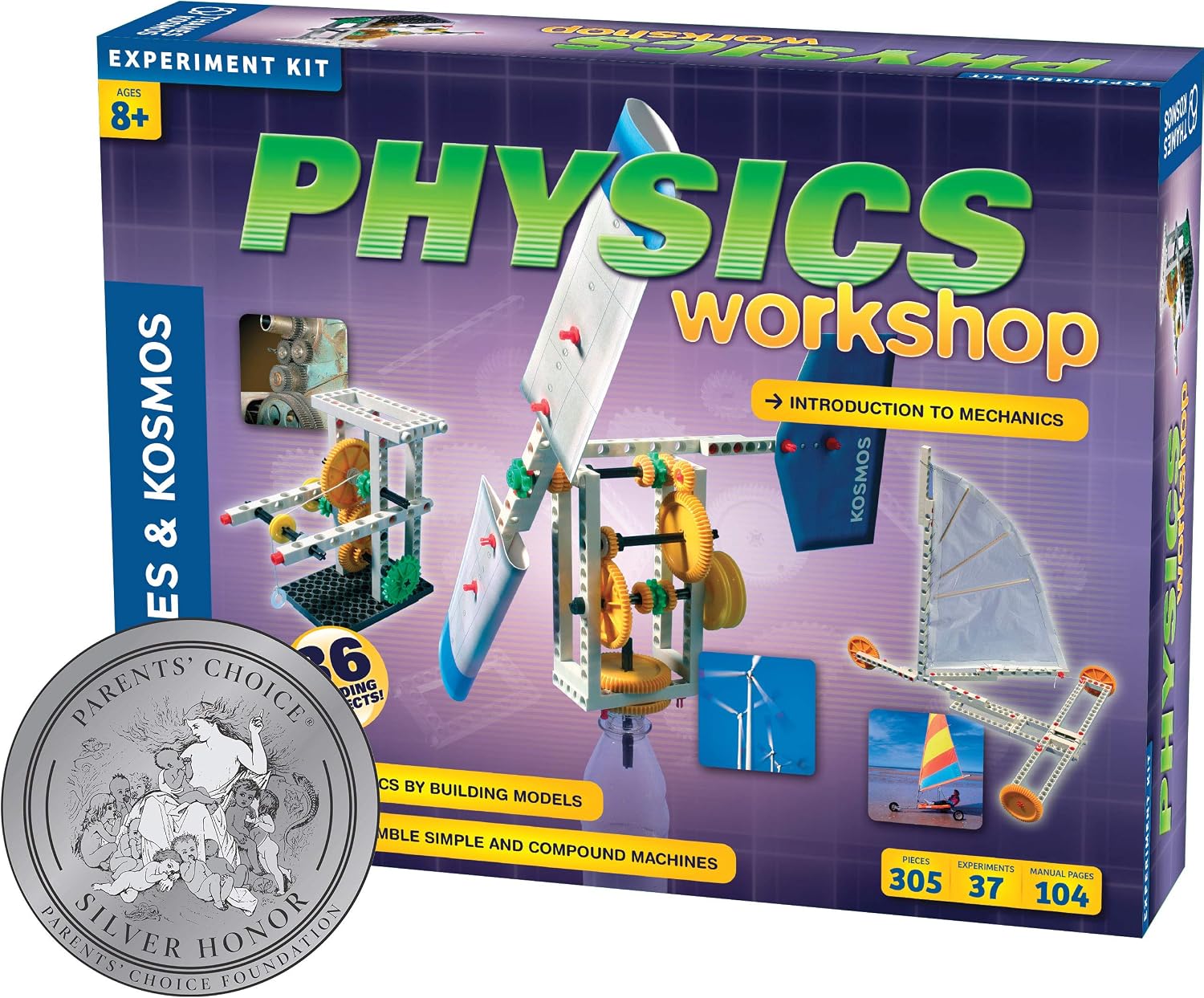
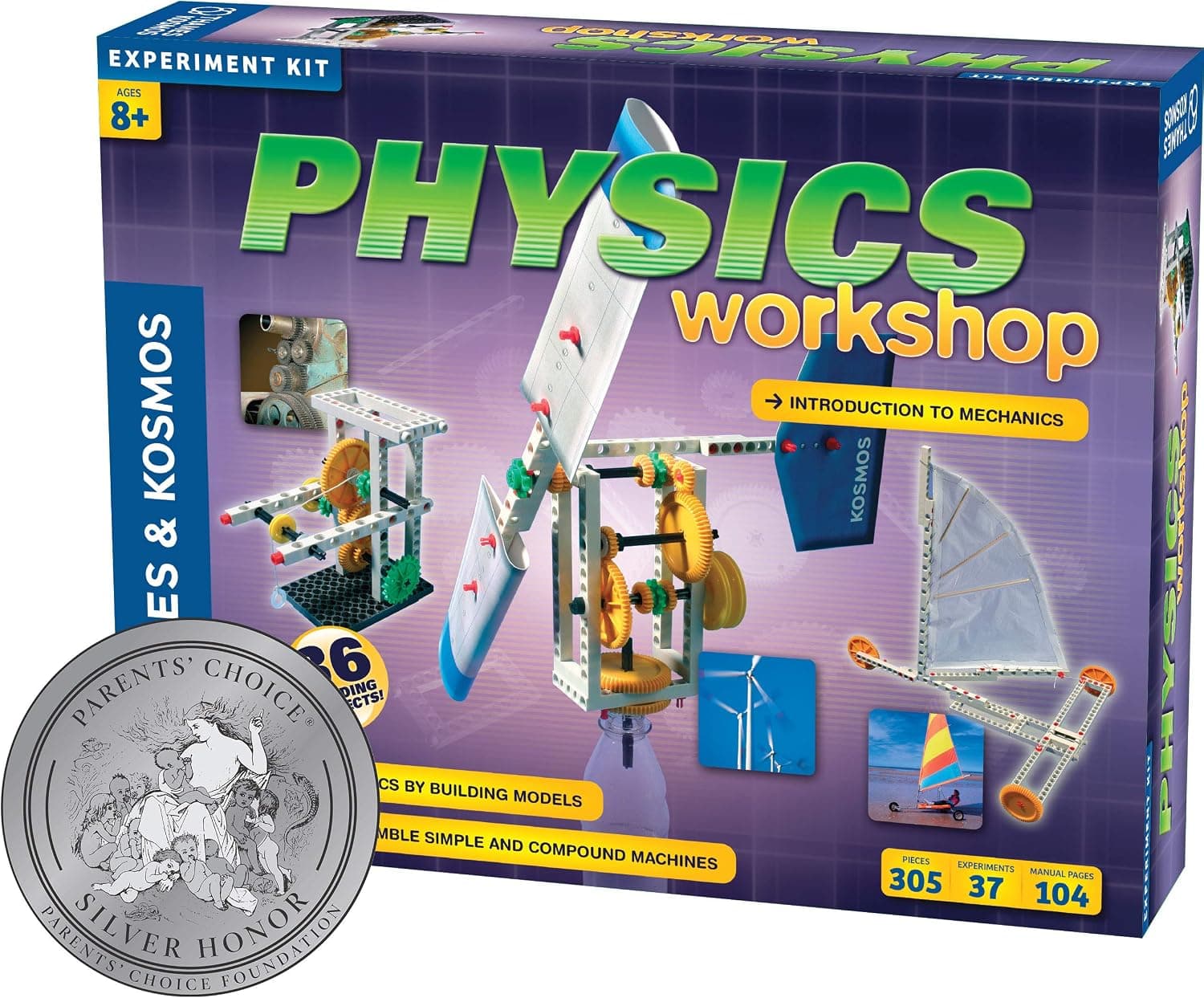
If you're looking for a comprehensive, non-LEGO-based kit that delves deep into physics and engineering principles, the Thames & Kosmos Physics Workshop is an excellent contender. It offers 30 experiments and builds covering mechanics, hydraulics, pneumatics, and more, using a diverse set of construction components. It’s fantastic for a hands-on approach similar to BricQ Motion, but with a different aesthetic and often a slightly older recommended age range due to its detailed scientific explanations. It's great for kids who appreciate scientific models and experiments that go beyond simple play.
For Entry-Level Robotics & Coding (Different Form Factor): Sphero BOLT App-Enabled Robotic Ball
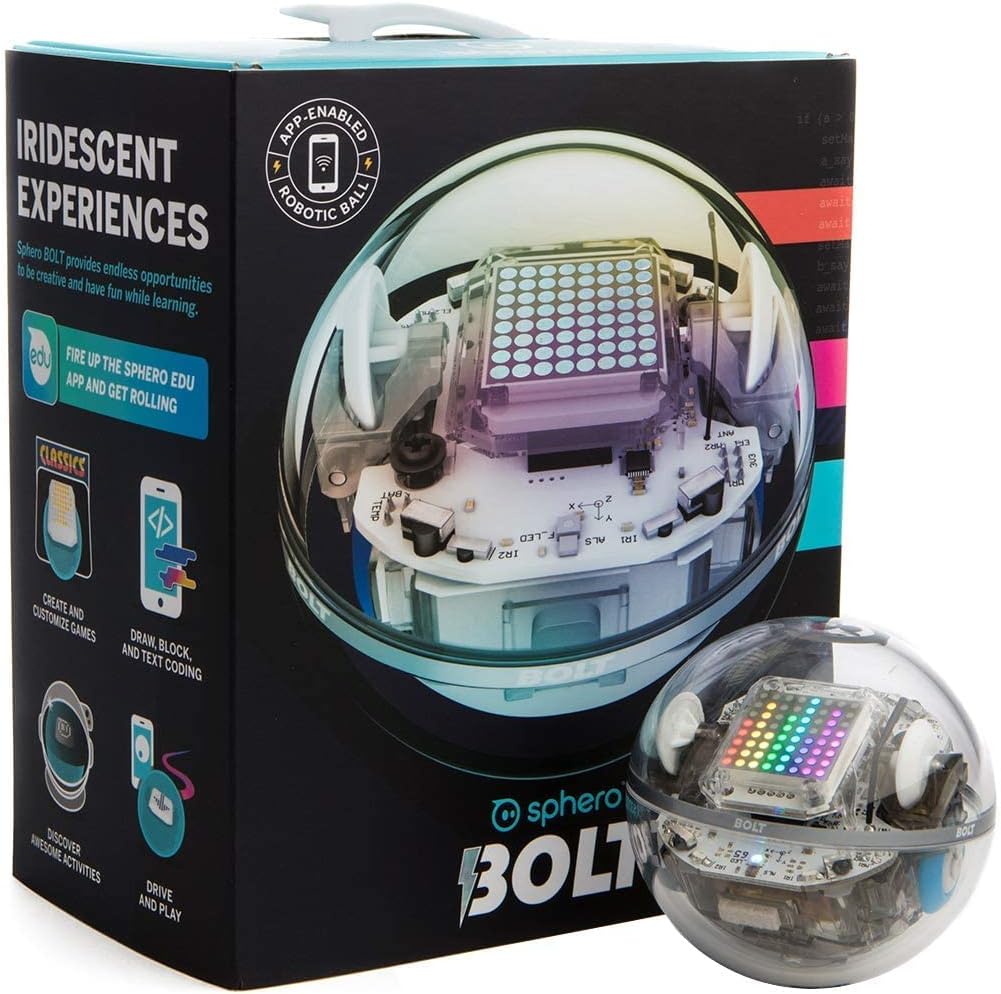
For a different take on programmable robotics, the Sphero BOLT App-Enabled Robotic Ball offers a unique entry point into coding and robotics. This durable, transparent robotic sphere can be programmed using a Scratch-like block interface or JavaScript, and it features an 8x8 LED matrix, an infrared sensor, a light sensor, and a gyroscope/accelerometer. It's highly engaging for kids who enjoy screen-based coding with immediate physical feedback, and its spherical design allows for different types of movement and interactions than a wheeled LEGO robot. It's a fantastic choice for classrooms or individual learners looking for a compact, versatile coding robot.
Verdict
Both the LEGO Education BricQ Motion Essential and the LEGO Mindstorms Robot Inventor sets are exceptional tools for STEM education, each brilliantly serving its intended audience. Our top pick, however, leans towards the more expansive and future-proof capabilities of the Mindstorms platform. While BricQ Motion lays an invaluable foundation, the Mindstorms Robot Inventor offers a direct pathway into the computational thinking and engineering skills increasingly demanded in our modern world.
For a truly transformative experience in robotics and coding, the LEGO Mindstorms Robot Inventor Set stands out as the ultimate choice for fostering advanced STEM literacy in aspiring innovators.