As an Amazon Associate I earn from qualifying purchases. This page contains affiliate links, and I may earn a commission at no extra cost to you.
The Promise of Screen-Free AI for Kids
It's August 2026, and the digital landscape for kids feels more crowded than ever. Parents are increasingly looking for ways to reduce screen time without sacrificing the educational or developmental benefits that modern technology can offer. This is where screen-free AI toys step in, promising a new frontier: smart, interactive learning and entertainment without the glowing rectangle. But what exactly does an 'AI toy' mean when there's no screen to display its intelligence, and do these products genuinely deliver on the hype?
We're talking about toys that listen, respond, teach, and adapt, all through voice, physical interaction, or cleverly curated audio. They aim to foster curiosity, enhance language skills, and even introduce basic coding concepts, all while keeping young eyes off screens. It's a fantastic idea, but the execution varies wildly. Let's dig into some of the most prominent options currently available and see which ones are actually worth your hard-earned cash.
Roybi Robot: The Dedicated AI Educator
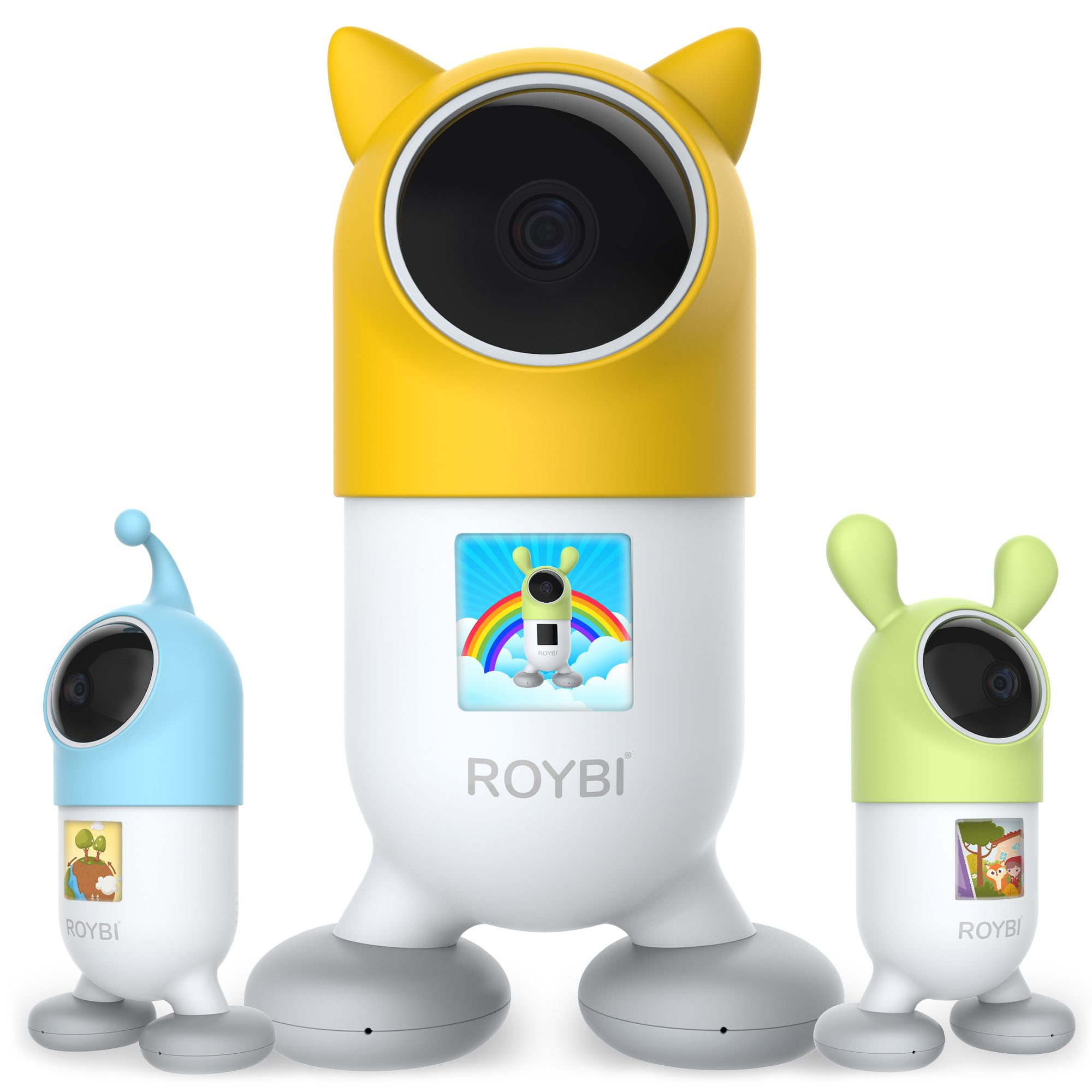
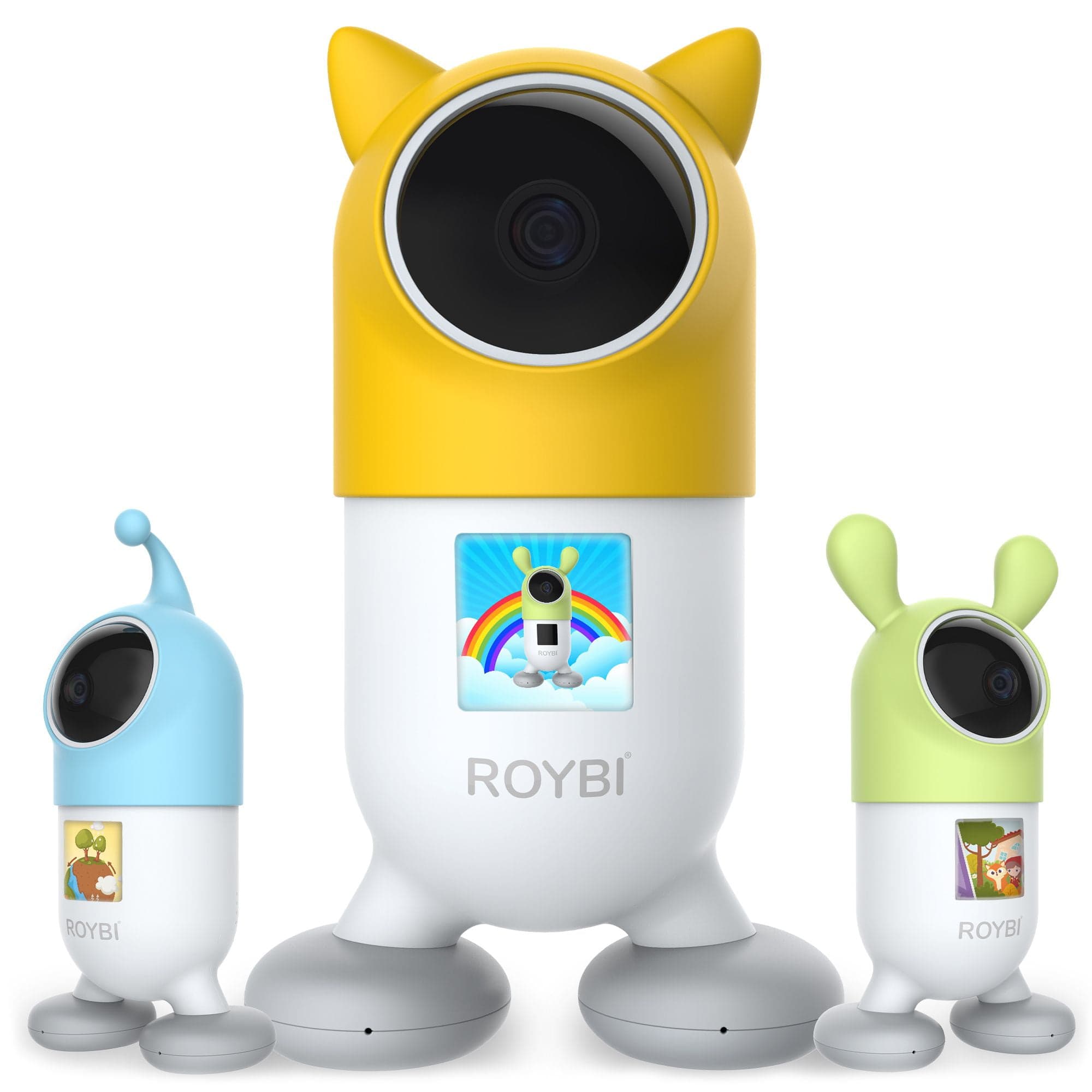
If you're looking for a toy that truly embodies the 'AI' part of screen-free AI for kids, the Roybi Robot is probably the first name that comes to mind. This little robot is designed from the ground up to be an educational companion, leveraging AI to personalize lessons and interact with children. It's an ambitious project, and for the most part, it pulls it off.
Design and Build
The Roybi Robot is compact and kid-friendly, roughly the size of a small melon. Its smooth, durable plastic shell feels robust enough to withstand typical drops and bumps from energetic toddlers and preschoolers. There are no sharp edges or small parts to worry about, making it safe for younger users (typically ages 3-7). It features a friendly face with simple, expressive lights and a single speaker, maintaining its screen-free ethos. The charging port is usually USB-C, a welcome modern convenience, but confirm current models for exact details.
Key Features and AI Performance
The core of the Roybi Robot experience is its AI-driven personalized learning. Once set up by a parent via a companion app (yes, the parent needs a screen, but the child doesn't), Roybi accesses a library of over 500 lessons, stories, and songs across various subjects like math, science, language, and even social-emotional skills. The AI aspect isn't about general conversation like a smart speaker; instead, it uses voice recognition to guide children through lessons, ask questions, and provide feedback. It tracks a child's progress and adapts the curriculum to their individual learning pace and interests, which is genuinely smart and a cut above simple pre-recorded responses.
Owners consistently report that the voice recognition is quite good, especially for clear speech, though very young children with developing pronunciation might sometimes struggle. The content is engaging and delivered by a range of characters and voices, preventing monotony. It supports multiple languages (English, Spanish, Mandarin, etc.), which is a huge plus for multilingual families or those looking to introduce a second language early.
Value and Content Model
The Roybi Robot sits in the premium price band, often costing roughly $200-$250, though sales can bring that down. What's crucial to understand is its content model. While the robot comes with a good amount of free content, access to the full, adaptive library often requires a subscription. This isn't unusual for AI-driven educational platforms, but it's an ongoing cost to factor in. The value comes from the personalization and the breadth of content, which can evolve with your child's learning journey.
Who Should Buy the Roybi Robot?
The Roybi Robot is best for parents who are serious about educational screen-free learning and are willing to invest in an AI-powered adaptive curriculum. It shines for preschoolers and early elementary children, particularly those who respond well to structured, interactive lessons and enjoy engaging with a 'robot friend.' If you're looking for a dedicated learning device that intelligently tailors content without a screen, this is your top pick.
Toniebox Starter Set: The Magical Audio Experience
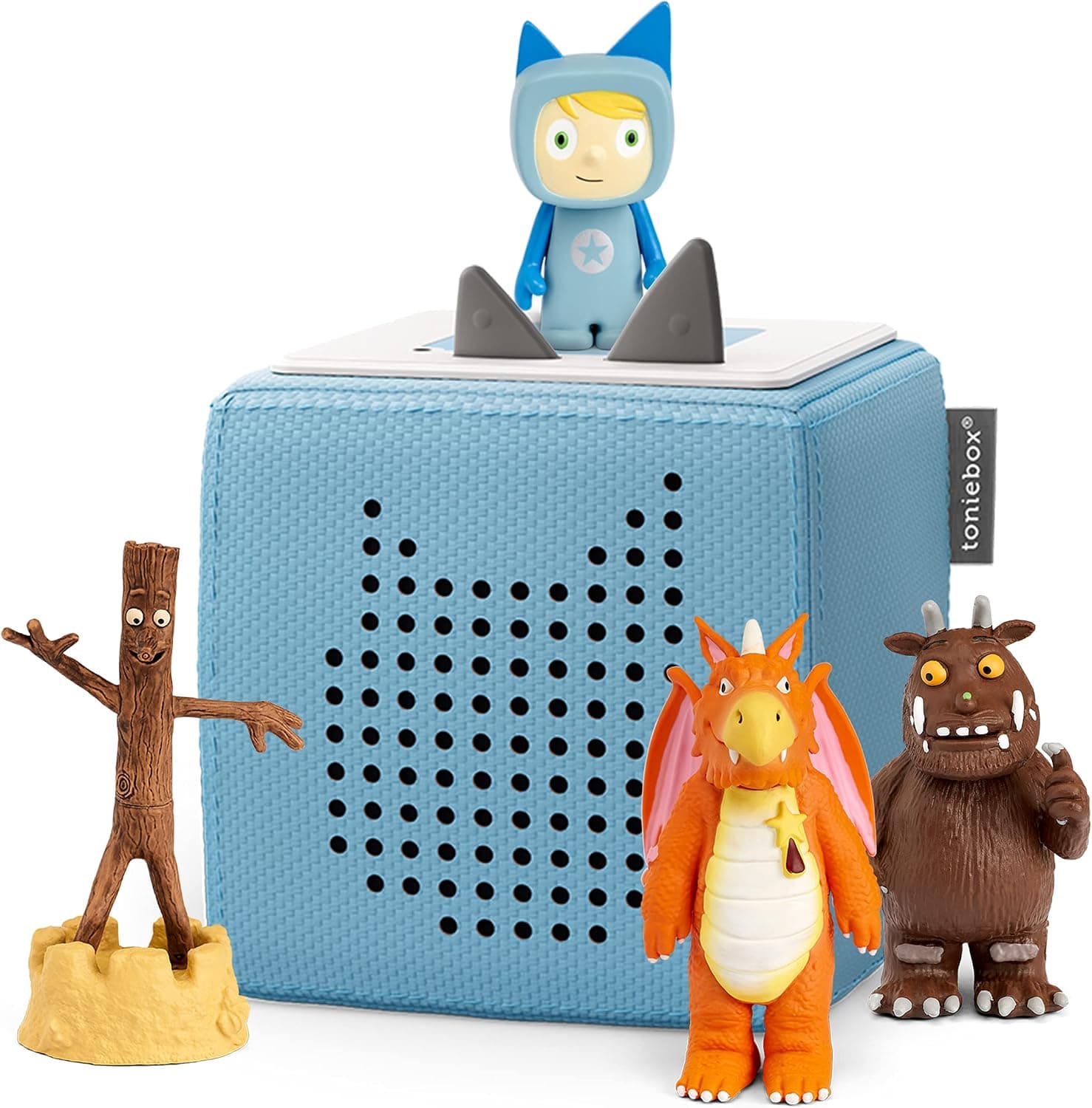
While the Toniebox Starter Set isn't an 'AI robot' in the same vein as Roybi, it absolutely nails the 'screen-free' part and offers a wonderfully intuitive, interactive audio experience that feels almost magical to young children. Its 'smart' factor comes from its NFC-based content delivery and robust parental control.
Design and Build
The Toniebox is an adorable, soft-sided cube, often wrapped in fabric, making it incredibly durable and comforting for small hands. There are no screens, buttons, or complicated interfaces – just two 'ears' for volume control and tapping the sides to skip tracks. Its minimalist design is one of its greatest strengths. It's built for rough and tumble play, and reviews frequently praise its resilience. Charging is via a proprietary magnetic charging pad, which is easy for kids to use.
Key Features and Smart Content Delivery
The genius of the Toniebox lies in its 'Tonies' – hand-painted figures that are placed on top of the box to play audio content. Each Tonie figure contains an NFC chip that tells the Toniebox what story, song, or educational program to play. This physical interaction is fantastic for motor skills and provides a tangible connection to the content. While not 'adaptive AI' in the conversational sense, the parent app allows for extensive content management, including uploading 'Creative Tonies' with your own recordings – a truly personalized touch that can adapt as your child grows.
The content library, purchased separately as individual Tonies, is vast and growing, featuring popular characters, classic stories, and educational series. The audio quality is surprisingly good for a kids' device, clear and warm. It connects to Wi-Fi for initial Tonie setup and content downloads but plays offline once downloaded, which is excellent for travel.
Value and Content Model
The Toniebox Starter Set itself is typically in the $100-$120 range, often coming with one or two Tonies to get started. The ongoing cost is buying additional Tonie figures, which range from $15-$20 each. While this can add up, the figures are collectible and provide a physical media library that kids genuinely cherish. There's no subscription fee for the core Toniebox experience, which is a major advantage for many parents.
Who Should Buy the Toniebox Starter Set?
The Toniebox is ideal for parents seeking a robust, intuitive, and truly screen-free audio player that empowers young children (ages 3-8) to control their own listening experience. It's less about adaptive AI learning and more about fostering imagination, independent play, and a love for stories and music. If you value physical media, durability, and ease of use above all else, the Toniebox is a fantastic choice.
Yoto Player 3rd Gen: The Screen-Free Audio Powerhouse
Another strong contender in the screen-free audio space is the Yoto Player 3rd Gen. Like the Toniebox, it focuses on delivering engaging audio content through physical tokens, but with a few distinct differences that might appeal to slightly older children or those wanting more features.
Design and Build
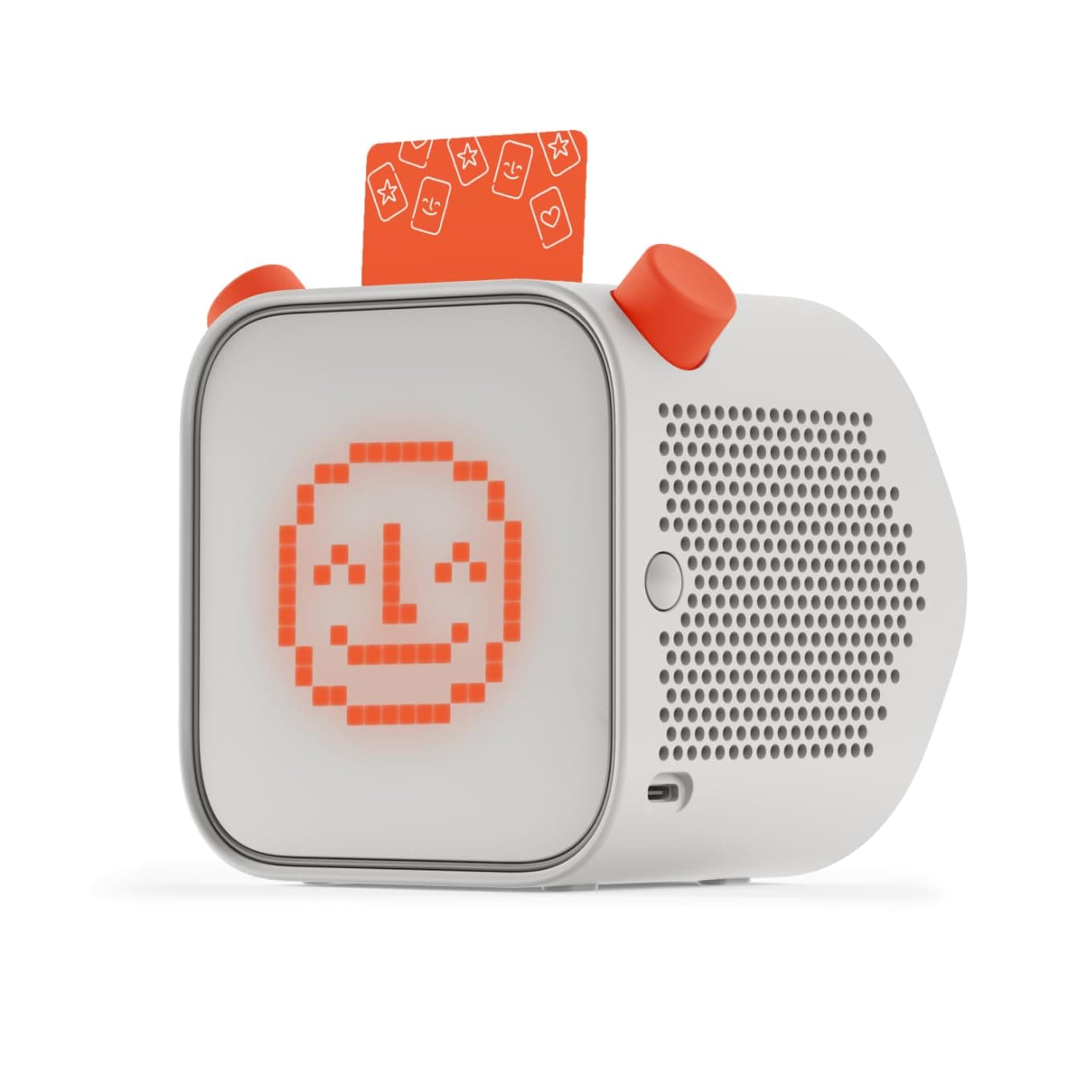
The Yoto Player 3rd Gen (or the more portable Yoto Mini) has a more modern, rectangular design compared to the Toniebox's cube. While it still features child-friendly buttons and a durable plastic construction, it notably includes a low-pixel display. This isn't a 'screen' in the traditional sense – it's a simple pixelated grid that shows playful icons, time, or track numbers, designed not to emit blue light or encourage passive consumption. It's a clever compromise between screen-free purity and useful visual feedback. It charges via USB-C, which is a convenient universal standard.
Key Features and Interactive Audio
Yoto uses 'Yoto Cards' – physical cards inserted into a slot to play stories, music, podcasts, and sound effects. The content library is extensive and curated, ranging from classic Disney tales to educational podcasts and meditations. The Yoto app gives parents full control, allowing them to link cards, set sleep timers, and even create their own 'Make Your Own' cards from MP3s – similar to Toniebox's Creative Tonies.
Where Yoto truly differentiates itself is with its built-in features: it offers free daily podcasts, a radio station, a night light function, and a clock. These additions make it feel more like a versatile media hub for kids rather than just a story player. The audio quality is excellent, with a noticeable improvement in the 3rd Gen model. While it doesn't boast adaptive AI learning like Roybi, its diverse content and interactive nature provide a rich, engaging experience that allows children to explore independently.
Value and Content Model
The Yoto Player 3rd Gen typically retails for around $110-$130, similar to the Toniebox. Yoto Cards generally cost between $8-$15, making them slightly more affordable per piece than Tonies. Crucially, Yoto also offers a subscription service called Yoto Club, which delivers two new cards each month and provides discounts on other purchases, making it a good option for families who want a steady stream of new content. However, the subscription is entirely optional, and there's plenty of free content and individual card purchases available.
Who Should Buy the Yoto Player 3rd Gen?
The Yoto Player 3rd Gen is an excellent choice for parents looking for a feature-rich, screen-free audio player for children aged 3-10. Its pixel display offers just enough visual cues without being a full screen, and its integrated podcasts, radio, and nightlight add significant value. If you appreciate a broader range of content beyond just stories and prefer the flexibility of USB-C charging and an optional subscription model for new content, the Yoto Player is a compelling alternative to the Toniebox.
Comparison Table: Screen-Free Smart Toys
| Product | Key Features | Price Band | Verdict | Buy |
|---|---|---|---|---|
| Roybi Robot | AI-powered personalized learning, voice recognition, adaptive curriculum, multi-language support. | Premium ($200+) | The best option for genuinely adaptive, AI-driven educational content without a screen for the child. | Check today's price on Amazon |
| Toniebox Starter Set | Physical 'Tonies' for audio content, intuitive tap control, durable, no screen, great for imaginative play. | Mid-range ($100-$120) | Perfect for young children who thrive on tactile interaction and independent story/music control. | Check today's price on Amazon |
| Yoto Player 3rd Gen | Physical 'Yoto Cards,' low-pixel display, free daily podcasts/radio, night light, USB-C charging. | Mid-range ($110-$130) | A feature-packed audio player offering more visual feedback and built-in extras than the Toniebox. | Check today's price on Amazon |
How to Choose the Right Screen-Free Smart Toy
Deciding between these excellent screen-free options boils down to what kind of 'smart' you're looking for and for whom. Here's what to consider:
- Focus on Learning vs. Entertainment: If your primary goal is adaptive, personalized education with an AI 'tutor,' the Roybi Robot is unmatched. If you're more interested in fostering a love for stories, music, and independent listening, the Toniebox or Yoto Player will serve you better.
- Age Range: Roybi is primarily aimed at preschoolers and early elementary. The Toniebox is fantastic for toddlers through early elementary. The Yoto Player's broader feature set (podcasts, radio) might give it slightly longer appeal for elementary-aged kids.
- Content Model and Ongoing Costs: Roybi's subscription for its full adaptive curriculum is a recurring expense. Toniebox relies on individual figure purchases (no subscription). Yoto offers individual card purchases and an optional subscription, balancing flexibility with potential savings. Consider which model fits your budget and content consumption habits.
- Interaction Style: Do you want a conversational, responsive 'robot friend' (Roybi), or a tactile, physical interaction with figures/cards (Toniebox/Yoto) where the content plays instantly?
- Visual Cues: If 'absolutely no screen whatsoever' is your mantra, the Toniebox is your purist's choice. If a minimal, non-blue-light pixel display for useful information is acceptable, the Yoto Player expands your options.
Alternatives to Consider
While the Roybi Robot and the audio players cover the main bases for screen-free AI and smart entertainment, there are always other avenues. For instance, if the subscription model of Roybi gives you pause, or if you want something even simpler than the Toniebox, a high-quality audiobook player like the Storypod Starter Set with Craftie offers a similar physical content interaction method. It's a direct competitor to Toniebox and Yoto, using 'Crafties' (yarn figures) that activate stories and songs. It too focuses on enriching audio experiences without screens, maintaining a strong focus on creativity and learning through listening. Its library is also growing rapidly, making it another excellent choice for screen-free audio storytelling.
Verdict
The screen-free AI toy landscape in 2026 is exciting, offering genuine innovation for parents keen to blend technology with traditional play. While the term 'AI' can be a bit broad, products like the Roybi Robot truly leverage adaptive intelligence for personalized learning. For broader screen-free smart entertainment, the Toniebox and Yoto Player continue to dominate with their intuitive, durable designs and rich audio libraries. Ultimately, the Roybi Robot stands out as our top pick for its dedicated AI-driven educational mission, offering a personalized learning journey that no screen-based tablet could truly replicate for focused, distraction-free engagement.
Ready to bring a smart, screen-free companion into your child's world? Find the perfect fit for your family today!