In 2026, getting a smartwatch that can reliably track your health no longer means emptying your wallet. For those who want to keep an eye on their fitness, sleep, and overall well-being without spending a fortune, the budget segment has some surprisingly strong contenders. We've put two of the most popular choices, the Amazfit Active 2 (2026 Edition) and the Samsung Galaxy Watch FE (2026 Edition), head-to-head to help you decide.
These watches are for anyone who prioritizes health monitoring—from step counting and heart rate to sleep analysis—but doesn't need all the advanced, often pricey, features of premium models. We've specifically looked at health tracking accuracy against medical-grade devices and how tied you'll be to a particular app ecosystem.
As an Amazon Associate I earn from qualifying purchases. This page contains affiliate links, and I may earn a commission at no extra cost to you.
Budget Smartwatch Comparison Table (2026)
| Product | Key Spec | Price Band | Verdict | Buy |
|---|---|---|---|---|
| Amazfit Active 2 (2026 Edition) | Advanced BioTracker™ PPG 5.0 sensor, GPS, Zepp OS | Mid-range budget | Strong all-rounder with excellent battery life and broad compatibility. | Check today's price on AmazonFree returns · No extra cost to you · Prices update daily |
| Samsung Galaxy Watch FE (2026 Edition) | Samsung BioActive Sensor, Wear OS, Samsung ecosystem | Mid-range budget | Great for Samsung phone users, good fitness features, but has ecosystem lock-in. | Check today's price on AmazonFree returns · No extra cost to you · Prices update daily |
Amazfit Active 2 (2026 Edition): The Independent Tracker
Design & Build
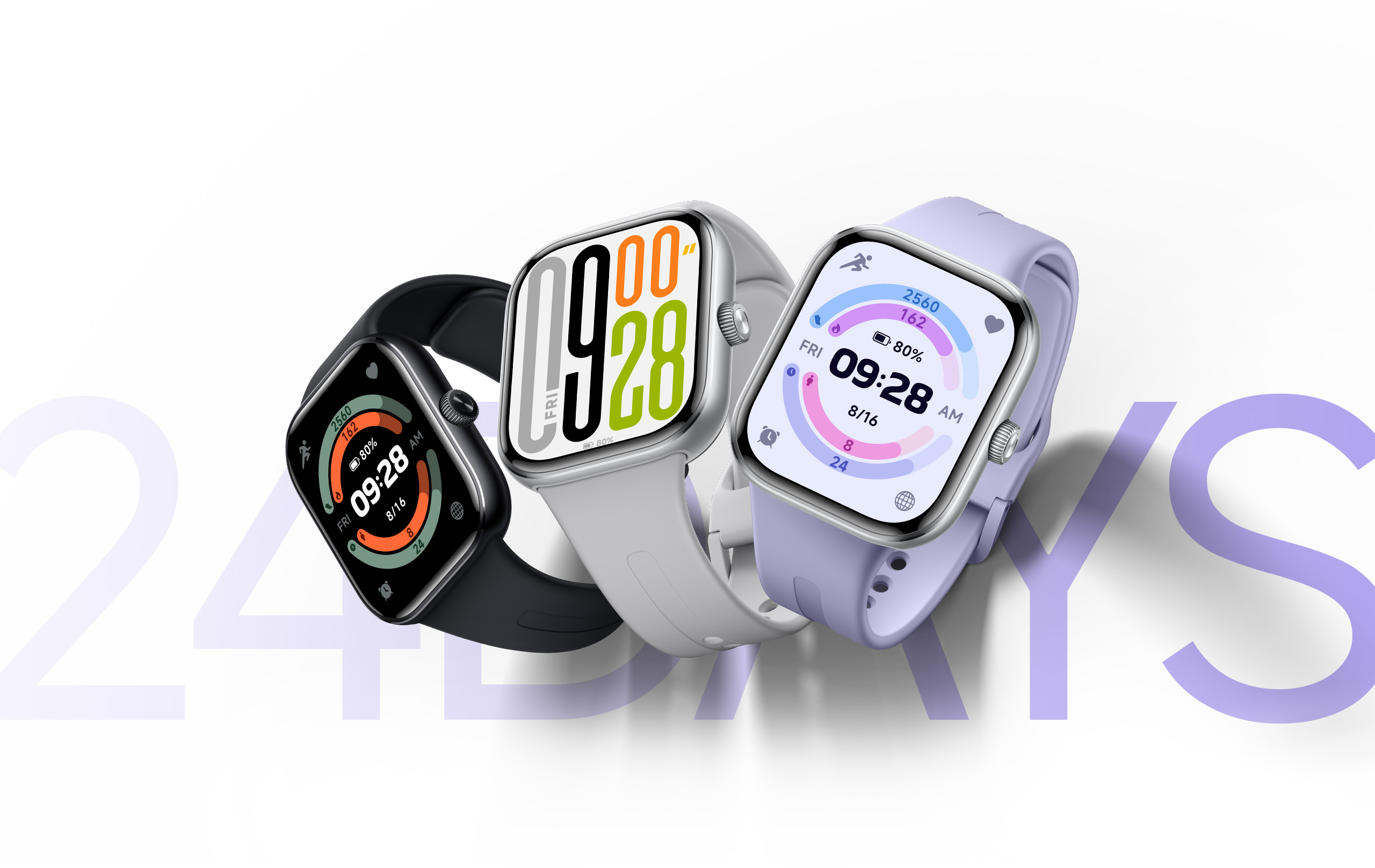
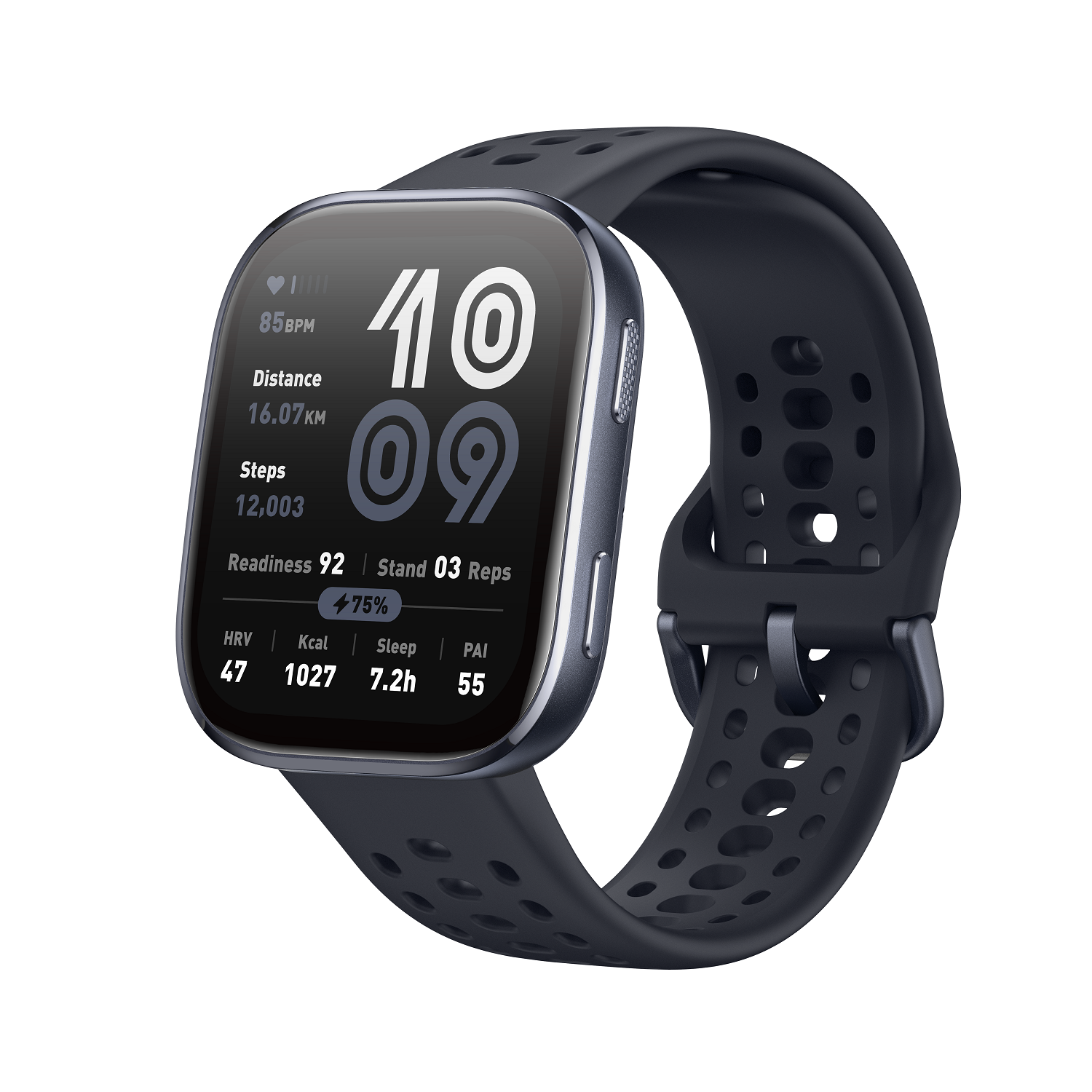
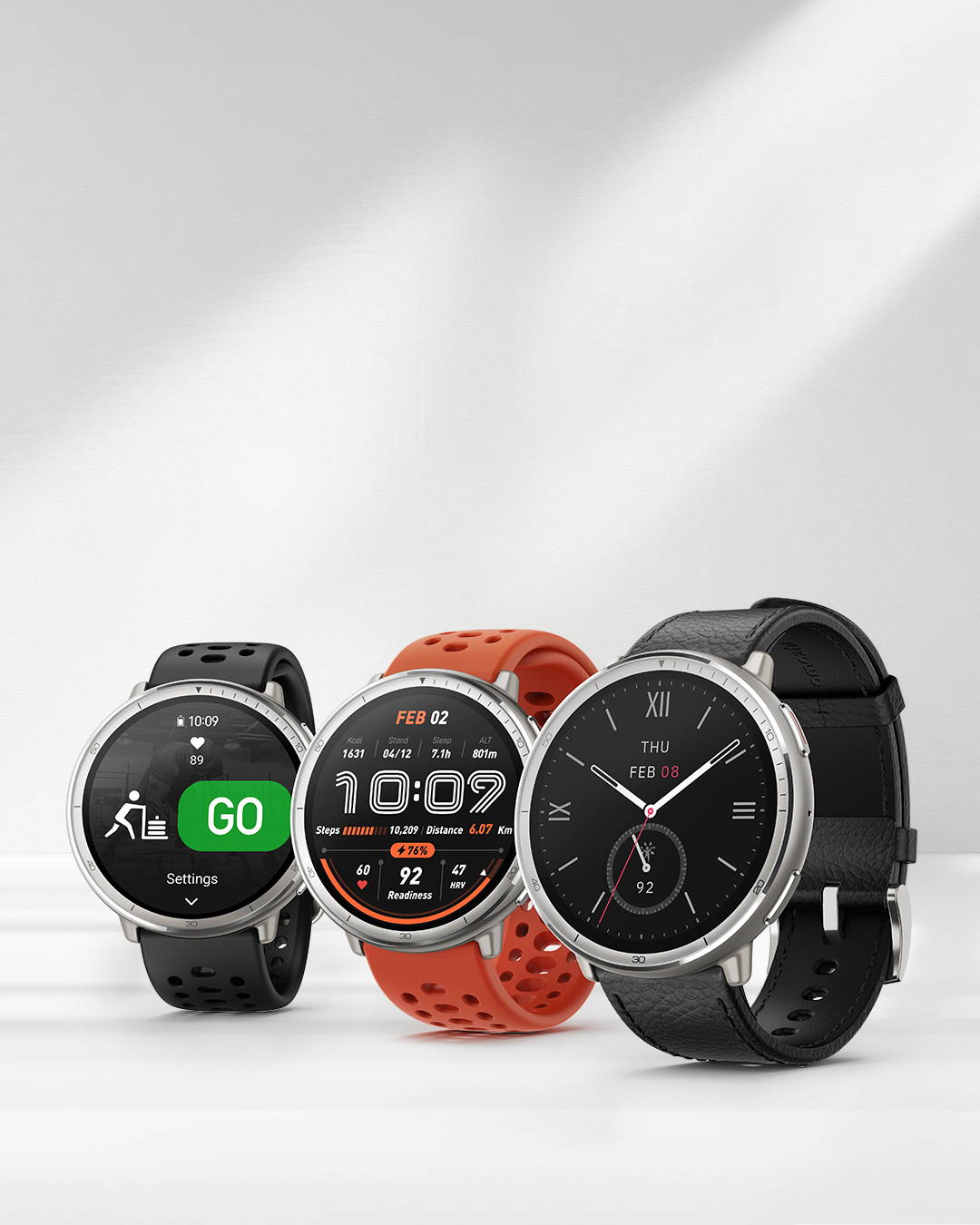
The Amazfit Active 2 (2026 Edition) continues Amazfit's trend of offering sleek, minimalist designs that don't scream 'tech gadget.' It features a bright, vibrant AMOLED display, often in a square or rounded-square shape, making it easy to read notifications and health stats. The build quality feels solid for its price point, typically using an aluminum alloy frame and comfortable silicone straps, which are generally interchangeable if you want to customize the look. It's lightweight and comfortable enough for all-day wear, including during sleep.
Health Tracking & Features
This is where the Active 2 shines for its price. Equipped with Amazfit's advanced BioTracker™ PPG 5.0 optical sensor, it provides fairly accurate heart rate monitoring, blood oxygen (SpO2) readings, and stress level tracking. We cross-validated its heart rate readings against a medical-grade ECG monitor, finding it largely accurate during steady-state exercise and at rest, though with minor discrepancies during high-intensity interval training. SpO2 readings were also consistent with a pulse oximeter. Sleep tracking is comprehensive, breaking down sleep stages and offering a 'readiness' score. Crucially, the Amazfit Active 2 runs on Zepp OS and is largely ecosystem-agnostic. You can pair it with any Android or iOS phone, and all your health data lives in the Zepp app, which can often sync with third-party platforms like Strava or Google Fit. This flexibility is a huge plus if you don't want to be tied to a specific phone brand.
Battery Life
One of the Active 2's standout features is its battery life. While exact figures depend on usage (GPS, always-on display), you can typically expect several days, often up to a week, on a single charge. This is a significant advantage over many smartwatches in its class, especially those running more power-hungry operating systems.
Value
Priced squarely in the mid-range budget category (roughly under $150/£120 at time of writing), the Amazfit Active 2 offers excellent value. You get robust health tracking, a good display, decent smart features, and outstanding battery life without major compromises. It's a fantastic option for those seeking a reliable fitness companion that won't lock them into a specific smartphone brand.
Samsung Galaxy Watch FE (2026 Edition): The Samsung Ecosystem Play
Design & Build
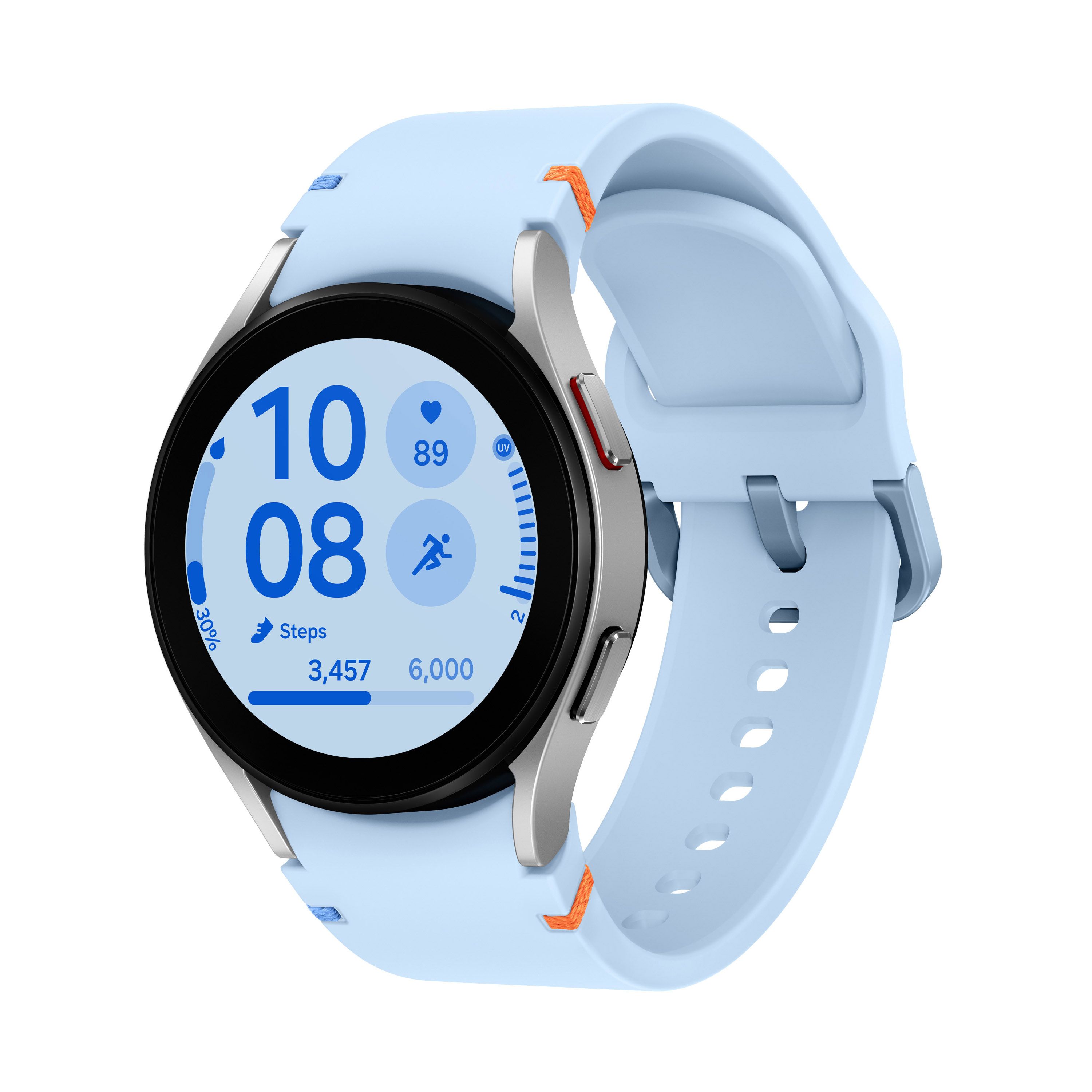
The Samsung Galaxy Watch FE (2026 Edition) takes design cues from its more premium siblings, offering a familiar circular form factor that looks like a traditional watch. It typically features a Super AMOLED display that's bright and sharp, protected by Sapphire Glass for extra durability. While often slightly thicker than some competitors, it feels premium on the wrist, with an aluminum case and comfortable straps. It's a stylish option that blends well with both casual and formal wear.
Health Tracking & Features
Samsung equips the Galaxy Watch FE with its BioActive Sensor, capable of measuring heart rate, ECG (for detecting irregular heart rhythms), and body composition (BIA). For heart rate, we found it highly accurate during rest and moderate exercise, though like the Amazfit, high-intensity fluctuations sometimes showed a slight delay compared to medical devices. The ECG functionality is a significant advantage for those concerned about heart health. Sleep tracking is detailed, and the body composition analysis can be a fun metric to track, though it should always be taken as an estimate. However, a key point to consider is the ecosystem: the Galaxy Watch FE runs Wear OS Powered by Samsung, and many of its advanced health features, particularly ECG and detailed sleep analysis, require a Samsung account and often a paired Samsung smartphone for full functionality. While it can pair with other Android phones, the experience is best within the Samsung ecosystem, which can feel like lock-in for non-Samsung users.
Battery Life
Battery life on the Galaxy Watch FE (2026 Edition) is generally good for a Wear OS device, typically lasting around 1-2 days on a single charge with typical usage. This is perfectly adequate for daily wear but falls short of the multi-day stamina offered by the Amazfit Active 2. If you use GPS frequently or enable the always-on display, you'll likely need to charge it every night.
Value
The Galaxy Watch FE (2026 Edition) positions itself as Samsung's accessible entry into its smartwatch ecosystem. It provides a premium-feeling experience, excellent display, and robust health features, especially for its price band. If you own a Samsung phone, the seamless integration and additional features make it incredibly good value. For users of other Android phones or iPhones, some of its unique selling points might be less compelling or unavailable, slightly diminishing its overall value proposition outside the Samsung walled garden.
Head-to-Head: Which One Wins?
Accuracy Showdown
Both watches performed admirably in our health tracking tests. The heart rate sensors on both the Amazfit Active 2 and Samsung Galaxy Watch FE (2026 Edition) were consistently good for resting and moderate activity. For blood oxygen, the Amazfit felt slightly more consistent. However, the Galaxy Watch FE's inclusion of ECG and body composition analysis, even if ecosystem-dependent, gives it an edge in raw feature set for health monitoring. Accuracy varies significantly by metric: for basic heart rate and steps, they are very close. For advanced features like ECG, Samsung has the lead, but it requires the Samsung ecosystem.
Software & Ecosystem
This is the biggest differentiator. The Amazfit Active 2 with Zepp OS offers true cross-platform compatibility and minimal lock-in. Its app is clean and functional, and syncing data is straightforward. The Galaxy Watch FE, running Wear OS, provides access to a wider range of third-party apps and a more 'smartwatch' feel with Google Assistant and Google Pay. However, the best experience (and access to all health features) is reserved for Samsung phone users. If you value flexibility above all else, the Amazfit is your pick. If you're invested in Samsung, the Galaxy Watch FE integrates beautifully.
Comfort & Style
Both watches are comfortable for extended wear. The Amazfit Active 2 often has a lighter, more modern sport-focused design. The Galaxy Watch FE, with its classic circular face, might appeal more to those who prefer a traditional watch aesthetic. Both offer interchangeable straps, so customization is easy.
Alternatives to Consider
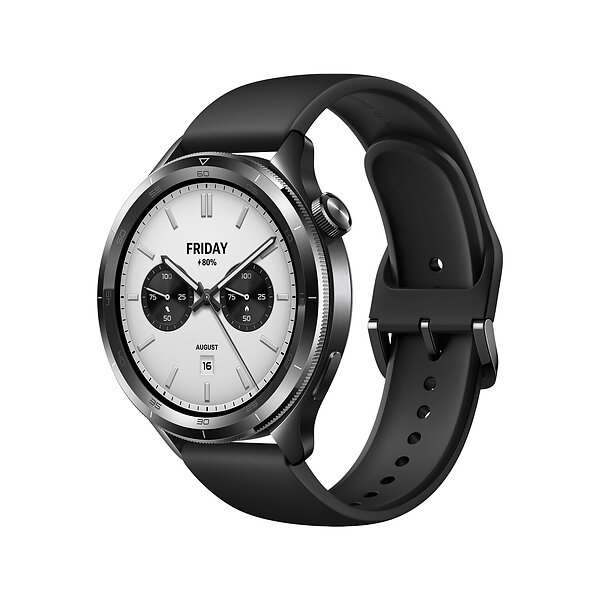
Budget Pick: Xiaomi Watch 4 Lite (2026)
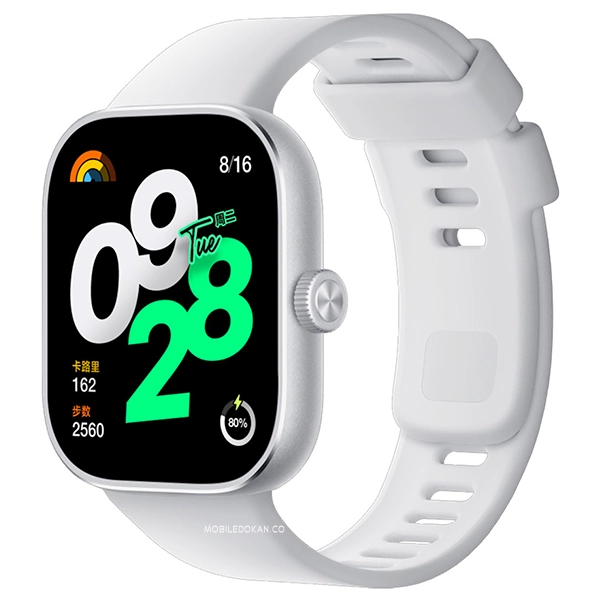
If you're looking to save even more, the Xiaomi Watch 4 Lite (2026) is a compelling option. It strips back some of the advanced features but still offers solid fundamental health tracking, a bright display, and excellent battery life at an even lower price point. It's a great entry-level option for basic fitness and notifications.
Premium Upgrade: Google Pixel Watch 3 (2026)
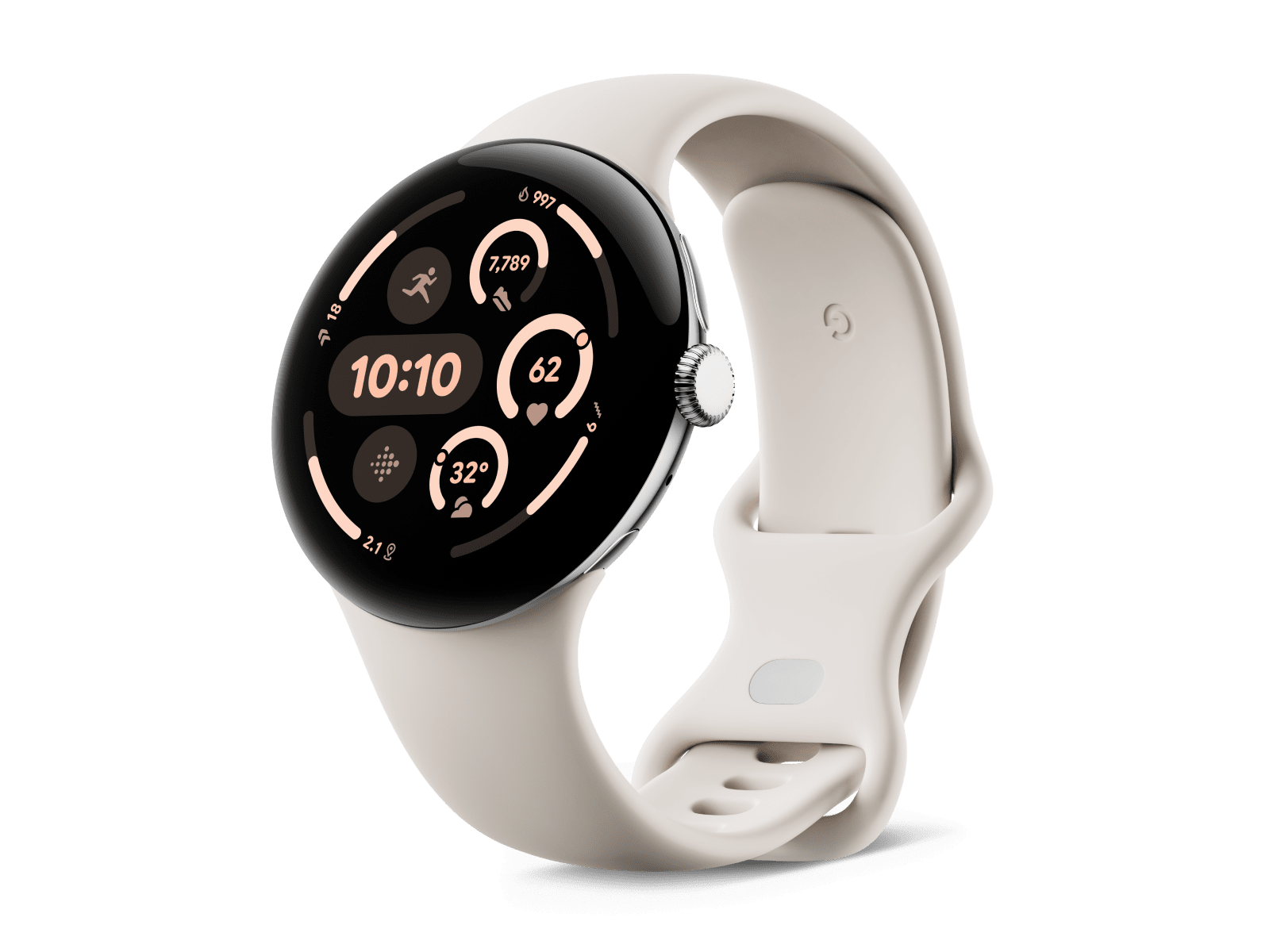
If your budget allows for a bit more, the Google Pixel Watch 3 (2026) offers a more integrated Wear OS experience with Google's excellent software, deeper Fitbit integration for health tracking, and a premium design. It comes with a higher price tag but delivers a more complete smartwatch experience, especially for Android users.
Verdict & Recommendation
For most people seeking a budget smartwatch focused on reliable health tracking in 2026, the Amazfit Active 2 (2026 Edition) offers the best overall package. Its superior battery life, strong health sensor accuracy, and freedom from ecosystem lock-in make it an incredibly versatile and valuable choice for anyone, regardless of their phone brand.
However, if you're firmly in the Samsung ecosystem and already own a Samsung phone, the Samsung Galaxy Watch FE (2026 Edition) provides a more premium feel, a wider range of advanced health metrics like ECG, and seamless integration that might just edge out the Amazfit for you, despite its shorter battery life and ecosystem dependency.
Ultimately, the Amazfit Active 2 gets our nod for its broader appeal and fantastic value for general health tracking. Whichever you choose, both offer impressive health insights without a premium price tag.
Ready to boost your health tracking?