As an Amazon Associate I earn from qualifying purchases. This page contains affiliate links, and I may earn a commission at no extra cost to you.
This article is for the gadget lover who's started questioning whether they actually need a smartwatch — or whether a discreet, screenless ring might do the job better. If you've been glancing at the Oura Ring Gen 4 while also eyeing an Apple Watch Series 10 or a Samsung Galaxy Ring, this is the honest breakdown you've been looking for.
The Core Question: Why Would You Ditch Your Watch?
Smartwatches are brilliant multi-tools. Notifications, navigation, music controls, contactless payments — they do a lot. But there's a growing crowd who find a watch uncomfortable during sleep, distracting during the day, or just a bit much for their wrist. Smart rings sit in a completely different lane: no screen, no apps on your finger, just passive, continuous health tracking fed to your phone. The Oura Ring Gen 4, now in its fourth hardware generation, is the most mature product in that category. But mature doesn't automatically mean better for you.
Meet the Contenders
Oura Ring Gen 4
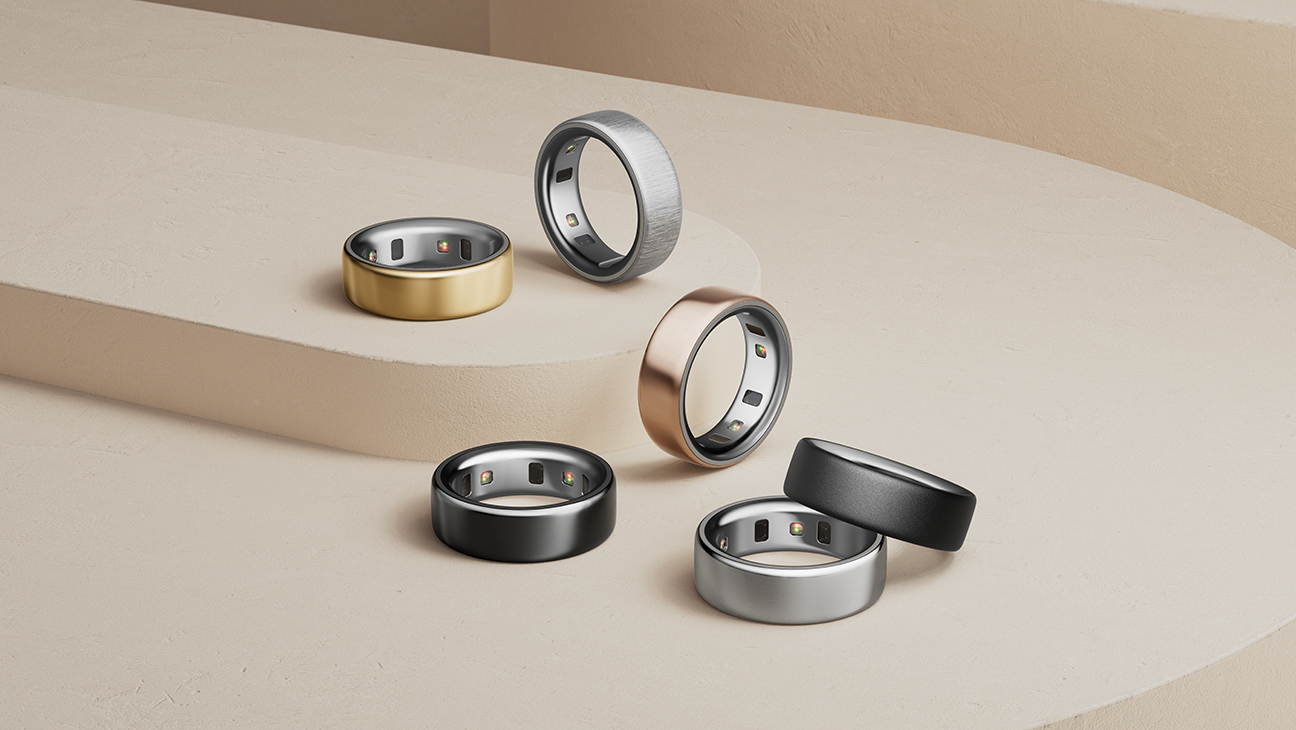
Released in late 2024 and still the benchmark smart ring heading into 2026, the Gen 4 refined the sensor cluster from its predecessor with improved red and green LED configurations for better readout accuracy, particularly on darker skin tones — a genuine step forward. It's available in titanium finishes (Silver, Black, Gold, Stealth, and Brushed Silver), weighs between 4–6 g depending on size, and carries an IPX8 water resistance rating good to 100 metres. Battery life lands consistently at 7–8 days in real-world use.
The catch everyone knows: there's a monthly subscription (around £5.99/month in the UK at time of writing) to unlock the full suite of health insights in the app. Without it, you get basic step and sleep data only. Confirm current pricing before you buy.
Apple Watch Series 10
The Apple Watch Series 10 remains the gold-standard wrist wearable for iPhone users in 2025–2026. It introduced a thinner, wider aluminium case design compared to previous generations, a faster-charging system, and sleep apnea detection — a clinically significant feature. It runs watchOS, which means you get a full operating system on your wrist: apps, Siri, Maps, Apple Pay, and emergency SOS. Health sensors include optical heart rate, electrical heart rate (ECG), blood oxygen (SpO2), and skin temperature.
Battery life is the perennial Apple Watch limitation: expect 18–24 hours with always-on display enabled, or a couple of days with aggressive power-saving. You'll be charging it most nights, which directly competes with its sleep tracking usefulness.
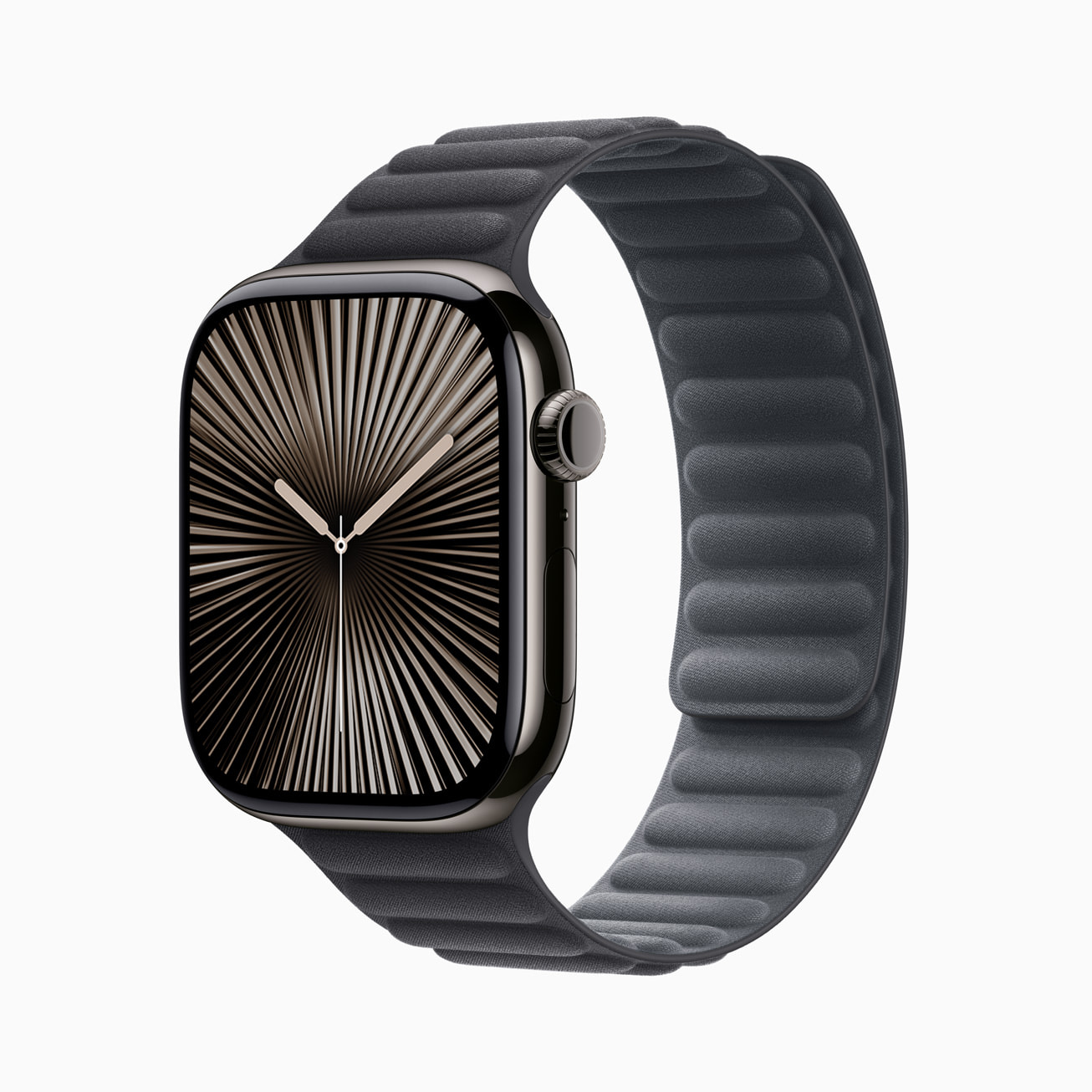
Samsung Galaxy Ring
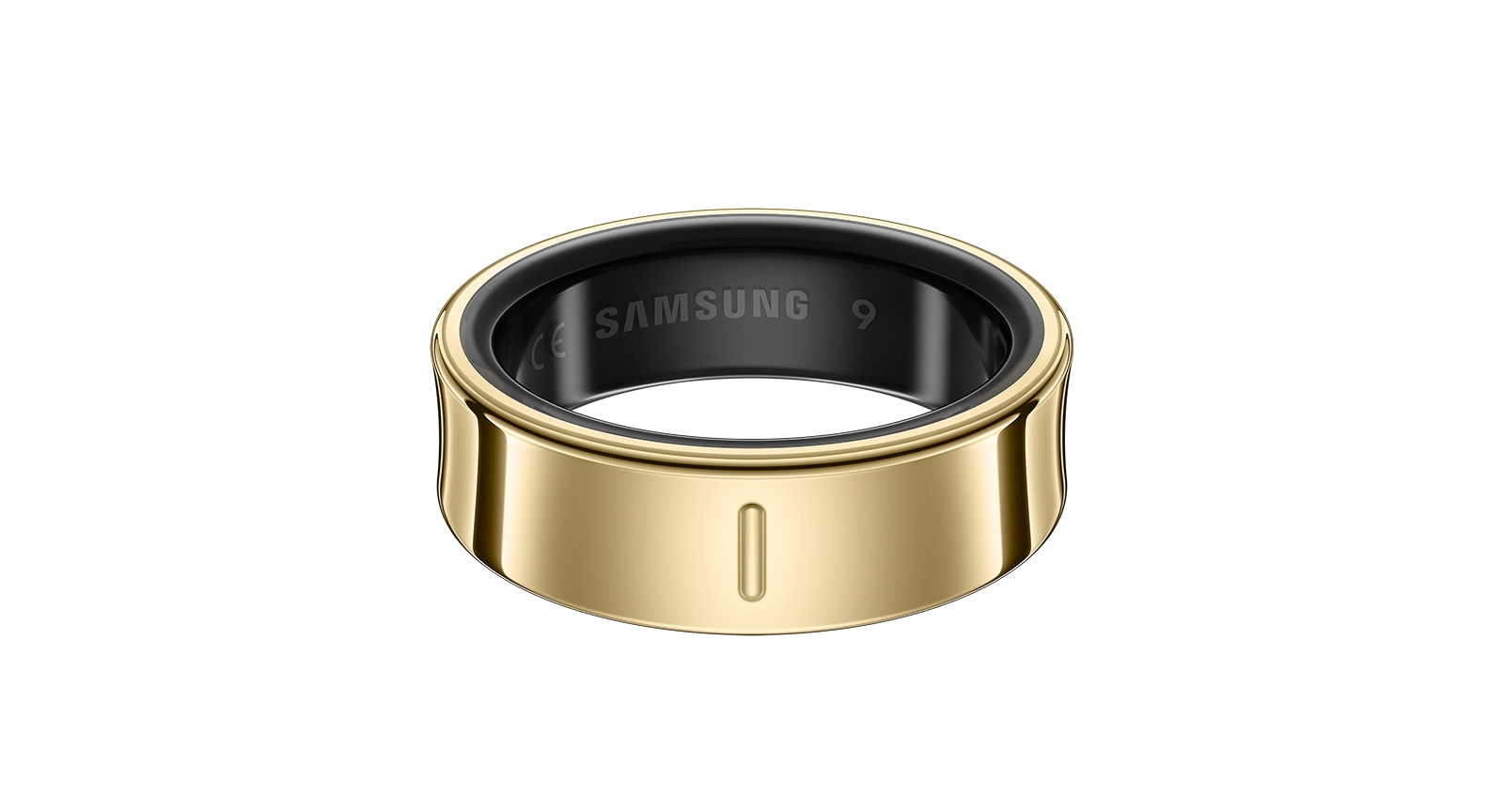
Samsung's entry into the smart ring market arrived in mid-2024 and has matured through firmware updates into a competitive option, particularly for Galaxy and Android users. It does not require a subscription, which is a meaningful differentiator. It offers heart rate monitoring, SpO2, skin temperature, cycle tracking, and a Galaxy AI-powered Energy Score. It's slightly chunkier than the Oura in some sizes, and battery life sits at around 6–7 days. It integrates tightly with Samsung Health and works best within the Samsung ecosystem.
Google Pixel Watch 3
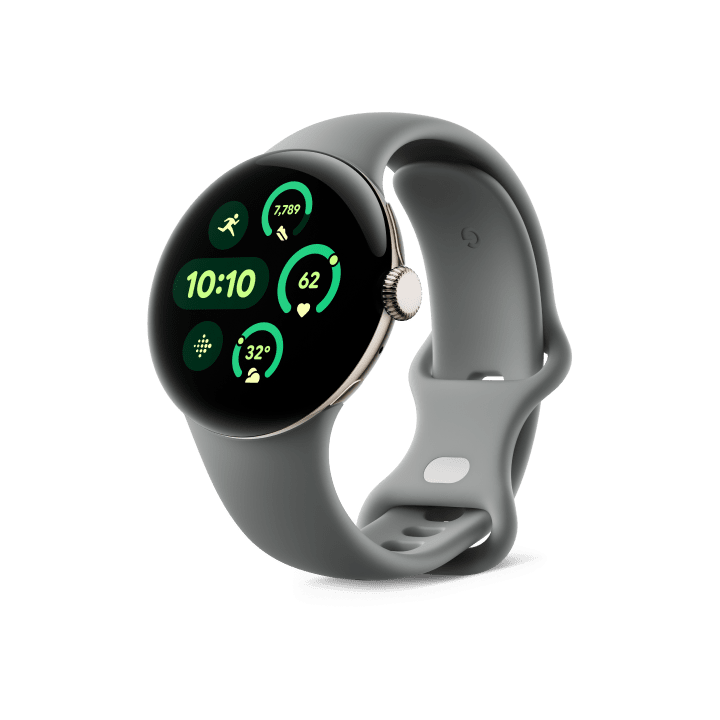
For Android users who want a smartwatch alternative to Apple Watch, the Pixel Watch 3 (available in 41mm and 45mm) deserves a mention. It runs Wear OS with deep Google integration, offers Fitbit-powered health tracking including cardio load and daily readiness, and has improved battery life over its predecessors — around 24 hours with always-on display, or 36+ hours in battery-saver mode. It's a polished, well-rounded smartwatch for non-Samsung Android users.
Comparison at a Glance
| Product | Form Factor | Battery Life | Subscription | Best For | Price Band |
|---|---|---|---|---|---|
| Oura Ring Gen 4 | Ring | 7–8 days | ~£5.99/mo required for full insights | Sleep obsessives, minimalists | £££ (hardware) + sub |
| Samsung Galaxy Ring | Ring | 6–7 days | None | Samsung/Android users wanting ring form | £££ |
| Apple Watch Series 10 | Watch | 18–24 hrs | None | iPhone users wanting full smartwatch features | ££££ |
| Google Pixel Watch 3 | Watch | 24–36 hrs | None | Android users wanting a polished smartwatch | £££ |
Price bands indicative. Always confirm current pricing before purchasing.
Design and Build: Wearing It Every Day
This is where smart rings genuinely shine. The Oura Ring Gen 4 is, by any reasonable measure, beautiful. It looks like a piece of jewellery — not a gadget. Slip it on and most people won't give it a second glance. The titanium construction feels premium without being heavy, and there are no sharp edges or protruding sensors to catch on anything. It's the kind of thing you genuinely forget you're wearing, which matters enormously for overnight sleep tracking.
Apple Watch and Pixel Watch, by contrast, are unmistakably tech products. That's fine — many people want that. But they can snag on sleeve cuffs, feel awkward during certain workouts, and require removal for some activities. The Apple Watch Series 10's slimmer profile was a real improvement, but you're still strapping a computer to your wrist.
The Samsung Galaxy Ring sits alongside Oura in the discreet-ring category, though some reviewers have noted its sizing range and comfort profile can vary more across sizes. Worth trying on if you can.
Health Tracking: Where the Real Debate Lives
The finger is actually a superior location for optical heart rate and SpO2 measurement compared to the wrist, in principle. The arteries are closer to the surface and there's less movement artifact. Oura has invested heavily in sensor accuracy and publishes research partnerships to back its claims. In practice, the Gen 4's resting heart rate, HRV (heart rate variability), and sleep staging data are considered among the most reliable available in a consumer wearable — often used as a reference point by researchers.
That said, smartwatches offer something rings fundamentally cannot: real-time active workout tracking. The Oura ring does log workouts and heart rate during exercise, but without a GPS chip, it can't map your run. And the real-time display — seeing your heart rate zone during a HIIT session — isn't possible on a ringless finger. If you're a serious runner, cyclist, or gym athlete who needs workout analytics, a smartwatch wins this round decisively.
Sleep tracking is the Oura's superpower. The app's sleep stage breakdown, readiness score, and recovery insights are genuinely actionable and difficult to match. The Apple Watch Series 10's sleep apnea detection is a legitimate health tool, but its overnight use is hampered by needing to charge daily. You'll often face a choice: charge at night or track sleep. The Oura sidesteps this entirely with its week-long battery.
The Subscription Problem (And Why It Matters)
Let's be direct: the Oura Ring Gen 4's subscription model is a real con. You're paying a significant hardware price upfront — typically in the £300–£350 range — and then an ongoing monthly fee to unlock the features that make the device worth having. Over two years, you could easily spend £450+ in total. The Samsung Galaxy Ring bundles all insights into the free Samsung Health app, making it genuinely better value over time if you're in the Samsung ecosystem. This is a meaningful differentiator worth factoring into your decision.
Notifications and Smart Features: The Ring's Biggest Limitation
A smart ring does not vibrate on your finger when you get a message. It has no display. It cannot show you turn-by-turn directions, let you pay with a tap, or let you dictate a reply to a text. If these features are part of how you use a wearable today, a ring will feel like a step backwards. For many people — especially those who want to be less tethered to notifications — that's actually the appeal. But go in with eyes open.
Who Should Buy Each?
- Oura Ring Gen 4: Sleep-focused health trackers, people who dislike wearing watches, those who want discreet 24/7 biometric monitoring, and anyone who's serious about recovery data and willing to pay the subscription.
- Samsung Galaxy Ring: Android and Samsung users who want ring-form tracking without a subscription. Also a compelling second wearable to wear overnight while your smartwatch charges.
- Apple Watch Series 10: iPhone users who want the full smartwatch experience — notifications, apps, contactless pay, GPS workouts, and health monitoring in one device. Also worth considering if sleep apnea detection is a priority.
- Google Pixel Watch 3: Android users outside the Samsung ecosystem who want a capable, well-designed smartwatch with strong Fitbit health integration.
Can the Oura Ring Gen 4 Actually Replace Your Smartwatch?
For some people, yes — and this isn't a cop-out answer. If you primarily use your smartwatch for health tracking and step counting, rarely use the smart features, find it uncomfortable to sleep in, and would rather wear something you forget is there: the Oura Ring Gen 4 could be a genuine upgrade to your quality of life and your health data quality.
But if you use your watch to navigate, take calls, pay for coffee, track GPS runs, or receive notifications throughout the day, the Oura is a complement — not a replacement. Many tech-forward users are actually running both: a smartwatch during the day, and the Oura ring at night. It's not the cheapest ecosystem to be in, but the data combination is powerful.
Pros and Cons
Oura Ring Gen 4 — Pros
- Exceptional sleep tracking and recovery insights — among the best available in any consumer wearable
- 7–8 day battery life removes the overnight charging conflict entirely
- Discreet, jewellery-like design that people genuinely forget they're wearing
- Improved sensor accuracy on diverse skin tones vs previous generation
- Lightweight titanium build with 100m water resistance
Oura Ring Gen 4 — Cons
- Ongoing subscription fee (~£5.99/month) required for full insights — adds significant long-term cost
- No GPS, no real-time display, no notifications — genuinely can't replace a smartwatch for active use
- Sizing requires buying a sizing kit first; returns can be fiddly
- High upfront hardware cost even before subscription is factored in
Final Verdict
The Oura Ring Gen 4 is a genuinely excellent health tracker — probably the best passive biometric monitoring device you can buy in 2025–2026. Its sleep data is class-leading, its design is the most wearable of any health tech product, and its battery life completely outclasses any smartwatch. But it is not a smartwatch replacement for most people. It's a specialist tool that does a narrow set of things exceptionally well.
If sleep, recovery, and passive health monitoring are your priorities, and you're willing to live without wrist notifications, the Oura Ring Gen 4 is a strong buy — subscription and all. If you need a device that does everything, the Apple Watch Series 10 or Google Pixel Watch 3 remain the smarter all-rounders. And if you want the ring form factor without the ongoing subscription cost, the Samsung Galaxy Ring is worth a serious look.
👉 Check the Oura Ring Gen 4 price on Amazon and see available sizes