As an Amazon Associate I earn from qualifying purchases. This page contains affiliate links, and I may earn a commission at no extra cost to you.
Why Red Light Therapy Has Become the Ultimate Skincare Gift
Buying a gift for a dedicated skincare enthusiast is notoriously difficult. Most beauty obsessives already have their 10-step serum regimes dialled in and are rightfully sceptical of gimmicky skincare gadgets that end up gathering dust in a bathroom drawer. Yet, at-home red light therapy devices have crossed the chasm from professional aesthetician clinics into mainstream daily routines, making them one of the most covetable presents you can give.
The appeal is straightforward: professional photobiomodulation sessions at a high-end salon routinely cost between £60 and £120 per sitting. A well-engineered at-home LED mask allows a user to replicate low-level light therapy from the comfort of their sofa, five nights a week. Over a year, the device easily pays for itself compared to recurring clinical appointments.
However, the market is flooded with cheap plastic novelties that emit little more than colourful party lighting. To stimulate cellular repair, boost adenosine triphosphate (ATP) production, and trigger fibroblast collagen synthesis, a device must emit specific, clinically verified wavelengths with sufficient irradiance. If you are shopping for a premium beauty gift, understanding the technical difference between clinical-grade wavelengths and budget imitations is essential.
The Science: What Separates Effective LED Devices from Novelty Novelties
Before examining specific devices, let us clarify the three core technical benchmarks that determine whether an LED mask delivers visible skin rejuvenation:
- Clinically Validated Wavelengths: The primary gold standards in dermatological research are 633nm (Red light) and 830nm (Near-Infrared light). Red light at 633nm targets the upper dermal layers to calm redness, even skin tone, and trigger surface repair. Near-infrared at 830nm penetrates significantly deeper into subcutaneous tissue to encourage collagen and elastin restructuring. Some cutting-edge devices also incorporate 1072nm (Deep Near-Infrared) to address deeper facial folds.
- Irradiance and Skin Contact: Irradiance measures the power density delivered to the skin surface (expressed in milliwatts per square centimetre, mW/cm²). If the light is too weak, photobiomodulation will not occur. Crucially, light intensity drops drastically with distance; flexible masks that sit directly against the skin deliver far more consistent energy than loose-fitting rigid shields.
- Treatment Compliance and Ergonomics: The most powerful device on earth is useless if it is uncomfortable or inconvenient to wear. Battery controllers, secure strapping systems, and short session times (between 3 and 10 minutes) dictate whether a recipient will actually stick with their routine long enough to see structural changes.
Quick Comparison Table
| Device | Key Wavelengths & LEDs | Design & Fit | Best For | Amazon Link |
|---|---|---|---|---|
| CurrentBody Skin LED Light Therapy Face Mask | 633nm, 830nm, 1072nm (236 LEDs) | Flexible Liquid Silicone | Ultimate Anti-Aging & Collagen | Check today's price on Amazon |
| Dr. Dennis Gross DRx SpectraLite FaceWare Pro | Red (630nm) & Blue (415nm) array | Rigid Ergonomic Shell | Acne-Prone & Rapid 3-Min Routines | Check today's price on Amazon |
| Sensse Silicone LED Face Mask | Red (630nm), Blue (465nm), NIR (850nm), Purple (171 LEDs) | Flexible Multi-Target Silicone | Versatile Multi-Colour Routine | Check today's price on Amazon |
Top Pick: CurrentBody Skin LED Light Therapy Face Mask
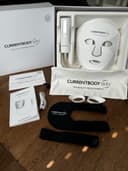
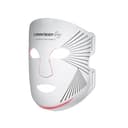
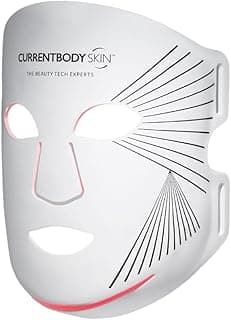
When it comes to pure clinical backing and ergonomic execution, the Check today's price on Amazon represents the gold standard for at-home photobiomodulation. It is widely recognised across the aesthetics industry as the benchmark flexible mask, and the brand continues to refine its optical technology.
Wavelength Architecture & LED Layout
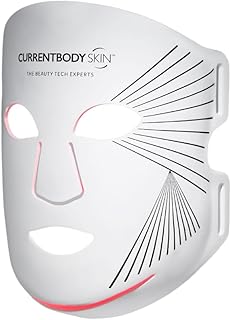
Unlike basic masks that stick solely to standard red diodes, this CurrentBody model features an exclusive layout of 236 medical-grade LED bulbs. It emits three clinically proven wavelengths: 633nm red, 830nm near-infrared, and an upgraded 1072nm deep near-infrared. This tri-wave synergy targets multiple depths of facial tissue simultaneously, working on superficial redness and pigmentation while stimulating structural collagen deep within the dermis.
To provide peace of mind regarding quality control, each mask includes a Veritace NFC card. Tapping the card with a smartphone links directly to the verification data for that specific production batch, confirming the light output and wavelength precision meet medical standards before leaving the factory.
Fit, Comfort & Daily Use
The mask is constructed from flexible liquid silicone, a material choice that makes an enormous difference in daily practice. Rather than sitting away from the face like a rigid plastic mask, the CurrentBody unit hugs facial contours tightly. This direct contact minimises light scatter, ensuring the skin receives maximum photon absorption across the forehead, cheeks, jawline, and perioral areas.
Operating on a simple 10-minute automated timer, the mask powers off automatically once the session concludes. It connects via a slim cable to a pocket-sized rechargeable controller, allowing the wearer to walk around, read, or relax without being tethered to a wall socket.
Pros & Cons
- Pros: Advanced 3-wavelength coverage (including 1072nm deep NIR); 236 high-density LEDs; medical-grade flexible liquid silicone fits comfortably; Veritace NFC quality verification; hands-free rechargeable controller.
- Cons: 10-minute sessions require slightly more patience than rapid 3-minute hard-shell masks; premium price point around the £300–£400 band; requires gentle handling to prevent wire strain over years of use.
The Rapid Multi-Tasker: Dr. Dennis Gross DRx SpectraLite FaceWare Pro
For recipients who live busy lifestyles and struggle to find 10 uninterrupted minutes each evening, the Check today's price on Amazon offers an ultra-fast alternative from one of clinical skincare's most trusted dermatologist brands.
Targeted Dual-Spectrum Modes
The standout feature of the Dr. Dennis Gross device is its dual-wavelength versatility. In addition to anti-aging red light (designed to smooth fine lines and stimulate collagen), it integrates clinical-grade blue light (around 415nm). Blue light operates at a wavelength proven to target and neutralise C. acnes bacteria residing within congested pores, making this device an exceptional option for adult acne, hormonal breakouts, and inflammatory redness.
Users can toggle between three programmed modes via a single forehead button: pure red light for collagen stimulation, pure blue light for blemish control, or a combined red-and-blue treatment that simultaneously tackles breakouts and post-inflammatory erythema.
Design, Speed & Protection
Unlike flexible silicone models, the SpectraLite FaceWare Pro is built from a rigid, moulded medical-grade polymer shell with an adjustable head strap. The primary benefit of this rigid design is speed: its programmed session lasts just 3 minutes. For anyone with a packed morning or evening routine, 180 seconds is effortless to maintain consistently.
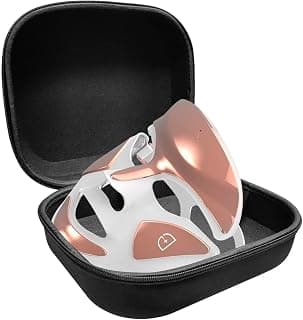
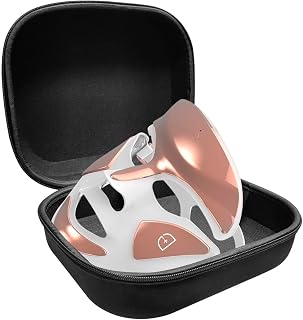
Because it is a rigid investment piece, owners frequently pair the device with dedicated protective EVA hard cases featuring 360-degree two-way zippers, shockproof linings, and waterproof exteriors to protect the unit from accidental drops or impacts during travel. If you are gifting this device, adding a protective case ensures the investment stays intact for years.
Pros & Cons
- Pros: Ultra-fast 3-minute daily treatment cycle; dedicated anti-acne blue light and combined red/blue modes; rigid contoured shape sits off sensitive skin areas; simple one-touch operation.
- Cons: Rigid structure does not adapt to all face shapes as seamlessly as flexible silicone; leaves slight gaps around outer jawlines on narrower faces; sits in the premium £400+ luxury price bracket.
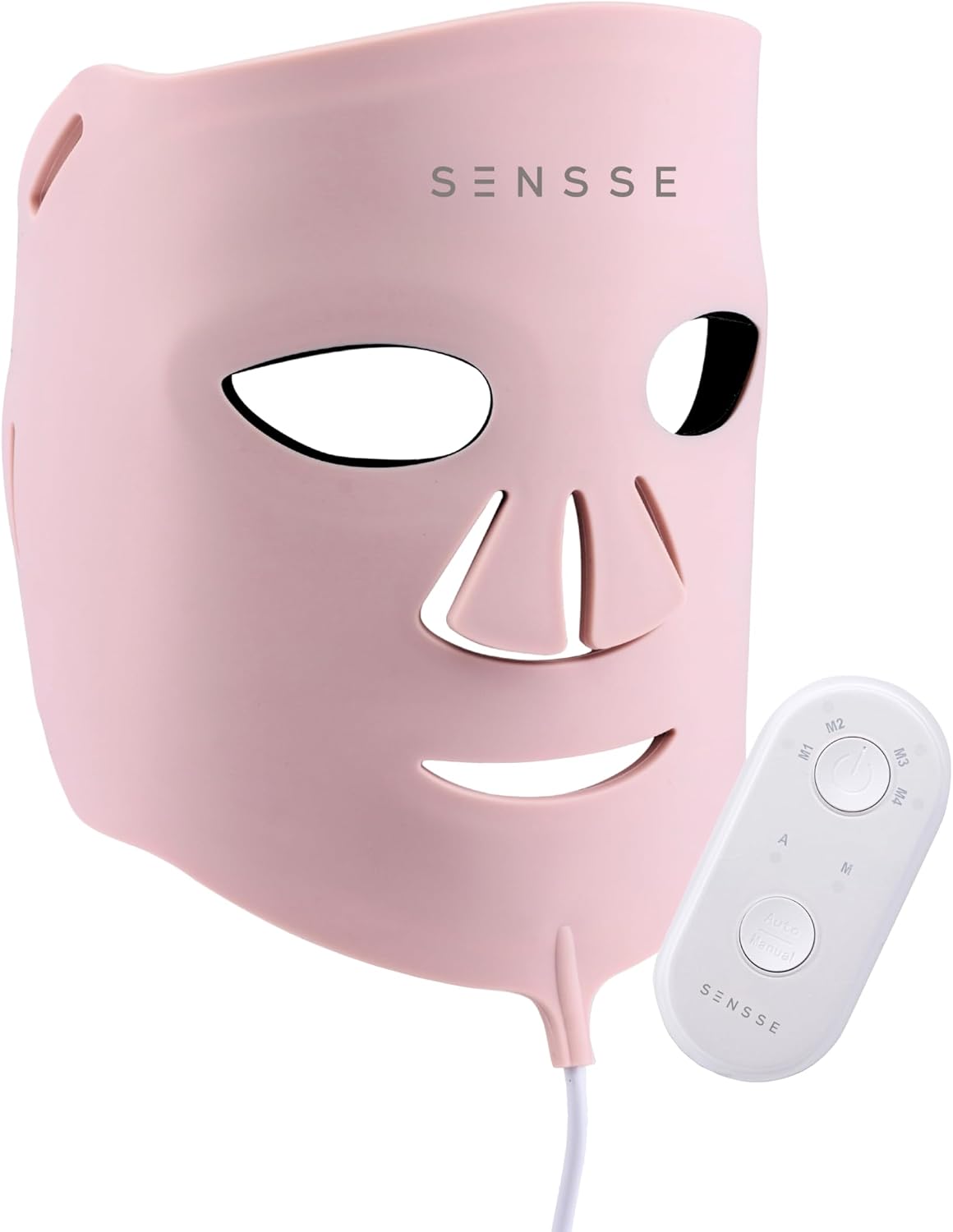
Versatile Multi-Colour Option: Sensse Silicone LED Face Mask
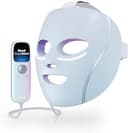
Not every skincare lover requires a dedicated medical-grade tri-wave setup, especially if they enjoy experimenting with multiple colour wavelengths or want a flexible silicone experience at a more approachable price point. The Check today's price on Amazon provides an adaptable, multi-mode routine suitable for diverse skin complaints.
Four-Mode Customisation
The Sensse device incorporates 171 LEDs delivering four distinct colour profiles across the visible and invisible spectrum:
- Red Light (630nm): Targets signs of aging, encouraging cellular renewal and smoothing fine surface lines.
- Blue Light (465nm): Works to clarify oily or blemish-prone complexions by targeting surface bacteria.
- Near-Infrared (850nm): Deeper cellular support that aids tissue calming and revitalisation.
- Purple Mode (630nm + 465nm Combined): A dual-action setting that balances anti-aging support with blemish reduction.
Fit and Usability
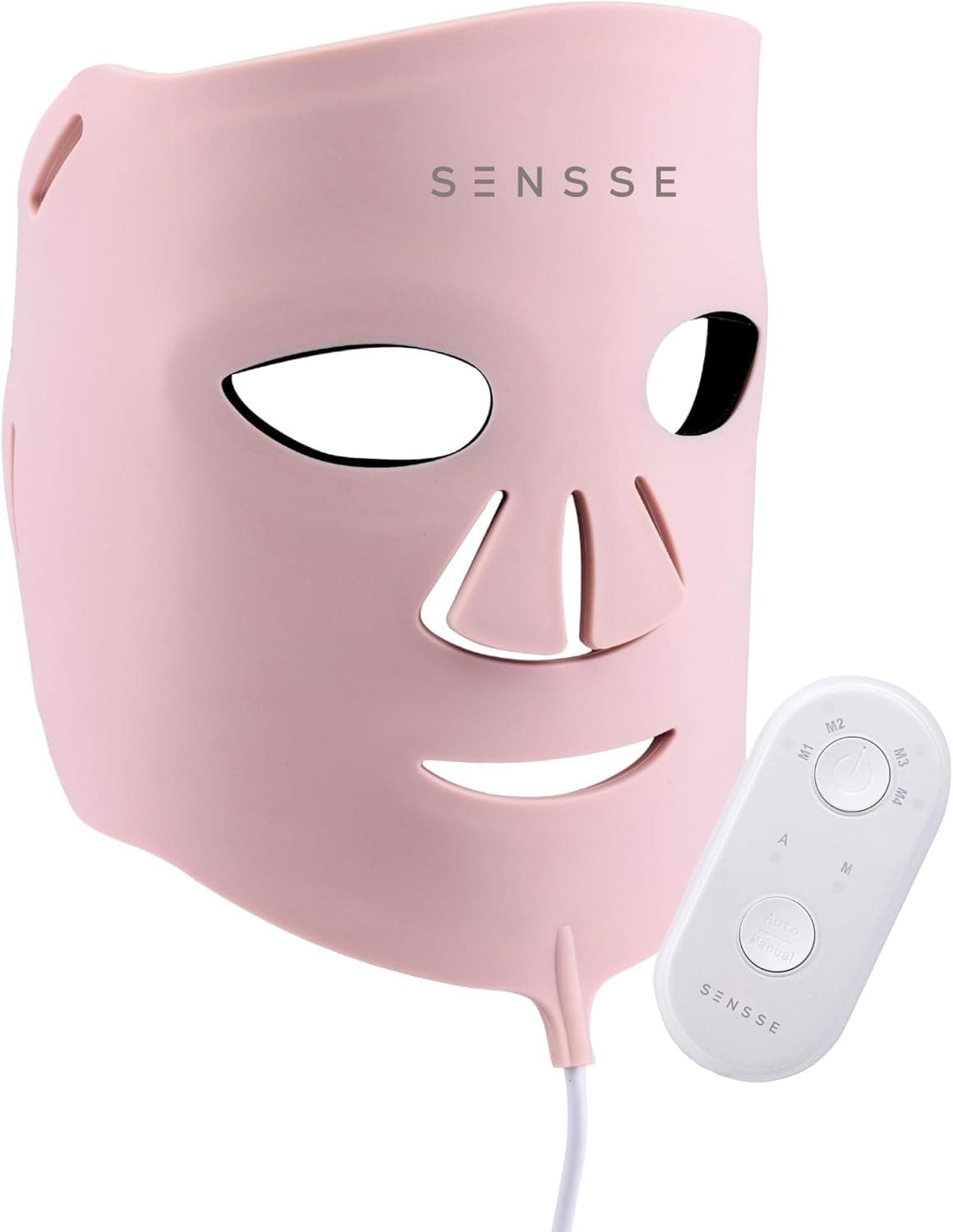
Constructed from soft, lightweight silicone, the mask sits snugly against the face and neck contours. The flexible chassis ensures even light dispersion across the forehead, nose bridge, and lower cheeks. Its wired remote controller allows users to switch modes effortlessly while managing treatment timers for quick daily sessions.
Pros & Cons
- Pros: Four distinct colour settings for comprehensive routine tailoring; flexible silicone construction; comfortable, lightweight feel; accessible mid-range pricing.
- Cons: Lower overall LED bulb count (171 LEDs) compared to high-end specialist units; blue light wavelength sits slightly higher at 465nm compared to the clinical 415nm sweet spot.
What to Look for Before Buying an LED Mask Gift
If you are weighing up your options, keeping the following practical criteria in mind will ensure you choose a device the recipient will cherish and use consistently:
1. Flexible Silicone vs. Rigid Hard Shells
Flexible silicone masks (like CurrentBody and Sensse) provide superior skin contact, flattening easily into suitcases and wrapping around different bone structures. Rigid shells (like Dr. Dennis Gross) do not conform to the skin as intimately, but they can be sanitised more quickly and often boast shorter 3-minute high-output sessions.
2. Session Length and Habit Stacking
Consistency is everything with photobiomodulation. If your recipient prefers leisurely 10-minute meditation sessions before bed, the CurrentBody or Sensse masks fit seamlessly into their evening wind-down. If they are a busy professional or parent who needs to get out the door quickly in the morning, the 3-minute timer on the Dr. Dennis Gross FaceWare Pro is far more realistic for everyday adherence.
3. Eye Safety and Contraindications
Quality LED masks are engineered to be safe for open eyes during normal operation, but individuals with extreme photosensitivity, active melasma prone to heat aggravation, or those taking photosensitising medications (such as certain tetracycline antibiotics or isotretinoin) should consult a doctor before use. Always check product contraindications prior to purchasing.
Alternatives to Consider
If the person you are buying for already owns an LED face mask or has specific areas of concern beyond their facial complexion, consider broadening your search to targeted therapy devices:
- For Neck & Décolletage: The neck and chest are among the first areas to show sun damage and collagen breakdown. Look into dedicated flexible silicone neck bibs that use matching 633nm and 830nm diodes to treat the delicate chest area directly.
- For Targeted Blemishes: Handheld LED spot-treatment wands provide concentrated blue and red light directly onto active breakouts without needing to wear a full-face apparatus.
Frequently Asked Questions
How long does it take to see visible results from at-home red light therapy?
Photobiomodulation works at a cellular level, meaning changes take time. While many users report a subtle skin glow and reduced inflammation within the first two to three weeks, significant improvements in fine lines, collagen density, and overall texture typically require 8 to 12 weeks of consistent use (3 to 5 times per week).
Can you use active skincare serums before using an LED mask?
It is best to use LED light devices on clean, dry, freshly cleansed skin. Certain thick creams, heavy oils, or tinted products can deflect light photons and reduce treatment efficiency. Gentle hydrating serums (such as pure hyaluronic acid) are generally fine, but strong active ingredients like retinol, AHAs, or BHAs should usually be applied after the light session to prevent potential irritation.
Is near-infrared light safe for the eyes?
Clinically tested at-home LED masks are designed to meet international eye safety standards (such as IEC 62471). While near-infrared light is invisible to the human eye, the ambient red glow is very bright. Most masks include integrated silicone eye shields or blackout goggles for users who are particularly sensitive to bright light.
Can at-home LED face masks cause burns or UV damage?
No. Quality LED skincare masks emit zero ultraviolet (UV) radiation and produce minimal thermal heat. They rely purely on non-thermal light energy to trigger cellular responses, meaning they will not cause tanning, sunburns, or thermal tissue damage when used according to manufacturer instructions.
Final Verdict: Which Red Light Device Should You Gift?
If you want to give a gift that delivers genuine clinical anti-aging efficacy, the Check today's price on Amazon remains our undisputed top recommendation. Its combination of 236 LEDs, triple-wavelength precision (633nm, 830nm, and 1072nm), and comfortable liquid silicone build makes it the most well-rounded, research-backed mask on the market today.
For those buying for someone struggling with adult breakouts or who genuinely cannot spare more than three minutes a day, the Check today's price on Amazon is an exceptional dual-spectrum alternative. And if you are seeking a versatile multi-colour device at a moderate budget, the Check today's price on Amazon offers solid customisation for an all-round self-care routine.