As an Amazon Associate I earn from qualifying purchases. This page contains affiliate links, and I may earn a commission at no extra cost to you.
The Kid-Drone Dilemma: High-Speed Blades vs. Cheap Plastic Toys
Buying a drone for a child usually follows a predictable, painful arc. You either buy a £20 budget toy from a supermarket shelf that drifts into a tree within three minutes due to lack of altitude hold, or you look at a proper photographic drone and immediately worry about exposed spinning blades cutting small fingers or scuffing living room wallpaper. For years, the middle ground barely existed. Drones were either fragile novelties or delicate, high-risk adult electronics.
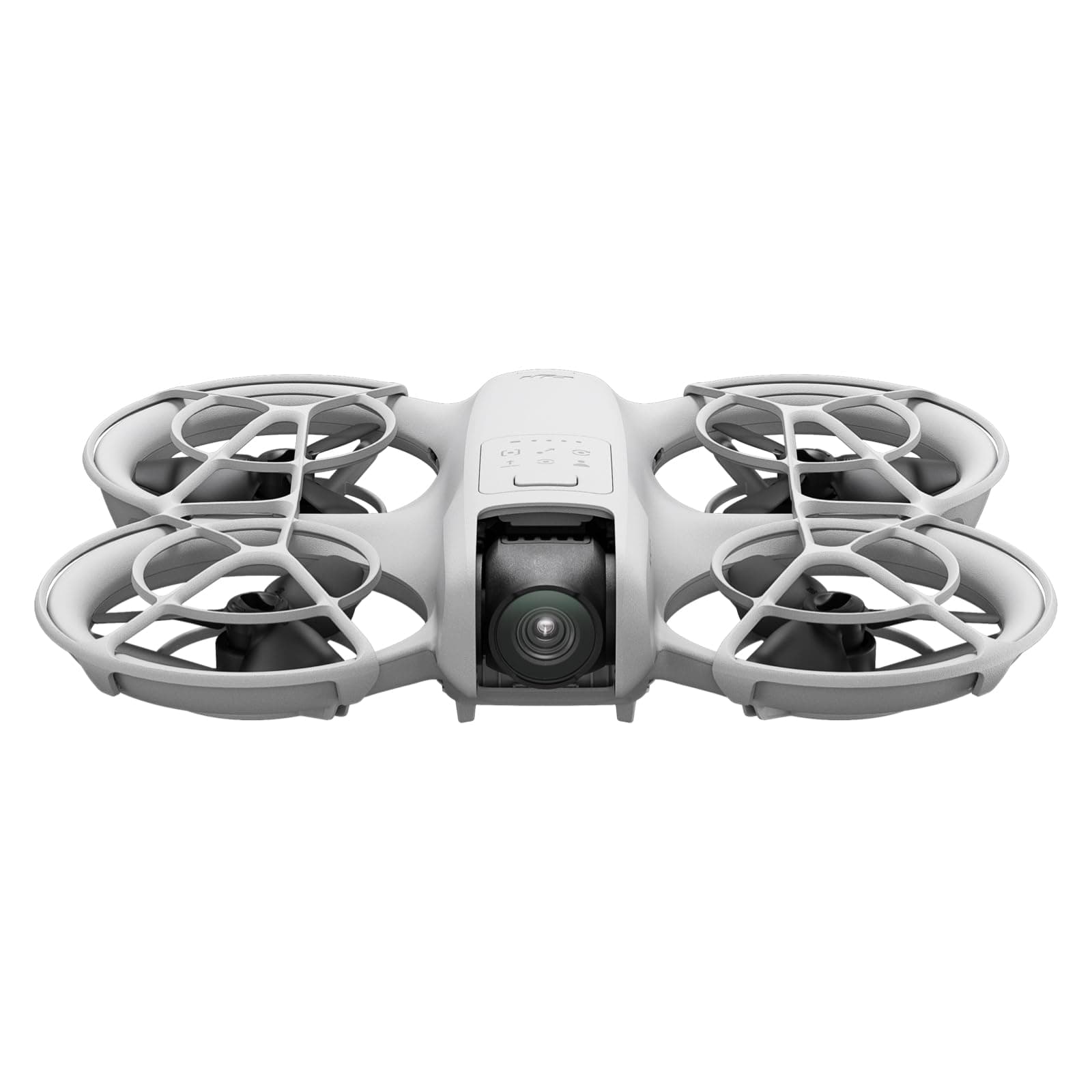
The DJI Neo Drone steps directly into that gap. Tipping the scales at a featherweight 135 grams, it is DJI's lightest and most compact quadcopter to date. More importantly for parents, its four propellers are surrounded by built-in, rigid plastic guard cages. It is designed to launch directly from the palm of a hand and execute pre-programmed aerial filming routines without needing a complex remote controller—though you can pair one later if your young pilot wants to master manual flight.
Based on official specifications, safety documentation, and owner feedback, this guide evaluates whether the Neo genuinely solves the safety and durability challenges that usually stop parents from giving kids a high-quality aerial camera.
Key Features That Matter for Family Flying
Integrated 360-Degree Propeller Guards
The single biggest hurdle when introducing young kids to drones is blade safety. Standard photography drones feature open carbon-reinforced blades spinning at thousands of revolutions per minute. The Neo replaces exposed rotors with fixed, full-coverage propeller guards integrated into the frame. If a child bumped into the Neo in mid-air or attempted to grab it, their fingers meet smooth plastic shields rather than spinning plastic edges. This physical barrier also protects indoor furniture and prevents the instant propeller snapping that normally grounds toy drones after a single wall clip.
Ultra-Light 135g Frame and UK Regulations
Weight matters for two distinct reasons: crash dynamics and legal compliance. At 135g, the Neo carries very little kinetic energy when flying. In the event of an drift into a curtain or hedge, it tends to bounce off harmlessly rather than crashing through object boundaries.
Legally in the UK, the Neo comfortably sits well below the 250g threshold. Drones under 250g face fewer flight restrictions regarding proximity to uninvolved people. However, because the Neo features a onboard camera, UK regulations require the owner (a parent or adult over 18) to register for a CAA Operator ID for roughly £11 annually and affix that ID number to the body. Kids under 13 cannot hold an Operator ID themselves, but they can fly under direct adult supervision once the child obtains a free Flyer ID by passing a short online safety test.
Controller-Free Palm Takeoff and AI Tracking
Traditional multi-axis remote controllers feature dual sticks that require significant hand-eye coordination. For younger pilots, learning trim controls, yaw, pitch, and roll all at once can quickly spark frustration. The Neo simplifies this by allowing completely controller-free operation. By pressing a mode button on the top of the drone, kids can select an automated QuickShot path—such as Dronie, Circle, Rocket, or Spotlight—and launch the drone directly from an open palm. Internal AI algorithms track the subject's face and body, keeping the child in the frame automatically before landing back on an outstretched hand when the routine finishes.
Performance Breakdown: Where the Neo Excels (and Struggles)
Camera Capabilities
Unlike cheap toy quadcopters that stream blurry 720p footage to a phone screen, the Neo packs a respectable 1/2-inch image sensor capable of recording 4K video at 30 frames per second, as well as 12-megapixel still photos. Video stabilization is handled via DJI's RockSteady and HorizonBalancing algorithms, which smooth out tilt and vibration electronically. While it lacks a multi-axis mechanical gimbal, the digital stabilization produces smooth footage for family vlogs, sports practice, and outdoor play.
Flight Stability and Wind Resistance
Outdoors, the Neo handles surprisingly well in light breezes (rated up to Level 4 wind resistance, around 18mph). However, physics cannot be completely cheated. Because the full propeller guards act somewhat like sails in strong gusts, the drone works significantly harder to hold position than sleek, open-blade designs. In heavy coastal winds or stormy weather, the flight controller will push the battery harder to maintain location, resulting in reduced flight times and potential drift warnings on your smartphone.
Battery Life Expectations
DJI quotes a maximum flight time of up to 18 minutes per battery charge under ideal conditions without propeller guards installed—though in real-world family testing with full guards active, owners commonly report around 11 to 13 minutes of flight per battery. Charging is straightforward via a standard USB-C port on the rear of the drone, meaning you can top it up using a standard power bank between flights at the park.
Lack of Active Obstacle Avoidance Sensors
It is important to clarify a key technical detail: while the Neo features downward visual sensors for stable hovering and altitude hold, it does not feature forward, backward, or side obstacle avoidance sensors found on pricier models like the DJI Mini 4 Pro. It relies on its physical guards to absorb collisions rather than actively steering around branches or walls. Parents should teach kids that the drone will not automatically stop itself if flown directly into a tree trunk or indoor doorframe under manual control.
DJI Neo Specifications Overview
| Feature / Spec | DJI Neo Standard Specifications |
|---|---|
| Takeoff Weight | 135 grams |
| Video Resolution | 4K @ 30fps / 1080p @ 60fps |
| Photo Resolution | 12 Megapixels |
| Internal Storage | 22GB (approx. 40 mins of 4K video) |
| Propeller Protection | Full 360-degree built-in cage guards |
| Control Options | Palm Control, Smartphone App, RC Controller, Motion Controller |
| Estimated Flight Time | 11–13 minutes real-world (18 mins maximum claim) |
| UK Regulation Category | Sub-250g with camera (Requires CAA Operator ID) |
Parent Comparison Table: Kid-Friendly Drones Compared
| Product | Weight / Design | Price Band | Key Trade-Off | Where to Buy |
|---|---|---|---|---|
| DJI Neo Drone | 135g fully enclosed cage | Mid-range (approx £170–£200) | Short single-battery life; wind sensitivity | View on Amazon |
| Ryze Tech Tello Drone | 80g snap-on blade guards | Budget (approx £80–£100) | 720p video only; low wind tolerance | View on Amazon |
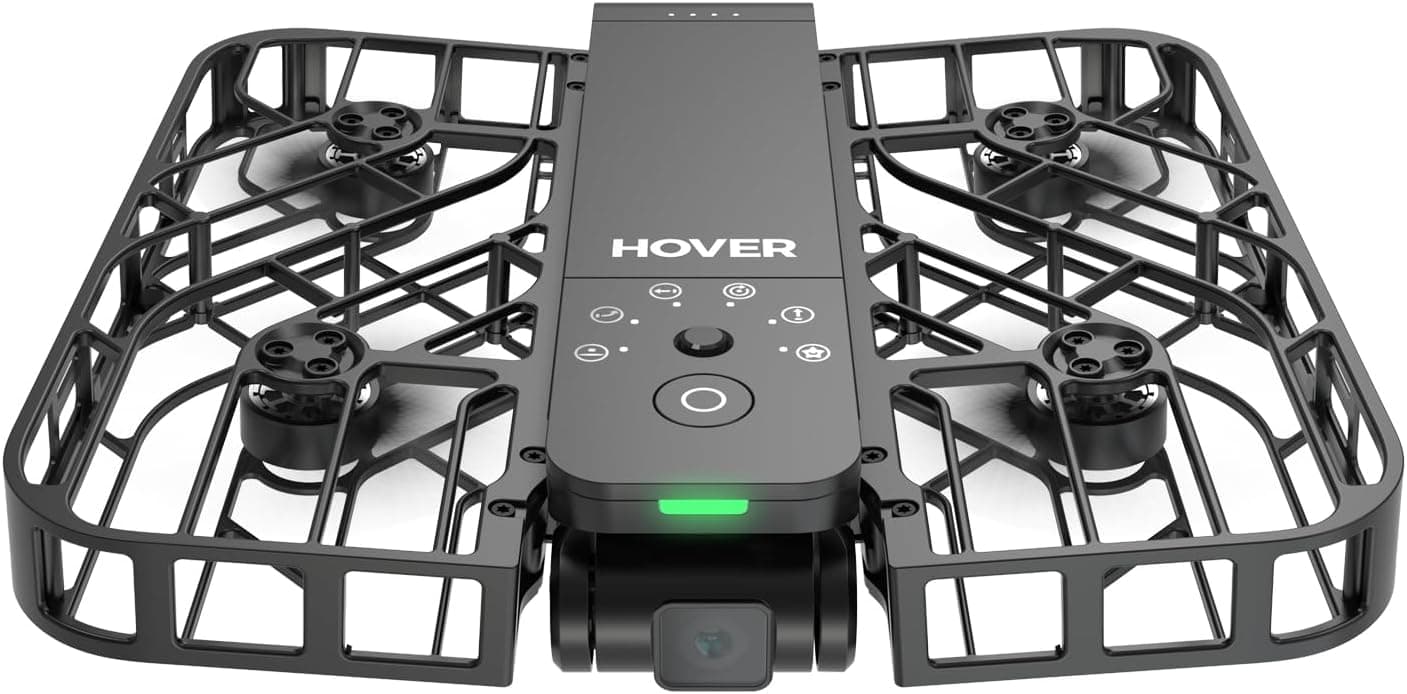
| HOVERAir X1 Smart Flying Camera | 125g fully enclosed folding frame | Premium (approx £300–£350) | Higher cost; limited manual controller compatibility | View on Amazon |
Alternatives to Consider for Different Budgets
1. The Low-Cost Starter Option: Ryze Tech Tello Drone
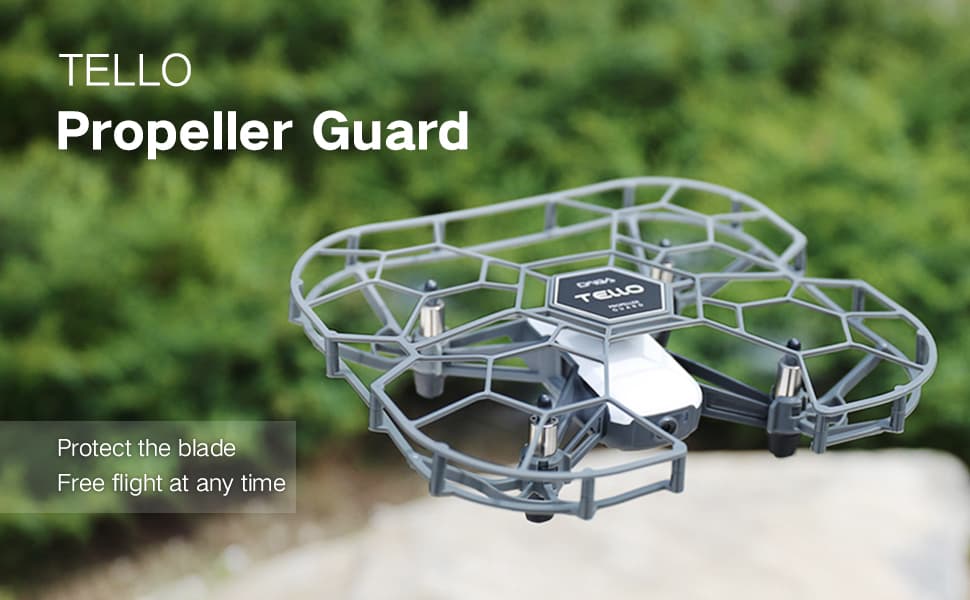
If you aren't sure whether your child will maintain interest in flying after two weeks, spending roughly £170 or more on the DJI Neo might feel steep. The Ryze Tech Tello Drone remains a popular budget alternative. Powered by DJI flight control technology, the Tello weighs just 80 grams and comes with basic clip-on propeller guards.
The trade-offs are straightforward: the Tello records in 720p HD rather than 4K, saves video directly to your smartphone via Wi-Fi (which can lead to choppy clips if connection drops), and lacks built-in internal memory. However, for younger children interested in learning STEM concepts, the Tello supports Scratch block programming, allowing kids to code flight paths on a tablet. It is a lower-risk entry point if scratch-and-dent durability matters more than pristine camera footage.
2. The Hands-Free Vlog Specialist: HOVERAir X1 Smart Flying Camera
For families who prioritize personal camera tracking over manual remote-control piloting, the HOVERAir X1 Smart Flying Camera is a compelling premium alternative. Featuring a unique enclosed carbon-fiber enclosure that folds in half like a paperback book, the HOVERAir X1 is built exclusively for automated tracking, flying out from your hand to record family hikes or bike rides before returning automatically.
It shoots in 2.7K video and operates entirely without a traditional remote joystick interface. However, it sits in a noticeably higher price tier than the DJI Neo and lacks the versatility to grow into a traditional RC quadcopter, making it better suited for older teenagers or active families who want zero learning curve.
Buying Advice for Parents: What to Know Before Flying
1. Storage and Transfer Methods
The DJI Neo includes 22GB of onboard internal storage, holding around 40 minutes of 4K footage. It does not feature a micro-SD card slot. Footage is downloaded quickly to a smartphone over Wi-Fi 6 using the DJI Fly app. This is actually a benefit for family convenience, as you don't need to hunt for tiny memory cards or separate card readers.
2. Consider Battery Accessories
Because real-world flight times hover around 12 minutes, purchasing a single-battery setup often leads to frustrated kids waiting by a wall socket. If budget allows, opting for bundles that include extra batteries and a two-way charging hub makes outdoor park outings significantly more enjoyable.
3. Setting Up Safety Limits in the App
When connecting the Neo to a smartphone via the DJI Fly app, parents can set maximum altitude and distance boundaries (for instance, capping height at 15 meters and distance at 30 meters). This prevents adventurous kids from sending the drone out of visual line of sight or over tall tree canopies before they master basic controls.
Final Verdict: Should You Buy the DJI Neo for a Young Pilot?
The DJI Neo Drone strikes a rare balance in the educational tech and drone market. By placing rigid, full-coverage propeller guards around an ultra-light 135g frame, DJI has created a quadcopter that eliminates the high blade-injury risk of traditional camera drones without resorting to flimsy toy components. Its palm-launch tracking modes mean a 10-year-old can achieve smooth aerial shots within minutes, while optional smartphone or physical controller pairing leaves room for skill growth over time.
While heavy winds will test its lightweight frame and single-battery flight times require realistic management, the Neo is currently the standard-setter for family-friendly aerial photography. If you want a real, high-resolution camera drone that won't shatter on its first impact or pose a threat to indoor furniture, the DJI Neo is a confident purchase.