As an Amazon Associate I earn from qualifying purchases. This page contains affiliate links, and I may earn a commission at no extra cost to you.
The £500 Question: Can a Dedicated Pocket Camera Still Justify Its Existence?
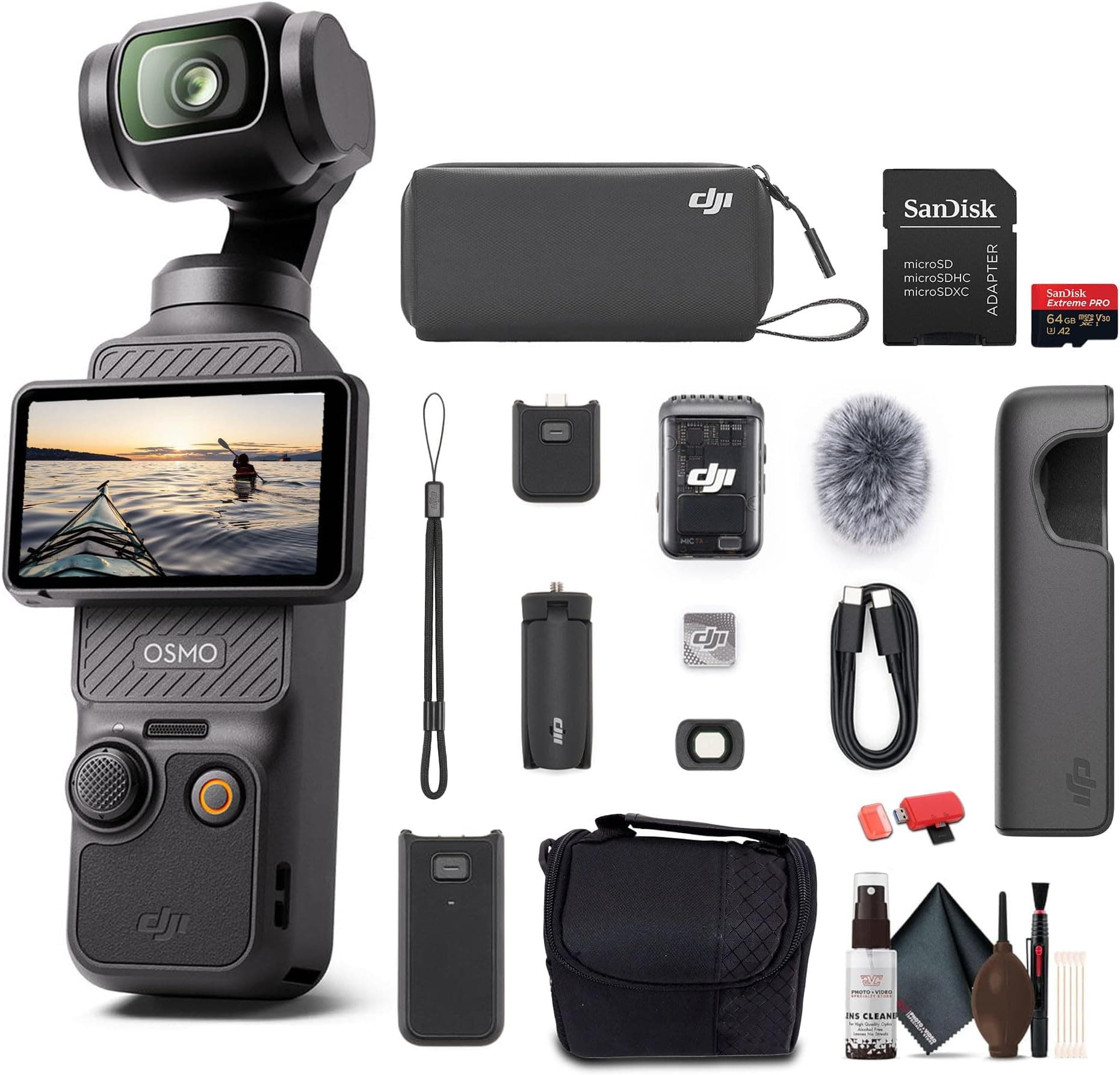
Modern flagship smartphones shoot cinematic 4K video, boast complex computational multi-frame HDR, and fit neatly in your jeans pocket. Yet your social feeds have likely been dominated by creators filming effortless, hyper-smooth walking shots with a tiny device sporting a rotating square screen: the Check today's price on Amazon.
At roughly £500 for the standalone unit—and significantly more if you opt for the creator combo package—this handheld gimbal camera commands serious money. If you are shopping for an aspiring content creator, a frequent holidaymaker, or even eyeing an upgrade for your own video production, you need to know whether dedicated hardware genuinely outclasses a £1,000 phone or simply replicates what your handset already does.
The short answer? Optical physics and mechanical engineering still beat software tricks. However, the Pocket 3 is not an all-weather action camera, nor is it completely immune to ergonomic quirks. This breakdown evaluates its hardware capabilities, compares it against the strongest alternatives on the market, and explains precisely who will get their money's worth.
The Core Advantage: 1-inch Sensor vs Computational Smartphone Video
The headline upgrade on the Osmo Pocket 3 is its 1-inch CMOS sensor. To understand why this matters, look at how smartphones produce video. Handsets rely on relatively tiny physical sensors backed by aggressive digital sharpening, artificial noise reduction, and software-generated depth-of-field effects.
When light drops—such as inside a dimly lit restaurant, during an evening street walk, or under stage lighting—smartphone footage inevitably introduces jitter, micro-stuttering from electronic image stabilisation (EIS), and mushy shadows. The 1-inch sensor inside the Pocket 3 collects vastly more physical photons. That delivers clean, organic dynamic range up to 4K at 120fps, authentic shallow depth of field, and usable high-ISO low-light performance without artificial edge halos.
Add 10-bit D-Log M colour recording into the mix, and video editors gain immense latitude to grade footage to match professional mirrorless cameras—a workflow that heavily compressed 8-bit smartphone video simply cannot withstand without artifacting.
3-Axis Mechanical Gimbal vs Electronic Stabilisation
Phone manufacturers tout "action modes" and optical image stabilisation (OIS), but electronic stabilisation inherently crops the frame by 10% to 20% and introduces motion blur artifacts when walking in low light. The DJI Osmo Pocket 3 uses a miniaturised, physical 3-axis brushless gimbal.
Because the physical camera tilts, pans, and rolls to counteract hand movement, the sensor captures full uncropped frames with natural motion blur shutter speeds intact. The result is that distinct, fluid "floating" aesthetic that feels cinematic rather than digitally altered. For travel vlogging and walk-and-talk framing, this mechanical isolation eliminates the jarring footstep bounce that plagues handheld smartphone footage.
Key Features That Redefine Creator Workflow
The 2-inch Rotatable OLED Display
DJI solved one of the biggest usability gripes of earlier Pocket iterations by installing a vibrant 2-inch OLED touchscreen that rotates with a crisp, tactile click. Turning the screen horizontally powers the device on and sets it to 16:9 landscape mode in less than two seconds; rotating it vertically boots straight into 9:16 portrait mode for TikTok and Instagram Reels. It is fast, intuitive, and removes the friction of digging through nested software menus.
ActiveTrack 6.0 Subject Tracking
Solo creators frequently struggle with framing when setting a camera down. With ActiveTrack 6.0, you can place the Pocket 3 on a mini tripod, double-tap your face on the touchscreen, and move around the room. The mechanical gimbal quietly pivots to keep you dead-centre or locked to a golden-ratio compositional guideline. For cooking demonstrations, desk tutorials, or solo travel presentation, this single feature eliminates the need for a dedicated camera operator.
Audio Capture and Fast Charging
Audio is half of any video. The Pocket 3 integrates three built-in omnidirectional microphones that can triangulate sound and reduce wind noise, but its true superpower is the built-in receiver for the DJI Mic 2 transmitter. Powering on an external wireless mic connects it directly to the camera without bulky dongles. When shooting on location, the internal battery reaches an 80% charge in just 16 minutes using a standard fast PD charger.
Where the Pocket 3 Falters: Real-World Limitations
No piece of tech is without compromises, and the Pocket 3 has several distinct vulnerabilities:
- Zero Waterproofing: Unlike an action camera, the exposed motorized gimbal and open seams mean you cannot shoot in heavy downpours, sea spray, or dusty sandstorms without risking permanent motor damage.
- Drop Fragility: A single drop onto concrete while the gimbal head is powered and active can strip the micro-gears or knock the sensor alignment out of calibration. It demands deliberate handling.
- Fixed Wide Lens: With a 20mm equivalent focal length (f/2.0), you get an ideal wide-angle field of view for vlogging, but there is no optical telephoto zoom. Cropping digitally past 2x degrades the 1-inch sensor benefit.
Comparing the Best Pocket Creation Tools
If you are deciding how to spend £300 to £500 on content capture hardware, several distinct camera types compete for your attention. Here is how the top contenders stack up:
| Camera Model | Sensor / Video Spec | Primary Strength | Price Band | Amazon Link |
|---|---|---|---|---|
| DJI Osmo Pocket 3 | 1-inch CMOS / 4K 120fps | Mechanical 3-axis gimbal & low-light dominance | Premium (~£480-£620) | Check today's price on Amazon |
| Insta360 X4 | Dual Lenses / 8K 30fps 360° | Reframing & invisible selfie stick effects | Premium (~£450-£500) | Check today's price on Amazon |
| GoPro HERO12 Black | 1/1.9-inch / 5.3K 60fps HDR | Rugged waterproof chassis for extreme sports | Mid-range (~£300-£380) | Check today's price on Amazon |
| Canon PowerShot V10 | 1-inch CMOS / 4K 30fps | Built-in stand & straightforward pocket vlogging | Mid-range (~£280-£350) | Check today's price on Amazon |
Examining the Alternatives
Insta360 X4: The Infinite Angle Creator
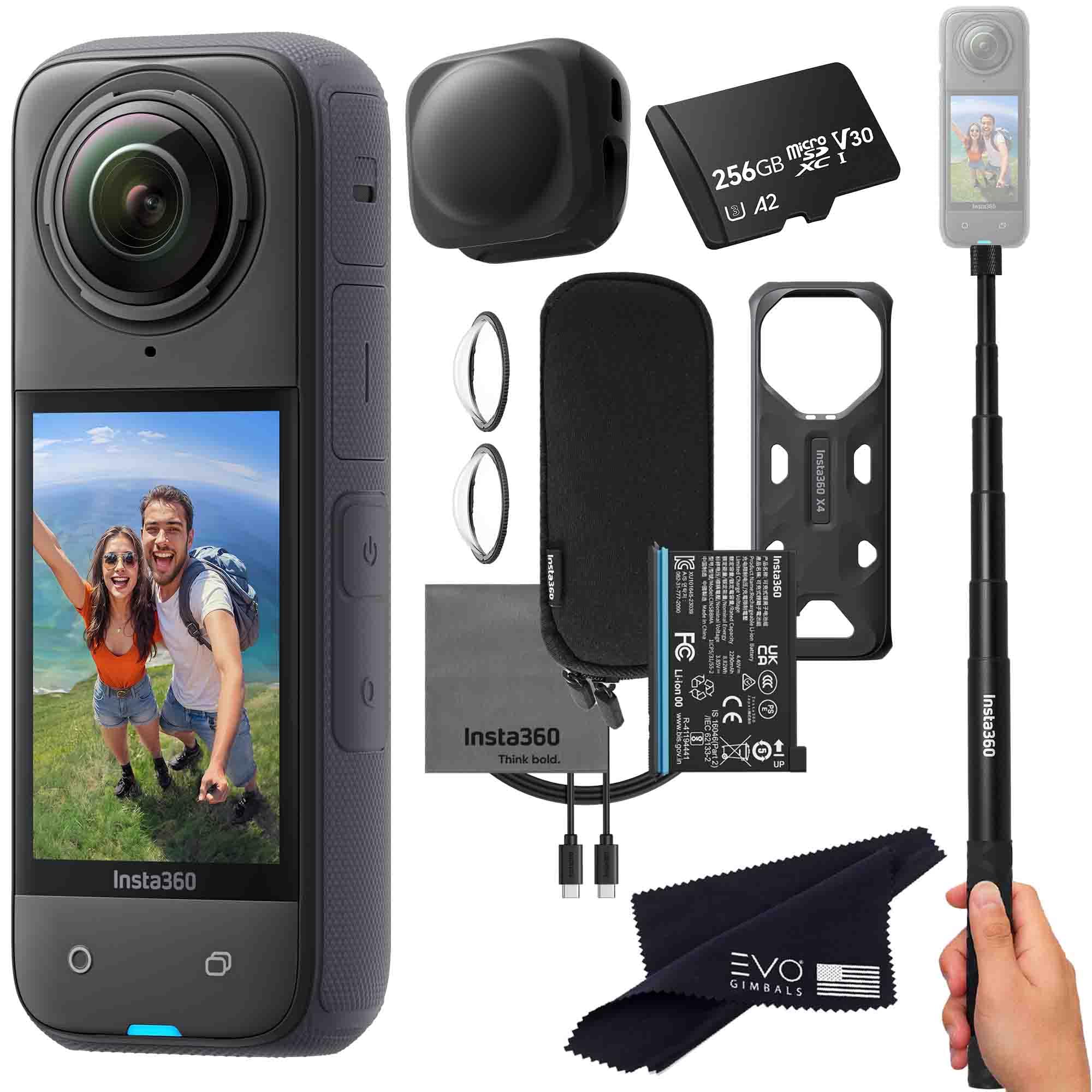
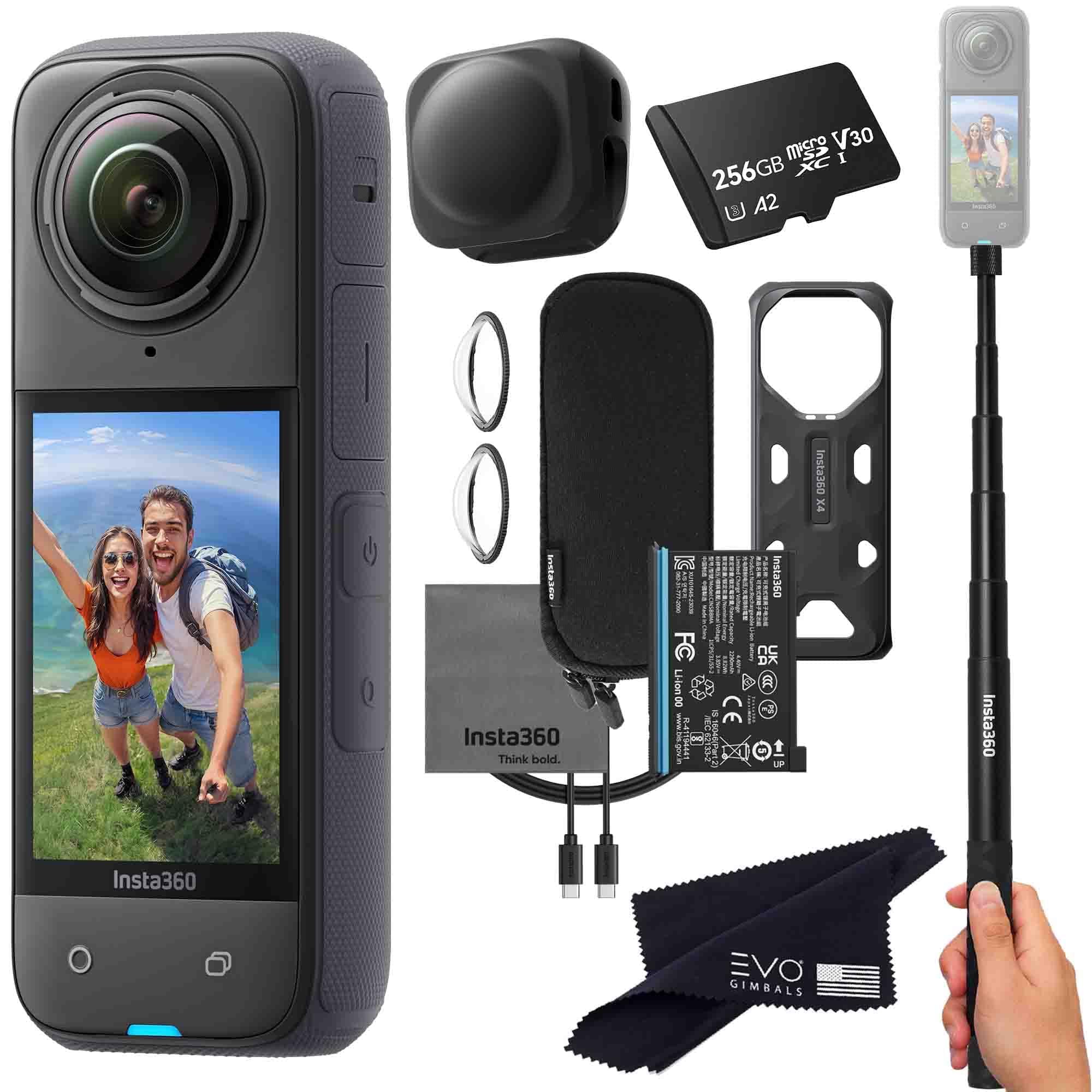
For high-energy travel and sports where framing a shot while moving is impossible, the Check today's price on Amazon provides a compelling counter-argument to the Pocket 3. Capturing full 360-degree footage at 8K 30fps or 5.7K 60fps, it records everything around you simultaneously.
Using the companion mobile app, you can choose where to point the virtual camera after you have finished filming. Its algorithmic Invisible Selfie Stick effect creates drone-like third-person perspectives that no standard wide-angle gimbal can replicate. At 165g with user-replaceable lens guards and 360° Horizon Lock, it thrives in fast-paced scenarios where the delicate gimbal of the Pocket 3 would be at serious risk.
GoPro HERO12 Black: The Indestructible Workhorse
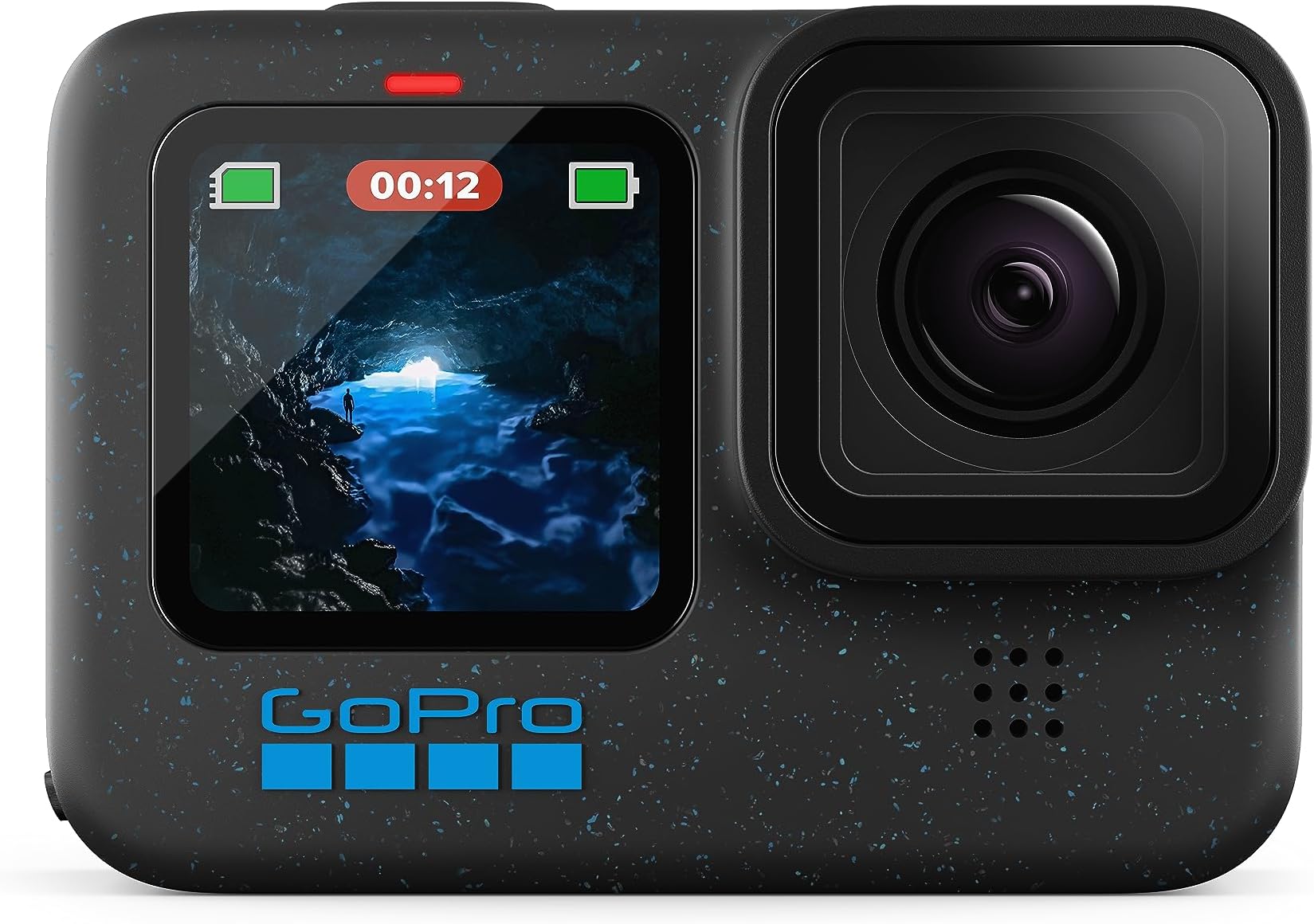
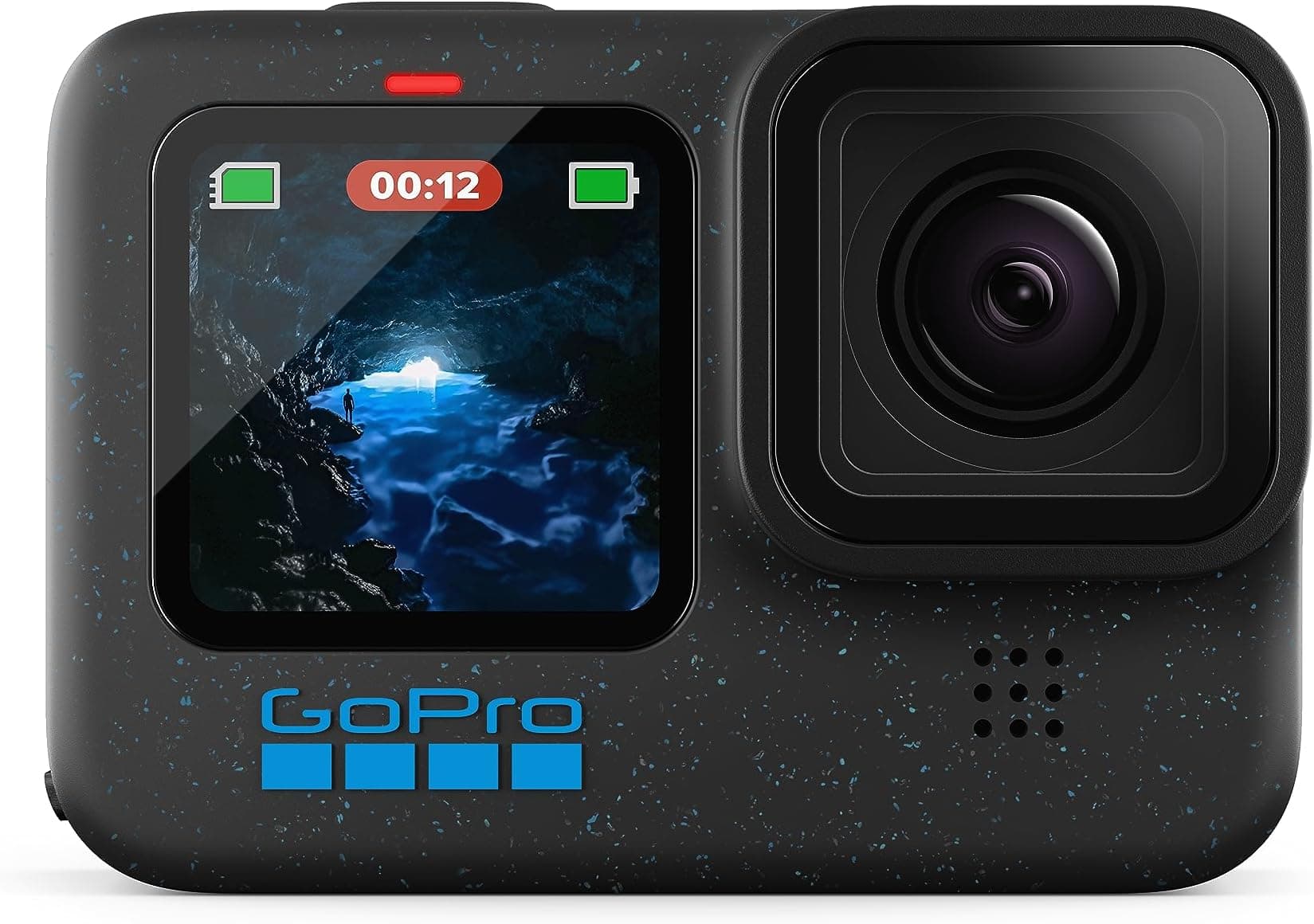
If your travel involves scuba diving, mountain biking, or rainy mountain trails, the Check today's price on Amazon remains the durability benchmark. Featuring a tough exterior waterproof to 10 metres (33ft) straight out of the box, it records crisp 5.3K video with rock-solid HyperSmooth digital stabilisation.
While its smaller sensor struggles in dim indoor lighting compared to the Pocket 3's 1-inch glass, the HERO12 Black will survive drops into mud, snow, and salt water that would instantly destroy a motorized gimbal. It is an adventure tool first and foremost.
Canon PowerShot V10: The Budget-Conscious Desk & Travel Compact
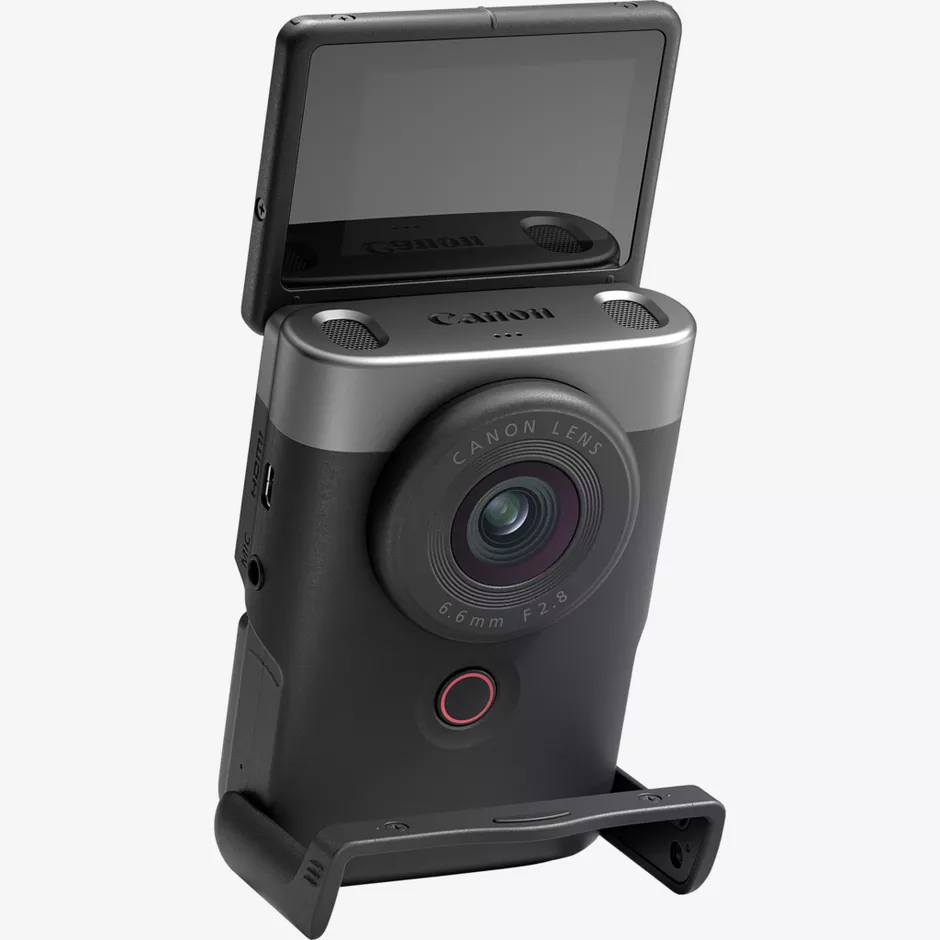
If you want the clean optical depth of a 1-inch sensor without spending £500 on motorized stabilisation, the Check today's price on Amazon offers a pocketable all-in-one form factor. Designed deliberately for simple one-handed operation, it includes a flip-up screen, large built-in stereo microphones with wind filtering, and an integrated multi-position kickstand that lets you position the camera on any flat surface without carrying a tripod.
While its digital electronic image stabilisation cannot match the buttery walking shots of the Osmo Pocket 3, it provides a very capable, fuss-free setup for sit-down vlogging and static travel recording at a much friendlier price point.
Who Should Buy the DJI Osmo Pocket 3?
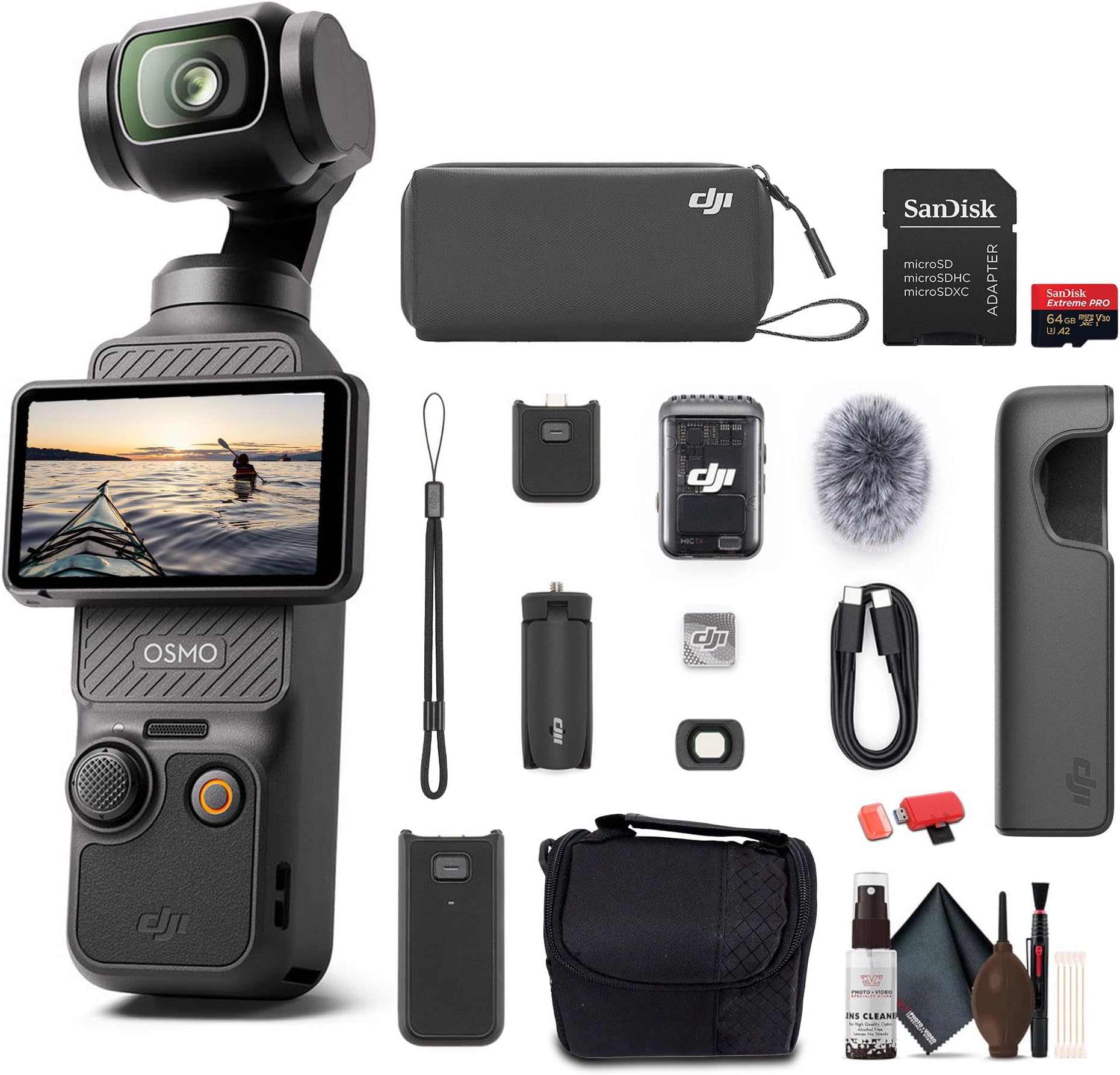
The Pocket 3 is an ideal purchase for:
- Solo vloggers and lifestyle creators who need reliable AI tracking, fast horizontal-to-vertical screen switching, and flawless walk-and-talk stabilisation without lugging a full mirrorless rig.
- Travellers visiting cities, restaurants, and cultural spots where low-light capability and discreet, non-intrusive filming matter far more than rugged water resistance.
- Anyone seeking a standout creative gift that immediately delivers professional video fidelity without a steep technical learning curve.
Conversely, if you primarily film high-impact action sports, water sports, or harsh outdoor expeditions, pick an action camera like the HERO12 Black or Insta360 X4 instead.
Final Verdict
The Check today's price on Amazon genuinely earns its viral reputation. By combining a light-hungry 1-inch sensor with a mechanical 3-axis gimbal, it solves the two biggest visual bottlenecks of smartphone filming: low-light digital noise and walking-motion jitter. For city travel, lifestyle content creation, and solo presentation, it represents one of the most effective £500 hardware upgrades available today.