As an Amazon Associate I earn from qualifying purchases. This page contains affiliate links, and I may earn a commission at no extra cost to you.
The Instant-Wheel Transition: Real Upgrade or Registry Hype?
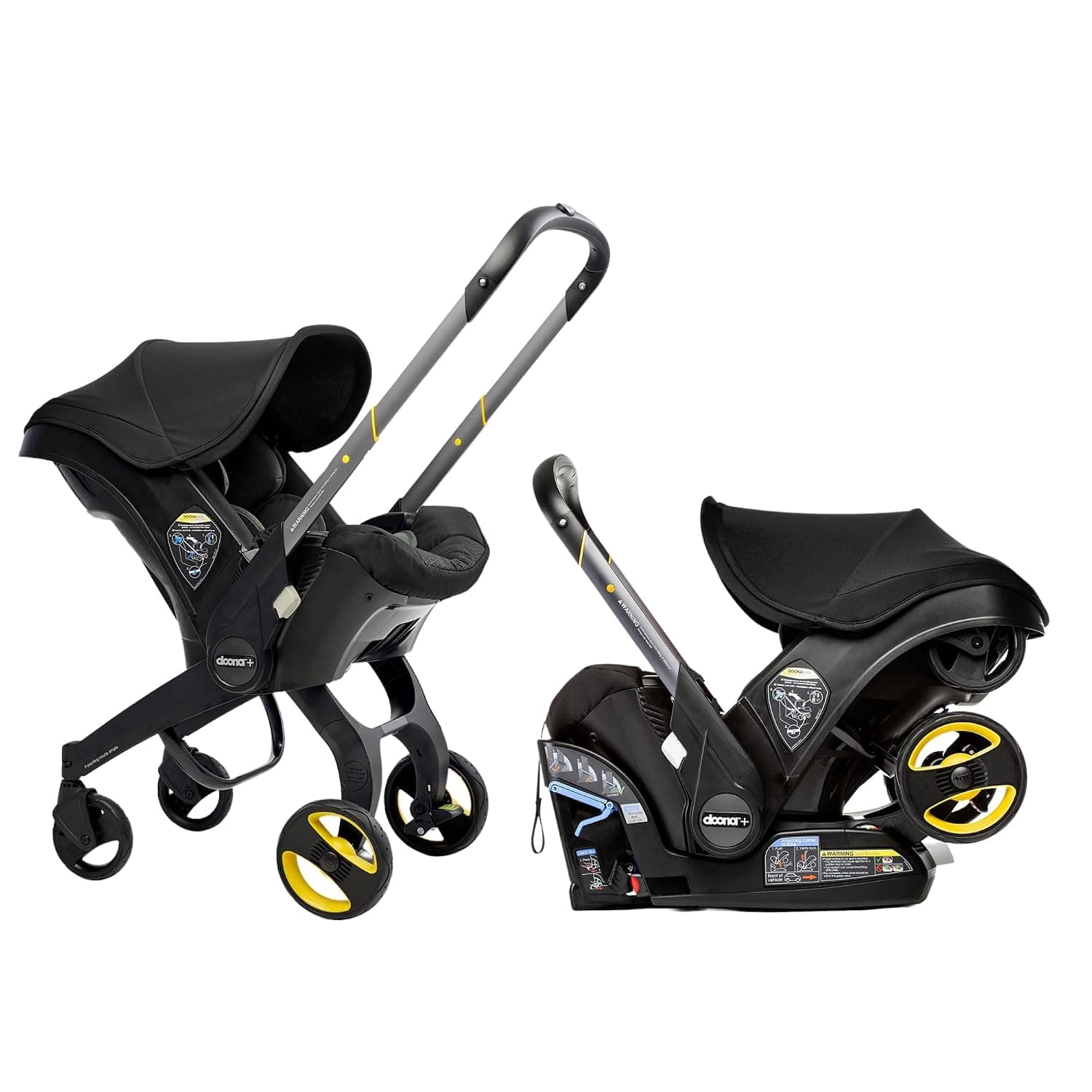
Few pieces of nursery gear generate as much visual envy on pavements and airport concourses as the Doona. The appeal is instantly obvious: you pull a sleeping baby out of a taxi or the back seat of your car, squeeze a lever on the handlebar, and four wheels drop down to turn your car seat into a functional pushchair in roughly two seconds. No bulky stroller chassis to unpack from the boot, no fiddling with plastic adaptors while standing in the rain, and no waking up an infant who just drifted off.
That convenience explains why it sits near the top of countless baby registries and collective family gift pools. Yet, behind the slick demonstration videos lies a fundamental question every parent must weigh: does an all-in-one system that only lasts roughly 12 to 15 months justify a premium price tag? Once your child exceeds 13 kg or their head reaches within an inch of the top of the shell, you will have to buy a standard pushchair and a next-stage car seat anyway.
This buying guide breaks down the real-world engineering, daily ergonomic compromises, safety accreditations, and alternative infant travel setups so you can decide if the Check today's price on Amazon matches your family routine.
How the Doona Infant Car Seat and Stroller Works
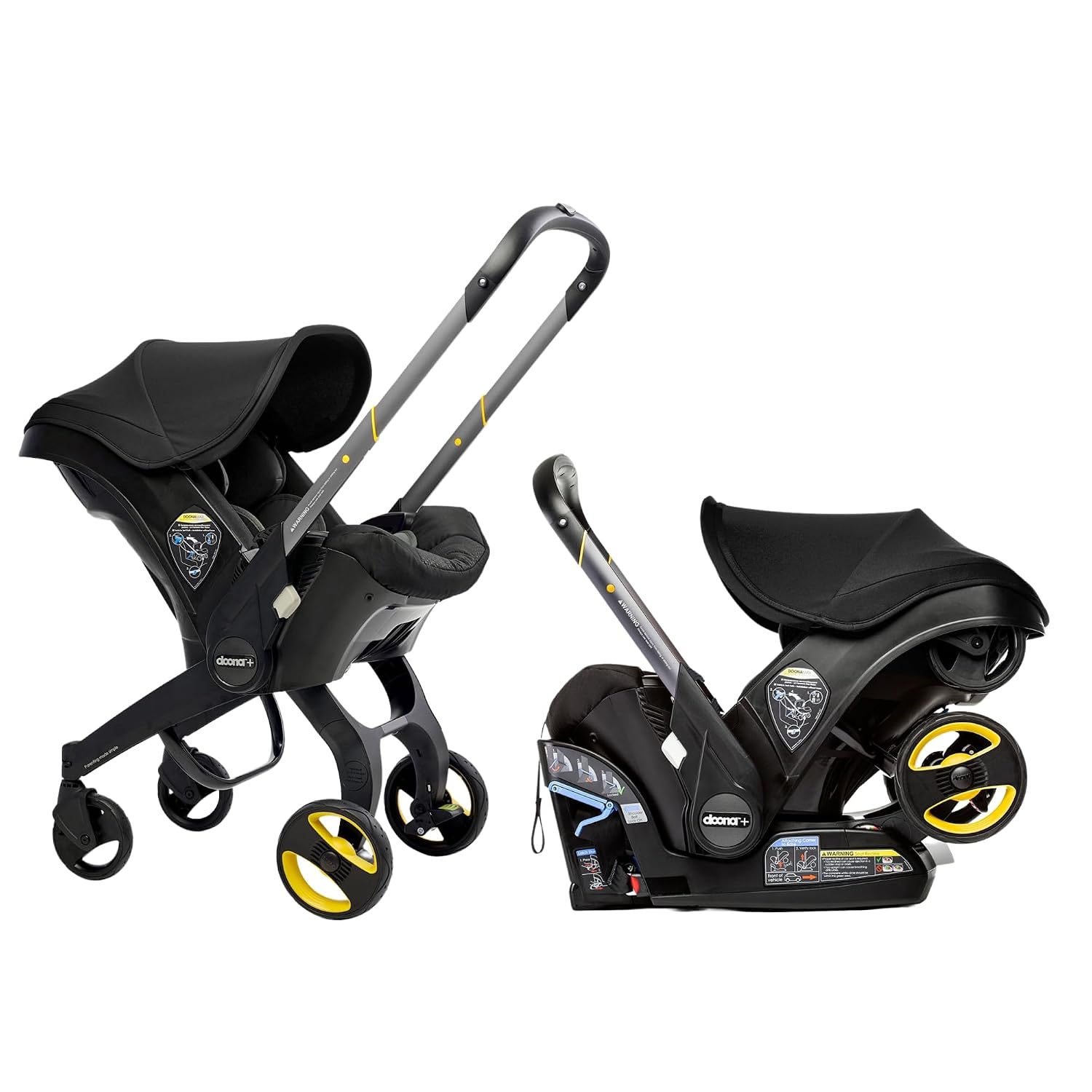
At its core, the Doona is a Group 0+ infant carrier with an integrated chassis and retractable wheels. In vehicle mode, the wheels fold tightly against the shell, allowing the seat to be secured with a vehicle's standard three-point seatbelt or installed atop a dedicated ISOFIX base. Once you arrive at your destination, an integrated release mechanism drops the wheels and extends the handlebar forward, instantly creating an agile, compact pram.
Build Quality and Mechanical Engineering
Constructed with a double-wall structure that provides enhanced side-impact protection, the Doona feels remarkably solid. The shell absorbs energy effectively, and the fabrics are wipe-clean and durable. However, housing both the wheel suspension mechanisms and the car seat shell in a single unit carries a noticeable physical penalty: weight. The Doona weighs roughly 7 kg before you place a baby inside it. By month six, carrying this seat up a flight of tenement stairs without deploying the wheels is a genuine physical workout.
The push mechanism itself is smooth on flat pavements, tiled shopping centres, and tarmac. The front swivel wheels navigate tight shop aisles effortlessly. That said, small wheels with minimal suspension struggle on cobblestones, gravel paths, and rough grass, transmitting vibrations straight to the seat.
Storage and Everyday Compromises
Traditional travel systems offer a massive under-seat basket for nappies, shopping, and changing mats. Because the Doona's wheels fold inward directly against the underside of the shell, built-in undercarriage storage is impossible. The manufacturer and third parties address this with snap-on accessory bags that attach to the back of the seat, designed with quick-access compartments to hold everyday essentials like spare clothes and wipes up to a limited weight limit so the seat does not tip.
The Critical Trade-Offs You Need to Know
Before adding the Doona to your shopping list or baby shower registry, evaluate these three specific constraints against how you live your daily life:
- The Strict 2-Hour Rule: Paediatric health guidance recommends that newborns and young babies spend no longer than two continuous hours in a bucket-style infant car seat to maintain optimal breathing posture and spinal alignment. Because the Doona does not recline completely flat in stroller mode, it cannot replace a lie-flat bassinet for all-day weekend walks.
- Substantial Lifting Weight: At 7 kg unloaded, it is significantly heavier than standalone infant carriers like the Silver Cross Dream (around 4.2 kg) or Cybex Cloud series (approx. 4.5 kg). If your home involves several flights of stairs without a lift, lifting the chassis repeatedly becomes taxing.
- Short Usage Window: As a Group 0+ seat, its ceiling is 13 kg (approx. 81 cm tall), which most babies reach between 12 and 15 months. Once outgrown, you start from scratch on both a toddler car seat and a primary pushchair.
Comparing the Top Infant Travel Seats
To give you a realistic view of how the Doona compares against traditional premium infant carriers that pair with separate pushchairs, here is a breakdown of the three leading options:
| Model | Key Spec / USP | Price Band | Best For | Amazon Link |
|---|---|---|---|---|
| Doona Infant Car Seat and Stroller | Integrated pop-out wheels, 7 kg total weight, Group 0+ (up to 13 kg) | Premium | City dwellers, frequent cab users, and airline travellers | Check today's price on Amazon |
| Cybex Cloud T i-Size Infant Car Seat | Ergonomic near-flat recline outside the car, 180° rotation on base, i-Size compliant | Premium | Parents wanting ergonomic lie-flat positions on a stroller chassis | Check today's price on Amazon |
| Silver Cross Dream i-Size Infant Car Seat | Best-ever ADAC safety rating, anti-bacterial bamboo fabrics, 5-position headrest | Mid-to-Premium | Safety-first parents who want maximum impact protection and natural fabrics | Check today's price on Amazon |
Detailed Look at the Top Contenders
1. Top Innovation Pick: Doona Infant Car Seat and Stroller
If your daily routine involves regular transitions between private vehicles, Uber or black cabs, nursery drop-offs, and short urban errands, the Check today's price on Amazon provides unmatched friction-free utility. Eliminating the need to store a separate chassis in your boot leaves your entire luggage space open for groceries or luggage.
For air travel, the Doona is certified for aircraft use, meaning you can wheel it down the jetway right to the plane door, fold the wheels in one step, and install it directly into an airline seat. The convenience during solo travel with an infant cannot be overstated.
2. Best for Ergonomics: Cybex Cloud T i-Size Infant Car Seat
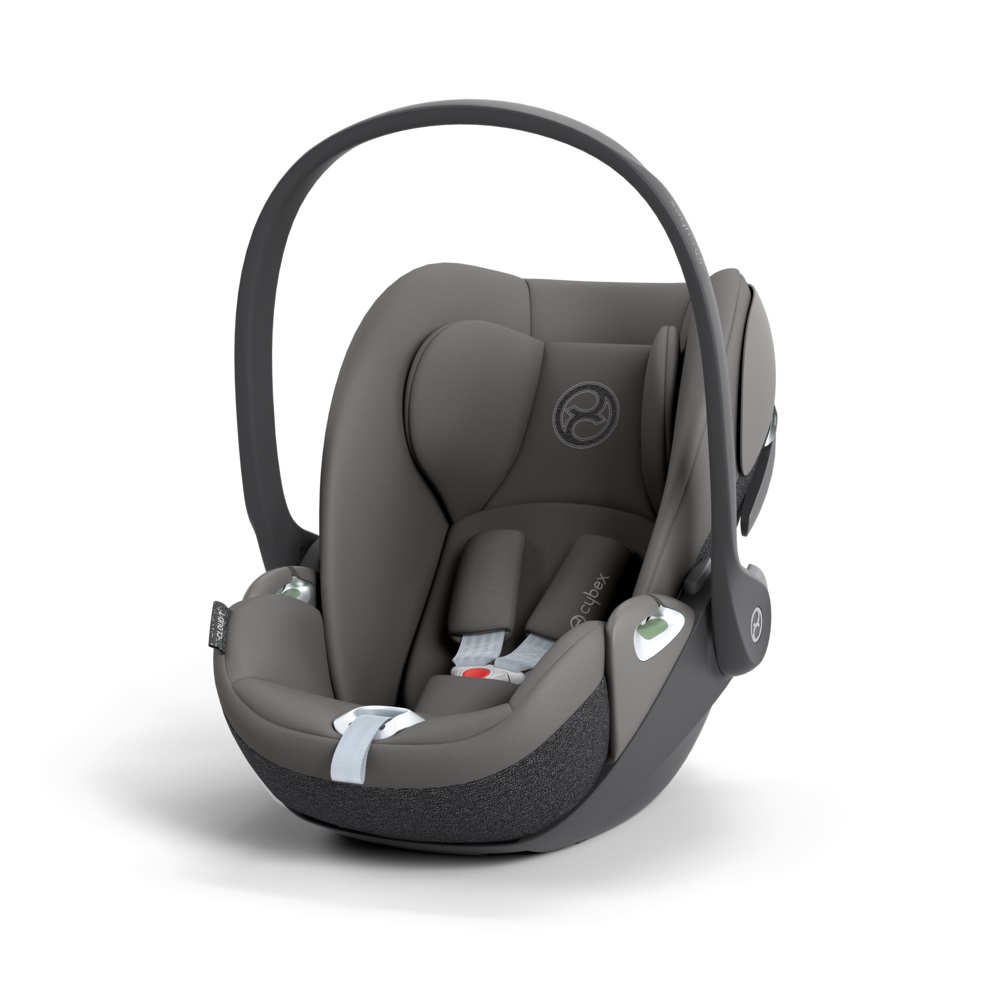
For parents concerned about newborn posture and extended nap times, the Check today's price on Amazon offers an innovative solution. Unlike fixed-shell seats, the Cloud T features an ergonomic lie-flat recline when clicked onto compatible pram chassis outside the vehicle, plus an in-car semi-recline function when used with its rotating ISOFIX base.
When combined with breathable fabrics and an optional summer cover (often blended from 85% cotton and 15% polyester for moisture management), it keeps infants cool and comfortably positioned on longer outings. You will need a separate pushchair frame, but you gain maximum ergonomic flexibility for longer walks.
3. Best for Pure Crash Safety: Silver Cross Dream i-Size Infant Car Seat
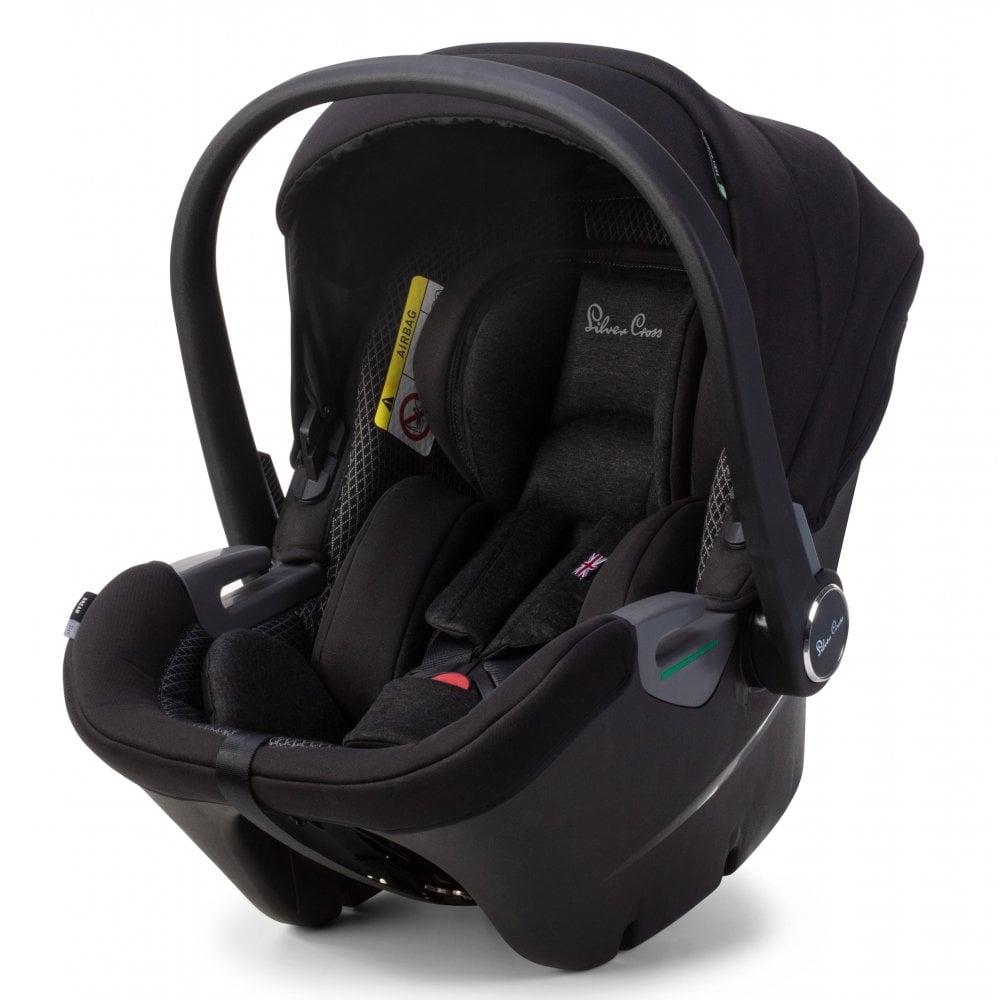
If independent crash-test ratings are your primary purchasing metric, the Check today's price on Amazon stands out distinctly. Engineered with four layers of side-impact protection, the Dream achieved the best-ever safety score recorded by independent automotive testing body ADAC when tested with its dedicated ISOFIX base.
Its interior is lined with naturally anti-bacterial, super-soft bamboo fabric that provides superior breathability for sensitive newborn skin. A five-position adjustable headrest and removable newborn insert ensure the harness and side bolsters adapt precisely as your baby grows up to approximately 15 months (13 kg).
Who Should Buy the Doona — and Who Should Skip It?
The Doona is ideal for:
- Urban dwellers without a dedicated car: Families relying heavily on taxis, rideshares, and car-sharing clubs benefit massively because you never need to leave a pram frame behind or fit one into a small boot.
- Frequent flyers and road trippers: Navigating airports, train stations, and rental car counters becomes dramatically easier when your car seat is your pushchair.
- Families doing multiple short school runs: If you are constantly loading and unloading an infant to drop older siblings at school, saving five minutes per stop preserves your sanity.
- Group gift registries: Its all-in-one novelty and undeniable utility make it a standout candidate for joint office, family, or friend contributions.
You should look elsewhere if:
- You take long countryside or park walks: The small wheels lack the suspension and tyre diameter required for uneven dirt trails, muddy paths, or rough grass.
- You live in a walk-up flat without a lift: Hauling a 7 kg seat plus a growing baby up several flights of stairs daily will quickly lead to fatigue.
- You want a single pushchair system from birth to toddlerhood: Buying a modular travel system with a bassinet and reversible toddler seat provides far better long-term value across three to four years.
The Bottom Line
The Check today's price on Amazon does not pretend to be an all-terrain, four-year pushchair solution. It is a specialised, high-convenience tool engineered for the chaotic first year of parenthood. If your lifestyle revolves around urban transport, flights, and frequent car transitions, the daily friction it eliminates easily justifies the price tag. For everyone else, a dedicated i-Size infant carrier paired with a versatile pram remains the more practical long-term investment.