As an Amazon Associate I earn from qualifying purchases. This page contains affiliate links, and I may earn a commission at no extra cost to you.
The Crucial Choice: Why Extended Rear-Facing Matters
It's August 2026, and if you're a new parent, you've likely already heard the conflicting advice about car seats. When should you turn your child's seat forward? The playground chatter might tell you to flip it once they hit a certain age or weight, but the science and official recommendations paint a clearer, more cautious picture: keeping your child rear-facing for as long as possible is simply safer.
The truth is, a child's body isn't just a miniature adult body. Their head is disproportionately large, and their spine and neck bones are still developing, making them incredibly vulnerable in a collision. When a child faces forward, their torso is held by the harness, but their heavy head and undeveloped neck are flung forward with immense force. This can lead to severe spinal cord and head injuries.
Rear-facing car seats, however, work by cradling the child's entire back, neck, and head. In a frontal crash (the most common and often most severe type), the forces are distributed across their entire body, absorbing the impact much more effectively. This dramatically reduces the stress on their fragile neck and spine. Major safety organisations, including the American Academy of Pediatrics (AAP) and most national safety bodies, now recommend keeping children rear-facing until they reach the maximum height or weight limit of their convertible car seat, often well past their second birthday, and ideally much longer.
The good news? Car seat manufacturers have responded to this vital safety data. Today, many convertible car seats are designed to support extended rear-facing, offering higher weight and height limits that allow children to remain in the safer orientation for years. This isn't just about meeting a minimum requirement; it's about giving your child the absolute best protection available. Let's look at some of the best models that excel in this critical area, helping ease parent anxiety by truly prioritising safety.
Our Top Picks for Extended Rear-Facing Car Seats
Graco Extend2Fit Convertible Car Seat
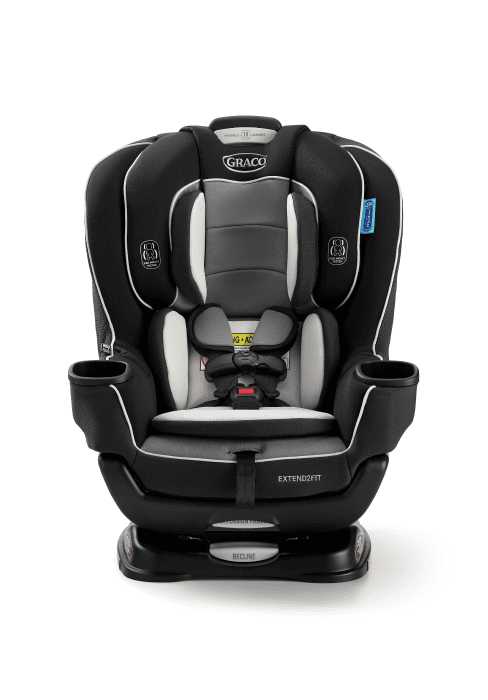
The Graco Extend2Fit Convertible Car Seat has become a go-to recommendation for parents who want to maximise rear-facing safety without breaking the bank. It earns its name by explicitly addressing the most common reason parents turn their children forward too soon: legroom. Kids outgrow legroom comfort long before they outgrow the seat's safety limits, and Graco tackles this head-on with its innovative extendable panel.
Design & Build
The Extend2Fit has a solid, practical design. It might not boast the ultra-premium fabrics or sleek aesthetics of some higher-end competitors, but it’s certainly not flimsy. Based on published specs and verified owner feedback, the plastics feel durable, and the steel-reinforced frame provides critical structural integrity. The fabric is generally soft and easy enough to clean, which is a major plus when you're dealing with toddler messes. It's a moderately sized seat, meaning it might take up a bit more room front-to-back in smaller vehicles, particularly in the most reclined rear-facing positions, but its overall footprint is manageable for most family cars.
Key Features for Extended Rear-Facing
The standout feature here is undoubtedly the 4-position extension panel. This panel pulls out to provide up to 5 inches of additional legroom, allowing children to comfortably remain rear-facing up to an impressive 50 lbs (approximately 22.7 kg) or 49 inches (124.5 cm). This is crucial because it keeps toddlers from feeling cramped and prevents parents from feeling pressured to turn the seat around simply because their child's legs touch the vehicle seat back. The headrest and harness adjust simultaneously (the 'No-Rethread Simply Safe Adjust Harness System') with ten positions, ensuring a proper fit as your child grows without the hassle of rethreading straps.
Installation & Ease of Use
Installation is generally straightforward for the Extend2Fit, though like any car seat, it requires careful attention to the manual. It can be installed using either your vehicle's LATCH system (up to certain weight limits, typically 40-45 lbs depending on the specific vehicle and seat model) or the vehicle's seat belt. Owners commonly report that getting a snug fit with the seat belt can sometimes take a bit of effort, but once installed correctly, it feels secure. The recline indicator helps ensure the correct angle for rear-facing, which is essential for both safety and comfort.
Value for Money
This is where the Extend2Fit truly shines. Priced typically in the mid-range, roughly £180-£250, it offers an incredible feature set for its cost. The extended rear-facing limits and legroom panel are usually found on much more expensive seats. For parents on a budget who refuse to compromise on extended rear-facing safety, this seat represents exceptional value. It transitions to a forward-facing harness seat up to 65 lbs (29.5 kg) and then to a high-back booster up to 100 lbs (45 kg), meaning it's often the only car seat you'll need after the infant stage.
Pros: Generous 50lb rear-facing weight limit; Extendable legroom panel genuinely supports older toddlers rear-facing; Simultaneous harness and headrest adjustment; Excellent value for money; Converts to booster for long-term use.
Cons: Can be bulky in smaller cars; Fabrics, while fine, aren't as plush as premium options; Seat belt installation can sometimes be a bit fiddly to get tight.
Best for: Budget-conscious families who prioritise maximum rear-facing safety and longevity.
You can check the latest prices for the Graco Extend2Fit Convertible Car Seat here.
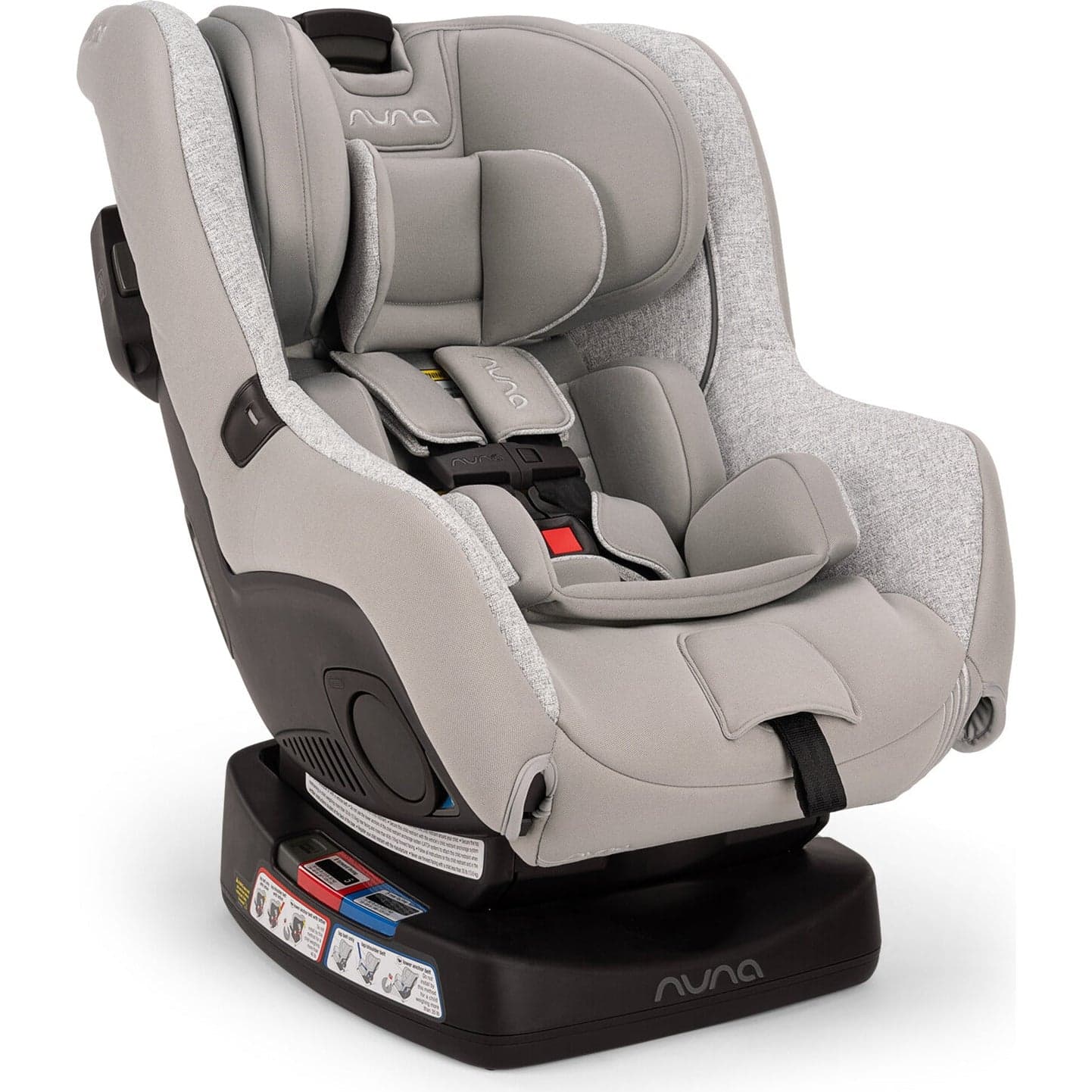
Nuna Rava Convertible Car Seat
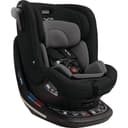
The Nuna Rava Convertible Car Seat sits firmly in the premium segment, known for its elegant design, top-tier materials, and an installation system that many parents describe as refreshingly simple. While it doesn't boast a specific legroom extension panel like the Extend2Fit, its overall design accommodates children comfortably in the rear-facing position for a substantial period.
Design & Build
Nuna is synonymous with high-end baby gear, and the Rava lives up to that reputation. Based on manufacturer specifications and widely available reviews, the Rava features high-quality, flame-resistant fabrics that are free of added fire-retardant chemicals, a significant draw for many parents concerned about chemical exposure. The overall aesthetic is sleek and modern, integrating well into various car interiors. It feels robust and well-constructed, with a steel frame and reinforced side impact protection. It's a moderately sized seat, comparable to the Extend2Fit in terms of front-to-back space, but its thoughtful design can make it feel less imposing.
Key Features for Extended Rear-Facing
The Rava offers solid rear-facing limits up to 40 lbs (approximately 18 kg) and 49 inches (124.5 cm), allowing for extended rear-facing well into toddlerhood. While this weight limit is slightly lower than the Extend2Fit, its height limit is identical, meaning most children will outgrow it by height before weight. Its