As an Amazon Associate I earn from qualifying purchases. This page contains affiliate links, and I may earn a commission at no extra cost to you.
GoPro Hero12 Black vs. DJI Osmo Action 4: Which Action Camera Reigns Supreme in 2026?
Action cameras have come a long way from the shaky, grainy footage of their early days. In August 2026, the market offers incredible stabilization, stunning resolutions, and genuinely impressive durability, making it harder than ever to pick a clear winner. For serious adventurers, content creators, and casual holiday-makers alike, two names consistently come up when discussing the best in the business: GoPro and DJI. Today, we're putting their current flagships head-to-head: the GoPro Hero12 Black and the DJI Osmo Action 4.
Both of these cameras promise incredible performance, but they approach the challenge from slightly different angles. We're going to dive deep into everything from their robust designs to their cutting-edge video tech, helping you understand which one will be your ultimate companion for capturing those unforgettable moments.
Design and Durability: Built for Battle
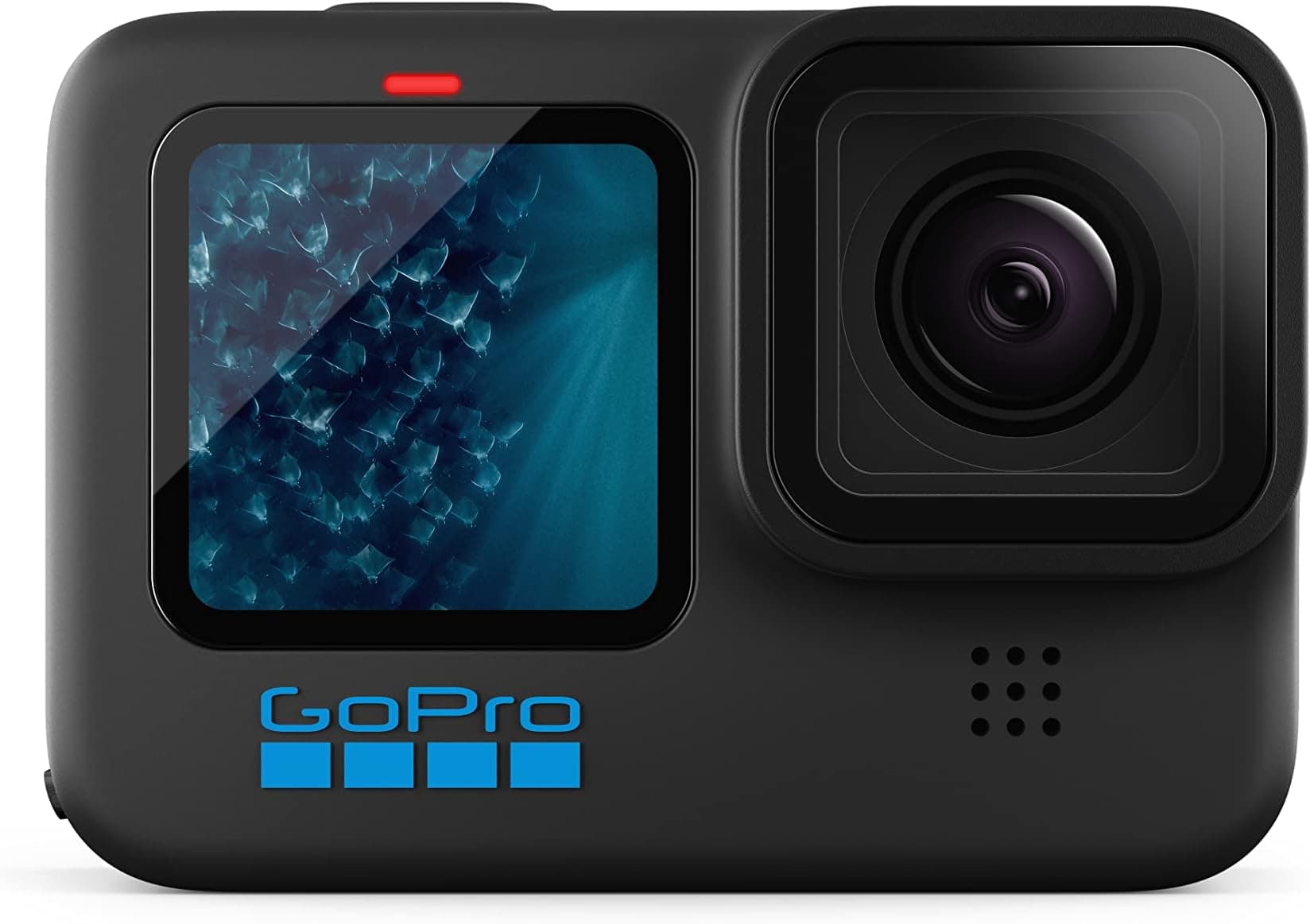
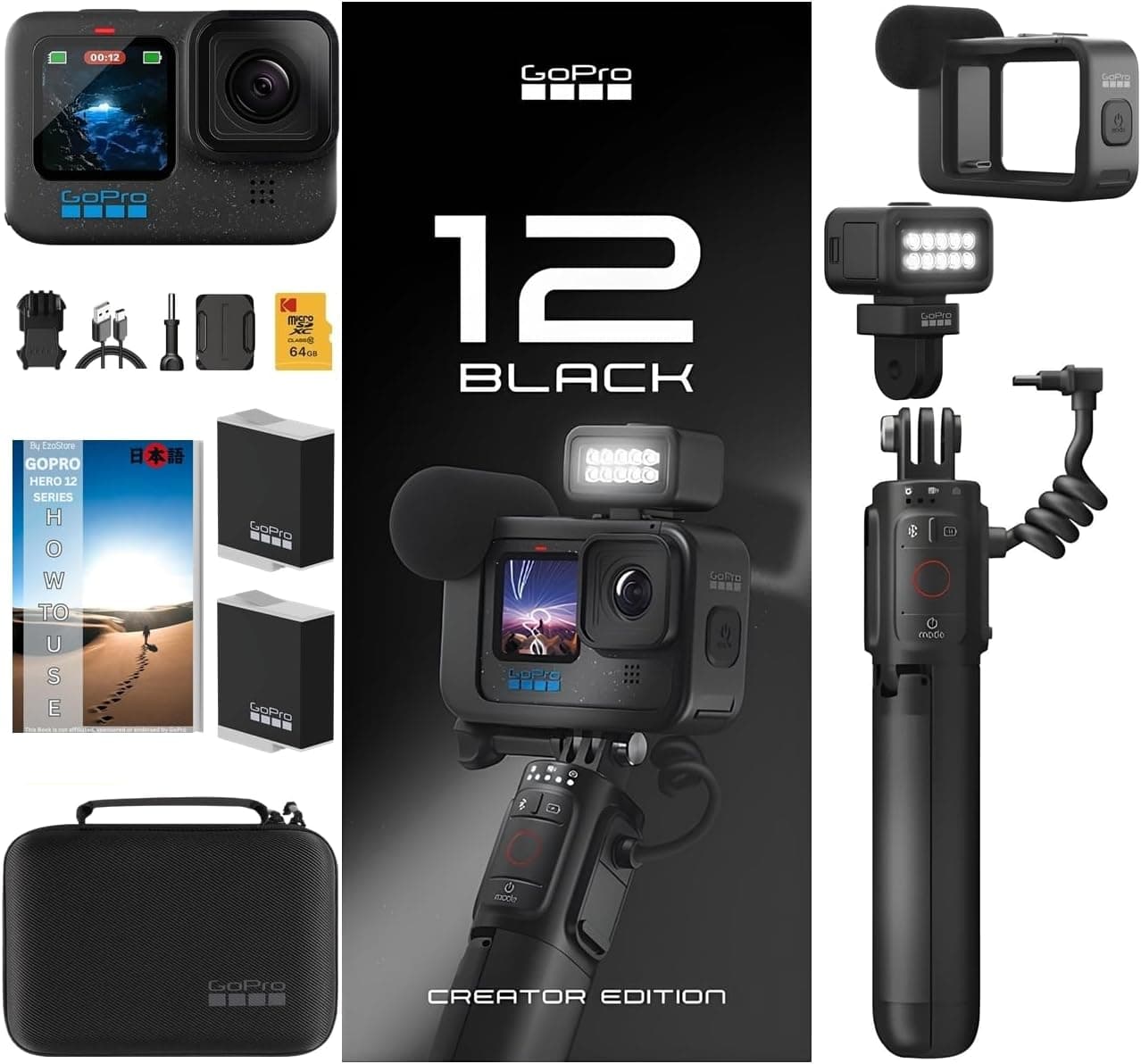
Action cameras are meant to be abused, plain and simple. They're strapped to helmets, submerged in water, and mounted on bikes, so their physical build is paramount. The GoPro Hero12 Black largely carries forward the rugged design language established by its predecessors, a tried-and-tested formula that prioritises durability. It feels solid in the hand, with a textured finish that provides a good grip, even when wet. Crucially, it's waterproof out of the box down to 10 metres (33 feet) without needing an extra housing. The integrated mounting fingers, a GoPro staple, make attaching it to various accessories quick and painless. Its dual screens — a larger rear touchscreen and a smaller front-facing display for vlogging or selfies — are bright and responsive, though the rear screen can feel a bit small for detailed framing at times.
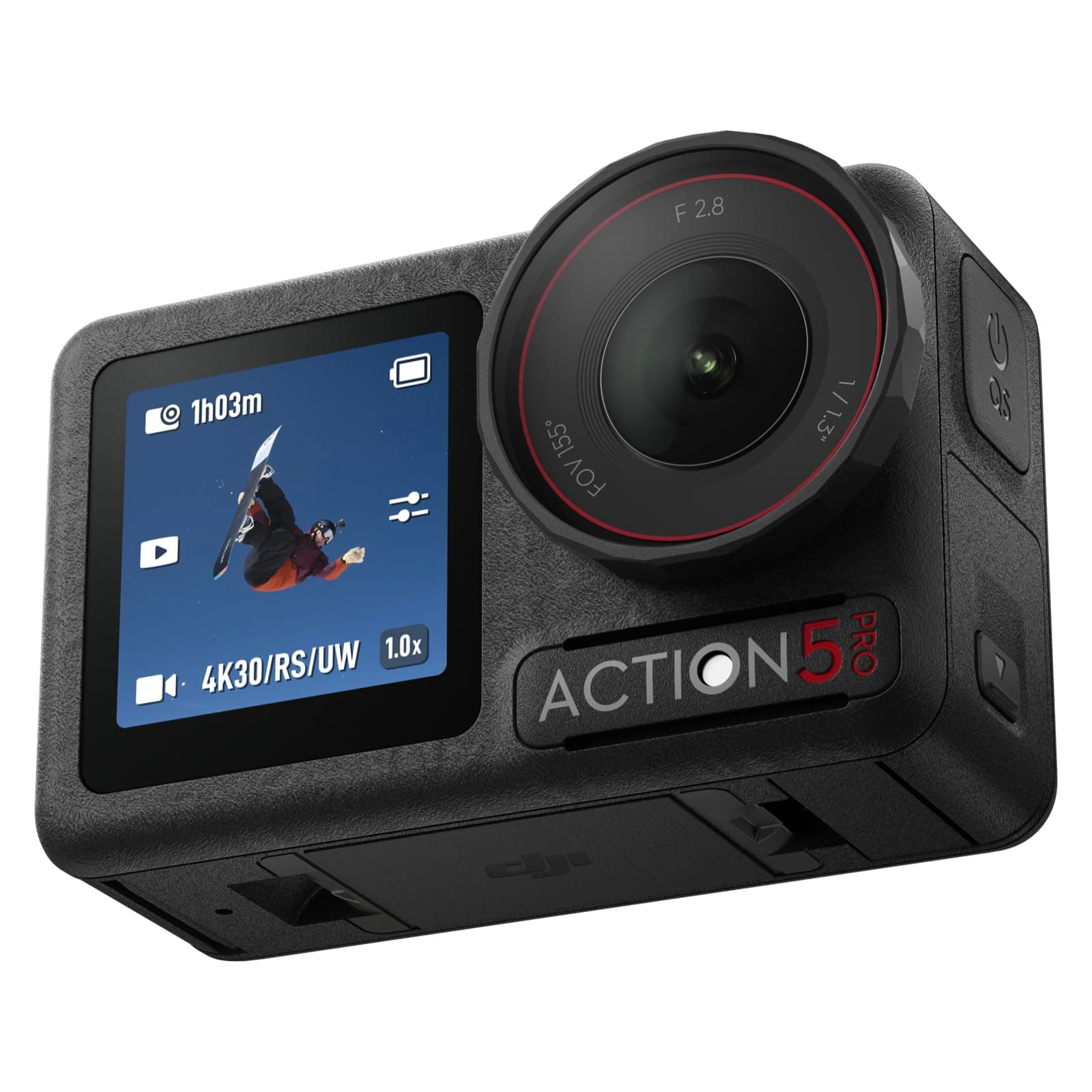
The DJI Osmo Action 4, on the other hand, embraces a slightly different, equally robust philosophy. DJI introduced an innovative magnetic quick-release mounting system that is, frankly, brilliant. It makes swapping mounts incredibly fast and secure, often cited by users as a significant quality-of-life improvement over GoPro's traditional screw-based system. Like the GoPro, the Osmo Action 4 is also waterproof down to an impressive 18 metres (59 feet) without additional housing, giving it an edge for deeper dives. DJI also features dual full-colour touchscreens — a 2.25-inch front screen and a 2.4-inch rear screen — which are both vibrant and easy to navigate. Having full touch functionality on the front screen for easy mode changes is a definite perk for vlogging.
While both are tough, GoPro's standard mounting fingers require a bit more effort to attach and detach, but are universally compatible with a vast ecosystem of accessories. DJI's magnetic system is faster but means you'll need adapters for many existing GoPro-style mounts if you're switching brands.
Video and Image Quality: Capturing the Moment
This is where the rubber meets the road. Both cameras are capable of truly stunning visuals, but they have distinct strengths. The GoPro Hero12 Black continues GoPro's tradition of class-leading video resolution, offering up to 5.3K video at 60 frames per second (fps) and 4K at an impressive 120fps for buttery-smooth slow-motion. Its larger 1/1.9-inch sensor and 8:7 aspect ratio allow for incredibly versatile cropping for different social media platforms, giving you maximum flexibility in post-production. The colour science is vibrant, often producing punchy, ready-to-share footage straight out of the camera. The addition of GP-Log for more advanced colour grading in post is a huge win for professional users.
The DJI Osmo Action 4 counters with its own impressive 1/1.3-inch sensor, which, while slightly smaller, excels in low-light performance. It records up to 4K at 120fps, matching the GoPro's slow-mo capabilities at that resolution. What truly stands out with the Osmo Action 4 is its D-Log M colour profile, which offers a wide dynamic range and excellent flexibility for colour grading, especially noticeable in challenging high-contrast scenes. Reviewers commonly report that the Osmo Action 4 produces slightly more natural, less processed colours, which some prefer for a cinematic look, while its low-light capability is often lauded as superior to the GoPro's.
For still photography, the Hero12 Black captures 27MP photos, while the Osmo Action 4 captures 10MP. While megapixels aren't everything, the GoPro generally offers more detail and flexibility for cropping stills, though the Osmo Action 4's larger individual pixels on its sensor contribute to its strong low-light video performance.
Stabilization Excellence: Smooth Operator
Shaky footage is a thing of the past with these cameras. GoPro's HyperSmooth technology has long been the industry benchmark, and the Hero12 Black features HyperSmooth 6.0. It's nothing short of phenomenal, making even the most aggressive action look incredibly fluid, almost as if shot on a gimbal. HyperSmooth 6.0 boasts AutoBoost for dynamic stabilisation adjustment and Horizon Lock that can maintain a level horizon even if the camera rotates a full 360 degrees, offering unparalleled stability and compositional consistency.
DJI's RockSteady 3.0+ and HorizonSteady technologies in the Osmo Action 4 are formidable contenders. RockSteady delivers remarkably smooth footage, effectively eliminating bumps and vibrations. HorizonSteady, much like GoPro's Horizon Lock, keeps your shots perfectly level. While many users find DJI's stabilization incredibly effective and competitive, some still give a slight edge to GoPro's HyperSmooth for its sheer aggression and consistency in the most extreme scenarios. However, the difference is marginal for most everyday action, and the Osmo Action 4 often appears to have fewer minor artefacts in its stabilization compared to some GoPro iterations.
Battery Performance: Keeping the Action Going
Battery life is often the Achilles' heel of action cameras, especially when shooting at high resolutions. The GoPro Hero12 Black makes a significant leap forward in this department, thanks to its improved power management and the inclusion of the Enduro battery as standard. This battery offers substantially better performance in cold weather and extended recording times across the board. For instance, you can expect around 70 minutes of continuous 5.3K60 recording, which is a noticeable improvement over earlier models and competitive with rivals.
The DJI Osmo Action 4 is also a battery champion. It features DJI's 'Extreme Battery,' designed for similar cold-weather resilience. Owners commonly report impressive longevity, often exceeding 2.5 hours when recording 1080p footage, and still providing over an hour of 4K60 recording. Crucially, the Osmo Action 4 supports fast charging, capable of replenishing 80% of its battery in just 18 minutes, which can be a game-changer if you're frequently on the go and have access to power. Both cameras use removable batteries, so carrying spares is always a good idea, but the fast charging on the DJI is a genuine convenience.
Usability and Software: Beyond the Hardware
A great camera needs great software. Both companies offer intuitive user interfaces on their cameras and robust mobile apps. The GoPro Hero12 Black's on-camera menu system is familiar to long-time GoPro users, with clear icons and relatively straightforward navigation. The GoPro Quik app (available for subscription or free with reduced features) provides excellent editing tools, cloud storage, and remote control. New for the Hero12 Black is Bluetooth audio support, allowing you to connect wireless headphones or microphones for improved audio capture, a feature long requested by users.
The DJI Osmo Action 4's interface is also user-friendly, with both screens being touch-enabled for quick setting adjustments. Its dual full-colour touchscreens mean you can adjust settings even when facing the camera, which is super handy for vlogging. The DJI Mimo app offers similar remote control and editing capabilities, with easy-to-use templates for quick edits. One of the DJI's standout features for many is the aforementioned magnetic mounting system, which makes attaching and detaching quick and secure, truly enhancing the on-the-fly usability.
Accessories and Ecosystem: Expanding Capabilities
An action camera is only as good as the accessories that support it. GoPro has an undeniable advantage here, simply due to its longer tenure in the market. The Hero12 Black benefits from a vast ecosystem of first-party and third-party mounts, housings, and mods, including the impressive Max Lens Mod 2.0 which expands the field of view to an incredible 177 degrees in 4K60. This widespread compatibility means whatever adventure you dream up, there's likely a mount for it.
DJI has been steadily building its own accessory ecosystem for the Osmo Action 4, but it's still smaller than GoPro's. Its magnetic mounting system is brilliant for convenience, but you'll need an adapter to use many existing GoPro-style mounts. DJI offers a good selection of its own accessories, including a diving case, extended battery life handle, and various mounts, but the sheer breadth of options isn't quite at GoPro's level yet. If you're coming from another action camera brand and already have a collection of mounts, this could be a factor.
Value Proposition: What You Get For Your Money
Both the GoPro Hero12 Black and the DJI Osmo Action 4 sit firmly in the premium action camera segment, typically retailing for roughly £350-£400. While prices fluctuate, they generally offer comparable value for their top-tier features. The GoPro often appeals to those who prioritise maximum resolution, extensive cropping options due to its sensor, and the broadest accessory compatibility. The DJI, with its strong low-light performance, intuitive dual touchscreens, and rapid magnetic mounting, often attracts users seeking a more streamlined, user-friendly experience, especially for vlogging or mixed lighting conditions.
Consider what truly matters for your usage. If you're a professional videographer who needs log profiles and maximum resolution for demanding edits, both are excellent, but GoPro's 5.3K and 8:7 aspect ratio might sway you. If you're a casual user who wants great footage straight out of the box, superior low-light, and quick setup, the DJI might edge it out. Neither is a budget option, but both deliver performance commensurate with their price tag.
Comparison Table
| Feature | GoPro Hero12 Black | DJI Osmo Action 4 | Verdict | Buy |
|---|---|---|---|---|
| Max Video Resolution | 5.3K at 60fps | 4K at 120fps | GoPro offers higher max res, DJI excels at 4K. | Check price |
| Sensor Size | 1/1.9-inch | 1/1.3-inch | DJI's larger sensor is better for low light. | Check price |
| Stabilization | HyperSmooth 6.0 | RockSteady 3.0+ / HorizonSteady | Both are excellent, GoPro slightly more aggressive. | Check price |
| Waterproofing (no housing) | 10m (33ft) | 18m (59ft) | DJI has a deeper rating out of the box. | Check price |
| Battery Life (4K60 approx) | ~70 min (Enduro) | ~70-80 min (Extreme Battery) | Very competitive, DJI's fast charging is a bonus. | Check price |
| Mounting System | Integrated Folding Fingers | Magnetic Quick-Release | GoPro more common, DJI faster to swap. | Check price |
Alternatives to Consider
If neither of these premium options quite hits the mark, or if your budget is a little tighter, there are still excellent action cameras available:
For a Slightly Older, Still Excellent GoPro: GoPro Hero11 Black
The GoPro Hero11 Black remains a powerhouse and often sees price reductions now that the Hero12 is out. It shares the same large 8:7 sensor, offering 5.3K60 video and HyperSmooth 5.0. While it lacks the Hero12's GP-Log profile, Bluetooth audio, and improved battery management, it's still an incredibly capable camera for most users and offers significant savings. If you don't need the absolute latest features, it's a very smart buy.
For the Budget-Conscious Adventurer: Akaso EK7000 Pro
If you're looking for an entry-level action camera that won't break the bank, the Akaso EK7000 Pro is a popular choice. It offers 4K video recording (though often at lower frame rates and less refined image quality than the flagships), and it comes with a bundle of accessories. While its stabilisation and low-light performance won't match GoPro or DJI, it's a fantastic option for casual use, kids, or as a secondary camera where you wouldn't risk your main gear.
Who Should Buy Which?
- Choose the GoPro Hero12 Black if: You demand the highest available resolution (5.3K), prioritise maximum flexibility for reframing thanks to the 8:7 sensor, need the absolute strongest stabilisation in the most extreme scenarios, or you're already invested heavily in the vast GoPro accessory ecosystem. Its GP-Log is also a significant draw for advanced colour graders.
- Choose the DJI Osmo Action 4 if: You frequently shoot in challenging low-light conditions, value a natural colour profile straight out of the camera, appreciate the convenience of dual full-colour touchscreens and a rapid magnetic mounting system, or you need deeper out-of-the-box waterproofing. Its fast charging capability is also a huge plus for high-frequency use.
Verdict
Both the GoPro Hero12 Black and the DJI Osmo Action 4 are exceptional action cameras, pushing the boundaries of what these compact devices can do. The GoPro still holds an edge in sheer resolution and its vast accessory network, making it arguably the most versatile for professional-grade creative control and extreme action. However, the DJI Osmo Action 4 truly shines with its superior low-light performance, incredibly convenient magnetic mounting system, and excellent user experience thanks to its dual full-colour touchscreens and fast charging. For many, the practical advantages and slightly more refined image in varied conditions make the DJI a more compelling everyday companion. Ultimately, while it's a photo finish, the DJI Osmo Action 4's blend of usability, stellar low-light capability, and robust build gives it a slight edge for the widest range of users.
Ready to capture your next adventure? Head over to Amazon to check out the latest prices!