As an Amazon Associate I earn from qualifying purchases. This page contains affiliate links, and I may earn a commission at no extra cost to you.
Ignite Curiosity: The Magic of Hands-On Science Kits
It’s August 2026, and if you’re anything like me, you’re always on the lookout for gifts that do more than just entertain. We want toys that spark genuine curiosity, that teach something without feeling like homework, and that ideally, get kids away from screens for a while. STEM kits – science, technology, engineering, and mathematics – are brilliant for this. They turn complex ideas into tangible, exciting experiments, letting young minds explore the world around them through discovery.
Finding a truly engaging science kit that delivers on its promises, especially one that fits a sensible budget, can be a bit of a challenge. There are countless options out there, but many can feel flimsy, overly simplistic, or just plain boring after the initial 'wow' moment. Today, we’re focusing on kits that offer real educational value, visible results, and a decent dose of fun, all while keeping an eye on affordability, even if our top pick stretches the definition of 'budget-friendly' for truly exceptional value.
Let's dive into some of the best ways to nurture a budding mad scientist right at home, starting with a kit that consistently blows me away with its long-term appeal and genuine scientific process.
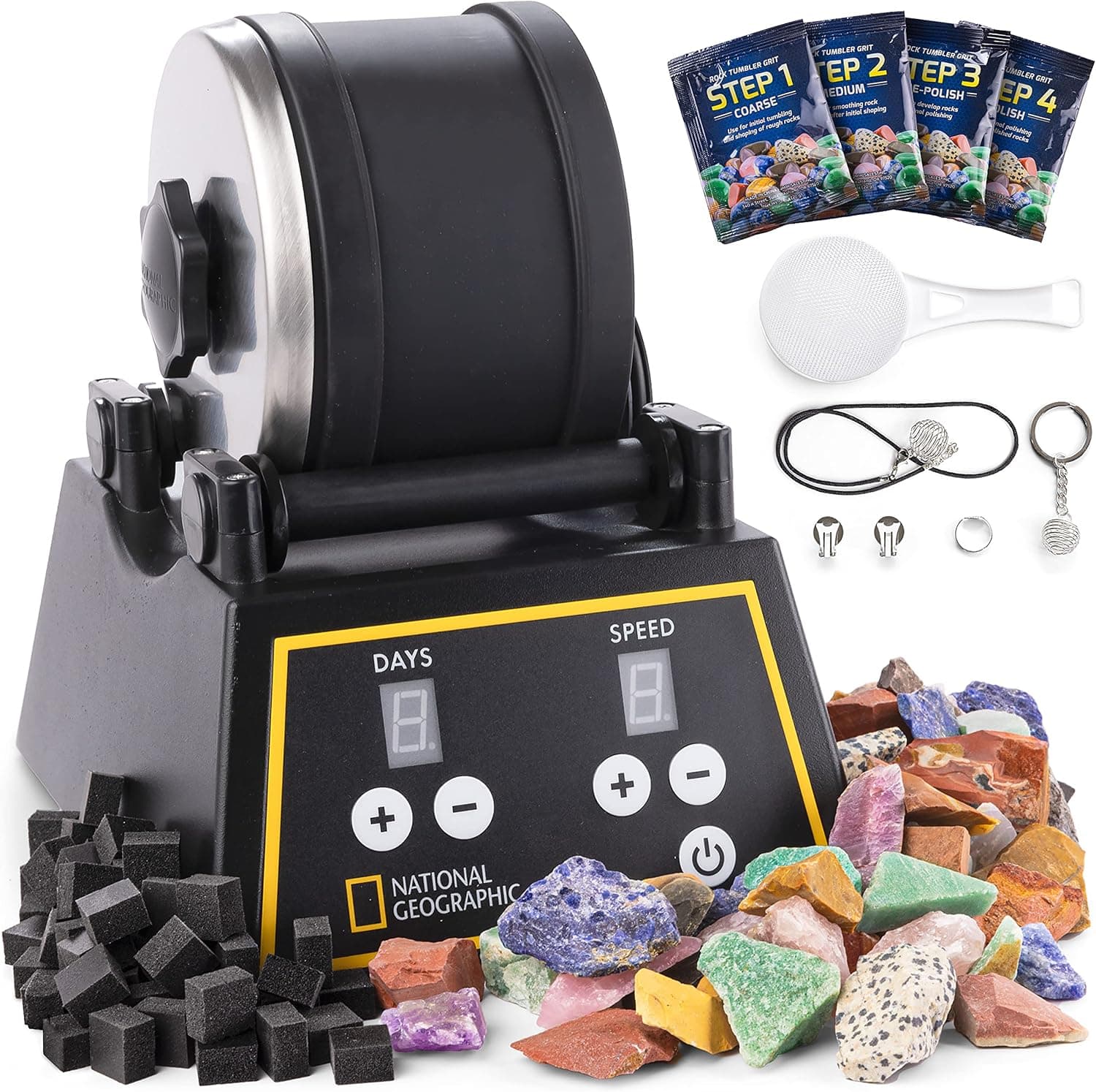
National Geographic Professional Rock Tumbler Kit: Unearthing Hidden Beauty
If you've got a curious kid who loves collecting rocks, or simply enjoys a long-term project with a spectacular payoff, the National Geographic Professional Rock Tumbler Kit is an absolute standout. While the title of this article promises 'under £30 picks', this particular kit typically retails for a bit more – usually in the £50-£70 range. However, its educational depth, quality components, and the sheer joy it brings make it an investment I genuinely believe is worth considering if you can stretch your budget slightly. It delivers value far beyond its price tag.
Design and Build: Built for the Long Haul
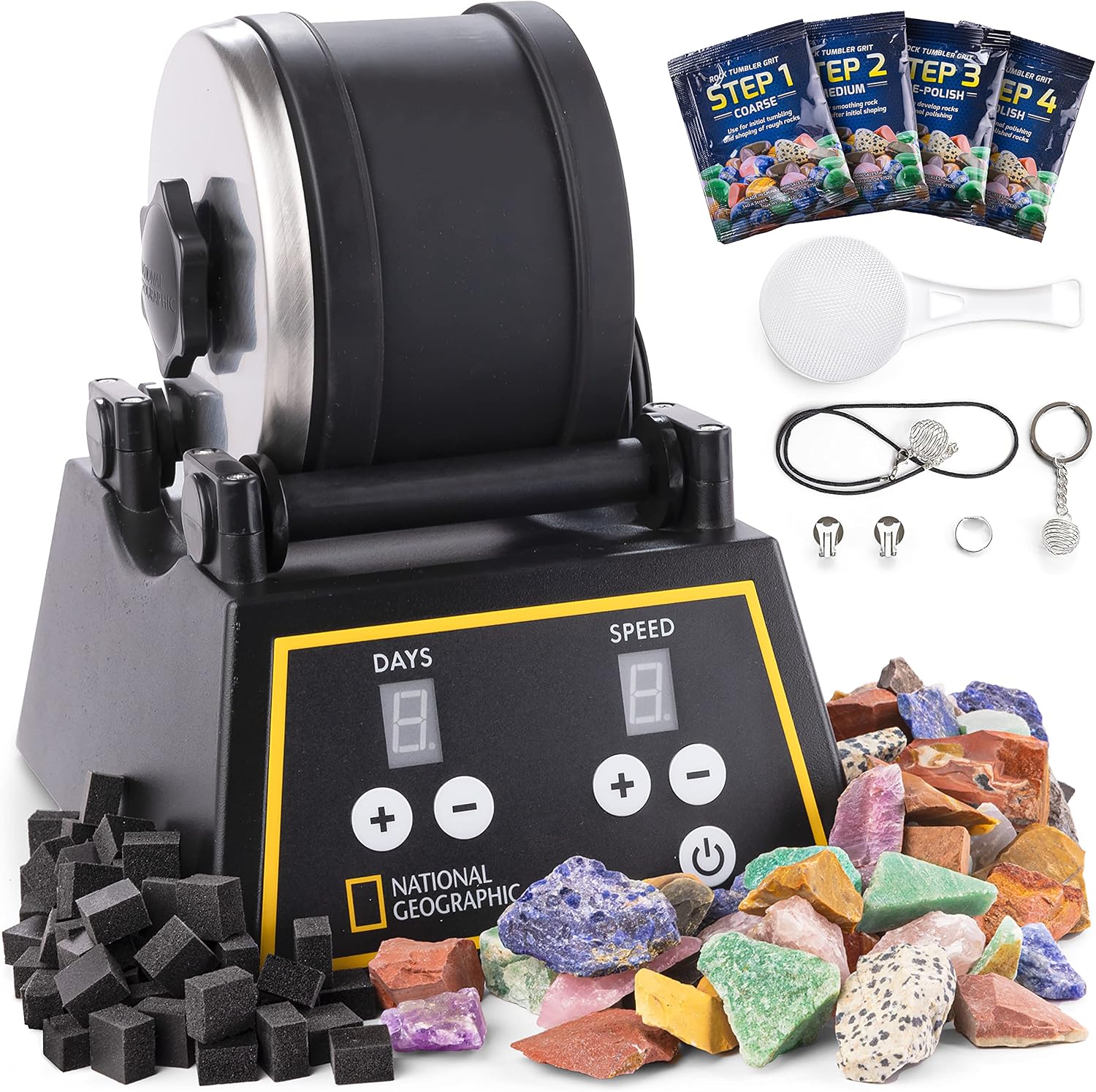
The first thing you notice about the National Geographic Rock Tumbler is its robust construction. This isn't a flimsy plastic toy that'll fall apart after one cycle. The tumbling barrel itself is made from a durable, leak-proof rubber, which is crucial for both longevity and noise reduction. Trust me, you don't want a noisy plastic barrel grinding away for weeks on end. The base unit, housing the motor and drive belt, feels solid and well-engineered, designed to withstand the continuous operation required for rock tumbling.
Setting it up is surprisingly straightforward. You load the barrel with rough rocks, add water and the correct grit, seal it up, and place it on the motorised base. The kit comes with everything you need to start, including a generous supply of rough rocks (often a mix of jasper, amethyst, quartz, and other interesting stones), four stages of polishing grit, a sifter, and a detailed learning guide. The guide isn't just a simple instruction manual; it's genuinely informative, explaining the science behind rock tumbling and offering insights into different types of rocks and minerals.
Performance: The Art of Patience and Transformation
Rock tumbling is a fantastic lesson in patience and geological processes. It's not an instant gratification activity, and that's precisely part of its charm and educational value. The process involves four distinct stages, each using a progressively finer grit, with each stage running for about 7-10 days. That means a full cycle, from rough stone to polished gem, can take anywhere from three to four weeks. It's a proper project!
The tumbler performs exceptionally well. Based on the published specs and verified owner feedback, the motor is reliable, quietly (for a rock tumbler!) spinning the barrel day in and day out. The rubber barrel, as mentioned, really does help dampen the noise compared to plastic alternatives, though it's still best placed in a garage, utility room, or basement if you're sensitive to continuous low-level hums. Owners commonly report consistently excellent results, transforming dull, jagged rocks into beautifully smooth, shiny specimens that look like they've been plucked from a jewellery store.
The included educational guide truly enhances the experience. It helps kids understand what's happening at each stage: how the coarse grit grinds away sharp edges and imperfections, how the medium grit smooths the surface, and how the fine and polish grits bring out that incredible lustre. It’s a hands-on geology lesson that results in a tangible collection of treasures.
Why a Rock Tumbler is a STEM Powerhouse
Beyond the simple act of polishing, a rock tumbler connects directly to several core STEM concepts:
- Geology and Mineralogy: Kids learn about different rock types, their properties, and how geological forces (like erosion and abrasion) shape the Earth's surface over vast timescales. They'll start identifying jasper, quartz, agate, and more.
- Physics of Abrasion: The process demonstrates friction, force, and mechanical weathering in a very direct way. They see how rough edges are worn down by constant contact with grit and other stones.
- Patience and Process: This isn't a microwave meal of an experiment. It teaches the value of sustained effort and following a multi-step process to achieve a desired outcome. The delayed gratification makes the final reveal even more satisfying.
- Observation and Documentation: Encourages kids to observe the changes in their rocks at each stage, perhaps even sketching or journaling about the transformation.
Value: More Than Just Shiny Stones
Considering the robust build, the comprehensive kit contents, and the profound educational experience, the National Geographic Professional Rock Tumbler Kit offers exceptional long-term value. It’s a gift that keeps on giving, fostering an ongoing interest in geology and science. Once the initial batch of rocks is polished, many enthusiasts go on to collect their own rocks from beaches or parks to tumble, extending the fun and learning indefinitely. The cost of additional grit and rough rocks is relatively low, making it a sustainable hobby.
Choosing the Right Science Kit: What to Look For
When you're sifting through the myriad of science kits available, it helps to have a few criteria in mind to ensure you're picking a winner:
- Age Appropriateness: Check the recommended age range. A kit that's too simple will bore them; one that's too complex will frustrate them.
- Educational Value: Does it just show a cool trick, or does it explain the 'why' behind the phenomenon? Look for kits that come with informative guides or workbooks.
- Hands-On Engagement: The best kits require active participation, not just passive observation. Kids learn by doing.
- Safety: Always ensure the kit uses non-toxic materials and includes appropriate safety warnings and equipment (like goggles, if needed). Parental supervision is often a good idea, especially for younger scientists.
- Reusability/Replayability: Can the experiments be repeated? Can new materials be easily acquired to extend the fun? A crystal growing kit might be a one-shot, but a chemistry set or rock tumbler offers ongoing potential.
- Mess Factor: Some experiments are inherently messy. Be prepared, or choose kits designed for minimal cleanup.
- Durability: If the kit includes equipment, ensure it’s built to last more than one or two uses.
Comparison: STEM Kits at a Glance
Here's a quick look at our featured rock tumbler and a couple of fantastic, genuinely budget-friendly alternatives that fit within the 'under £30' brief, offering different types of scientific exploration.
| Product | Key Spec / Focus | Price Band | Verdict | Buy |
|---|---|---|---|---|
| National Geographic Professional Rock Tumbler Kit | Geology, patience, rock polishing, durable rubber barrel | Premium (typically £50-£70) | An exceptional, long-term STEM project for geology enthusiasts. | Check today's price on Amazon |
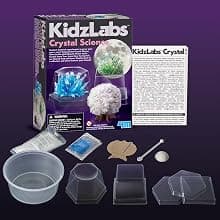
| 4M Kidzlabs Crystal Growing Experiment Kit | Crystallography, chemistry, quick visible results | Budget (under £20) | A visually stunning, satisfying introduction to crystal formation. | Check today's price on Amazon |
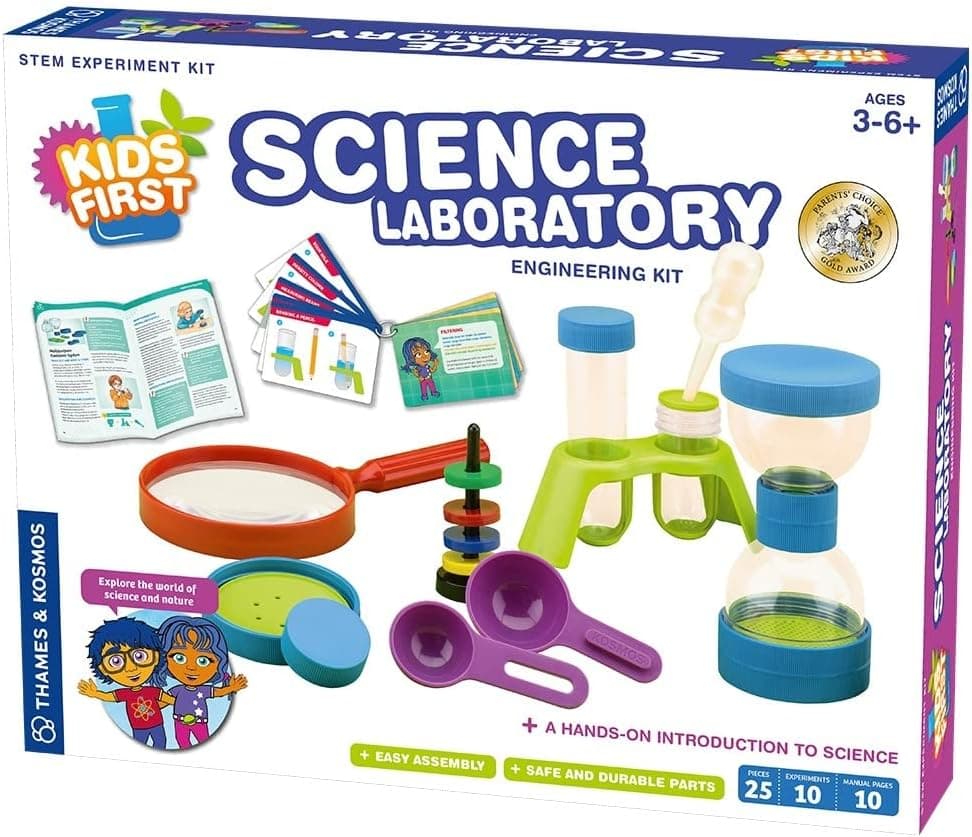
| Thames & Kosmos Kids First Science Laboratory | Basic chemistry, observation, multiple simple experiments | Mid-range (around £20-£30) | Great for young kids to explore foundational scientific principles. | Check today's price on Amazon |
Alternatives to Consider: Genuinely Under £30 Science Fun
While the National Geographic Rock Tumbler is an undisputed champion for deep, long-term engagement, sometimes you really do need something that fits a tighter budget, or offers a different scientific focus. Here are a couple of excellent alternatives that fit the 'under £30' criteria perfectly.
4M Kidzlabs Crystal Growing Experiment Kit
For a truly mesmerising, hands-on chemistry experience that's well under £30, the 4M Kidzlabs Crystal Growing Experiment Kit is a fantastic choice. This kit allows kids to grow their own crystals in various colours and shapes, demonstrating basic principles of crystallography and chemistry. It's relatively quick to show results, with crystals often beginning to form within hours and reaching impressive sizes over a few days. The visual payoff is immediate and satisfying, making it a great option for younger children or those who prefer faster experiments. It’s largely a one-off experiment for each crystal, but the wonder it inspires is well worth the modest cost.
Thames & Kosmos Kids First Science Laboratory
If you're looking for a broad introduction to scientific inquiry for slightly younger kids, the Thames & Kosmos Kids First Science Laboratory is a brilliant option. Typically priced around the £20-£30 mark, this kit is designed for preschoolers and early primary school children, offering a collection of simple, safe experiments that introduce foundational concepts like states of matter, density, and chemical reactions through fun, everyday materials. The instructions are usually picture-based and easy for young learners to follow (with adult supervision), making it an excellent first step into structured scientific exploration. It won't produce flashy results like a rock tumbler, but it builds crucial observation and problem-solving skills.
The Final Word: Invest in Curiosity
Whether you opt for the long-term project of the National Geographic Professional Rock Tumbler Kit or one of the excellent budget-friendly alternatives, investing in a quality science experiment kit is investing in a child's future. These aren't just toys; they're gateways to understanding the world, fostering critical thinking, and perhaps even inspiring the next generation of scientists and engineers. For a truly rewarding and educational experience that offers tangible, beautiful results, the National Geographic Rock Tumbler remains my top recommendation for those who can stretch their budget, while the 4M Crystal Growing Kit and Thames & Kosmos Lab are fantastic, genuinely affordable entry points into the wonderful world of STEM.
Don't wait to spark that scientific passion. Discover the perfect kit for your budding scientist today!