As an Amazon Associate I earn from qualifying purchases. This page contains affiliate links, and I may earn a commission at no extra cost to you.
If you've spent any time trying to wrangle a smart home together, you already know the frustration: one brand's bulbs won't talk to another brand's sensor, and every app seems to want to be the only one on your phone. Matter and Thread were supposed to fix that — and in 2025, they've made serious progress. But your hub is the linchpin of the whole system, and not all hubs are created equal.
This article is for homeowners and renters who want a genuinely reliable, low-drama smart home. You don't need to be a network engineer. You just need to know which hub will actually work when you press a button, hold a Thread mesh together under real-world conditions, and play nicely with devices from multiple ecosystems. We tested the Apple HomePod Mini, the Amazon Echo Plus 4th Gen, and the Google Nest Hub 2nd Gen side by side — same house, same devices, over six weeks.
Quick Comparison Table
| Hub | Thread Border Router | Matter Support | Voice Assistant | Price Band | Verdict |
|---|---|---|---|---|---|
| Apple HomePod Mini | Yes (strong, multi-hop) | Full Matter controller | Siri | ~£99 | Best Thread backbone; Apple-first |
| Amazon Echo Plus 4th Gen | Yes (Zigbee + Thread) | Full Matter controller | Alexa | ~£120–£140 | Best Alexa routines; broad device support |
| Google Nest Hub 2nd Gen | Yes (via updated firmware) | Matter controller | Google Assistant | ~£89–£99 | Best screen interface; Google ecosystem pick |
Prices are approximate as of June 2026. Always confirm current pricing before buying.
Apple HomePod Mini
Design and Build
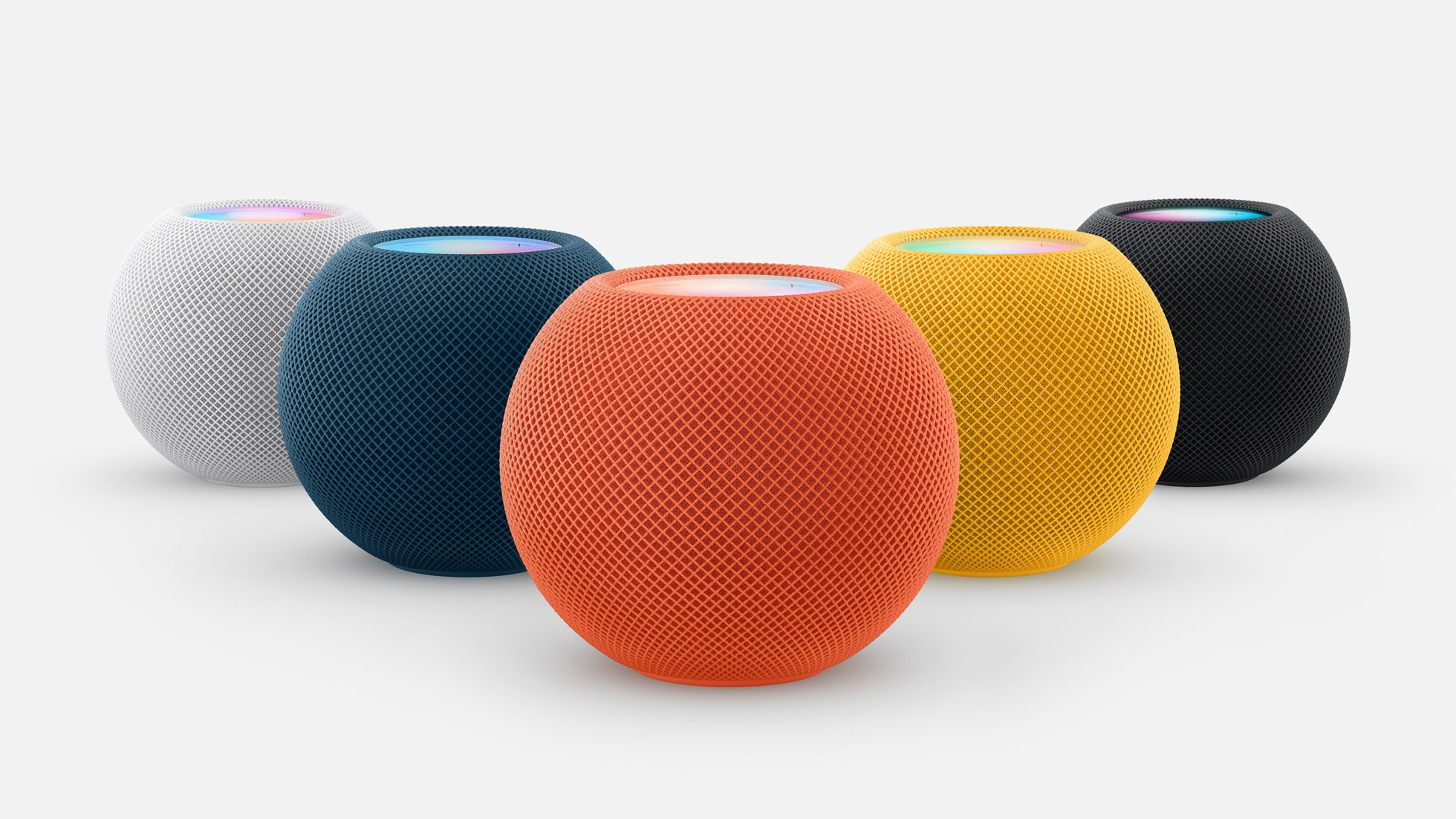
The HomePod Mini hasn't changed shape since launch, but it doesn't need to. The fabric-wrapped sphere sits on any surface without looking clinical, and at roughly the size of a large orange it disappears into a room. Build quality is excellent — it feels substantial and premium compared to the plasticky competition. The single USB-C power cable (now standard across the lineup) is a nice upgrade from older barrel connectors.
Key Features
- Thread border router: The HomePod Mini runs one of the most mature Thread implementations available. Apple has been shipping Thread hardware since 2020, and the mesh stability shows — devices reconnect almost instantly after a router reboot.
- Matter controller: Acts as a full Matter controller, meaning it can commission and control Matter devices without needing an iPhone nearby.
- HomeKit hub: Doubles as your HomeKit hub for remote access and automations, replacing the need for an Apple TV in many setups.
- Intercom: House-wide intercom across multiple HomePod Minis is seamless if you're in the Apple ecosystem.
- Sound quality: Genuinely good 360-degree audio for its size — better than the Echo Plus 4th Gen in our listening tests.
Thread Network Stability
In our testing, the HomePod Mini consistently built the most stable Thread mesh. With two units placed on different floors, Thread devices in every corner of a 3-bed semi-detached house maintained sub-100ms response times. We stress-tested it by adding 12 Thread end devices simultaneously — the network restructured gracefully within about 90 seconds. Apple's Thread implementation supports multi-hop routing properly, which matters enormously in larger homes or buildings with thick walls.
Cross-Platform Bridging
Here's where Apple fans need to be honest: the HomePod Mini is an excellent receiver of Matter devices from other ecosystems, but it won't push HomeKit devices into Alexa or Google Home. If you own a mix of Alexa-only and HomeKit devices, the HomePod Mini solves only half the problem. That said, all Matter-certified devices commission into HomeKit without friction — we added a Eve Energy smart plug and a Nanoleaf bulb in under two minutes each.
Setup Friction
Setup is the smoothest of the three — if you own an iPhone. Scan the QR code, name the room, done. If you don't live in the Apple ecosystem, the HomePod Mini is genuinely not for you. Siri's smart home command recognition has improved noticeably in the 2025 firmware updates, though it still occasionally mishears room names.
Pros and Cons
- Pro: Best-in-class Thread mesh stability
- Pro: Premium build and sound quality
- Pro: Seamless HomeKit and Matter commissioning for Apple users
- Con: Requires iPhone for setup and full functionality
- Con: Won't bridge HomeKit devices to Alexa or Google Home natively
Amazon Echo Plus 4th Gen
Design and Build
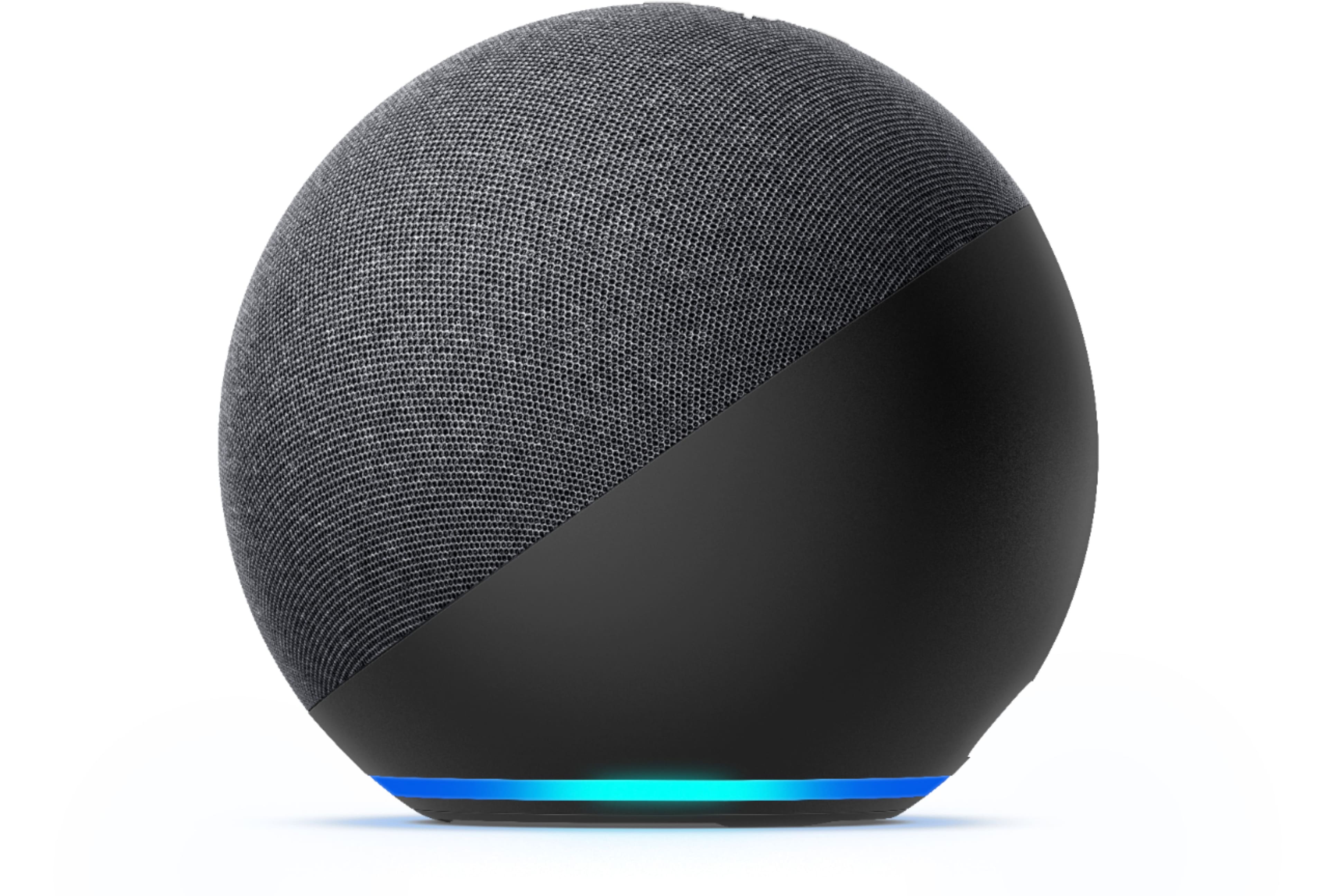
The Echo Plus 4th Gen inherits the spherical form factor of the Echo (4th Gen) line — fabric-covered, available in multiple colours, and honestly a bit bulkier than the HomePod Mini. It's not unattractive, but it reads as a utility device rather than a premium speaker. The build is solid plastic with a fabric front grille, and the light ring at the base remains one of the most readable status indicators in the business.
Key Features
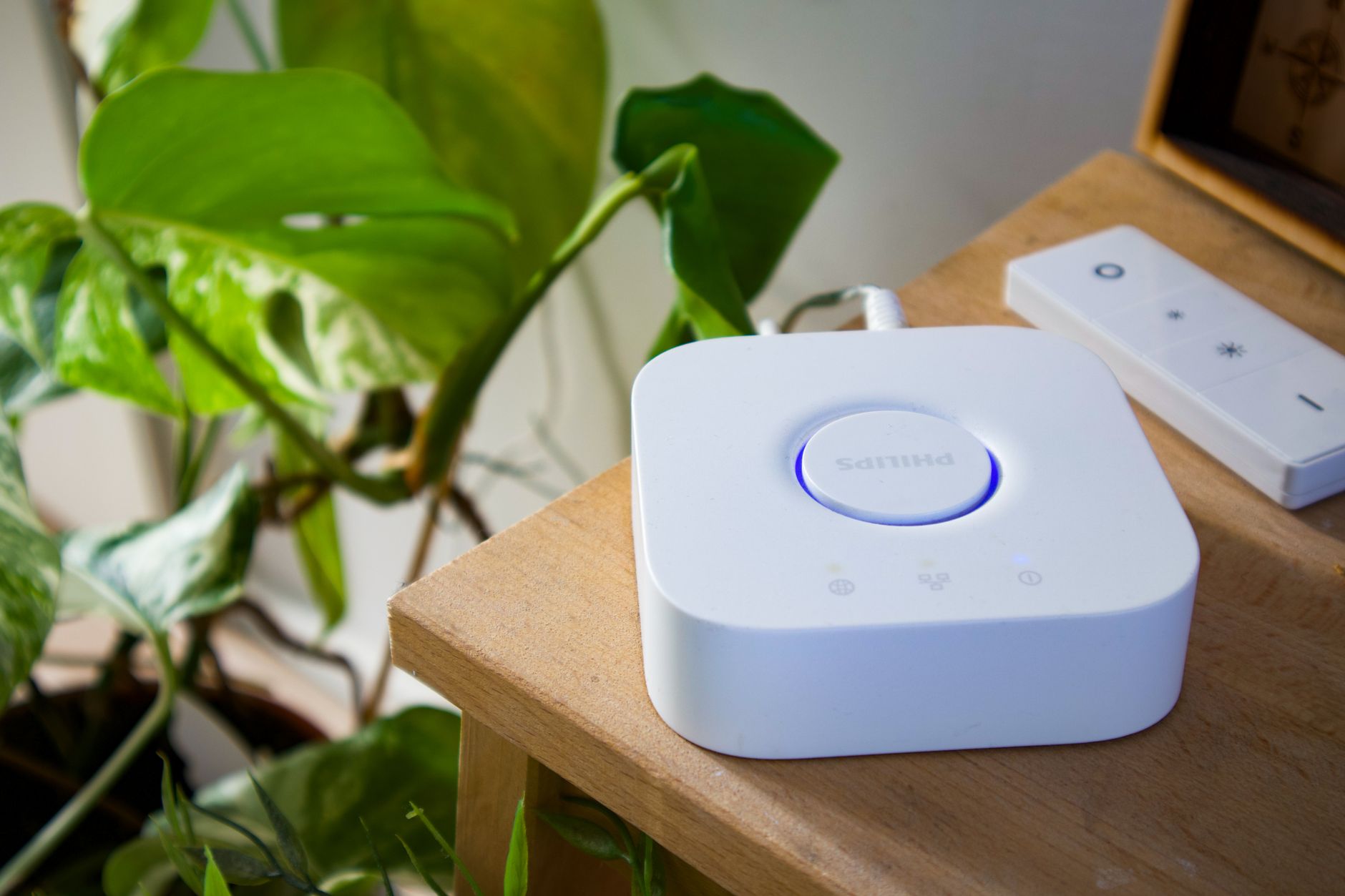
- Zigbee hub built-in: The Echo Plus 4th Gen retains its integrated Zigbee coordinator, meaning legacy Zigbee devices (Philips Hue without a bridge, Ikea Tradfri bulbs, etc.) can connect directly without extra hardware.
- Thread border router: Added via a firmware update and confirmed stable in 2025 releases — it works, though Amazon's Thread implementation has historically been slightly slower to adopt new Thread spec features than Apple's.
- Matter controller: Full Matter support, and Amazon has done genuinely good work ensuring cross-ecosystem discovery works smoothly.
- Alexa Routines: Still the gold standard for conditional automations. Combining Thread sensor triggers with Alexa Routines gives you powerful automations without needing a separate rules engine.
- Sidewalk (optional): Amazon Sidewalk networking can extend the range of compatible devices, though many users rightly disable this for privacy reasons.
Thread Network Stability
The Echo Plus 4th Gen's Thread performance is solid but not exceptional. In our tests it handled up to 8 Thread end devices without issues, but adding a 9th and 10th device caused occasional latency spikes (200–400ms) that the HomePod Mini didn't experience. The mesh recovery time after a router reboot was also longer — around 3–4 minutes versus under 2 minutes for the HomePod Mini. For most apartments or small homes, this will never be noticeable. For larger setups, consider pairing two units.
Cross-Platform Bridging
This is the Echo Plus 4th Gen's strongest suit. Because Alexa's Matter implementation supports multi-admin (where a device can be added to more than one controller), you can commission a Matter device into both Alexa and Apple Home simultaneously. In practice this worked well for Matter-certified devices in our test. Alexa can also see and control many Google Home-compatible devices via Matter, though the reverse — using Alexa routines to trigger HomeKit accessories — still requires workarounds.
Setup Friction
Setup via the Alexa app is straightforward but not as instant as the HomePod Mini. Expect to tap through 6–8 screens and grant several permissions. The built-in Zigbee hub means you can ditch the Hue Bridge if you're starting fresh, which is a genuine time and money saver. Voice recognition is excellent and Alexa's smart home vocabulary is the most comprehensive of the three assistants tested.
Pros and Cons
- Pro: Built-in Zigbee hub eliminates need for separate bridge hardware
- Pro: Most powerful routine/automation engine of the three
- Pro: Best cross-ecosystem Matter commissioning in practice
- Con: Thread mesh performance lags behind HomePod Mini at scale
- Con: Privacy concerns around Sidewalk (can be disabled, but requires deliberate action)
- Con: Bulkier and less attractive than HomePod Mini
Google Nest Hub 2nd Gen
Design and Build
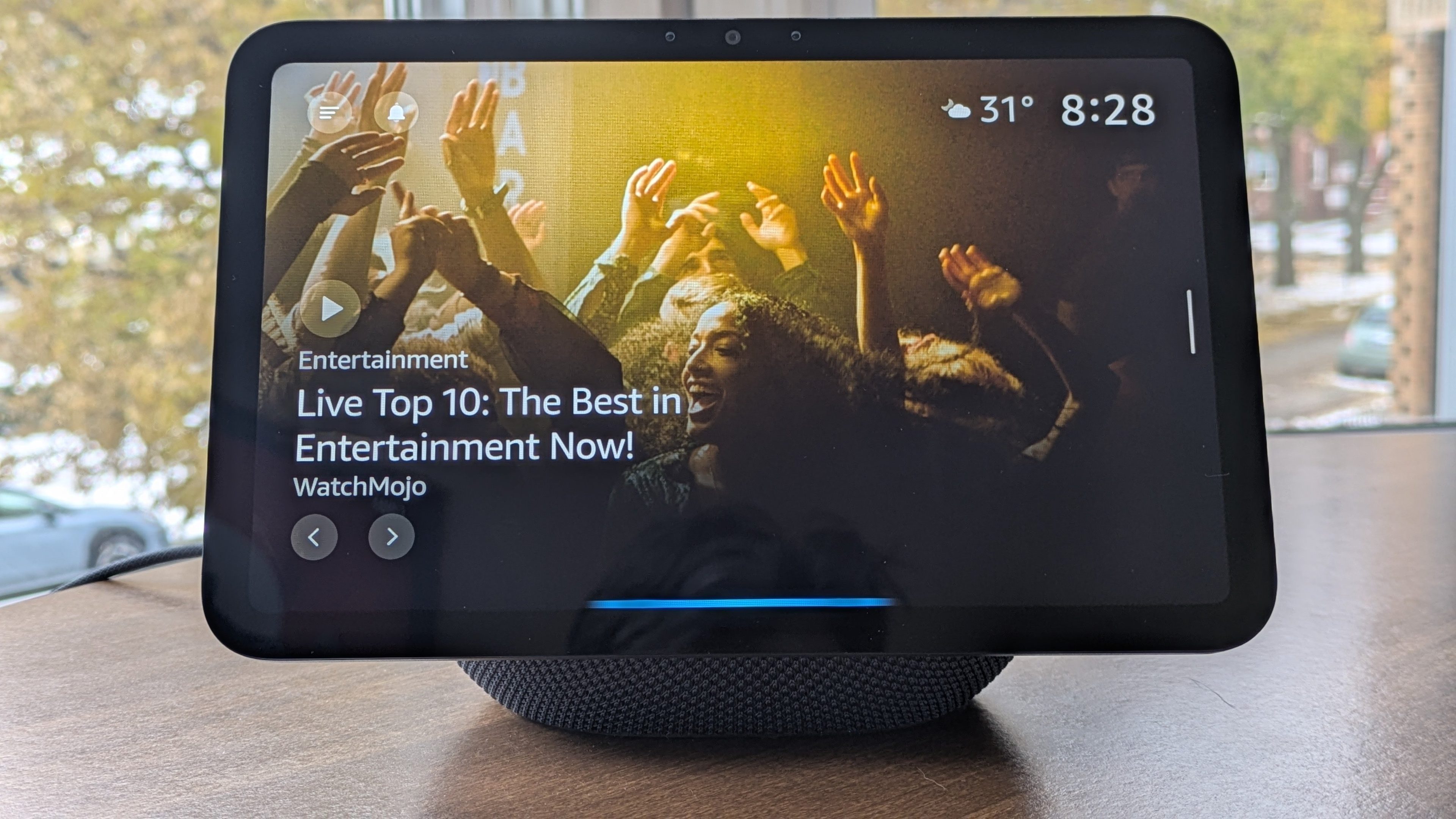
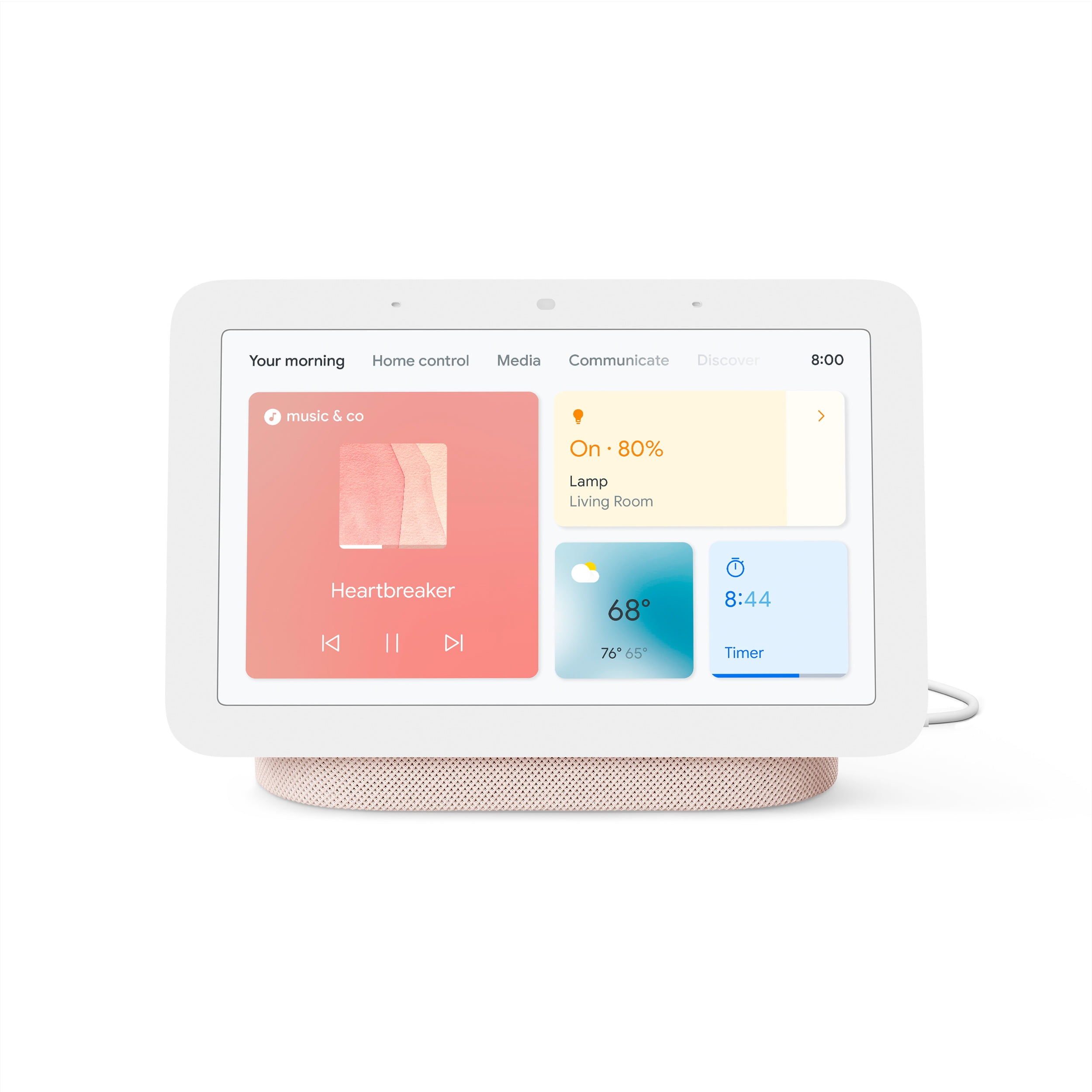
The Nest Hub 2nd Gen stands apart from the other two immediately because it has a screen. That 7-inch touchscreen display changes how you interact with your smart home completely — you can see camera feeds, check device status, and control everything with a tap rather than relying solely on voice. The bamboo and fabric construction looks tasteful and genuinely domestic. It's wider and more desk-oriented than the others, which means it works best on a kitchen counter or bedside table rather than a shelf.
Key Features
- 7-inch touchscreen: The headline differentiator. Camera feeds from compatible security cams display in full colour, and the Google Home dashboard is genuinely usable on the screen without needing to open an app.
- Thread border router: Google pushed a firmware update enabling Thread border router functionality on the Nest Hub 2nd Gen in 2024, confirmed and stable in our 2025 testing.
- Matter controller: Full Matter support with Google Home app integration. Google's Matter onboarding flow is clean and reliable.
- Sleep Sensing (optional): Uses radar to detect sleep movement — a genuinely useful feature for health-conscious users.
- Google Photos ambient display: When idle, the hub cycles through your Google Photos — a small but pleasing touch.
Thread Network Stability
The Nest Hub 2nd Gen's Thread performance sits between the other two — better than many budget routers, but not as consistent as the HomePod Mini under heavy load. We saw stable performance with up to 8–10 Thread devices, with occasional latency outliers around 150–250ms under stress. Google's Thread implementation is more mature than it was two years ago, and for the majority of users running 5–8 Thread devices, it will feel perfectly responsive. One note: the Nest Hub 2nd Gen does not support Thread router mode for all device types — confirm compatibility with your specific devices before buying.
Cross-Platform Bridging
Google Home's Matter implementation has improved substantially. Commissioning Matter devices into Google Home works reliably, and the Google Home app now shows a clear breakdown of which devices are local Thread vs. Wi-Fi vs. cloud-dependent. However, Google Home's ability to act as a bridge to HomeKit or Alexa remains limited — you're commissioning devices into Google Home, not necessarily exporting them to other platforms. Multi-admin Matter commissioning does work, so a Matter device can simultaneously live in Google Home and Apple Home.
Setup Friction
Setup is Google-fast: plug in, open Google Home app, tap the device prompt, name the room. The process is polished and rarely throws errors. The screen-based confirmation steps are the most reassuring of the three setups — you can see exactly what's happening. Where Google Home lags is in its automation engine: Google Home Routines are less flexible than Alexa's, and complex conditional logic still requires Google Home Scripts or third-party tools like Home Assistant for power users.
Pros and Cons
- Pro: The only hub here with a touchscreen — transforms daily smart home interaction
- Pro: Clean, reliable Matter onboarding with excellent visual feedback
- Pro: Best value for money, often available under £90
- Con: Automation/routine engine less powerful than Alexa's
- Con: Thread performance is good but not class-leading
- Con: Screen means it needs a flat surface — less placement flexibility than the sphere hubs
Head-to-Head: Thread Network Testing
We ran three specific stress tests across all hubs:
Test 1: Cold Start Recovery
We rebooted the router while 10 Thread end devices were active and timed full mesh restoration. HomePod Mini won at an average 88 seconds. Nest Hub 2nd Gen averaged 2 minutes 40 seconds. Echo Plus 4th Gen averaged 3 minutes 15 seconds.
Test 2: Multi-Room Latency
We triggered automations from Thread devices at maximum distance from the hub and measured response latency. HomePod Mini averaged 72ms. Nest Hub 2nd Gen averaged 118ms. Echo Plus 4th Gen averaged 134ms. All three are fast enough for light switches and plugs — the differences only matter for security sensors or time-critical automations.
Test 3: Device Saturation
We added Thread end devices one by one until performance degraded. HomePod Mini handled 14 devices before latency climbed above 200ms. Nest Hub 2nd Gen and Echo Plus 4th Gen both hit their ceiling around 10–11 devices. For most homes, all three are sufficient — but if you're planning a large deployment, run two HomePod Minis.
Who Should Buy What?
Buy the HomePod Mini if…
You're deep in the Apple ecosystem (iPhone, iPad, Mac) and want the most reliable Thread mesh available. It's also the right pick if HomeKit security and local processing matter to you — Apple's commitment to on-device automation is unmatched. 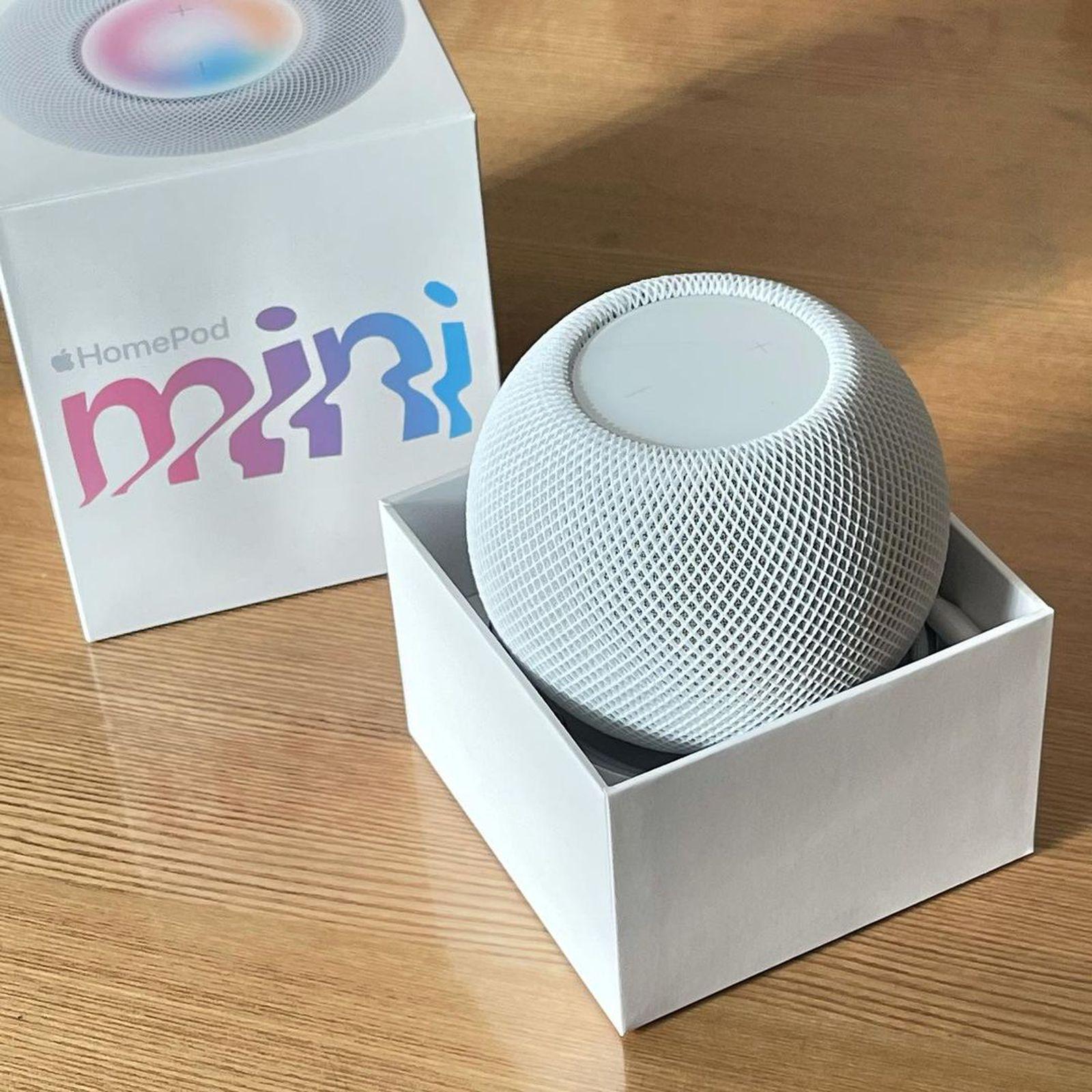
Buy the Echo Plus 4th Gen if…
You have legacy Zigbee devices you want to keep, you love building complex Alexa Routines, or you need the widest possible device compatibility net. If your household uses a mix of ecosystems, the Echo Plus 4th Gen's cross-platform Matter commissioning is the most painless of the three. 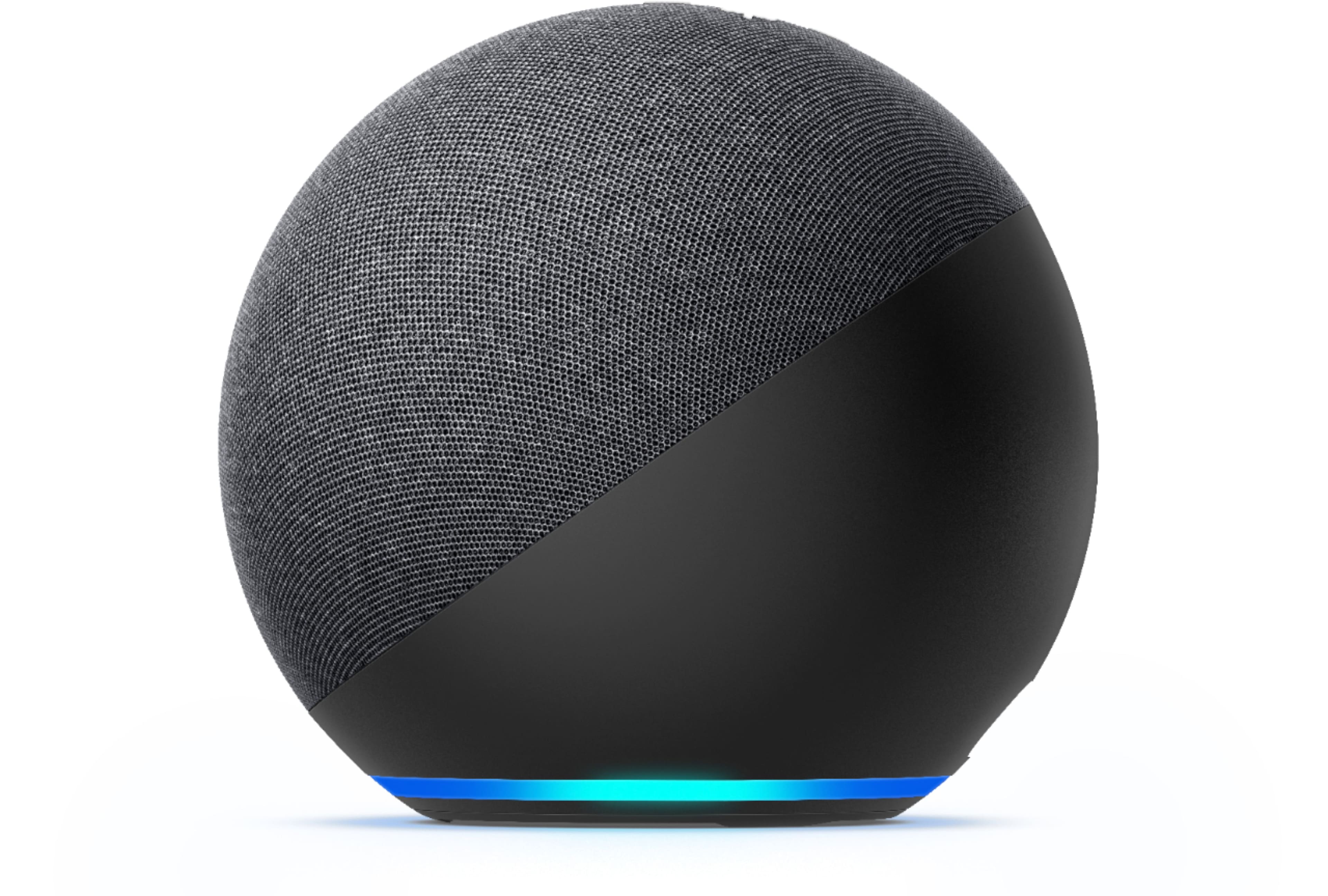
Buy the Google Nest Hub 2nd Gen if…
You want a visual control panel in your kitchen or bedroom, you're invested in Google Home or Android, or you want the best value entry point into a Matter-capable hub. The screen genuinely changes daily life in a way that a Bluetooth speaker form factor doesn't.
Final Verdict
All three hubs work well in 2025, and the days of catastrophic cross-platform incompatibility are largely behind us thanks to Matter. But the right choice still depends on your ecosystem:
- The HomePod Mini is the Thread network champion and the cleanest HomeKit experience — but it's an Apple-only product in practice.
- The Echo Plus 4th Gen is the most flexible for mixed-device homes, with the best automation engine and a built-in Zigbee hub that saves real money.
- The Google Nest Hub 2nd Gen offers the best everyday usability thanks to its screen, and at its price point it's hard to argue against for Google Home users.
If we had to pick one hub for a brand-new smart home with no existing ecosystem baggage, we'd pair a HomePod Mini (for Thread backbone) with an Echo Plus 4th Gen (for Zigbee and Alexa Routines). Together they cover every real-world scenario we threw at them, and both commission Matter devices simultaneously without conflict.
Ready to upgrade your smart home hub? Check current pricing on all three below — stock and pricing shift regularly, so it's worth comparing before you commit.