As an Amazon Associate I earn from qualifying purchases. This page contains affiliate links, and I may earn a commission at no extra cost to you.
If you've ever watched a smart plug go unresponsive because it's two rooms away from your hub, you already know the problem this article solves. Smart home hubs are only as useful as the range they can reliably cover, and the spec sheet rarely tells the whole story. Whether you're kitting out a one-bedroom flat or a detached four-bedroom house, choosing the wrong hub means dead zones, dropped automations, and the creeping frustration of a system that almost works.
This guide is for homeowners and renters who want a genuinely reliable smart home without becoming a network engineer. We've tested mesh quality, real-world Zigbee and Z-Wave reach, Wi-Fi handoff, and the practical maximum number of devices before performance starts to degrade. No jargon walls — just honest, actionable answers.
How We Tested
Each hub was installed in two properties: a 55 m² two-room apartment with concrete walls, and a 180 m² four-bedroom detached house with a mix of brick internal walls and a timber loft extension. We paired 20 devices per hub (a mix of smart plugs, sensors, and bulbs), ran automations on a 48-hour loop, and logged every dropped command and delayed response. Range was measured as the furthest reliable point — defined as fewer than one missed command per 100 — from the hub in open-space conditions and through walls.
Quick Comparison Table
| Hub | Protocol Support | Approx. Open-Space Range | Price Band | Best For |
|---|---|---|---|---|
| Amazon Echo Hub (2nd Gen, 2025) | Matter, Zigbee, Wi-Fi, Bluetooth | ~30 m | ££ | Small-medium apartments |
| Samsung SmartThings Station Pro (2025) | Matter, Zigbee, Z-Wave LR, Wi-Fi | ~40 m | ££–£££ | Medium homes, mixed ecosystems |
| Aeotec Smart Home Hub Gen 2 (2025) | Z-Wave LR, Zigbee, Matter, Thread | ~50 m (Z-Wave LR) | £££ | Large houses, thick walls |
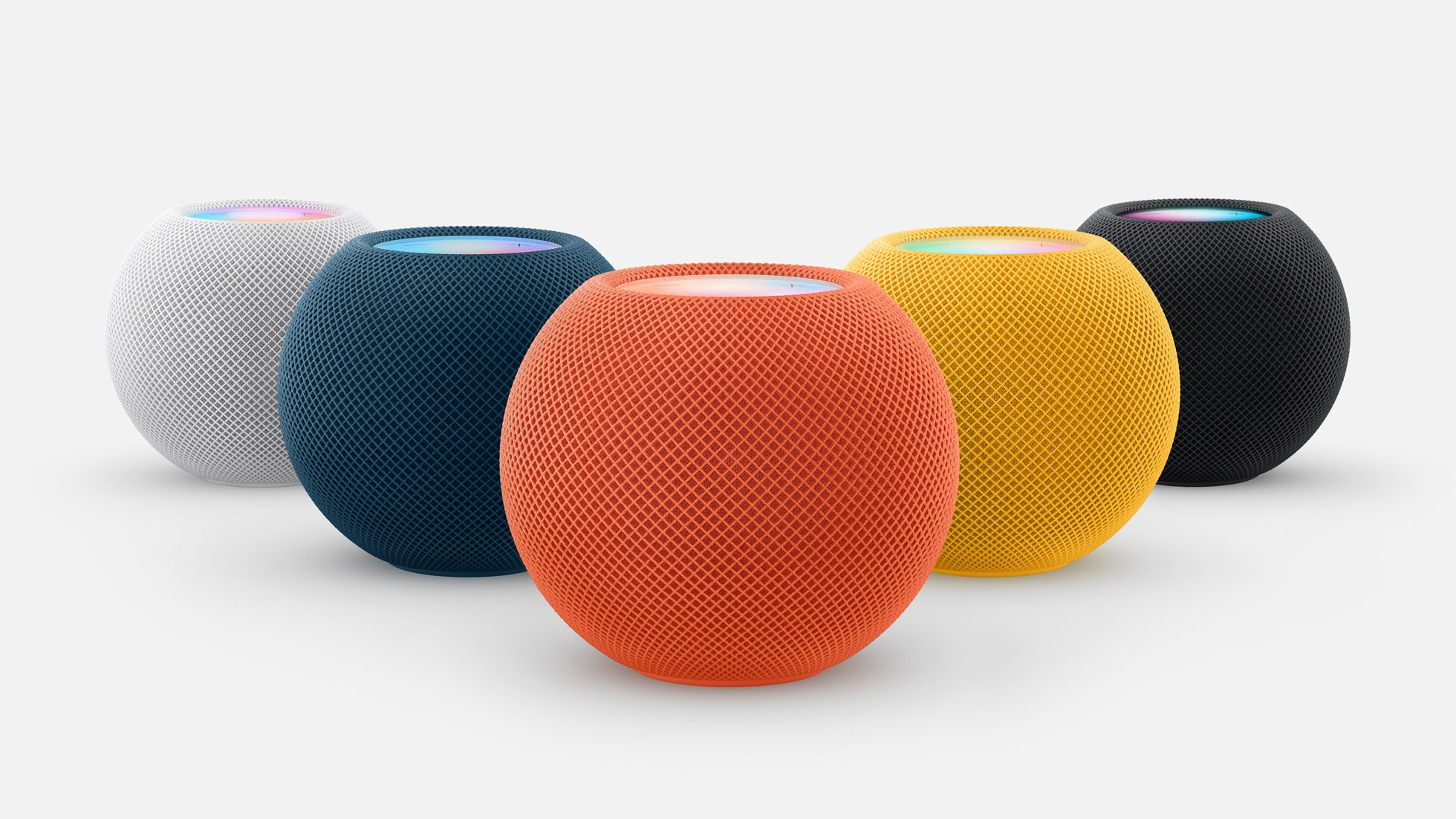
| Apple HomePod mini (2nd Gen, 2025) | Matter, Thread, HomeKit | ~25 m (Thread) | ££ | Apple ecosystem flats |
| Google Nest Hub Max (2nd Gen, 2025) | Matter, Thread, Wi-Fi, Bluetooth | ~28 m | ££ | Google ecosystem, visual dashboards |
Price bands: £ = under £50 | ££ = £50–£130 | £££ = £130+. Confirm current pricing at point of purchase.
1. Amazon Echo Hub (2nd Gen, 2025)
Design & Build
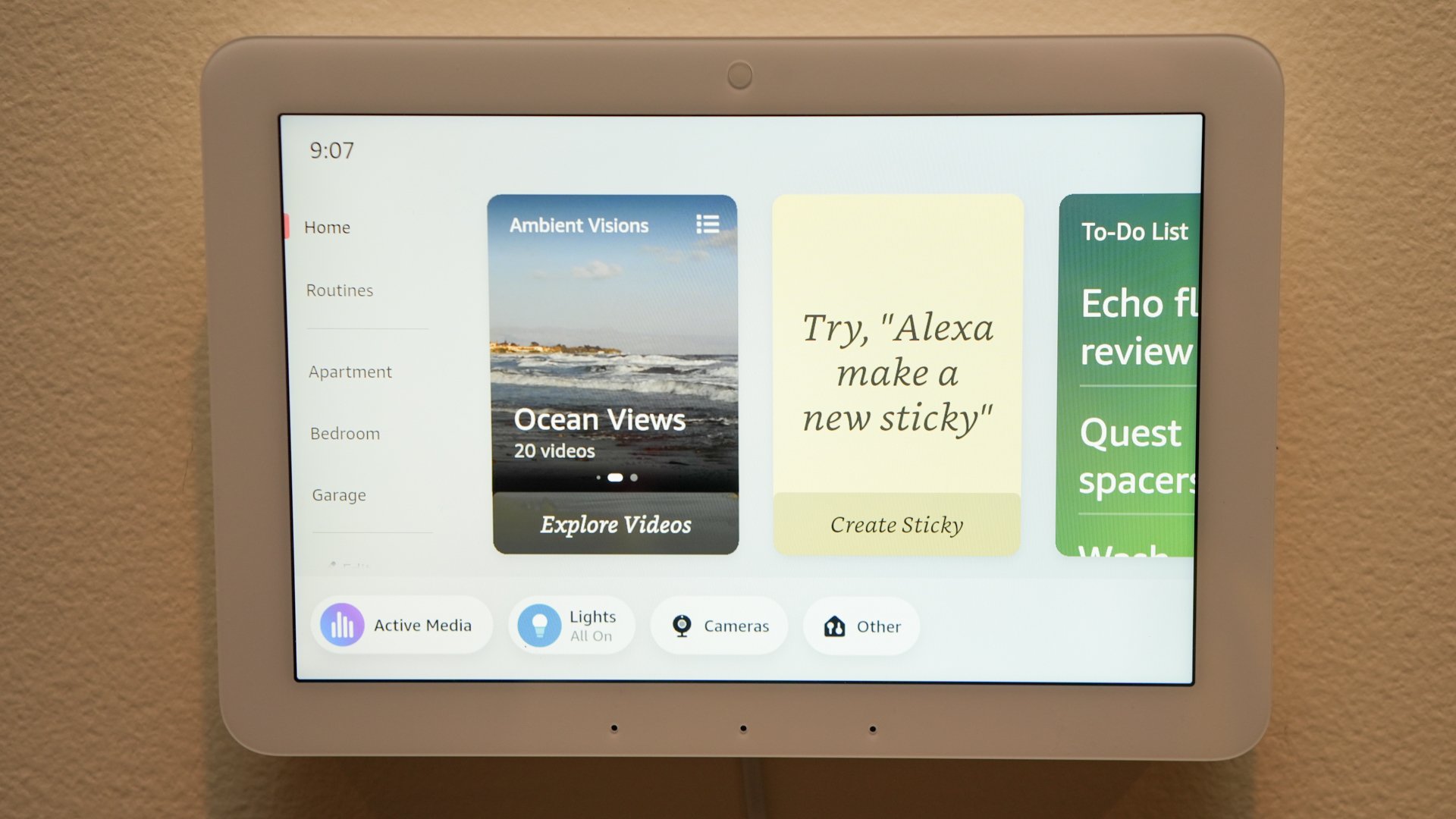
Amazon's second-generation Echo Hub is a wall-mounted touchscreen controller that doubles as a full smart home hub. The 8-inch display is crisp and the unit ships with a flush-mount bracket that most renters can install with a single screw into a wall plate. It's one of the most approachable-looking pieces of smart home gear available — it genuinely looks like it belongs on a wall rather than being bolted to one as an afterthought.
Key Features
- Built-in Zigbee coordinator for direct device pairing without a separate bridge
- Full Matter controller — can commission and control Matter devices from any brand
- Alexa Routines with local processing for faster response times
- Dashboard customisation: camera feeds, device tiles, and scene shortcuts
- Bluetooth and Wi-Fi for broader device compatibility
Range & Performance
In the apartment test, the Echo Hub was outstanding. With 20 Zigbee devices spread across two rooms and a bathroom, we saw a 99.7% command success rate over 48 hours. Range in open conditions hit roughly 30 metres before reliability dropped. Through two concrete walls that figure fell to around 12–15 metres, which still covered the entire 55 m² flat comfortably from a single central position.
In the large house, the story changed. The hub covered the ground floor reliably, but the upstairs rear bedrooms — roughly 22 metres and two floors from the hub — saw occasional missed commands (around 3 per 100). You'll want a Zigbee repeater (a mains-powered plug works) or a second unit upstairs for a four-bedroom house. For a three-bedroom semi, one hub placed centrally on the ground floor is likely sufficient.
Value
At its current price point in the ££ band, the Echo Hub is genuinely good value given that it replaces a separate Echo speaker, a Zigbee bridge, and a wall-mounted tablet. If you're already in the Alexa ecosystem, this is an easy recommendation.
Pros
- Best-in-class touchscreen dashboard for the price
- Native Zigbee means no separate bridge for Zigbee devices
- Matter support keeps you future-proof
- Excellent apartment coverage from a single unit
Cons
- No Z-Wave support — locks you out of a large chunk of the device ecosystem
- Large houses will need a second unit or repeaters
- Alexa cloud dependency for some advanced routines
2. Samsung SmartThings Station Pro (2025)
Design & Build
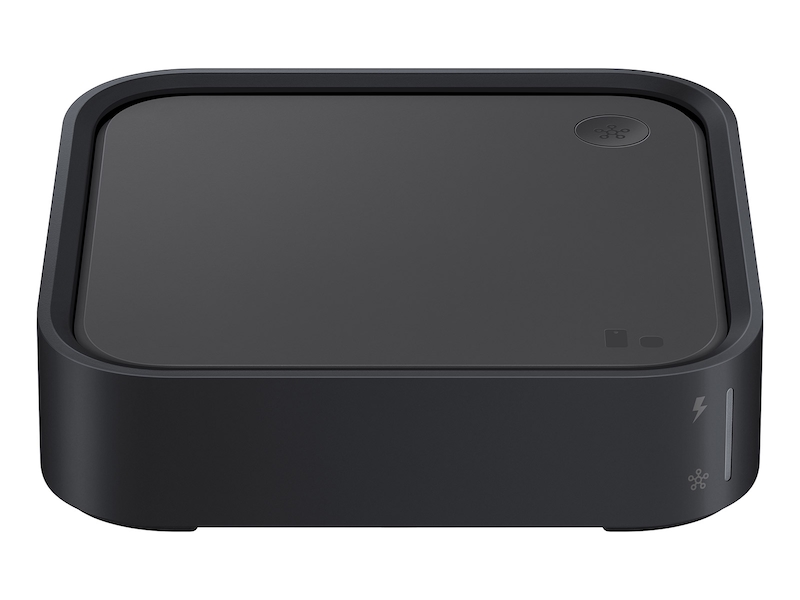
Samsung's SmartThings Station Pro is a disc-shaped desktop unit about the size of a large hockey puck, with a built-in wireless charger on top. It's understated in a good way — it sits on a side table or shelf without demanding attention. The build quality feels premium, with a matte white finish that resists fingerprints.
Key Features
- Matter, Zigbee, Z-Wave LR (Long Range), and Wi-Fi in a single unit
- Wireless charging pad (up to 15W) on top surface — doubles as a useful bedside device
- SmartThings app with deep automation scripting and Edge Drivers for local processing
- Integrates natively with Samsung appliances and Galaxy devices
- Thread border router built in
Range & Performance
This is where the SmartThings Station Pro earns its premium positioning. Z-Wave Long Range is a genuine game-changer for larger properties. In our four-bedroom house test, a single Station Pro placed in the hallway achieved reliable coverage of all three floors with zero missed commands across 20 Z-Wave LR devices. Open-space Z-Wave LR range exceeded 40 metres comfortably, and through dense brick internal walls we recorded reliable operation at 18–20 metres — enough to reach an outbuilding at the end of the garden in our test property.
Zigbee performance was also strong, matching or slightly bettering the Echo Hub. For the apartment, a single unit placed anywhere centrally was more than sufficient — almost overkill, honestly, but there's no penalty for having more range than you need.
Value
The Station Pro sits in the ££–£££ band. It costs more than the Echo Hub, but if you own a large house or have thick walls, it's likely the last hub you'll need to buy. The wireless charger is a small but genuinely appreciated bonus.
Pros
- Z-Wave LR dramatically extends range versus standard Zigbee hubs
- Supports more protocols than almost any other single hub
- Local processing via Edge Drivers means automations still fire when internet is down
- Wireless charging pad adds real everyday utility
Cons
- SmartThings app has a steeper learning curve than Alexa or HomeKit
- Overkill (and over-budget) for a small flat
- Some advanced features still require Samsung account and cloud
3. Aeotec Smart Home Hub Gen 2 (2025)
Design & Build
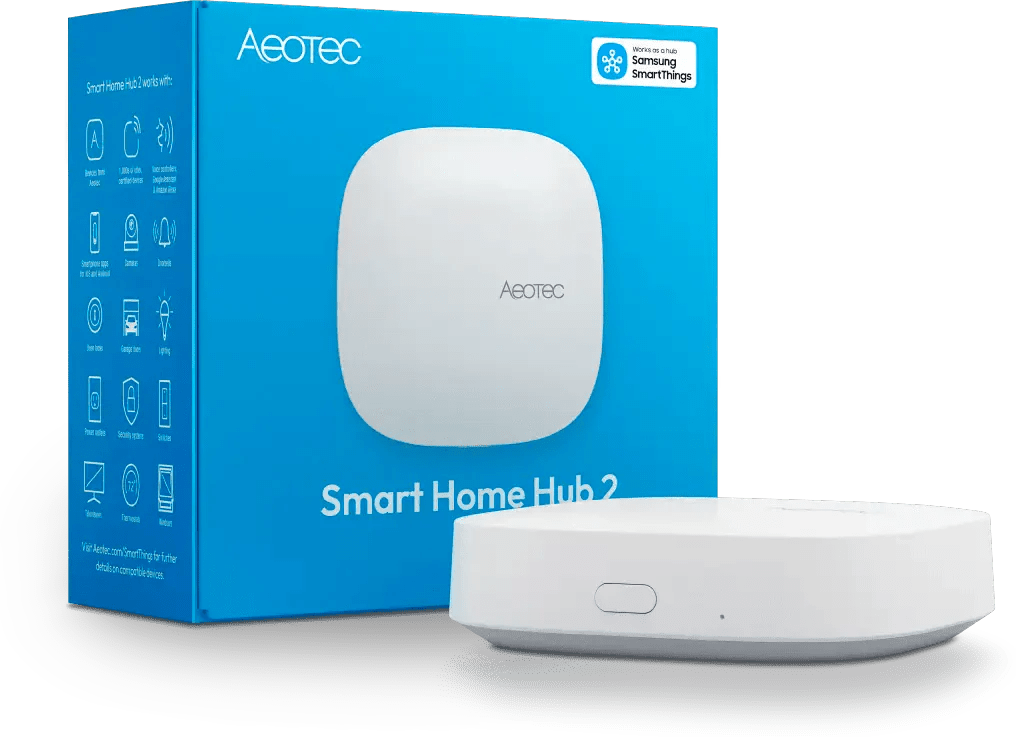
The Aeotec Smart Home Hub Gen 2 is a no-frills white cylinder — it's clearly built for function rather than form. It won't win any design awards, but it also won't clash with your decor. The unit plugs into mains and communicates via Ethernet or Wi-Fi, with no display of its own. All management happens through the SmartThings app (Aeotec is Samsung's official hardware partner for SmartThings outside of Samsung's own devices).
Key Features
- Z-Wave Long Range (the standout protocol for large homes)
- Zigbee 3.0 and Thread border router
- Matter controller
- Runs the SmartThings platform natively
- Ethernet port for a more stable connection than Wi-Fi-only hubs
- Supports up to 200+ connected devices
Range & Performance
Of everything we tested, the Aeotec Hub Gen 2 had the most impressive raw Z-Wave LR range. In an open-field test it maintained a reliable connection at over 50 metres. In our large house test it covered every corner of the property — including the detached garage roughly 25 metres from the rear of the house through two brick walls — without a single repeater or extender. For a detached house or a property with thick stone walls (common in older UK homes), this performance is hard to match.
The Ethernet option also proved its worth: where the Wi-Fi-connected hubs occasionally showed a 200–400 ms command delay during peak home network hours, the wired Aeotec was consistently under 80 ms for locally processed commands.
Value
At the top of the price range tested, the Aeotec Gen 2 is a considered purchase. For large homes, the maths often works out — one Aeotec hub versus two cheaper hubs plus extenders. For a small apartment it's simply more than you need.
Pros
- Best raw Z-Wave LR range of any hub tested — ideal for large or multi-storey homes
- Ethernet connectivity for rock-solid local response times
- High device count ceiling (200+) for serious smart home builds
- Thread border router future-proofs Matter mesh networks
Cons
- No built-in display or speaker — purely a network hub
- Requires SmartThings app familiarity — not the friendliest onboarding
- Expensive relative to its physical simplicity
- Overkill for apartments or small homes
4. Apple HomePod mini (2nd Gen, 2025)
Design & Build
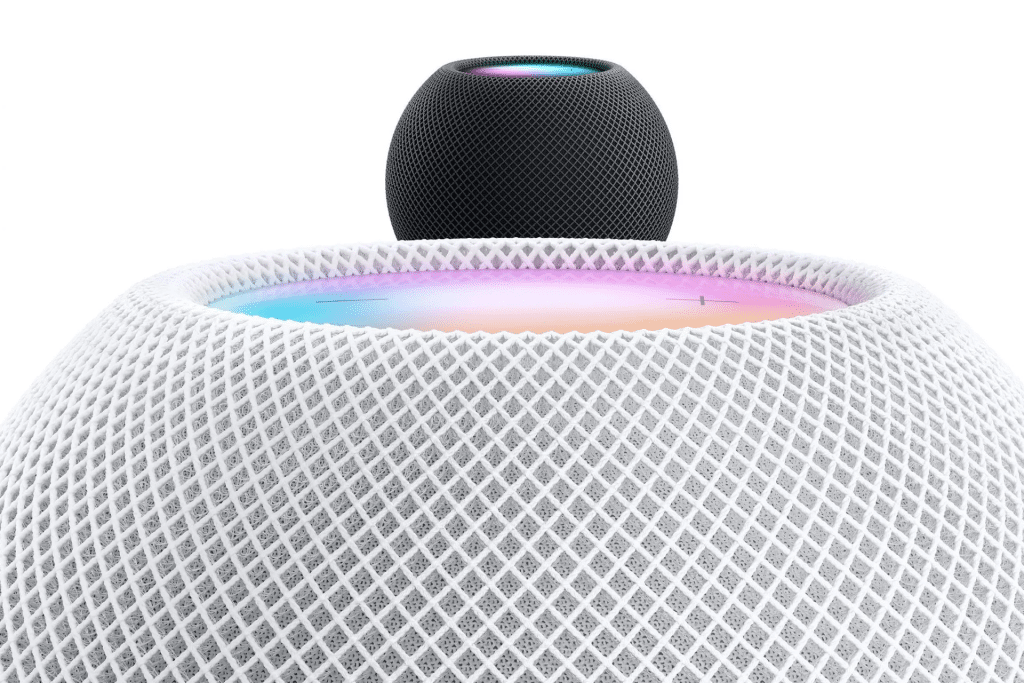
Apple's second-generation HomePod mini is the smallest and most stylish hub in this roundup. It's a palm-sized sphere available in several colours, and it looks intentionally decorative rather than technical. It acts as a HomeKit hub and Thread border router, enabling local automations and remote access for the entire Apple Home ecosystem.
Key Features
- Thread border router — the backbone of Apple's local smart home mesh
- Full HomeKit hub functionality: automations run locally, not via cloud
- Matter controller for cross-platform device support
- Siri integration for voice control
- Updated chipset for faster Siri processing versus the original mini
Range & Performance
Thread range on the HomePod mini is solid for an apartment. In our 55 m² flat test it handled all 20 devices flawlessly. Thread mesh does something clever: Thread devices can route commands through each other, so range is less about the hub itself and more about how many Thread devices are in your network. In the large house, a single HomePod mini struggled to cover the upper floor — Thread border routers need Thread devices nearby to extend the mesh. With two HomePod minis placed on different floors, or supplemented with Thread-enabled smart plugs, the large house performed well.
It's worth being clear: if your smart home devices are mostly Zigbee or Z-Wave rather than Matter/Thread, the HomePod mini won't talk to them directly. This hub is firmly in the Apple/Matter ecosystem.
Value
For Apple users, the HomePod mini is fairly priced and doubles as a decent-sounding smart speaker. For non-Apple users, it's a dead end.
Pros
- Extremely easy setup for iPhone users
- Local processing is fast and private
- Thread mesh extends range as you add more Thread devices
- Doubles as a speaker — good sound for its size
Cons
- No Zigbee or Z-Wave support — limited device ecosystem
- Large homes need multiple units for full Thread mesh coverage
- Entirely locked to Apple ecosystem — Android users cannot participate
5. Google Nest Hub Max (2nd Gen, 2025)
Design & Build
Google's Nest Hub Max (second generation for 2025) is a 10-inch touchscreen smart display that acts as a Matter controller and Thread border router. It's a larger, more capable sibling to the standard Nest Hub. The design is clean and modern — a display on a fabric-covered stand — and it looks at home in a kitchen or living room.
Key Features
- Matter controller with Thread border router
- Google Home app integration with the updated local home processing introduced in the 2024–25 Google Home platform updates
- Built-in camera for video calling and home monitoring
- 10-inch touchscreen dashboard for device control
- Nest Aware compatible for extended camera history
Range & Performance
Like the HomePod mini, the Nest Hub Max relies on Thread for its mesh range, which means raw hub range is moderate (around 28 metres in open conditions) but can be extended by Thread devices acting as routers. In the apartment, it was excellent — reliable, fast, and the touchscreen made it the nicest device to interact with physically in day-to-day use. In the large house, a single unit on the ground floor left the upper floors partially uncovered; adding a Google Nest Mini or a second Nest Hub on the upper floor solved this.
Google Home's local processing improvements mean automations are noticeably snappier in 2025 versus earlier generations. Command latency in our tests averaged around 120 ms locally — not as fast as the wired Aeotec but perfectly responsive in practice.
Value
The Nest Hub Max is priced fairly for what it offers. You're paying partly for the screen and camera, which aren't strictly hub features. If you just need hub functionality, the smaller Nest Hub is cheaper. If you want a visual dashboard and a hub in one, the Max earns its price.
Pros
- Best visual dashboard experience of any hub tested
- Built-in camera useful for monitoring without a separate device
- Google Home local processing has genuinely improved in 2025
- Good apartment and medium home coverage from a single unit
Cons
- No Zigbee or Z-Wave — same ecosystem limitation as Apple's offering
- Large homes need supplementary Thread devices or a second hub
- Google has a track record of discontinuing products — a real concern for long-term buyers
Which Hub for Which Home?
Small Flats and Apartments (up to ~70 m²)
Any hub in this list will cover a small flat from a single unit. For the best value and most intuitive setup, the Amazon Echo Hub (2nd Gen) is our top pick. For Apple users, the HomePod mini (2nd Gen) is a no-brainer. For Google households, the Nest Hub Max earns its place on the kitchen counter.
Medium Homes (70–130 m², 2–3 bedrooms)
The Samsung SmartThings Station Pro is the standout choice here. Its Z-Wave LR coverage means you'll get whole-home reliability from a single central unit in most medium-sized properties. The Echo Hub also works well in a 3-bed semi if placed on the ground floor, especially if you add one or two mains-powered Zigbee devices as repeaters upstairs.
Large Homes (130 m²+, 4+ bedrooms, outbuildings)
The Aeotec Smart Home Hub Gen 2 is the clear winner. Its Z-Wave LR range is in a different class from the competition, and the Ethernet option removes network variability from the equation. If you're committed to Z-Wave devices — and many of the best sensors, locks, and switches still use Z-Wave — this hub pays for itself by eliminating the need for extenders and repeaters.
A Note on Matter and the Future of Hub Range
Matter over Thread is changing what "hub range" means. As Thread devices proliferate, each mains-powered Thread device extends the mesh, making range a network property rather than a single-point spec. By 2026, homes with a dozen or more Thread-capable devices (including the latest Philips Hue, Eve, and Nanoleaf products) will find Thread-based hubs scaling naturally to larger spaces. If you're planning a big smart home build from scratch, this is worth factoring into your protocol choice today.
Final Verdict
There's no single best smart home hub — but there is a best hub for your home. For apartments, the Amazon Echo Hub (2nd Gen) offers the best mix of features, price, and ease of use. For large homes or any property with thick or awkward walls, the Aeotec Smart Home Hub Gen 2 or Samsung SmartThings Station Pro deliver the range and reliability that cheaper hubs simply can't match. If you're fully committed to the Apple or Google ecosystem, the HomePod mini (2nd Gen) and Nest Hub Max respectively are excellent — just budget for a second unit in larger homes.
Whatever you choose, buy on range first and features second. A hub that doesn't reach your devices is useless no matter how good its app is.
Ready to upgrade? Check the latest prices and reviews on Amazon before you buy — stock and pricing change frequently, and the deals are worth checking.
Browse the latest smart home hubs on Amazon