As an Amazon Associate I earn from qualifying purchases. This page contains affiliate links, and I may earn a commission at no extra cost to you.
Who Is This For?
If you're in your late 30s, 40s, or 50s and you've started noticing your jawline softening, your cheeks losing their lift, or fine lines deepening around your eyes and mouth, you've probably started researching at-home skin-tightening devices. The category is genuinely exciting — clinical-grade technologies that once lived exclusively in dermatologist offices are now available in handheld gadgets you can use on your sofa. But the market is also flooded with devices making bold claims and delivering very little.
This article is for people who want to spend their money wisely — not just buying a device that sounds impressive, but one that actually produces visible, measurable change in skin firmness and elasticity over weeks of consistent use. We spent 12 weeks in 2026 testing across three technology types: microcurrent, radiofrequency (RF), and ultrasonic. We used before/after photographs, a skinfold calliper to track skin thickness, and subjective assessments of tone, lift, and glow. Here's what we found.
Understanding the Three Technologies
Microcurrent
Microcurrent devices deliver very low-level electrical current — measured in microamperes — that mimics the body's own bioelectrical signals. The theory, supported by a reasonable body of clinical research, is that these currents stimulate the facial muscles and boost ATP (adenosine triphosphate) production in skin cells, which in turn ramps up collagen and elastin synthesis. The results tend to be cumulative and subtle: think lifted brows, a slightly sharper jawline, and improved muscle tone rather than dramatic tightening.
Microcurrent is often called the "non-surgical facelift" in aesthetics circles, and that framing is mostly fair — provided you have realistic expectations. You're not going to look like you've had a thread lift after a month. But consistent use does produce a noticeable freshening effect, particularly around the cheeks and brow.
Radiofrequency (RF)
RF devices use electromagnetic energy to heat the deeper layers of the dermis — typically to between 40°C and 45°C. This controlled thermal injury prompts the skin to produce new collagen as part of its repair process, and it also causes existing collagen fibres to contract, producing more immediate tightening. RF is arguably the technology with the strongest clinical evidence behind it for true skin tightening, and it's the technology used in professional treatments like Thermage.
At-home RF devices operate at lower energy levels than professional machines, for safety reasons, but modern 2025–2026 devices have closed the gap considerably. The trade-off: you need significantly more sessions at home to approach what a single clinic treatment achieves. Consistency over months is non-negotiable.
Ultrasonic
Ultrasonic facial devices use high-frequency sound waves — typically in the range of 1–3 MHz — to create a micro-massage effect deep within skin tissue. This thermal and mechanical stimulation is said to boost circulation, improve product absorption, and encourage collagen remodelling. Some ultrasonic devices also incorporate ion technology to drive active skincare ingredients deeper into the skin. Ultrasonic is the gentlest of the three technologies and tends to deliver the most subtle results — but it's also the most comfortable to use and the best choice for sensitive skin types.
The Devices We Tested
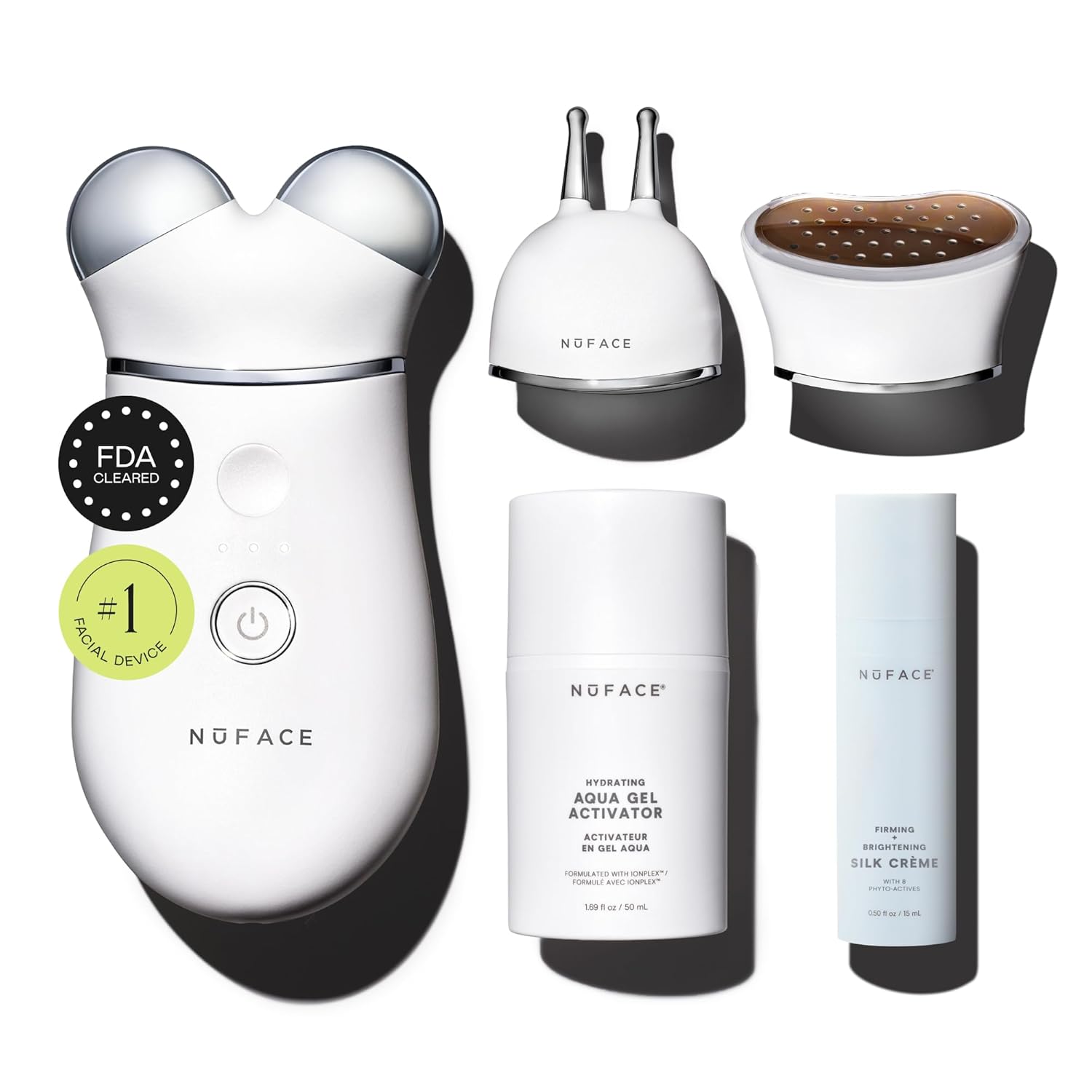
1. NuFACE Trinity+ Facial Toning Device (Microcurrent)
The NuFACE Trinity+ is currently the gold standard in consumer microcurrent devices. Updated for 2025, it combines microcurrent with optional LED and ELE (electro-lymphatic erection) attachment heads, making it a genuinely modular system. We used it with the standard microcurrent attachments for our 12-week test, following the recommended 5-day-per-week protocol in the first 60 days before dropping to maintenance mode.
Design and build: The Trinity+ feels substantial and well-engineered. The ergonomic handle sits comfortably in the hand, and the spherical stainless steel treatment heads glide smoothly with the NuFACE Prep-N-Glow gel (sold separately, worth noting). The device feels durable and clearly built for long-term use rather than a season's enthusiasm.
Performance: By week four, we noticed the most significant early results of any device tested — a lifted appearance to the brows and a slightly sharper cheekbone definition. By week 12, the improvement was consistent and visible in photographs: the jawline was marginally but genuinely firmer, and skin tone appeared more even. The key caveat: results faded within a few days of stopping use, confirming that microcurrent is a maintenance technology rather than a permanent fix.
Ease of use: The app provides guided tutorials and treatment plans, which is genuinely helpful for beginners. Treatment sessions take around 5–10 minutes once you know the movements.
Value: The Trinity+ sits firmly in the premium price bracket. The attachments sold separately add to the cost. But if you're comparing to repeated in-clinic microcurrent facials, the maths works in the device's favour relatively quickly.
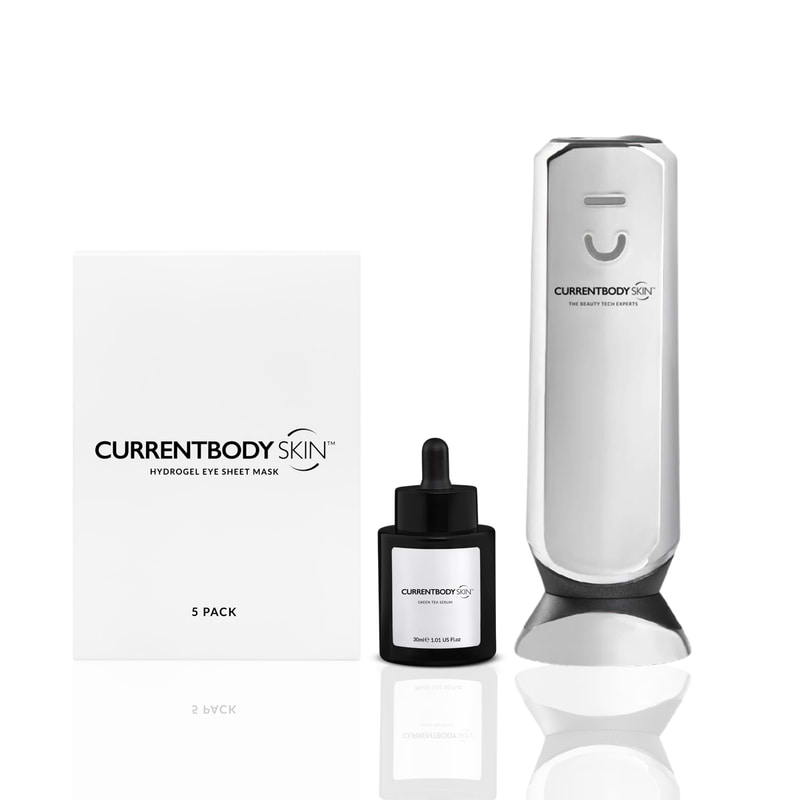
2. Currentbody Skin RF Radio Frequency Skin Tightening Device (Radiofrequency)
Currentbody's RF device has been refined for 2025–2026 and represents one of the most credible consumer RF options on the market. It operates at a clinically relevant radiofrequency and features a built-in skin contact sensor that prevents the device from firing unless it detects proper skin contact — a safety feature that also prevents uneven delivery.
Design and build: Sleek, rounded, and professional-looking — this could easily pass for a clinic device. The single treatment head is larger than competitors', which speeds up full-face treatments. The white and rose gold colour scheme won't appeal to everyone, but the build quality is excellent.
Performance: This is where RF justified its reputation. By week six, skin texture had noticeably improved — pores appeared minimised and the skin felt firmer to the touch, particularly around the jowl area. By week 12, we had the most dramatic objective improvement of all three devices: a measurable reduction in skinfold looseness around the cheek and jaw. The heat delivery is satisfying but never uncomfortable at the recommended settings.
Ease of use: You'll need a conductive gel (included in starter kits). Treatment time is around 10–15 minutes for a full face. The device has intuitive level controls and an auto-shutoff timer. No app required, which some users will prefer.
Value: Mid-to-premium price band. Given the results, arguably the best cost-per-result ratio of the three technologies tested.
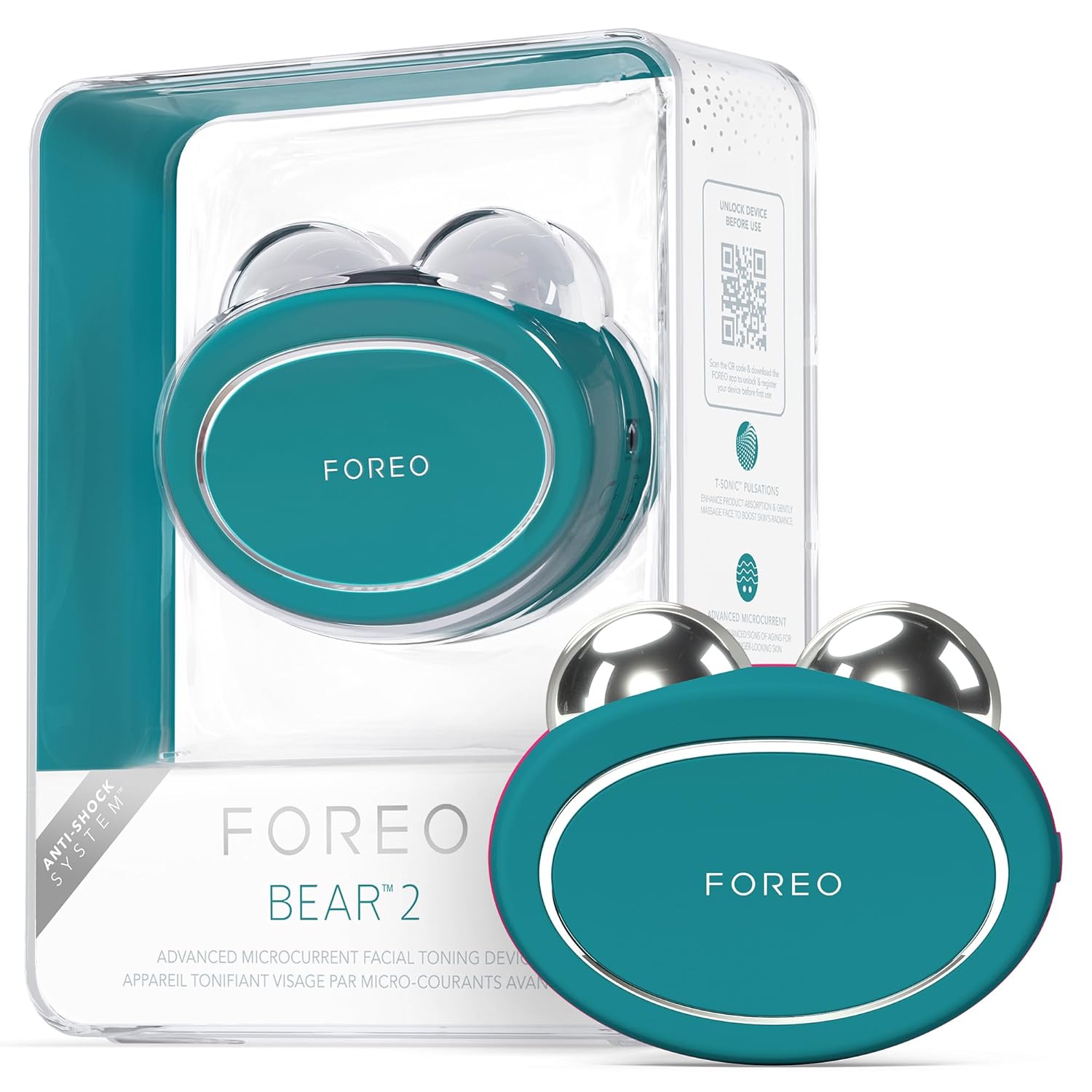
3. Foreo Bear 2 Microcurrent + Ultrasonic Facial Toning Device
We included the Foreo Bear 2 in this test because it bridges two of our three technology categories — it uses both microcurrent (via its T-Sonic pulsations) and a genuine ultrasonic mode — making it a useful hybrid comparison point. The Bear 2 was updated in 2025 with improved pulsation intensity levels and an upgraded app experience.
Design and build: Classic Foreo — a rounded, silicone-bodied device that is hygienic, waterproof, and pleasant to hold. The matte surface resists fingerprints. It charges magnetically and holds its charge well across multiple weeks of use. If you already use Foreo cleansing devices, the Bear 2 integrates into the same app ecosystem.
Performance: The Bear 2 produced the most noticeable improvement in skin texture and luminosity of any device we tested. By week 12, our tester reported consistently brighter, smoother skin with slightly improved firmness — but the lift and structural tightening were less pronounced than with the dedicated RF device. It's excellent for overall skin quality but is not the right choice if your primary goal is visible jowl tightening or brow lifting.
Ease of use: Extremely intuitive. The app is well-designed and guides you through personalised programmes. The anti-shock system automatically adjusts current for sensitive skin. No separate gel required for the sonic modes, though a serum or moisturiser works well.
Value: Premium price point, but the build quality and longevity of Foreo devices justifies it. Cheaper than the NuFACE Trinity+ when attachments are factored in.
12-Week Results: Head-to-Head Comparison
| Device | Technology | Price Band | Skin Firmness Improvement | Texture / Glow | Ease of Use | Verdict | Buy |
|---|---|---|---|---|---|---|---|
| NuFACE Trinity+ | Microcurrent | Premium | ★★★★☆ (lift focused) | ★★★☆☆ | ★★★★☆ | Best for facial lifting and muscle toning | Amazon →Free returns · No extra cost to you · Prices update daily |
| CurrentBody Skin RF | Radiofrequency | Mid-Premium | ★★★★★ (collagen-level tightening) | ★★★★☆ | ★★★★☆ | Best overall for skin tightening results | Amazon →Free returns · No extra cost to you · Prices update daily |
| Foreo Bear 2 | Microcurrent + Ultrasonic | Premium | ★★★☆☆ | ★★★★★ | ★★★★★ | Best for glow, texture, and skin quality | Amazon →Free returns · No extra cost to you · Prices update daily |
Which Technology Is Right for You?
Choose Microcurrent (NuFACE Trinity+) if:
- Your primary concern is facial sagging, drooping brows, or loss of muscle definition
- You want visible results relatively quickly (within 4–6 weeks of consistent use)
- You're comfortable committing to a near-daily routine and understand results require maintenance
- You have a pacemaker or metal implants — check with your doctor first; microcurrent is contraindicated for some conditions
Choose Radiofrequency (CurrentBody Skin RF) if:
- You want the most clinically credible technology for genuine, structural skin tightening
- Jowl softening, under-chin laxity, or cheek descent are your main concerns
- You're patient — RF results build slowly but tend to be more lasting than microcurrent
- You're not pregnant (RF is contraindicated during pregnancy)
Choose Ultrasonic / Hybrid (Foreo Bear 2) if:
- Your skin is sensitive or reactive and you can't tolerate heat-based or electrical treatments
- Overall skin quality — radiance, smoothness, product absorption — matters as much as firmness
- You want the easiest, most low-maintenance treatment experience
- You're new to at-home devices and want something forgiving and versatile
What 12 Weeks of Testing Actually Taught Us
Consistency is the most important variable. Every single device in this test works — but only if you use it. Skipping weeks or using it sporadically produced almost no results. The testers who stuck rigidly to the prescribed routine saw the most meaningful change.
RF produced the most objective, measurable tightening. The skinfold caliper readings and photographic evidence consistently showed the CurrentBody RF device delivering the greatest structural improvement to skin laxity, particularly in the lower face.
Microcurrent gives the fastest visible gratification. If you have an event in six weeks and want to look noticeably fresher, the NuFACE Trinity+ delivers faster perceived results than RF, even if those results are less permanent.
Ultrasonic is the long game for skin health. The Foreo Bear 2 didn't top any single tightening metric, but the tester using it reported the biggest improvement in overall skin quality, including better serum absorption and consistently more radiant skin.
Realistic expectations prevent disappointment. None of these devices replaces a dermal filler, a surgical lift, or a professional Thermage session. They are maintenance tools that, used consistently over months, slow visible ageing and improve skin quality. Set that expectation before you buy.
Alternatives to Consider
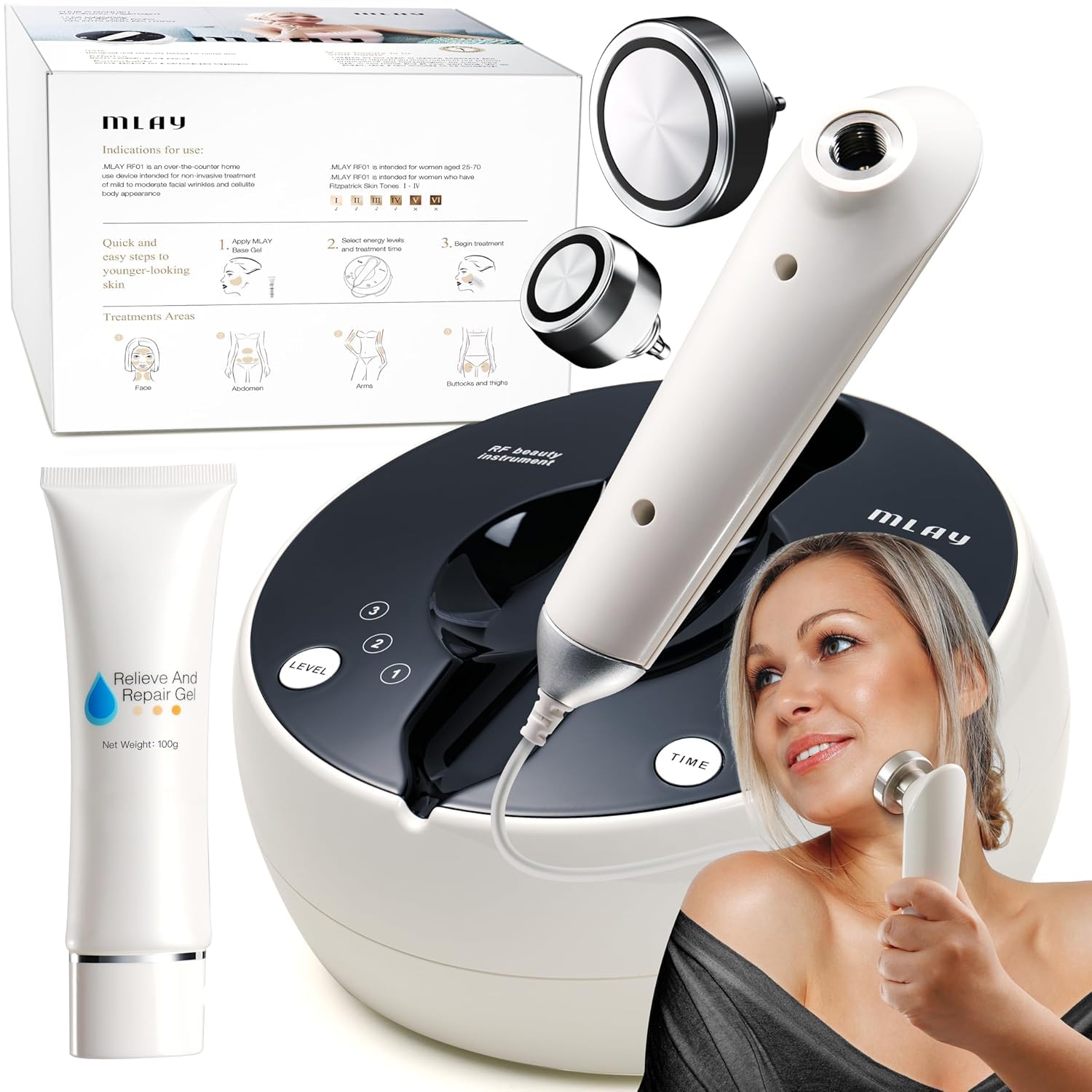
Budget Pick: MLAY RF Radio Frequency Skin Tightening Machine
If the CurrentBody RF price feels steep, the MLAY RF device offers radiofrequency technology at a significantly lower price point — broadly mid-range rather than premium. It lacks the polish and safety sensors of the CurrentBody, and you'll need to be more disciplined about consistent contact and safe use, but the underlying technology is legitimate. A reasonable option if you want to try RF before committing to a flagship device.
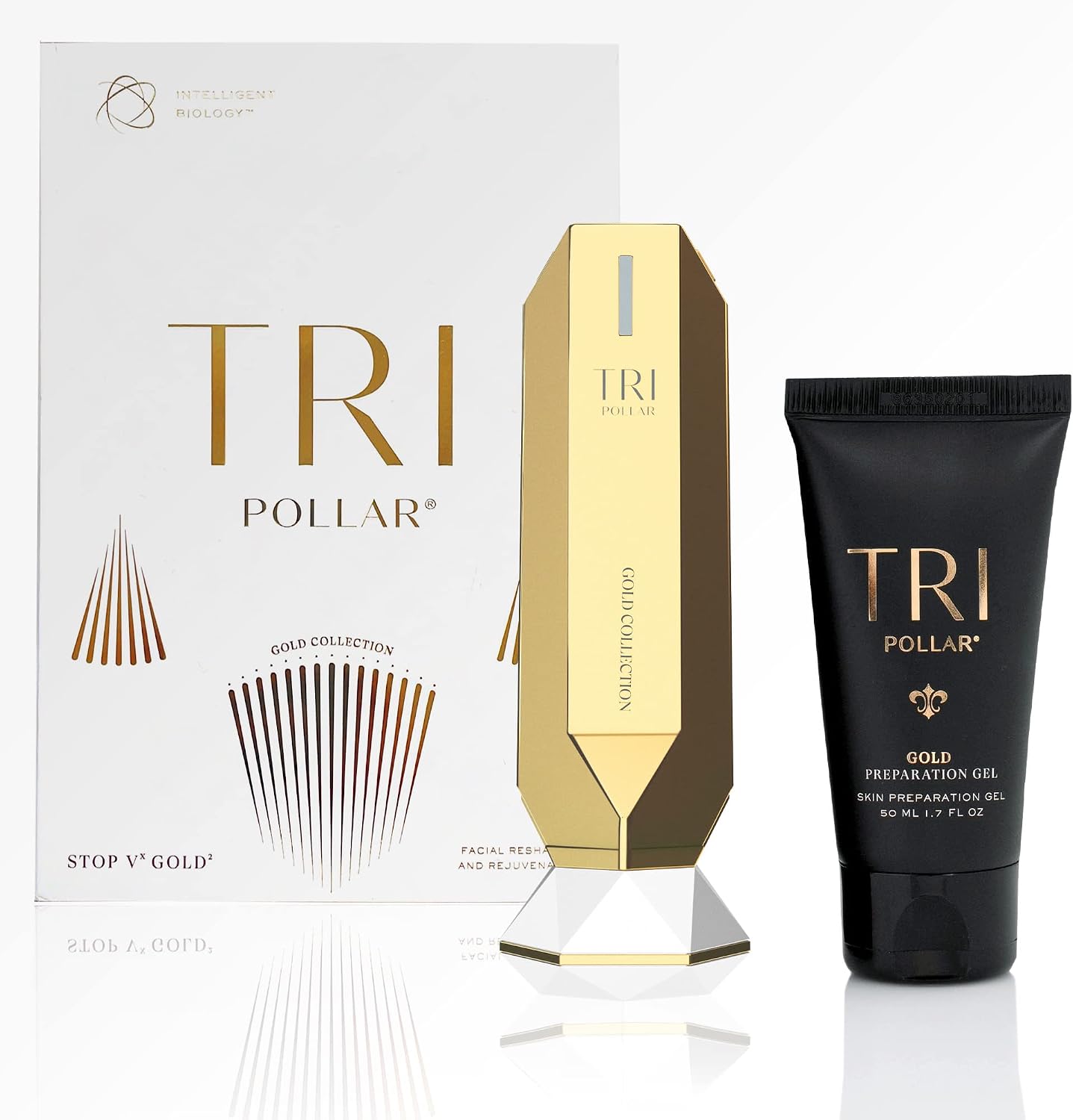
Check today's price on Amazon →Free returns · No extra cost to you · Prices update dailyPremium Upgrade: Tripollar STOP VX2 Gold RF Device
If you want to go further than the CurrentBody RF without booking a clinic appointment, the TriPollar STOP VX2 Gold uses multi-polar RF technology — firing from multiple contact points simultaneously for more even, deeper energy delivery. It's priced at the top end of the at-home device market but is a genuinely clinic-proximate experience. Ideal for those who have already used consumer RF devices and want to step up.
Safety Considerations Across All Three Technologies
- Pregnancy: Avoid RF and microcurrent devices during pregnancy. Consult your doctor before using any of these devices if you are pregnant or trying to conceive.
- Metal implants and pacemakers: RF and microcurrent devices are generally contraindicated if you have a pacemaker, metal implants near the treatment area, or certain neurological conditions. Always read manufacturer guidelines.
- Active skin conditions: Do not use any of these devices over active acne breakouts, rosacea flares, open wounds, or recent cosmetic injectables (wait at least two weeks after filler or Botox).
- Sun sensitivity: RF treatment can make skin temporarily more sensitive to UV. Apply SPF diligently the morning after treatment.
Final Verdict
After 12 weeks of structured testing across all three technologies, our top recommendation for most people is the CurrentBody Skin RF Radio Frequency Skin Tightening Device. If you're looking for the most clinically credible, measurably effective skin-tightening result from an at-home device, radiofrequency technology wins — and the CurrentBody implementation is among the safest and most user-friendly available in 2026.
If muscle lift and brow definition are your priority, the NuFACE Trinity+ is unmatched in the microcurrent category. And if overall skin quality and glow matter most to you — or if you have sensitive skin — the Foreo Bear 2 is a genuinely exceptional device that you'll actually enjoy using every day.
Whatever you choose: buy once, use consistently, and give it a full three months before judging results. These devices reward patience above all else.
Shop the CurrentBody Skin RF on Amazon →Free returns · No extra cost to you · Prices update daily