As an Amazon Associate I earn from qualifying purchases. This page contains affiliate links, and I may earn a commission at no extra cost to you.
New parents spend their first few months in a state of hyper-vigilance. You place a sleeping newborn into a bedside crib, lie down, and then immediately sit back up to check whether their chest is rising. That reflexive worry is entirely natural, but it destroys sleep. It is also the primary reason wearable baby vitals monitors have transformed from niche gadgets into common baby registry fixtures.
If you are looking to gift one of these devices—or buy one for your own nursery—the decision usually narrows down to two popular options: the Owlet Dream Sock and the Sense-U Baby Monitor 3. Both promise to monitor your infant while they sleep and alert you if something is amiss. However, they go about this task in fundamentally different ways, attach to completely different parts of the body, and carry vastly different price tags.
A monitor that screeches in the middle of the night because a sensor shifted two millimetres does not relieve anxiety; it amplifies it. This guide examines how both systems operate, how they handle false alerts, and which device represents the smarter purchase for anxious households.
Understanding the Monitoring Technology
Before evaluating features, it helps to understand what each gadget actually measures. Marketing claims often group all wearable monitors under the umbrella of 'smart safety tech', but the mechanical execution dictates everything from day-to-day comfort to alert accuracy.
Pulse Oximetry vs Abdominal Motion
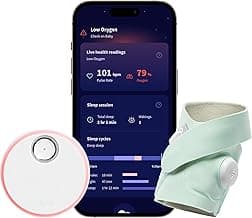
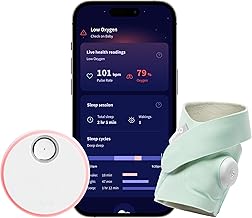
The Owlet Dream Sock relies on miniaturised pulse oximetry. A tiny sensor pod sits inside a fabric bootie wrapped around the infant's foot. It shines LEDs through the skin to measure heart rate, blood oxygen saturation, and sleep cycles. Because pulse oximetry measures circulatory vitals, it is continuous and independent of whether the baby is wriggling, kicking, or lying completely still.
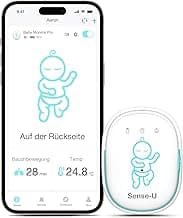
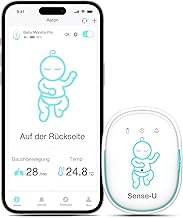
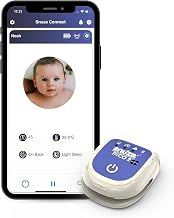
In contrast, the Sense-U Baby Monitor 3 is a motion and orientation tracker that clips onto the waistband of the baby's nappy. It does not measure heart rate or blood oxygen. Instead, it tracks abdominal rise and fall to verify regular breathing motion, alongside roll-over position (stomach sleeping) and skin or ambient temperature around the nappy line.
This distinction matters. An abdominal motion monitor detects physical movement; if the sensor loses snug contact with the tummy, it may register a lack of movement even when the infant is breathing peacefully. Pulse oximetry avoids that specific clip-slip problem, but presents its own fitting challenges around foot placement.
Owlet Dream Sock: The Deep Dive
The Owlet brand essentially pioneered consumer nursery vitals tracking. The Dream Sock platform has evolved significantly, securing medical device certification in multiple territories for its pulse rate and oxygen monitoring capabilities.
Design and Usability
The system consists of three core components: a set of soft fabric socks in multiple sizes, the sensor puck that snaps into the fabric, and a dedicated glowing Base Station. The package includes socks sized for infants from birth up to roughly 18 months (2.5 to 13.6 kg).
Fitting the sock takes a few nights of practice. It must sit snugly against the heel and ball of the foot without constricting blood flow. If put on too loosely, the optical sensor cannot obtain an accurate capillary reading. If put on crooked, the baby will kick it off against the mattress sheet within twenty minutes. Once parents master the alignment, the soft fabric proves gentle on delicate newborn skin.
Connectivity and the Dedicated Base Station
Where the Owlet Dream Sock justifies a significant chunk of its premium price tag is its hardware Base Station. The sensor communicates with the base via low-energy Bluetooth, while the base connects to your home network on a 2.4 GHz Wi-Fi frequency.
Why is this critical? Because relying exclusively on smartphone notifications is risky. Phones enter 'Do Not Disturb' modes, run out of battery, drop Wi-Fi, or silence app banners. Owlet's Base Station sits on your bedside table as an independent hardware safety net. It glows soft green when vitals are normal. If oxygen levels or pulse rates drop outside preset safe thresholds, the base chimes loudly and flashes amber or red. It also alerts you if the sock falls off or loses contact, using a gentler tune so parents know it is an adjustment issue rather than a medical emergency.
Battery Life Routine
The sensor puck delivers around 16 hours of continuous use on a single charge. In real terms, this means daily charging is mandatory. The habit is straightforward: take the sock off during the morning wake-up routine, drop the sensor puck onto the magnetic charging base, and put it back on before bedtime. A 20-minute drop-charge yields enough battery for a nap, while a full charge takes around 90 minutes.
Sense-U Baby Monitor 3: The Deep Dive
The Sense-U Baby Monitor 3 takes a radically different route. It is small, lightweight, and clips directly onto the front of the nappy near the belly button. It retails in the lower-to-mid price tier, making it an accessible option for parents who want reassurance without spending several hundred pounds.
Abdominal Movement and Rollover Tracking
Rather than checking blood oxygenation, the Sense-U tracks physical displacement. When the baby inhales and exhales, the tummy moves the clip. If weak or absent movement is detected, the unit triggers an alert. Additionally, the device monitors the baby's sleep position, sounding an alarm if the infant rolls onto their stomach—a feature that particularly appeals to parents transitioning their baby out of a swaddle.
It also incorporates a built-in thermometer. While it measures temperature near the nappy line rather than true core body temperature, it warns parents if the sleep space becomes unusually hot or cold, assisting in the prevention of overheating.
The Bluetooth Dilemma and Range Limitations
The standalone Sense-U Baby Monitor 3 relies on Bluetooth 4.0 to transmit data straight to your smartphone. The manufacturer cites an open-air range of up to 15 metres. In a real home with brick walls, closed timber doors, and structural interference, that usable range can drop dramatically.
If parents sleep down the hallway or want to monitor naps from the kitchen downstairs, direct Bluetooth connections frequently drop. A dropped connection triggers a disconnect alarm on your phone, waking you up for a signal dropout rather than a genuine baby issue. Sense-U sells an optional Wi-Fi base station to bridge this gap, but when purchased as the basic clip-only package, range is a genuine constraint to consider.
Nappy Fit and Movement Sensitivity
The clip mechanism must be fastened tightly to the front of a well-fitted nappy. As nappies fill with liquid over the course of the night, they sag. A sagging nappy pulls the clip away from the infant's skin. When that happens, the sensor stops detecting abdominal movement, resulting in the dreaded false alarm at 4:00 AM. Verified owners report that securing the clip inside tight-fitting sleepsuits or using high-waisted nappies helps, but it requires diligent fitting every single night.
Side-by-Side Comparison
To help weigh the trade-offs between pulse oximetry socks and clip-on movement trackers, see the breakdown below alongside an established clip-on alternative, the Snuza Pico 2.
| Product | Sensor Type | Price Band | Primary Advantage | Buy |
|---|---|---|---|---|
| Owlet Dream Sock | Pulse oximetry (foot) | Premium | Medical-grade vitals, dedicated bedside base station | Check today's price on Amazon |
| Sense-U Baby Monitor 3 | Abdominal motion & rollover clip | Budget to Mid | Rollover alerts, temperature tracking, affordable | Check today's price on Amazon |
| Snuza Pico 2 | Diaper clip motion & vibration | Mid-range | Vibration stimulation before alarm, phone-free use | Check today's price on Amazon |
Direct Comparison: Key Decision Factors
1. False Alarm Rates
Nothing sours the experience of a baby gadget faster than false alarms. Both devices can false-alarm, but for distinct reasons.
With the Sense-U Baby Monitor 3, false alerts almost always trace back to physical displacement. If your baby is an active wriggler who shifts diagonally in their cot, the clip can twist sideways or lift off the tummy. When the sensor fails to register movement, the alarm goes off. If the nappy expands or loosens, the same thing occurs.
With the Owlet Dream Sock, fit issues do not cause an emergency alarm. Instead, Owlet uses distinctly toned 'placement alerts'. If the sock slips loose or the baby kicks the sensor away from their skin, the base station plays a gentle melody notifying you that the sensor needs repositioning, rather than the high-pitched red alarm reserved for vitals anomalies. This separation of alert types is a massive quality-of-life advantage for exhausted parents.
2. The Notification Pipeline
Relying solely on your phone for life-sign notifications is a known pain point. Apps can be killed by background task managers, operating system updates can reset volume levels, and Bluetooth connections can silently drop.
Because the Owlet Dream Sock maintains an active radio connection to its physical Base Station, you do not need to look at your phone at all during the night. If the nursery is in another room or your baby sleeps beside your bed, the base acts as an audible, physical monitor. Sense-U requires either your phone screen to remain on hand with app permissions carefully calibrated, or an investment in their separate base station accessory.
3. Ease of Nighttime Nappy Changes
When you are half-asleep changing an explosive nappy at 2:30 AM, how much friction does the tracker add?
Here, the Owlet wins decisively. The sock stays on the foot. You unzip the bottom of the baby's sleepsuit, swap the nappy, zip it back up, and put the baby back down. The monitoring does not pause, and you never have to unclip or reposition the sensor.
With the Sense-U, the tracker is physically affixed to the nappy waistband. You must unclip the unit, set it aside on the changing table, fit the fresh nappy snugly, re-clip the sensor in the exact correct position against the belly, and ensure the orientation matches before closing the baby's sleepsuit. Doing that in dim red nursery lighting while soothing a crying infant adds unnecessary friction.
Alternative to Consider: Snuza Pico 2
If you prefer the compact clip-on concept over a foot sock, but worry about phone connectivity drops, the Snuza Pico 2 represents an intelligent middle ground.
Tactile Intervention: The Vibration Step
Unlike standard monitors that jump straight from zero to an ear-splitting siren, the Snuza Pico 2 incorporates a patented physical response mechanism. If it detects no abdominal movement for 15 seconds, the unit vibrates against the baby's tummy. In many instances, this gentle tactile sensation prompts the baby to take a breath and resume regular movement patterns.
If another 5 seconds pass without movement (totalling 20 seconds), a full acoustic alarm sounds. This two-stage alert system drastically reduces the frequency of full household wake-ups caused by temporary pauses in newborn breathing patterns.
Standalone Functionality
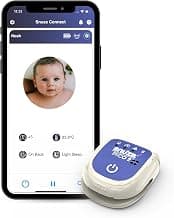
While the Snuza Pico 2 connects to the Snuza Connect smartphone app to show skin temperature, body position, and sleep rhythms, it can operate completely standalone. You do not need a Wi-Fi router, an internet connection, or a smartphone running in the background to use it. You turn it on, clip it to the nappy, and the onboard speaker handles the alerts. For parents who travel frequently or stay with grandparents, that portability is invaluable.
Gift-Buyer Advice: What to Check First
Buying baby technology as a gift requires a degree of tact. Before spending your money, consider these practical points:
- Check Their Wi-Fi Setup: The Owlet Dream Sock requires a 2.4 GHz Wi-Fi network for phone sync and setup. Modern mesh networks that blend 2.4 GHz and 5 GHz bands into a single SSID can occasionally make smart device pairing fiddly.
- Ask About Swaddling Habits: If the parents plan to use traditional swaddles or swaddle pods, foot socks like the Owlet fit comfortably inside. Nappy clips like the Sense-U can press against the abdomen under tight swaddling wraps, potentially irritating sensitive skin.
- Evaluate Parental Anxiety: For parents who are mildly curious about sleep trends, a budget clip-on like the Sense-U offers fun data without financial guilt. For deeply anxious parents who find themselves unable to sleep because they are staring at the bassinet, the medical-grade reassurance and dedicated base station of the Owlet are well worth the higher price.
Verdict: Which One Should You Pick?
If budget is the primary deciding factor, the Sense-U Baby Monitor 3 offers an affordable window into breathing movement and rollover alerts. However, its reliance on direct Bluetooth range and the constant chore of unclipping it during midnight nappy changes make it a more finicky product to live with.
For the vast majority of gift buyers and expecting parents, the Owlet Dream Sock remains the superior vitals tracking wearable. Its pulse oximetry sensor tracks actual physiological data (heart rate and oxygen) rather than surface-level motion, the sock leaves nappies unhindered, and the independent glowing Base Station guarantees that alerts will be seen and heard without relying on phone batteries or Bluetooth range limits. It is expensive, but for the anxious parent seeking genuine rest, it delivers real peace of mind.