As an Amazon Associate I earn from qualifying purchases. This page contains affiliate links, and I may earn a commission at no extra cost to you.
Why Cheap Outdoor Toys Are an Expensive Mistake
Most parents have been there: a scooter bought on a whim at a supermarket, used enthusiastically for three weeks, then quietly retired to the shed with a wobbly wheel and a broken brake. The upfront saving evaporates fast. Premium outdoor toys — the kind that still work two or three summers later — often cost more per unit but dramatically less per hour of genuine use. That's the only maths that matters when you're buying for a child who actually wants to be outside.
This guide focuses on outdoor sports toys built to last: scooters, balance bikes, and the gear that sits between them. The audience is active boys roughly aged 5–12, and the question throughout is the same — not just "is this good?" but "is it still going to be good in two years?"
The Micro Maxi Deluxe Scooter: The Standard Everything Else Is Measured Against
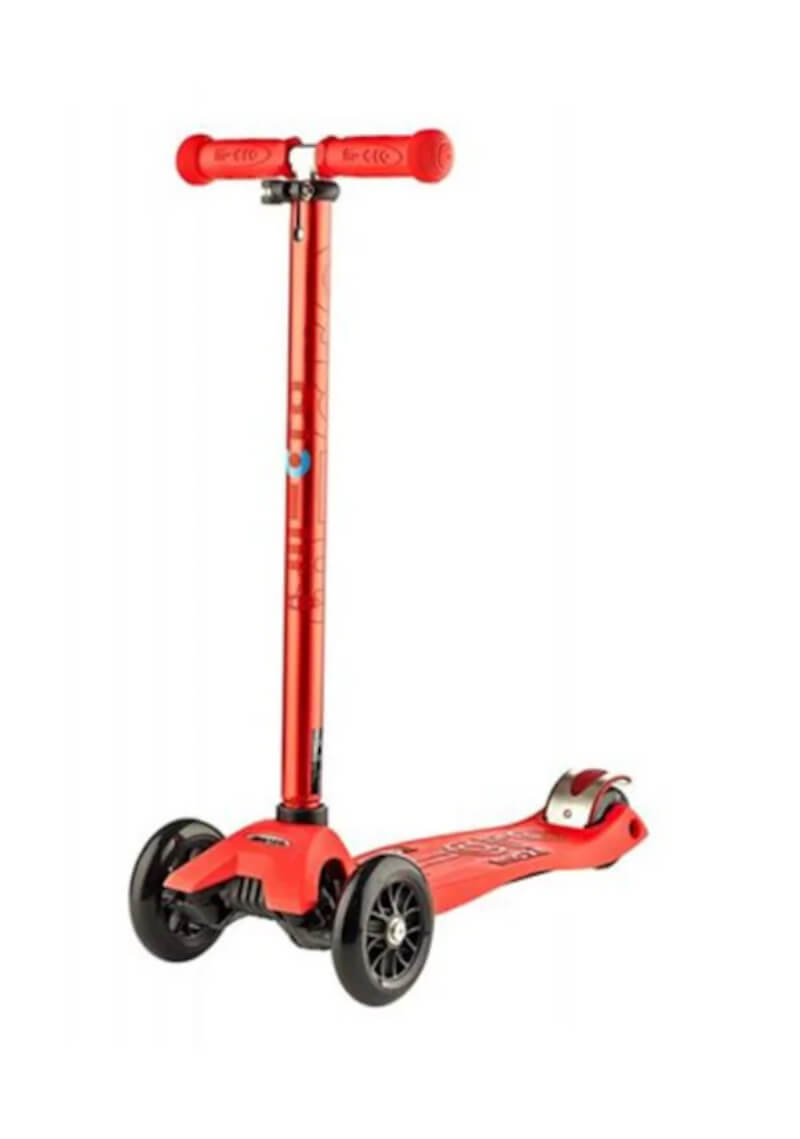
Micro Mobility has been making scooters since 2000, and the Maxi series is what cemented their reputation. The Maxi Deluxe is the flagship version of that line — refined over multiple iterations and now widely regarded as the benchmark for children's kick scooters in the 5–12 age bracket. That's not marketing copy; it's a position the product has earned through consistently positive owner feedback and near-unanimous recommendation from independent reviewers.
Check today's price on AmazonDesign and Build Quality
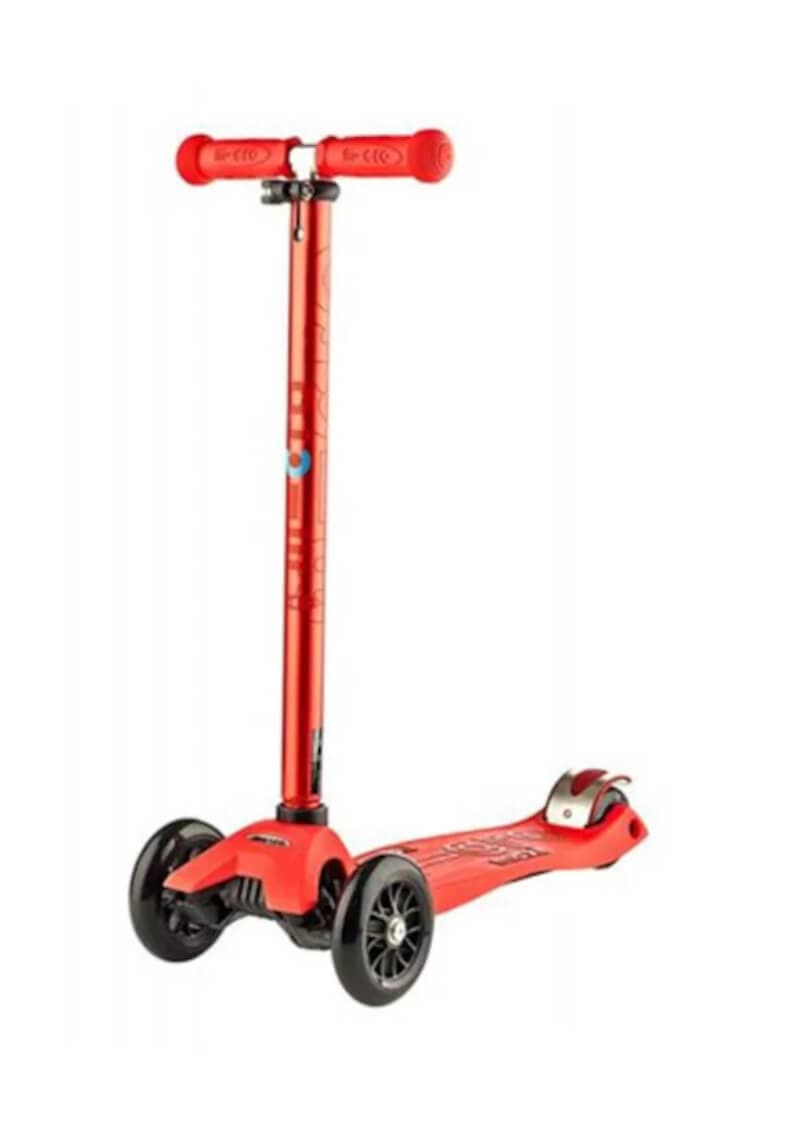
The deck is aluminium — not a plastic composite dressed up with a metallic finish, but actual aircraft-grade aluminium that flexes just enough to absorb small road vibrations without feeling flexy underfoot. The handlebar stem is adjustable across a meaningful height range (roughly 67–95 cm, though you should confirm exact current specs on the product listing), which is significant because it means the scooter genuinely grows with the child rather than becoming uncomfortable at either end of a two-year ownership window.
Wheels are 200 mm polyurethane — large by children's scooter standards. Bigger wheels roll over pavement cracks and gravel patches that would stop a smaller-wheeled scooter dead, and they maintain speed more efficiently between kicks. The lean-to-steer mechanism is a Micro signature: there's no handlebar twist involved in turning. The child leans, the scooter follows. It sounds minor until you watch a child use one for the first time — the learning curve collapses, and the riding posture is far more natural than traditional handlebar-steered designs.
The brake is a rear foot-press style, positioned above the back wheel. It's responsive without being grabby, which matters for children still developing their sense of how hard to press. The grip tape on the deck is replaceable — a small but telling detail that signals Micro designs these for actual longevity rather than planned obsolescence.
Ride Performance
Based on the published specifications and consistently reported owner experience, the Maxi Deluxe rides noticeably smoother than budget competitors. The large PU wheels handle tarmac, block paving, and compacted paths without complaint. Multiple owners report the bearings staying smooth well into a second or third season of regular use — something almost no budget scooter achieves.
The lean-to-steer system also encourages better physical development. Because the child's core and lower body are engaged in balancing and steering simultaneously, it works the same muscle groups as skateboarding and balance cycling — which is part of why physios and PE specialists often recommend the Micro range over cheaper alternatives. It's not just a toy; it's genuinely useful for developing coordination and proprioception in the 5–10 age window.
Maximum weight rating is typically around 70 kg, meaning a larger child or even a smaller adult can ride it without stressing the frame. Most budget scooters in this category are rated to 50 kg, which is fine for a seven-year-old today but increasingly marginal by age nine or ten.
Assembly and Setup
Out of the box, assembly is minimal — handlebar insertion and height adjustment, essentially. The T-bar locks with a simple clamp that tightens securely but can be loosened and readjusted in seconds. No tools required for day-to-day use. Owners commonly note the fit and finish feels tight: nothing rattles, no flex in the joints, no squeaking under load. These sound like basic expectations, but they're actually points of failure on many cheaper models within months of purchase.
What It Costs and Whether That's Justified
The Micro Maxi Deluxe sits firmly in the premium band — expect to pay in the region of £90–£120 depending on when and where you buy (current Amazon pricing will vary; always check the listing). For a scooter, that's a significant outlay. The honest justification is durability and resale value. Micro scooters hold their second-hand value unusually well; a Maxi Deluxe in good condition two years after purchase typically sells for 50–65% of its original price on resale platforms. A £30 supermarket scooter rarely fetches anything at all.
If the child is young enough that they'll definitely outgrow it before it wears out, or if they've never shown sustained interest in scooting, the premium is harder to justify. But for a child who actively wants to be outside on wheels, this scooter will outlast any budget alternative by a considerable margin.
Pros and Cons: Micro Maxi Deluxe
- Pro: Aircraft-grade aluminium deck and frame — genuinely durable, not just marketed as such
- Pro: 200 mm PU wheels handle real-world terrain far better than smaller-wheeled competitors
- Pro: Lean-to-steer mechanism actively develops balance and core coordination
- Pro: Adjustable height range means it stays comfortable across multiple growth stages
- Pro: Strong resale value — one of the few children's toys that retains meaningful second-hand worth
- Con: Premium price point; the upfront cost is a genuine barrier for many buyers
- Con: Lean-to-steer takes a short adjustment period for children used to handlebar-steered models
- Con: Colour options are more limited than some rivals — less personalisation for fashion-conscious older kids
Who Should Buy the Micro Maxi Deluxe?
Any parent buying for a child aged 5–12 who will actually use a scooter regularly. The value proposition depends entirely on use — if the child is scooting to school, to the park, or down the street most days, the premium pays for itself within six months compared to replacing cheaper alternatives. It's also a strong choice for gift-buyers who want to give something that won't be embarrassing quality — grandparents and aunts/uncles who want to give a gift with obvious thought behind it will struggle to do better in this category.
It's a harder sell if the child is very young (under 5, where a balance bike or smaller scooter is more appropriate) or if outdoor toy enthusiasm is genuinely uncertain. In those cases, a mid-range option makes more sense as a first test.
Comparison Table: Premium Outdoor Sports Toys for Active Boys
| Product | Key Spec | Price Band | Verdict | Buy |
|---|---|---|---|---|
| Micro Maxi Deluxe Scooter | 200 mm PU wheels, aluminium deck, lean-to-steer, adj. height ~67–95 cm, ~70 kg max weight | Premium (£90–£120) | The definitive buy for parents who want a scooter that lasts years, not months | Check price on Amazon |
What to Look for in Any Premium Outdoor Sports Toy
Whether you're buying a scooter, a balance bike, a skateboard, or any other active outdoor toy for a boy, the same four questions cut through most of the noise:
- Frame material: Aluminium alloy or steel over plastic wherever possible. Plastic frames fatigue and crack; metal bends but rarely snaps catastrophically. Check whether the advertised material is the load-bearing structure or just the cosmetic outer.
- Wheel size and compound: Larger polyurethane wheels handle real pavement better than small hard-plastic wheels. For scooters, 180–200 mm is a meaningful sweet spot for children aged 5–12. Smaller than 150 mm and you're fighting the terrain constantly.
- Adjustability: Any toy that can't be adjusted as the child grows is going to become either too small or too awkward within 18 months. Handlebar height adjustment is the minimum; some better designs also allow deck customisation.
- Weight limit headroom: Check that the product's maximum weight rating gives you at least 20–25 kg of headroom above the child's current weight. Children grow faster than parents tend to account for when buying toys.
- Brand parts availability: Premium brands like Micro publish replacement parts. Wheels, grips, and brake pads wear out — a product that can be serviced costs far less over five years than one that has to be replaced entirely when a single component fails.
Alternatives to Consider
Budget Pick: Razor A Kick Scooter
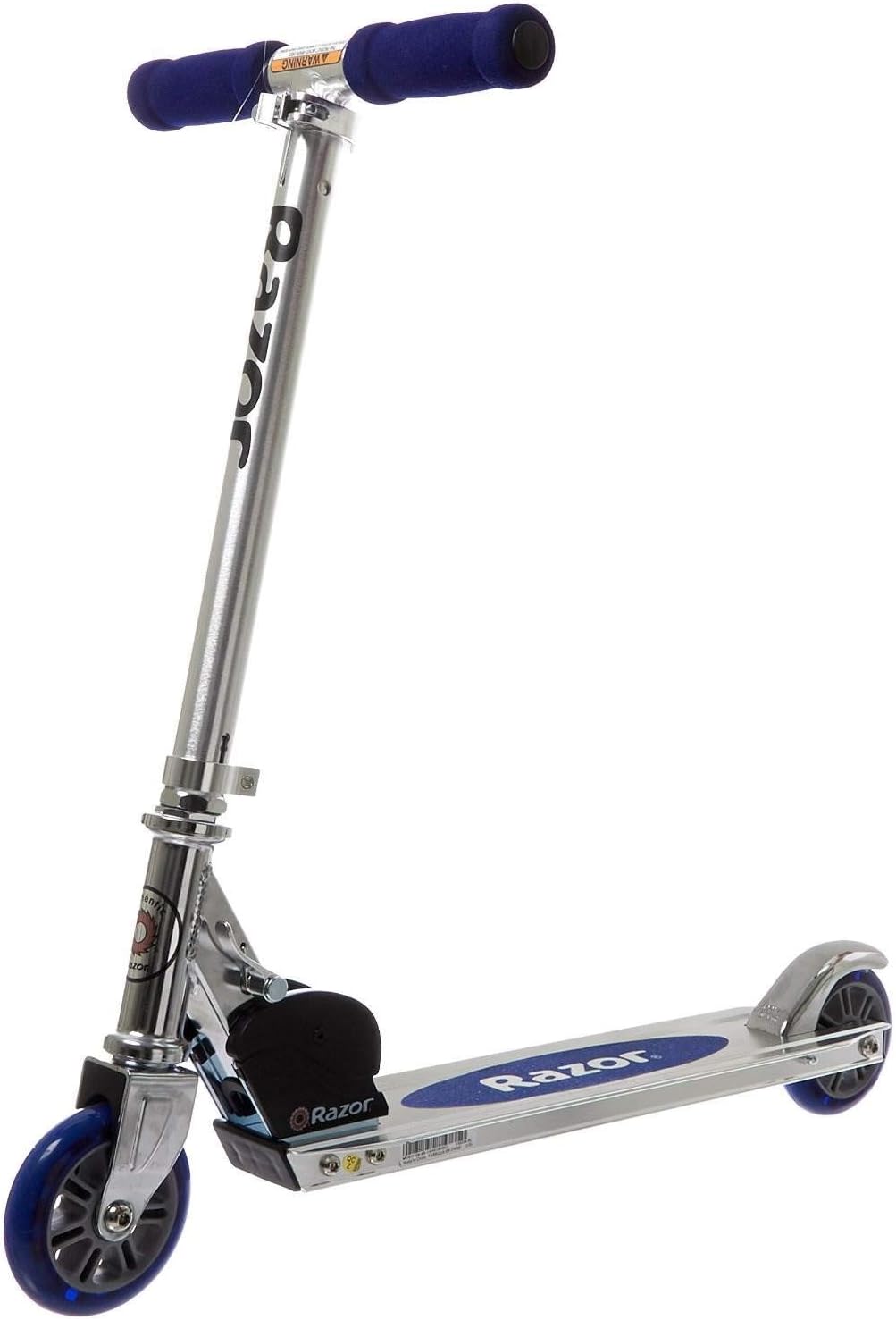
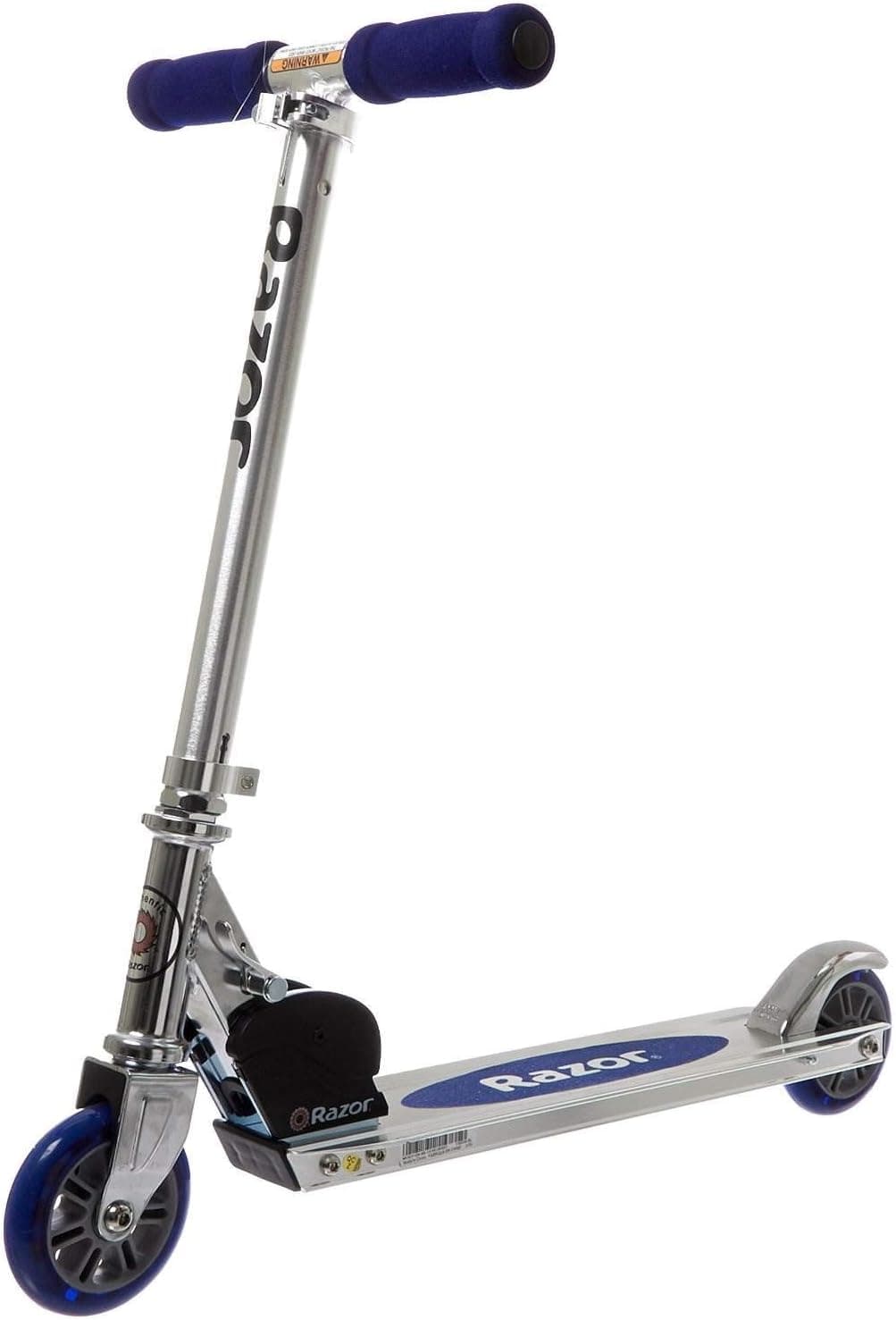
If the Micro Maxi Deluxe's price is genuinely beyond budget, the Razor A is the most widely sold children's scooter in the world for good reason. It uses a smaller-diameter wheel (125 mm) and a simpler aluminium T-bar design, and it doesn't have the lean-to-steer mechanism — turning is conventional handlebar-twist. Durability is decent for the price point; owners commonly report one to two seasons of solid use before anything significant goes wrong. It won't match the Micro's ride quality or longevity, but at a price point typically around £25–£40, it's a rational first scooter for a child whose outdoor enthusiasm is still unproven. Build quality is acceptable rather than impressive, and the smaller wheels do mean rougher rides on anything but smooth tarmac.
Check today's price on AmazonPremium Upgrade: BERG Biky Balance Bike
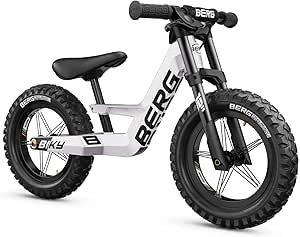
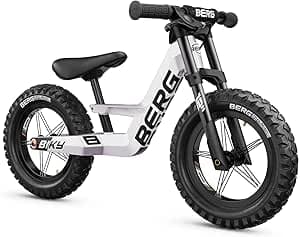
For younger boys in the 3–6 age bracket who aren't ready for a full scooter, the BERG Biky Balance Bike is one of the most robustly built options available. BERG is a Dutch manufacturer with a strong reputation in the European outdoor toy market. The Biky uses a steel frame, air-filled tyres (real pneumatics, not foam-filled), and a proper adjustable saddle. Air tyres on a balance bike are a meaningful upgrade — they absorb bumps properly and make outdoor riding on uneven paths significantly more comfortable, which keeps younger children on the bike longer. It sits in the premium price bracket, but the build quality justifies it for parents who want something that will last through siblings as well as the primary child.
Check today's price on AmazonFinal Verdict
The Micro Maxi Deluxe Scooter earns its price tag through a combination of genuine build quality, a smarter steering system, and an unusually long useful lifespan. It's not cheap, and it doesn't need to be — it's built for parents who've already bought one cheap scooter that broke and have decided not to repeat the mistake. If that's you, this is the scooter to buy.
For parents on a tighter budget or buying for a younger child, the alternatives above offer honest, well-matched options rather than just cheaper versions of the same product. The right outdoor toy is the one that gets used — pick the one that fits the child's age, size, and actual enthusiasm level, not just the one that looks most impressive in a price comparison.
See the Micro Maxi Deluxe on Amazon — check current price and availability