As an Amazon Associate I earn from qualifying purchases. This page contains affiliate links, and I may earn a commission at no extra cost to you.
Cutting Through the Viral Hype
Social media feeds make the Ray-Ban Meta glasses look effortless. You see crisp first-person cooking videos, seamless music playback during dog walks, and spontaneous voice queries answered instantly by AI. It looks like the first time wearable smart frames have actually crossed the line from clunky tech demo to desirable fashion accessory.
Yet spending over £300 on a wearable gadget comes with real risks. Smart eyewear has a patchy track record: heavy frames, abysmal battery life, tinny speakers, and awkward cameras that make bystanders uncomfortable. Before you drop serious money on a premium gift—or treat yourself to what might seem like a must-have novelty—you need to know how these frames hold up in ordinary, everyday use.
This guide breaks down verified owner feedback, hardware capabilities, and key limitations across the most prominent smart eyewear options available today, helping you decide whether the Ray-Ban Meta frames are a genuine daily utility or an expensive drawer ornament.
The Core Breakdown: Ray-Ban Meta Wayfarer Smart Glasses
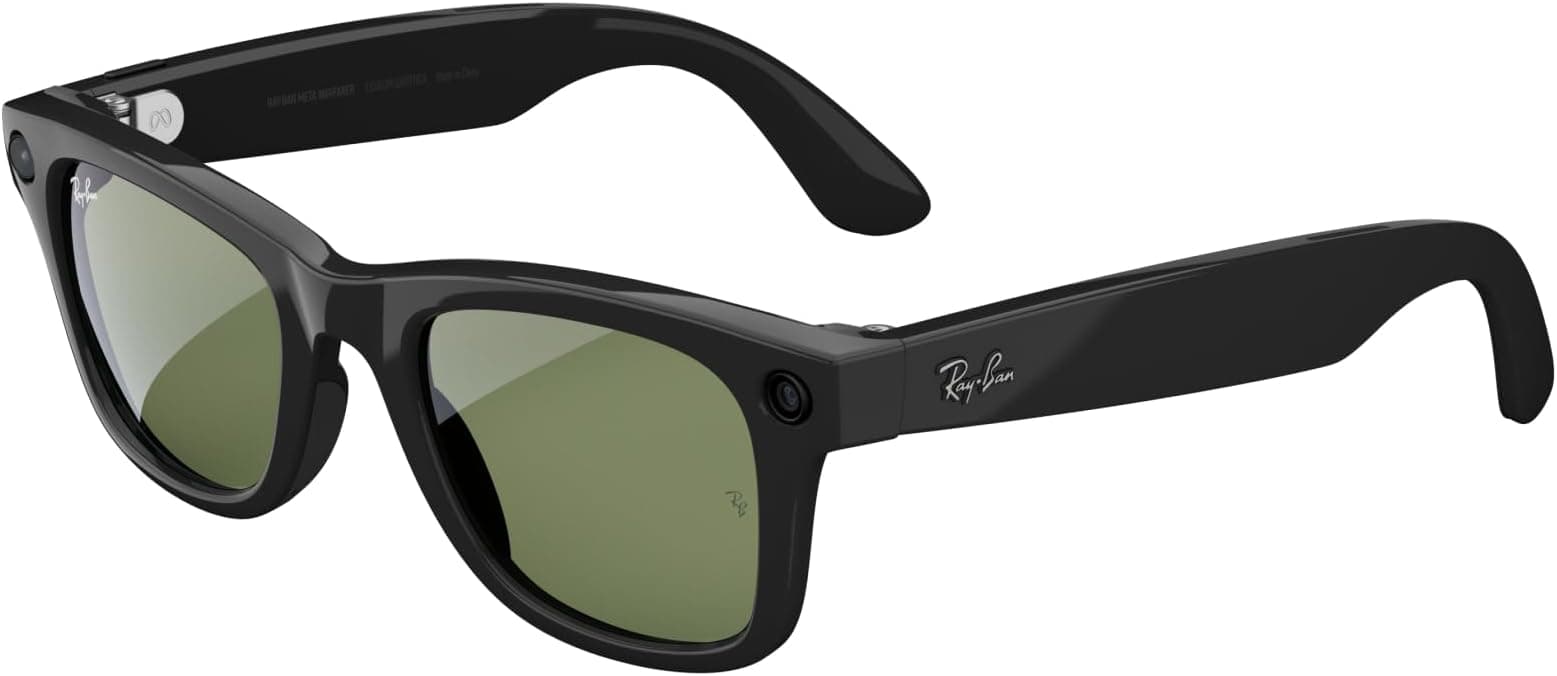
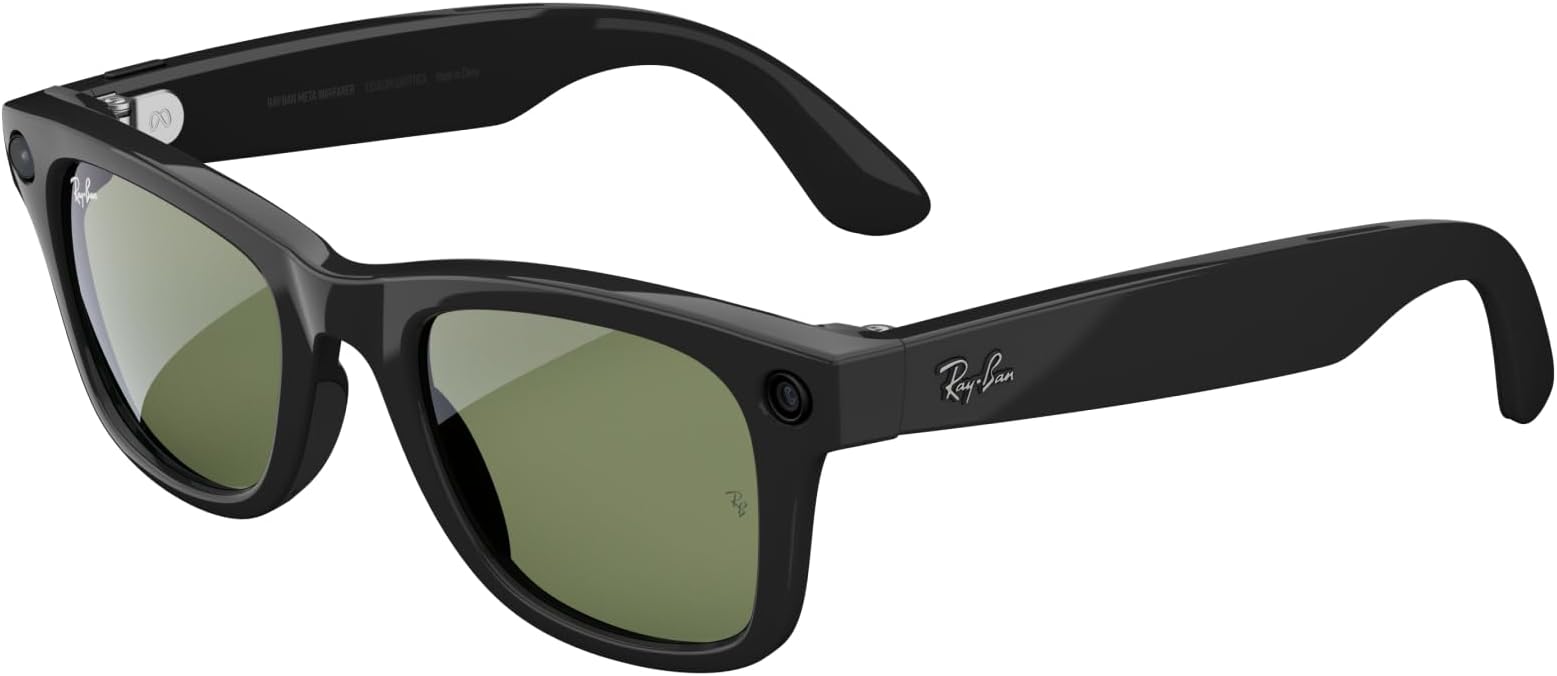
The Ray-Ban Meta Wayfarer Smart Glasses represent the second generation of Meta's collaboration with eyewear giant EssilorLuxottica. Unlike early smart glasses that looked like bulky sci-fi props, these are virtually indistinguishable from standard Ray-Ban Wayfarers, save for the ultra-discreet camera lenses embedded in the frame corners and subtle speaker grilles along the temples.
Camera and Video Quality: Point-of-View Convenience
The headline feature is the 12MP ultra-wide camera. It records vertical 1080p video designed natively for smartphone viewing and social platforms. Because the camera sits at eye level, it captures perspective shots that smartphones simply cannot replicate without a dedicated chest harness.
Owner feedback consistently highlights hands-free recording as the single biggest daily perk. Parents capturing spontaneous moments with toddlers, cyclists logging their routes, and DIY enthusiasts recording intricate repair jobs report high satisfaction with the image stabilization and clarity in good natural light. However, low-light performance reveals the hardware limits: in dim restaurants or evening street scenes, video footage quickly becomes grainy, and dynamic range narrows noticeably.
Audio Quality and Mic Performance
Instead of in-ear tips, custom open-ear speakers fire audio directly down into your ear canals. The sound profile is surprisingly rich for open-ear tech, delivering crisp vocals for podcasts, audiobooks, and phone calls. Bass response is punchy enough for casual music listening, though it will not replace dedicated noise-cancelling earbuds on a noisy London Underground commute.
The five-microphone array does an impressive job isolating voice input. Even in windy outdoor conditions, call recipients frequently report clear voice transmission without excessive background roar. Sound leakage remains minimal at moderate listening volumes (around 40–50%), though sitting directly next to someone in a quiet library will reveal audible audio spill if you crank the volume past 70%.
Battery Reality and Charging Case
Battery endurance is where expectations need managing. Standalone frame usage averages around 4 hours of mixed use (occasional photo/video capture, background music playback, and voice commands). Heavy video recording drains the battery significantly faster. The bundled leatherette charging case provides multiple full recharges, extending total operational time to over 30 hours, but you cannot expect all-day uninterrupted active use without popping them back in the case for top-ups.
Smart Glasses Comparison Table
Smart eyewear splits into two distinct categories: audio/camera lifestyle frames and augmented reality (AR) virtual display glasses. Here is how the leading options compare across key categories.
| Product | Primary Function | Key Feature | Price Band | Amazon |
|---|---|---|---|---|
| Ray-Ban Meta Wayfarer Smart Glasses | POV Camera, Audio & AI | 12MP Camera, 5-Mic Array, Iconic Frame | Premium (£300+) | View on Amazon |
| Razer Anzu Smart Glasses | Audio & Eye Protection | 60ms Low Latency, Blue-Light Lenses | Budget (Under £100) | View on Amazon |
| XREAL Air 2 AR Glasses | Virtual Display Projection | 130" Micro-OLED 120Hz Virtual Screen | Premium (£350+) | View on Amazon |
| Rokid Max AR Glasses | Pocket Cinema Display | Micro-OLED Display, Diopter Adjustment | Premium (£350+) | View on Amazon |
Alternatives to Consider: Audio-Only and AR Displays
Before purchasing, it helps to understand whether your intended recipient needs camera/social capabilities, basic everyday audio utility, or an immersive private video screen.
Budget Audio Focus: Razer Anzu Smart Glasses
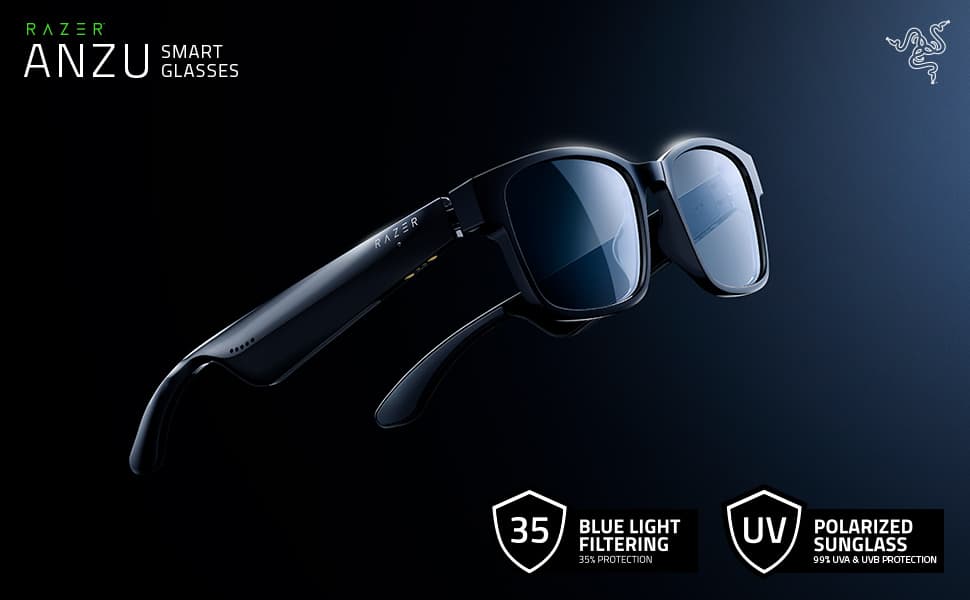
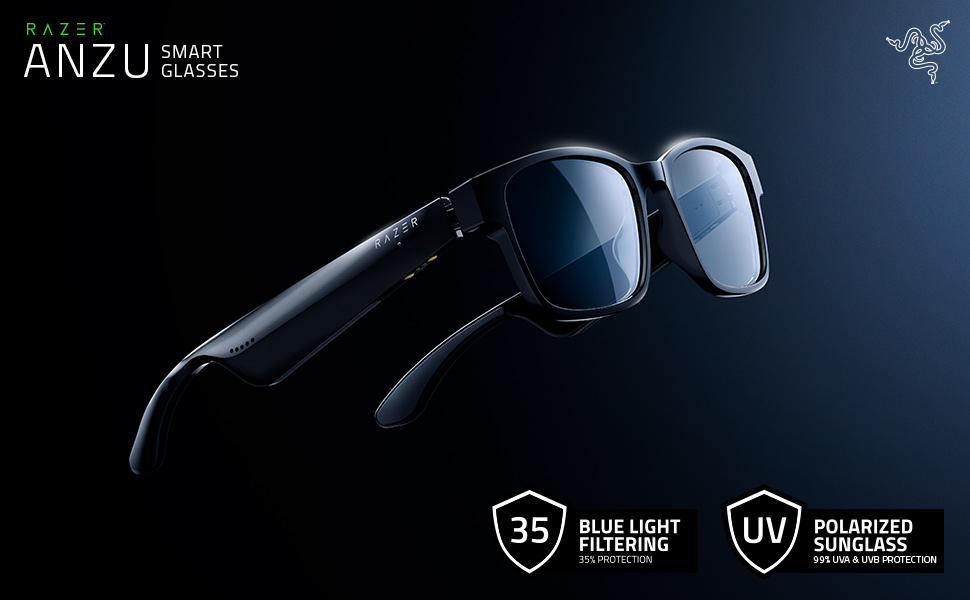
If the goal is simply hands-free audio, podcast listening, and remote-work calls without sticking earbuds in your ears, the Razer Anzu Smart Glasses offer a practical alternative at a fraction of the cost. The Anzu eliminates cameras and complex AI processing, focusing entirely on open-ear acoustic playback, an omnidirectional mic, and swappable blue-light or polarized sunglass lenses.
With low-latency 60ms Bluetooth connectivity, they work well for home-office workers juggling video conferences or gamers who dislike the clamp force of traditional over-ear headsets. Battery life sits at over 5 hours per charge, and automatic shutoff conserves power when folded. You forfeit camera functionality and Meta's multimodal AI, but for pure desktop productivity and eye comfort, they represent exceptional value.
Virtual Screen Entertainment: XREAL Air 2 AR Glasses
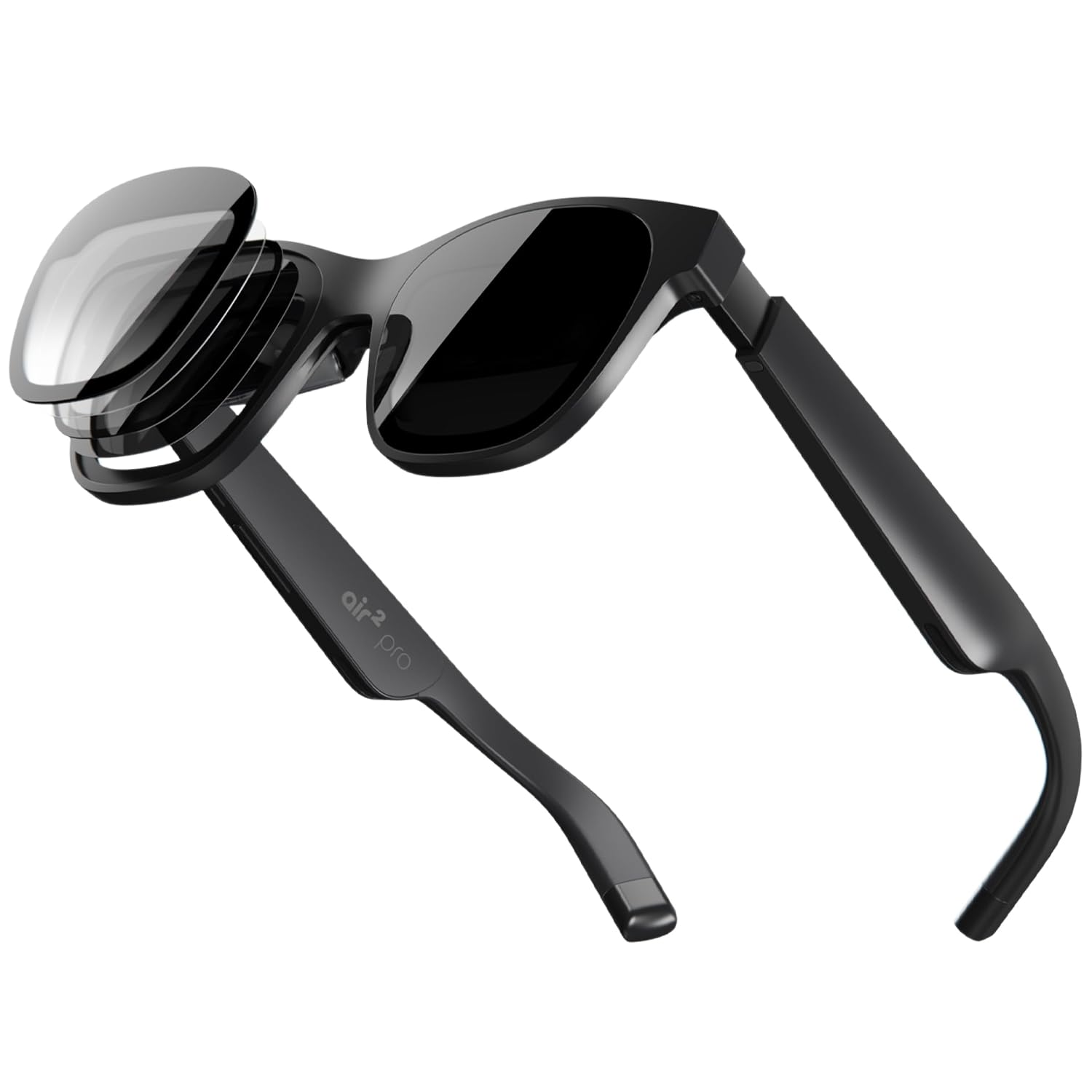
Some shoppers search for smart glasses wanting high-tech display immersion rather than social camera capture. For those who travel frequently or want a private portable cinema, the XREAL Air 2 AR Glasses represent an entirely different category of wearable technology.
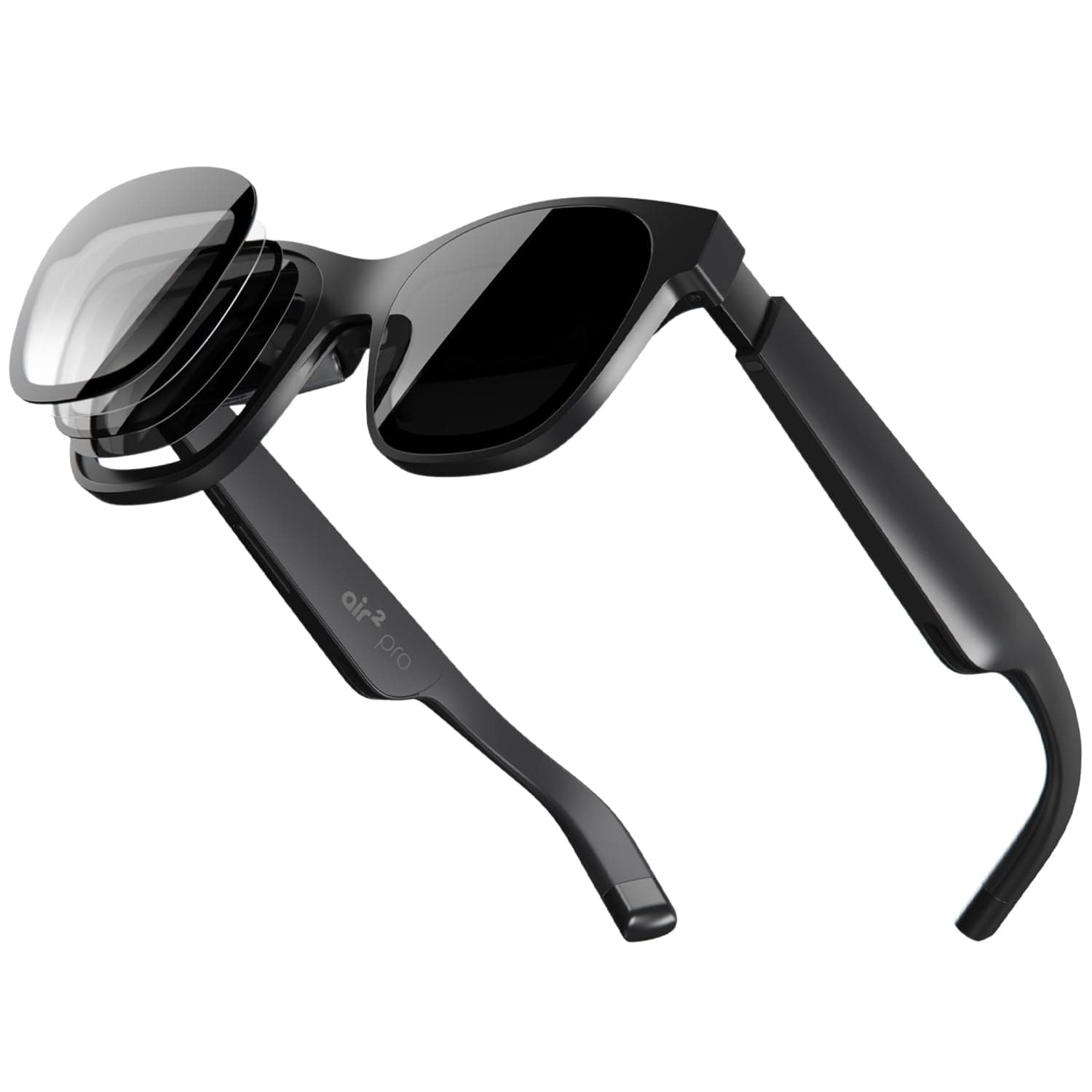
Instead of capturing the world around you, the XREAL Air 2 projects a massive virtual screen (up to 130 inches standalone, or 330 inches via companion hardware) directly in front of your eyes using dual 0.55-inch Sony Micro-OLED displays with a smooth 120Hz refresh rate. Weighing just 72 grams, with directional audio built into the temples, they plug directly into USB-C devices like Steam Decks, iPads, laptops, and compatible smartphones for private gaming and media viewing on flights or trains.
Cinema Alternative: Rokid Max AR Glasses
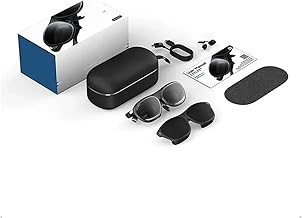
Another strong contender in the wearable screen space is the Rokid Max AR Glasses. Designed for media streaming and gaming, the Rokid Max features Micro-OLED optics and broad device compatibility for standard video outputs.
A standout physical feature on the Rokid Max is built-in diopter adjustment, allowing users with mild to moderate myopia (nearsightedness) to tune visual focus directly on the frame without needing custom prescription lens inserts. For movie buffs who want plug-and-play viewing without fiddling with custom optical adapters, it remains a compelling alternative to camera-centric smart frames.
Key Factors Before Buying as a Gift
- Prescription Needs: If the recipient wears prescription spectacles daily, standard tinted sunglasses will only see occasional sunny-day use. Consider ordering clear or Transitions prescription-compatible frames through optical specialists if they intend to use them indoors.
- Frame Sizing: The classic Wayfarer shape comes in standard (50mm lens width) and large (53mm) options. People with wider faces or broader temple widths frequently report pinching with the standard size, making the larger frame option a safer gifting bet for broader face shapes.
- Privacy & Social Comfort: The Ray-Ban Meta features an illuminated LED light to signal when recording is active. While subtle, wearing camera-equipped frames in gym changing rooms, security checkpoints, or quiet offices can still cause awkward social friction.
- Software Ecosystem: Full functionality requires the Meta View mobile app on iOS or Android. AI voice query features require a linked Meta account.
The Final Verdict
The Ray-Ban Meta Wayfarer Smart Glasses succeed because they are excellent sunglasses first and capable smart gadgets second. They avoid the embarrassing aesthetic traps of past wearable experiments while providing genuine utility: instant POV video capture, clear hands-free calls, and discreet podcast listening that keeps your ears open to the world around you.
As a luxury gift for active content creators, commuters, outdoor walkers, or tech enthusiasts, they deliver real daily delight rather than fleeting novelty. For those who solely want private media viewing on long flights, an AR display like the XREAL Air 2 makes more sense; for basic desktop audio, the budget-friendly Razer Anzu covers the essentials. But for all-day wearable lifestyle technology, Ray-Ban Meta currently sets the benchmark.