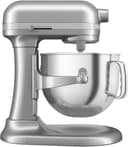
Ah, the stand mixer. For many, it's the undisputed king of kitchen gadgets, transforming laborious kneading and whisking into effortless culinary creation. But with a market full of contenders, from the design-conscious to the power-hungry, choosing the right one can feel like a quest for the Holy Grail of baking. Is the iconic brand still the best, or have newer rivals stolen its crown? As August 2026 rolls on, we’ve dug deep into the specifications, owner feedback, and real-world performance claims of four prominent models to determine which stand mixer truly offers the best value and performance for your money.
As an Amazon Associate I earn from qualifying purchases. This page contains affiliate links, and I may earn a commission at no extra cost to you.
Why Invest in a Quality Stand Mixer?
Before we dive into the contenders, it’s worth a moment to remember why a stand mixer is such a crucial piece of equipment for home bakers and cooks. It’s not just about mixing cake batter; a good stand mixer is a versatile workhorse. It kneads bread dough without a sweat, whips egg whites into stiff peaks in minutes, and can even tackle tasks like shredding cooked chicken or making pasta with the right attachments. Hand mixing simply can't replicate the consistent speed, aeration, and sheer power a dedicated stand mixer provides, especially when you're working with larger batches or stiffer doughs. Investing in a quality model means less effort, more consistent results, and more enjoyment in the kitchen.
The Contenders for the Stand Mixer Crown
We've focused on four popular and highly-regarded stand mixers available today, each bringing something unique to the table. We’ll examine their design, features, performance, and overall value to help you make an informed decision.
KitchenAid Artisan 5-Quart Stand Mixer
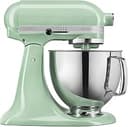
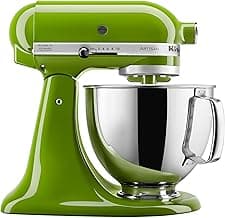
The KitchenAid Artisan 5-Quart Stand Mixer is undeniably the benchmark against which almost all other stand mixers are judged. Its timeless design, wide array of colour options, and impressive attachment hub have cemented its place in countless kitchens globally. It's often the first mixer people think of, and for good reason.
Design and Build
When you first encounter the Artisan, its robust, all-metal construction is immediately apparent. This isn't a flimsy gadget; it's built to last. The tilt-head design is intuitive, making it easy to add ingredients and swap out attachments. However, despite its solid feel, the motor housing can sometimes feel a bit large and clunky, especially in smaller kitchens. Aesthetically, it's a triumph, with a look that hasn't changed significantly in decades because it simply works. You can get it in a truly overwhelming range of colours, which is a major draw for those who want their appliances to complement their kitchen decor.
Key Features and Performance
The Artisan typically features a 325-watt motor, which, on paper, might seem less powerful than some rivals. However, KitchenAid’s direct-drive motor system means that power is delivered efficiently to the bowl. It handles most home baking tasks – from whipping cream to mixing cookie dough – with aplomb. Where it sometimes struggles is with very stiff, large batches of bread dough, where owners occasionally report it working harder than expected, sometimes even rocking on the counter. The 5-quart (approx 4.7-litre) stainless steel bowl is a good size for most families, but if you're regularly baking for a crowd, you might wish for a touch more capacity.
The true genius of the KitchenAid is its accessory hub. This single port on the front of the mixer allows for a vast ecosystem of optional attachments, transforming the mixer into everything from a pasta maker and meat grinder to a spiralizer and ice cream maker. These attachments are often expensive, but they significantly expand the mixer’s utility.
Value
The KitchenAid Artisan sits firmly in the mid-to-premium price bracket, typically costing roughly £400-£500. For its brand recognition, build quality, and attachment versatility, many consider it a worthwhile investment. However, compared to its specifications against some competitors, you are paying a premium for the brand and design. Its motor, while reliable, doesn't always outperform cheaper rivals, and those extensive attachments quickly add to the overall cost.
Cuisinart SM-50 Stand Mixer
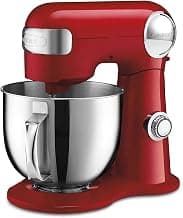
The Cuisinart SM-50 Stand Mixer has quietly carved out a strong reputation as a powerful, reliable alternative to the established giants. It often offers competitive specs at a more appealing price point, making it a compelling choice for serious home bakers.
Design and Build
The SM-50 features a sleek, modern design that feels less 'retro' than the KitchenAid. It's also typically constructed with a mix of heavy-duty die-cast metal and durable plastic components, striking a balance between robustness and a slightly lighter footprint. The tilt-head mechanism is smooth, and the overall fit and finish are excellent. It might not have the same iconic aesthetic as a KitchenAid, but it’s a smart-looking appliance that won't look out of place in any contemporary kitchen.
Key Features and Performance
Boasting a powerful 500-watt motor, the Cuisinart SM-50 delivers impressive performance, especially with challenging tasks like kneading stiff bread dough or mixing dense batters. Owners consistently report that it handles large batches without straining, making it a true workhorse. It features 12 speeds, giving you precise control over your mixing, from a gentle fold to a rapid whip. The 5.5-quart (approx 5.2-litre) stainless steel bowl is slightly larger than the Artisan’s, which is a welcome bonus for those baking bigger quantities. It also comes standard with a chef's whisk, dough hook, and flat mixing paddle, often with a splash guard too.
While it does have an accessory port for optional attachments, Cuisinart's ecosystem isn't as vast or widely known as KitchenAid's. However, for core baking tasks, its sheer power and capacity often outshine its more expensive rivals.
Value
The Cuisinart SM-50 typically retails in the mid-range, often sitting around £300-£400. For this price, you're getting a significantly more powerful motor and larger bowl capacity than many similarly priced mixers, including entry-level models from premium brands. Its robust performance and excellent build quality make it a fantastic value proposition for those who prioritise capability over an extensive attachment range or specific aesthetic.
Kenwood kMix Stand Mixer
Kenwood is a name synonymous with kitchen appliances, and their Kenwood kMix Stand Mixer aims to blend distinctive design with solid performance, particularly for style-conscious bakers.
Design and Build
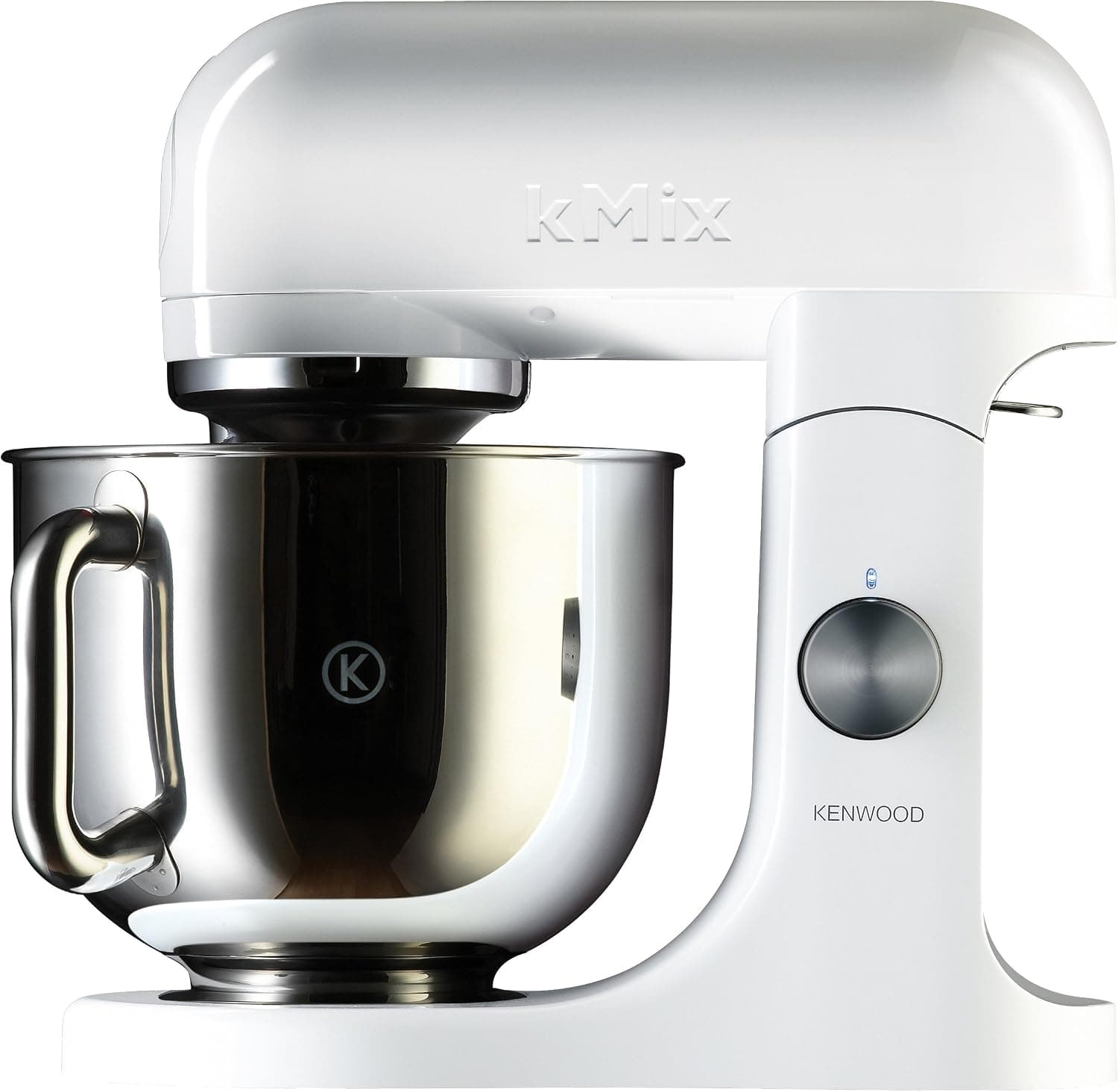
The kMix stands out with its bold, contemporary design. Available in a range of vibrant and often metallic colours, it has a distinctly European flair that sets it apart from the more traditional shapes. It features a compact footprint, which is a definite plus for smaller kitchens where counter space is at a premium. The body is typically constructed from high-quality metal, giving it a reassuringly sturdy feel, though some internal components might be robust plastics. The tilt-head mechanism is smooth, and the overall ergonomics are well thought out.
Key Features and Performance
The Kenwood kMix typically houses a 1000-watt motor, which is surprisingly powerful for its relatively compact size. This substantial power allows it to tackle a wide range of tasks, from light whipping to heavy dough kneading, without showing signs of strain. It offers variable speed control, allowing for precise adjustments, and a fold function is often included for delicate mixtures. The bowl capacity usually sits around 5 litres, a good general-purpose size for most home baking. Owners commend its stability and relatively quiet operation, especially compared to some higher-wattage rivals.
Like KitchenAid, Kenwood offers a range of attachments, though perhaps not as broad or as readily available in every market. The kMix generally comes with a K-beater, dough hook, and whisk, covering most essential baking needs right out of the box.
Value
Positioned in the mid-to-upper price band, often from £350-£450, the Kenwood kMix provides a good balance of style, power, and build quality. It’s a compelling choice for those who want a capable mixer that also makes a design statement. While it might not have the brand legacy of KitchenAid in every country, its performance per pound is often excellent, especially considering the robust motor.
Sage by Heston Blumenthal Stand Mixer
When you see the name Heston Blumenthal attached to a kitchen appliance, you expect precision, innovation, and a professional touch. The Sage by Heston Blumenthal Stand Mixer lives up to that expectation, targeting serious bakers who demand more control and refined features.
Design and Build
Sage mixers exude a premium, industrial-chic aesthetic, typically featuring brushed stainless steel and minimalist lines. This isn’t a mixer that shouts; it subtly hints at its capabilities. The build quality is exceptional, often utilising heavy-duty die-cast metal throughout, giving it substantial weight and stability. It's a bowl-lift design, which offers greater stability when working with very heavy loads, though it can be slightly less convenient for adding ingredients than a tilt-head. Everything feels incredibly solid and engineered for longevity.
Key Features and Performance
The Sage stand mixer often boasts a powerful motor, sometimes up to 1200 watts, combined with extremely precise electronic speed control. What truly sets it apart are features like an integrated timer, a planetary mixing action that ensures thorough incorporation of ingredients right to the edges of the bowl, and often a light that illuminates the bowl for better visibility. The large bowl capacity, typically around 4.7-4.8 litres (5 quarts), is standard for high-end models. Its robust motor effortlessly handles the densest bread doughs, often remaining surprisingly quiet while doing so, a testament to its engineering.
Sage might not offer the same sheer volume of attachments as KitchenAid, but the included accessories (often a scraper beater, standard flat beater, dough hook, and wire whisk) are typically high quality and designed for maximum efficiency. It's built for those who value consistent, professional-level results above all else.
Value
This is where the Sage by Heston Blumenthal mixer makes its statement. It's unequivocally a premium product, often retailing upwards of £500-£600, placing it at the very top of the home stand mixer market. You are paying for advanced features, superior build quality, and exceptional precision. For casual bakers, the price might be hard to justify, but for enthusiasts who bake frequently and demand the best possible results and an appliance built like a tank, it represents a significant, long-term investment in their craft.
Comparison Table: Quick Look
| Product | Key Spec | Price Band | Verdict | Buy |
|---|---|---|---|---|
| KitchenAid Artisan 5-Quart Stand Mixer | 325W motor, 4.7L bowl | Premium (£400-£500) | Iconic design, vast attachments, but often less powerful than rivals for the price. | Check today's price on Amazon |
| Cuisinart SM-50 Stand Mixer | 500W motor, 5.2L bowl | Mid-Range (£300-£400) | Powerful, great capacity, excellent performance for the money. Our top pick. | Check today's price on Amazon |
| Kenwood kMix Stand Mixer | 1000W motor, 5L bowl | Mid-Premium (£350-£450) | Stylish, powerful for its size, compact, great for modern kitchens. | Check today's price on Amazon |
| Sage by Heston Blumenthal Stand Mixer | 1200W motor, 4.8L bowl | High-End Premium (£500-£600+) | Exceptional precision, robust build, professional features for serious bakers. | Check today's price on Amazon |
Detailed Comparison Points
Motor Power and Durability
This is often the first spec people look at, and it matters significantly for a 'workhorse' mixer. The Cuisinart SM-50, with its 500W motor, offers a substantial jump over the KitchenAid Artisan’s 325W, which translates to noticeably less strain when tackling dense doughs. The Kenwood kMix truly impresses here with its 1000W motor in a relatively compact body, delivering fantastic power. Unsurprisingly, the Sage by Heston Blumenthal tops the chart with its 1200W motor, designed for continuous heavy-duty use. While KitchenAid's direct-drive system is efficient, the raw wattage difference means the other three generally feel more capable when faced with a sticky, heavy bread dough batch.
Bowl Capacity and Versatility
Most of these mixers hover around the 5-quart (approx 4.7-5.2 litre) mark. The Cuisinart SM-50 edges out slightly with its 5.5-quart bowl, which can make a difference if you’re regularly doubling recipes. For most home bakers, a 5-quart bowl is perfectly adequate for a couple of loaves of bread or a large cake. All come with standard stainless steel bowls, which are durable and easy to clean. Consider if you'll need smaller bowls for specific tasks – KitchenAid offers these as accessories, while for others, you might need to find third-party options.
Attachments and Ecosystem
KitchenAid reigns supreme when it comes to the sheer breadth of attachments available for its universal power hub. From grinders to pasta makers, its ecosystem is unparalleled. This versatility is a major selling point, though each attachment is an additional, often significant, expense. Cuisinart and Kenwood offer their own ranges of attachments, covering most common needs, but they aren't as extensive. Sage focuses on core baking performance, with highly-engineered standard attachments rather than a vast range of secondary accessories.
Noise Levels
No stand mixer is truly silent, especially when working hard. Owners typically report the KitchenAid Artisan as having a distinct, albeit familiar, hum. The Cuisinart SM-50, with its powerful motor, can get a bit loud at higher speeds, but it’s a working sound, not typically a grinding one. Both the Kenwood kMix and Sage by Heston Blumenthal generally receive praise for being relatively quiet for their power output, which is a big plus if you're baking early in the morning or late at night.
Aesthetics and Counter Presence
This is highly subjective but undeniably important for an appliance that often lives on the counter. The KitchenAid Artisan is the classic, beloved for its retro charm and colour palette. The Cuisinart SM-50 offers a more contemporary, understated look. The Kenwood kMix is all about modern, bold design, appealing to those who want a pop of colour or sleek lines. The Sage by Heston Blumenthal is a statement of industrial elegance, hinting at professional capability. Consider your kitchen's style and how much visual impact you want your mixer to make.
Price Point and Overall Value
Price is a significant factor. The KitchenAid Artisan sits at a premium, partly for its brand and design. The Cuisinart SM-50 often presents the best power-to-price ratio, delivering robust performance for significantly less than top-tier models. The Kenwood kMix offers a strong balance of power, design, and price. The Sage by Heston Blumenthal is a luxury item; you're paying for advanced engineering and precision, making it suitable for a niche of dedicated bakers.
Alternatives to Consider
While the Cuisinart SM-50 is our top all-rounder, perhaps its styling isn't quite right for you, or you need something even more professional. Here are two other fantastic mixers from our main contenders that might better suit specific needs.
For the Design-Conscious Baker: Kenwood kMix Stand Mixer
If you love the idea of a powerful mixer but want something that stands out aesthetically, the Kenwood kMix Stand Mixer is a brilliant choice. Its compact design and vibrant colour options make it a stylish addition to any kitchen, while its 1000W motor ensures it's more than capable of handling everyday baking tasks and even heavier doughs. It’s a great blend of form and function for those who appreciate good design without sacrificing performance.
For the Serious Enthusiast: Sage by Heston Blumenthal Stand Mixer
For those who consider baking a serious craft and aren't afraid to invest in the best tools, the Sage by Heston Blumenthal Stand Mixer is the ultimate upgrade. Its professional-grade motor, integrated timer, and unparalleled precision offer a level of control and consistency that other home mixers simply can't match. If you’re regularly making complex breads, delicate meringues, or large batches for events, the Sage will elevate your baking and prove its worth over years of demanding use.
Verdict
After weighing up the iconic appeal of KitchenAid, the raw power of Cuisinart and Kenwood, and the sophisticated precision of Sage, the Cuisinart SM-50 Stand Mixer emerges as the most balanced and powerful workhorse for its price, offering consistent performance for demanding baking tasks without the premium price tag of its high-end competitors. It's the mixer I'd genuinely recommend to a friend looking for reliability, power, and excellent value that will serve them well for years of baking adventures.