As an Amazon Associate I earn from qualifying purchases. This page contains affiliate links, and I may earn a commission at no extra cost to you.
Choosing Your Culinary Sidekick: Immersion Blenders Unpacked
The kitchen gadget landscape in August 2026 is full of devices promising to make cooking easier. Immersion blenders are right at the top of that list, a genuinely transformative tool for everything from creamy soups to silky smooth sauces. But when it comes to picking one, you often hit a fundamental fork in the road: do you prioritise raw, unadulterated blending power that can tackle anything you throw at it, or do you crave the unparalleled freedom and flexibility of a cordless design? That's the core question we're answering today as we put the heavyweight Vitamix Immersion Blender against the agile KitchenAid Go Cordless Hand Blender.
We’ll dive deep into their design, performance, and real-world utility to help you decide which one earns a permanent spot on your counter (or in your drawer). Forget the fluff; let's talk about what actually matters for your everyday cooking.
Vitamix Immersion Blender: The Uncompromising Powerhouse
For decades, Vitamix has been the name synonymous with industrial-grade blending. Their immersion blender lives up to that reputation, bringing that same no-compromise philosophy to a handheld format. This isn't just a kitchen tool; it feels like a serious piece of engineering. Based on the published specs and verified owner feedback, the Vitamix Immersion Blender is all about raw, consistent power. It packs a substantial motor, typically around 625 watts, which is a significant figure for an immersion blender and puts it comfortably in the top tier for sheer blending force. This means it’s built to obliterate chunky ingredients, emulsify tough vegetables, and even handle frozen fruits or ice with remarkable ease.
The build quality is exactly what you’d expect from Vitamix: robust stainless steel throughout the blending shaft and a heavy-duty motor housing that feels built to last for years. The variable speed dial on the top provides precise control, allowing you to go from a gentle stir for delicate sauces to a full-on vortex for crushing nuts or pulverising fibrous greens. It features a five-foot power cord, which, while a potential inconvenience for some, ensures you never run out of juice mid-blend. For anyone who's ever had a cordless blender die on them halfway through a soup, that cord is a blessing. It might restrict your movement somewhat, but it guarantees unwavering performance time after time.
Reviewers and owners commonly report that this blender excels at making perfectly smooth pureed soups directly in the pot, whipping up batch after batch of hummus, or even creating creamy nut milks without flinching. The bell guard design is also notably effective at preventing splashing, which is a small but mighty detail when you’re working with hot liquids. If you view an immersion blender as a serious extension of your main blender and need it to tackle demanding tasks, the Vitamix Immersion Blender is a compelling, albeit premium-priced, choice. Expect to pay in the region of £150-£200, but honestly, for Vitamix quality, it’s often seen as an investment.
KitchenAid Go Cordless Hand Blender: Freedom in Your Hand
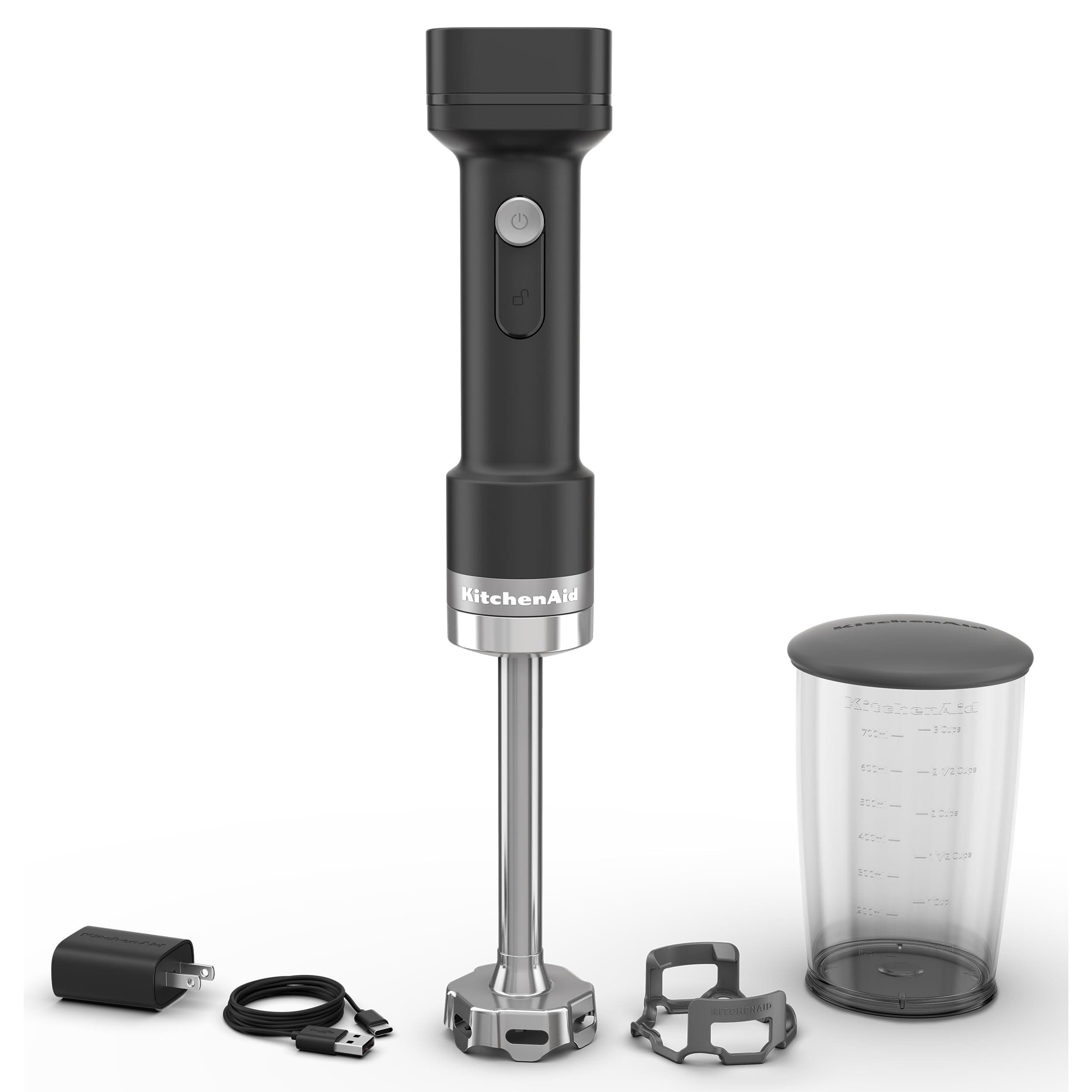
Stepping into a different paradigm entirely is the KitchenAid Go Cordless Hand Blender. This gadget is all about liberation – liberation from outlets, from tangled cords, and from being tethered to a specific spot in your kitchen. Part of KitchenAid’s expanding "Go Cordless" system, it runs on a 12V rechargeable battery, designed for ultimate flexibility. If your kitchen layout means outlets are always in the wrong place, or you often find yourself blending across multiple stations, this is where the Go Cordless truly shines.
The design is sleek and ergonomic, fitting comfortably in hand, and it balances well despite the battery pack. Its main selling point is undoubtedly the battery life and charge time. KitchenAid states that it can blend up to 25 bowls of soup on a full charge, which sounds like plenty for most home cooks, and it charges relatively quickly via a convenient charging base. This kind of flexibility is a game-changer for quick tasks: frothing milk for your morning coffee on a different counter, blending a small batch of dressing right in the serving bowl, or pureeing baby food without hunting for an available socket. The removable blending arm is dishwasher-safe, which always earns bonus points in my book for ease of cleanup.
Now, let's be realistic: a battery-powered blender, even a good one, isn't going to rival the sustained brute force of a corded Vitamix. Based on owner feedback, the KitchenAid Go Cordless handles most everyday blending tasks beautifully – think smooth sauces, light purees, smoothies with softer fruits, and whipped cream. Where it might struggle is with really tough, fibrous ingredients or very thick mixtures that demand prolonged, high-power blending. That's not a flaw, it's just the trade-off for cordless convenience. Pricewise, it sits in a similar premium bracket to the Vitamix, often around £120-£180, placing a clear value on its innovative cordless design and brand reputation. If you’re often blending small to medium quantities and portability is paramount, the KitchenAid Go Cordless Hand Blender is genuinely compelling.
Head-to-Head: Vitamix vs. KitchenAid Go Cordless
Let's slice and dice these two excellent immersion blenders side-by-side to understand where their strengths truly lie and which one ultimately deserves your hard-earned cash.
Design and Build Quality
The Vitamix Immersion Blender feels like a tank in hand – in the best possible way. Its heavy-duty motor housing and all-metal blending shaft exude durability. It's built for demanding, continuous use. The variable speed dial is tactile and precise. The KitchenAid Go Cordless, on the other hand, is a masterclass in modern ergonomic design. It's lighter, better balanced for single-handed use, and its sleek aesthetic fits seamlessly into any contemporary kitchen. While it still feels solid, it doesn’t quite have the same indestructible heft as the Vitamix. Both offer removable, dishwasher-safe blending shafts, which is a win for hygiene and convenience.
Blending Performance: Crushing Ice vs. Silky Smooth Soups
This is where the core difference really surfaces. The Vitamix, with its direct, corded power, is simply unmatched for raw blending capability among immersion blenders. It will power through frozen berries, fibrous kale, or even chunks of ice with minimal fuss, consistently producing incredibly smooth results. For tasks like making velvety hot soups directly in a large pot, batch cooking sauces, or creating homemade nut butters, it’s genuinely superior. The KitchenAid Go Cordless Hand Blender is no slouch for everyday tasks, but it operates on battery power, which means its motor is designed for efficiency and portability rather than maximum sustained torque. It will happily blend your protein shakes, emulsify salad dressings, and puree soft cooked vegetables into a lovely soup. However, for genuinely tough or large-volume jobs, you’ll likely notice it working harder, and its battery life will drain faster.
Portability and Convenience
This is the KitchenAid Go Cordless’s undeniable advantage. The freedom to blend anywhere in the kitchen, or even outside if you're hosting a BBQ, is incredibly liberating. No more hunting for an outlet, no more accidental splashes because you were too close to the sink to reach the plug. The Vitamix Immersion Blender, for all its power, is limited by its cord. While its five-foot length is decent, it still dictates where and how you can blend. For small kitchens, or those with few accessible outlets, the cordless design is a genuine lifestyle upgrade.
Attachments and Versatility
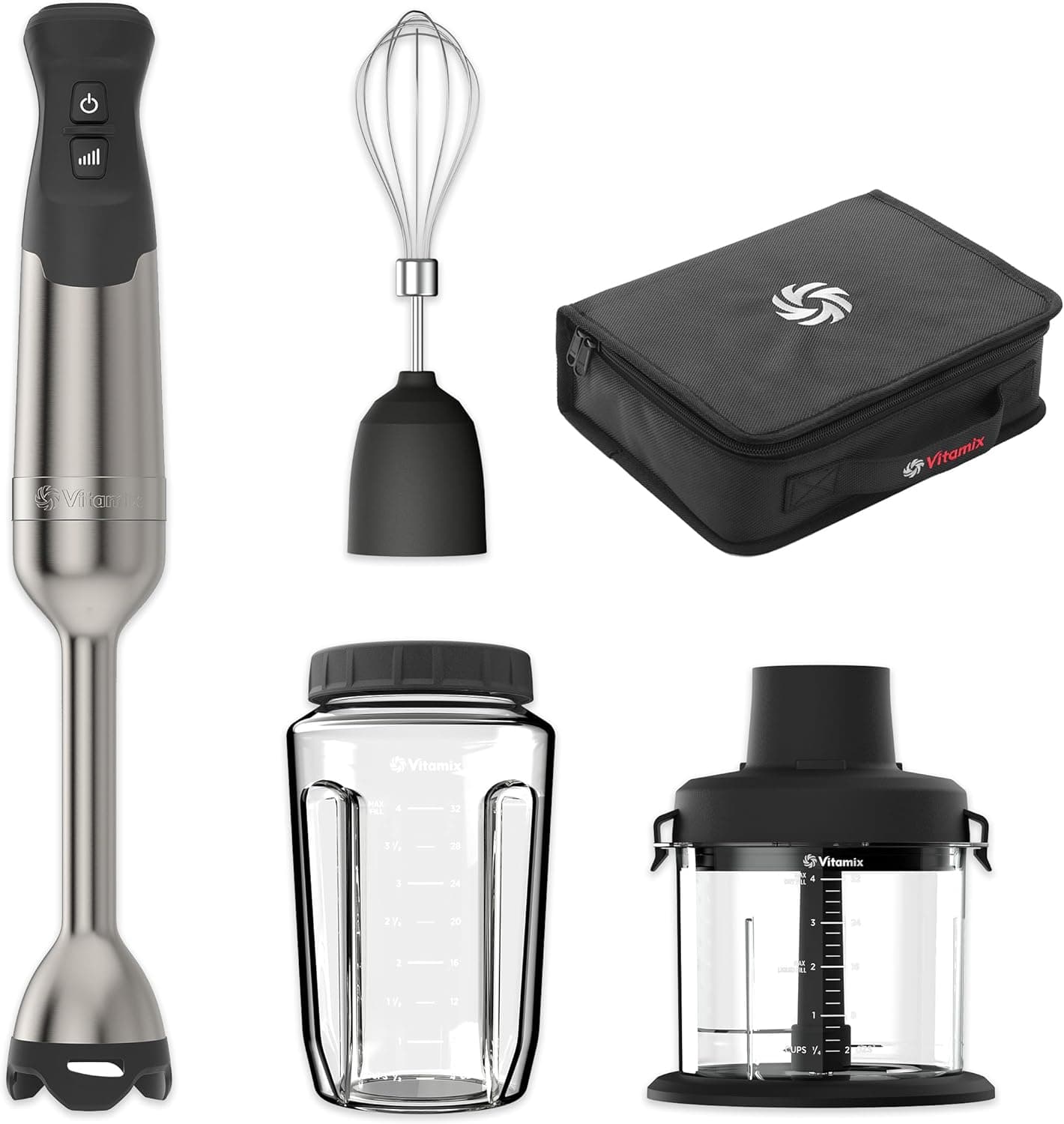
Both models typically come with a blending arm and a blending pitcher. Some Vitamix packages might include a whisk attachment or a chopping attachment, depending on the retailer and current promotions. The KitchenAid Go Cordless often includes a pan guard to protect non-stick cookware, and its removable battery is interchangeable with other tools in the KitchenAid Go Cordless range (like a food chopper or a hand mixer), which adds a layer of system versatility if you plan to expand your cordless arsenal. For the immersion blender itself, their core function remains the same, but the ecosystem play for KitchenAid is interesting.
Price and Value for Money
Both are premium options, reflecting their brand reputation and feature sets. The Vitamix generally sits at the higher end, typically £150-£200+, but its value proposition is in its incredible power, longevity, and versatility for heavy-duty blending. It's an investment that will likely outlast many other kitchen gadgets. The KitchenAid Go Cordless also commands a premium, usually in the £120-£180 range. Here, the value is less about raw power and more about the cutting-edge cordless technology, convenience, and seamless integration into the Go Cordless ecosystem. You're paying for the freedom as much as the blending capability.
Comparison Table
| Feature | Vitamix Immersion Blender | KitchenAid Go Cordless Hand Blender |
|---|---|---|
| Power Source | Corded (main outlet) | Rechargeable 12V Battery |
| Motor Strength (approx.) | 625 watts (equivalent sustained power) | Optimized for battery efficiency; lower raw power than corded equivalent |
| Ideal Use Cases | Thick soups, crushing ice, nut butters, large batches, heavy-duty pureeing | Quick smoothies, sauces, dressings, frothing, small batches, blending on-the-go |
| Key Advantage | Uncompromising power, premium durability, consistent performance | Ultimate cordless freedom, excellent portability, part of Go Cordless system |
| Main Drawback | Tethered by a cord, heavier | Limited by battery life, less raw power for very tough tasks |
| Price Band (approx.) | Premium (£150 - £200+) | Premium (£120 - £180+) |
| Verdict | The undisputed king for power and sheer blending capability. | The best choice for portability and quick, everyday convenience. |
| Buy It | Check today's price on AmazonNo extra cost to you · Check current price & availability on Amazon | Check today's price on AmazonNo extra cost to you · Check current price & availability on Amazon |
Alternatives to Consider
While the Vitamix and KitchenAid Go represent the pinnacle of their respective categories, they aren't the only blenders out there. If your needs are slightly different, or you're working with a tighter budget, these are worth a look:
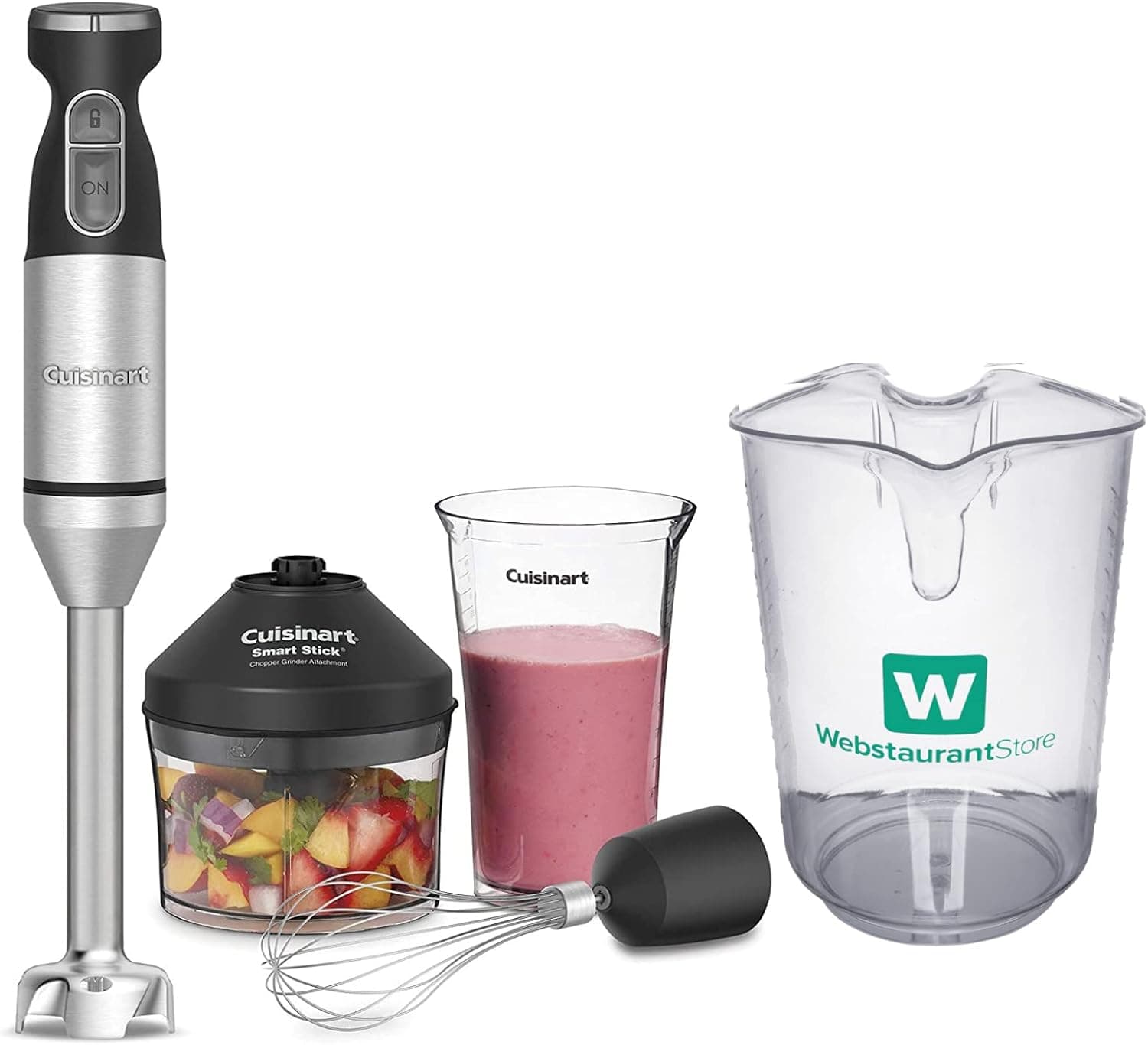
Cuisinart Smart Stick Variable Speed Hand Blender CSB-179
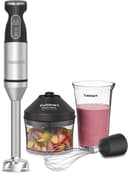
If you're looking for a highly capable corded immersion blender that offers fantastic value without the premium price tag of a Vitamix, the Cuisinart Smart Stick Variable Speed Hand Blender CSB-179 is an excellent choice. It's a consistently top-rated model, known for its strong motor, comfortable grip, and a useful set of attachments (often including a whisk and chopper). It might not have the sheer horsepower of a Vitamix, but it's more than sufficient for 90% of home cooking tasks, and it's usually available for a significantly lower price, often around £60-£90. It’s a solid, reliable workhorse for everyday blending.
KitchenAid Cordless 7 Speed Hand Blender KHBB732
Before the "Go Cordless" series, KitchenAid offered other cordless options, and the KitchenAid Cordless 7 Speed Hand Blender KHBB732 remains a fantastic alternative if you want cordless convenience but perhaps prefer a multi-speed option over the simpler single-speed of the Go. This model gives you more control over blending consistency and is generally seen as a robust cordless performer, albeit without the interchangeable battery system of the newer Go range. Its performance is very good for a battery-powered unit, handling many tasks with ease, and it typically costs in the region of £100-£150.
Cuisinart EvolutionX Cordless Rechargeable Hand Blender RHB-100
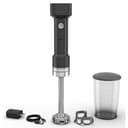
Another strong contender in the cordless space, the Cuisinart EvolutionX Cordless Rechargeable Hand Blender RHB-100 provides Cuisinart’s take on untethered blending. This model is designed for good portability and decent power, often featuring a sleek design and straightforward operation. It's a direct competitor to KitchenAid's cordless offerings, frequently coming in at a competitive price, usually £80-£120, making it a budget-friendlier cordless choice compared to KitchenAid, while still offering solid performance for sauces, smoothies, and general light blending. It’s a compelling option if you want cordless flexibility without breaking the bank for the KitchenAid ecosystem.
The Bottom Line: Which Immersion Blender Is Right For You?
Deciding between the Vitamix Immersion Blender and the KitchenAid Go Cordless Hand Blender boils down to your core blending philosophy. If you demand maximum, uncompromising power for heavy-duty tasks, routinely tackle tough ingredients, and don't mind a cord for consistent, unwavering performance, the Vitamix Immersion Blender is your champion. Its robust build and formidable motor are built for the long haul. However, if flexibility, ease of use, and the freedom to blend anywhere in your kitchen are your top priorities, and your typical blending tasks lean towards lighter, quicker jobs, then the KitchenAid Go Cordless Hand Blender will revolutionise your cooking workflow. You pay a premium for that cordless convenience, but for many, it's absolutely worth it.
Ultimately, both are excellent tools for their intended purpose. Consider your most frequent blending tasks and your kitchen environment. Are you a power user who craves brute force, or a convenience seeker who values untethered agility? The choice is yours, but either way, you’re adding a seriously useful gadget to your culinary arsenal.
Ready to upgrade your kitchen? Grab the Vitamix if power is paramount or choose the KitchenAid Go for unmatched flexibility. Your kitchen, your call.