As an Amazon Associate I earn from qualifying purchases. This page contains affiliate links, and I may earn a commission at no extra cost to you.
Xiaomi Watch 5 vs. Google Pixel Watch 4: Which Smartwatch Reigns Supreme for Value?
Finding a great smartwatch in August 2026 doesn't necessarily mean spending hundreds of pounds. The mid-range market is thriving, offering sophisticated health tracking, smart features, and respectable battery life at prices that make sense. Two devices consistently pop up in this sweet spot for Android users: the Xiaomi Watch 5 and the Google Pixel Watch 4. One champions aggressive pricing and core functionality, while the other brings the full power of Wear OS to a slightly more accessible price point than its premium siblings. Let's break down how these two stack up, helping you decide where to put your money.
Design and Build Quality: Form Meets Function
The first thing you notice about any wearable is how it looks and feels on your wrist. Both the Xiaomi Watch 5 and the Google Pixel Watch 4 sport circular displays, a popular choice for their traditional watch aesthetic. However, their approaches to materials and finish differ considerably.
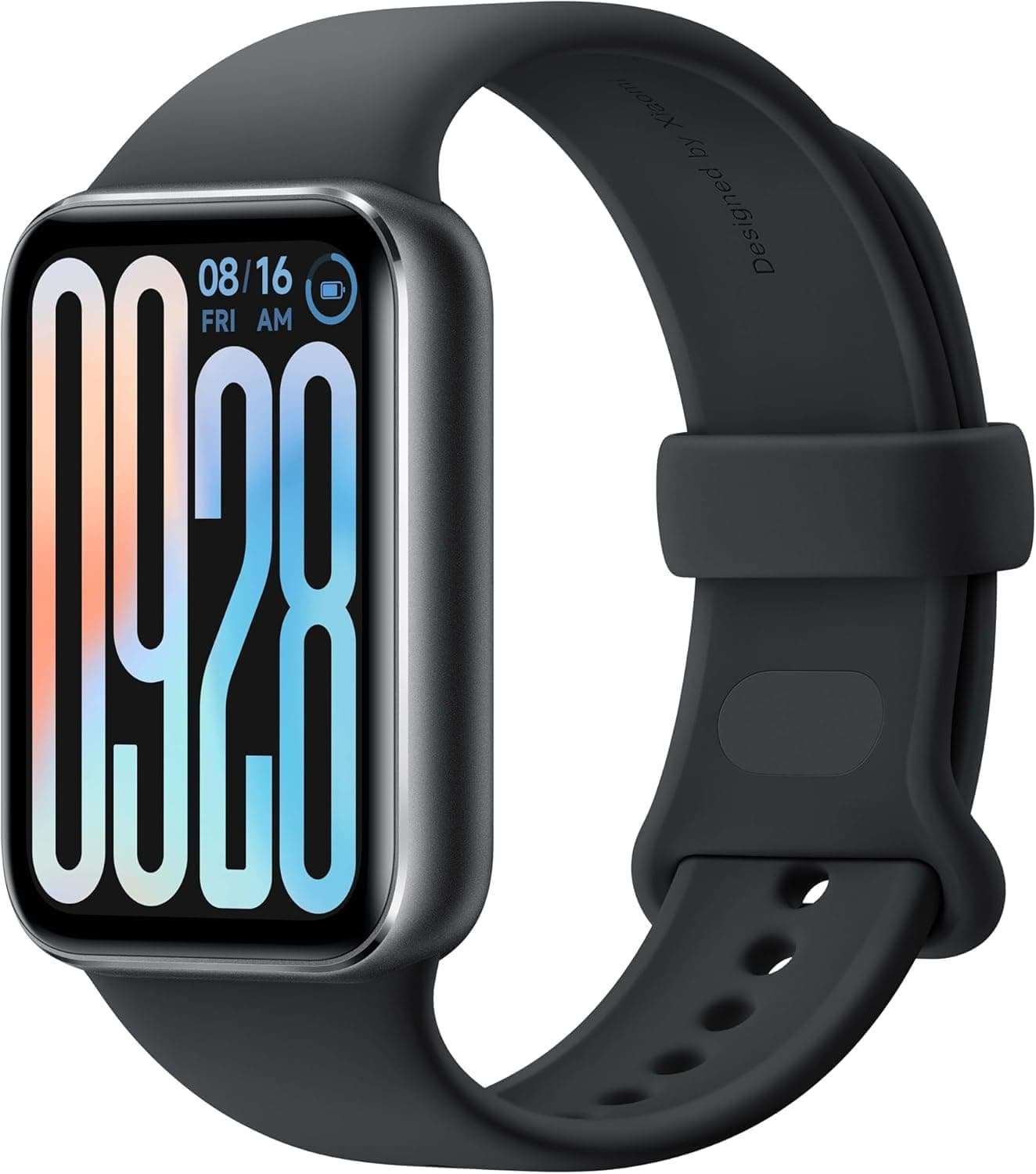
The Xiaomi Watch 5 typically leans into a more understated, sporty look. Based on Xiaomi's consistent design language for its smartwatches, you can expect a lightweight build, likely utilising a durable aluminium alloy frame and a comfortable silicone strap. Owners commonly report its slim profile and lightweight nature make it barely noticeable during workouts or sleep, which is a huge plus for all-day wear. The physical buttons are generally minimal, often a single side button, keeping the design clean and intuitive.
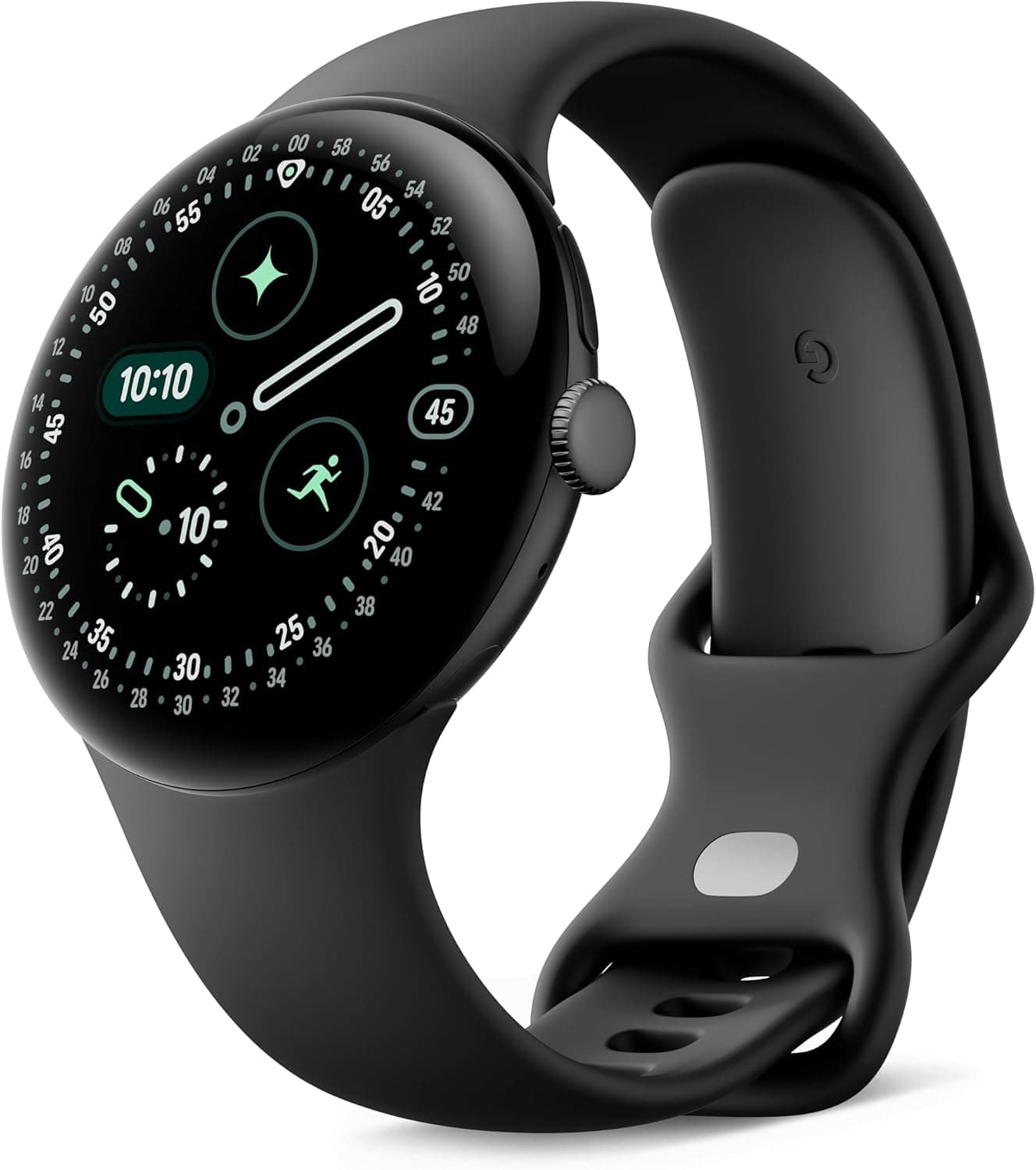
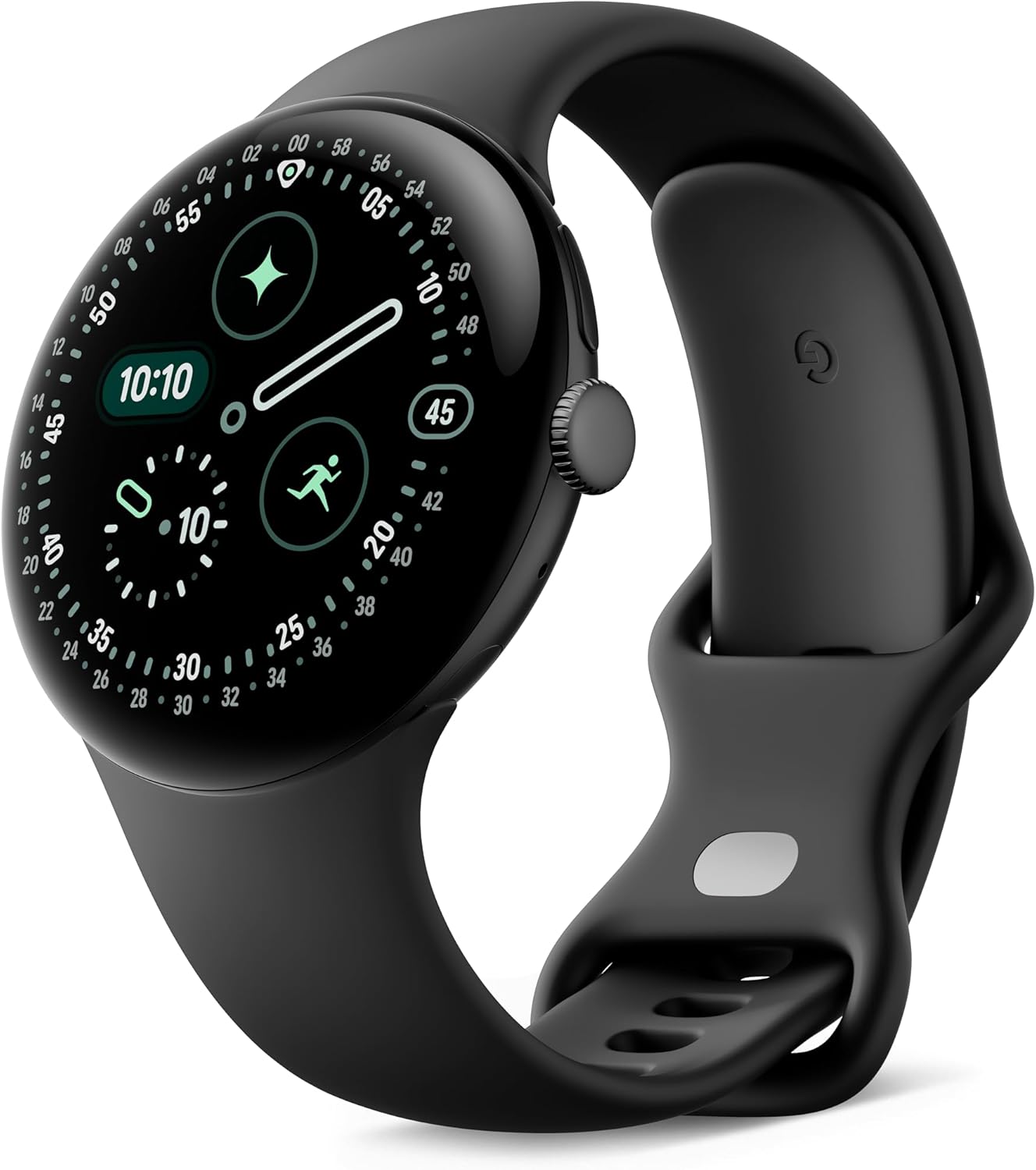
On the other hand, the Google Pixel Watch 4, following in its predecessors' footsteps, presents a more polished, jewel-like appearance. Its signature domed glass, which seamlessly merges with the casing, gives it a distinct, premium feel. Reviews often highlight the comfortable fit and the clever quick-release mechanism for straps. While still lightweight, it generally feels a touch more substantial and refined than the Xiaomi, often incorporating stainless steel or a higher-grade aluminium for the casing. If you're after a smartwatch that doubles as a fashion accessory, the Pixel Watch 4 certainly has the edge here.
Both offer good levels of water resistance, typically 5ATM, meaning they're perfectly fine for swimming and showering. It's more about personal style preference and whether you prioritize a sleek, minimal aesthetic or a more eye-catching, high-design statement.
Vibrant Displays: AMOLED Across the Board
Thankfully, both watches come equipped with vivid AMOLED displays, ensuring deep blacks, vibrant colours, and excellent contrast. This is crucial for readability in bright sunlight and for making watch faces truly pop. You can expect sharp resolutions that render text and graphics clearly.
The Xiaomi Watch 5's display is bright and perfectly adequate for most users. Based on owner feedback, it provides a very good visual experience for its price point, with smooth animations and responsive touch. An Always-On Display (AOD) mode is generally available, letting you glance at the time without waking the screen fully, though this will inevitably impact battery life.
The Google Pixel Watch 4's display, while also AMOLED, often benefits from slightly higher peak brightness and potentially more sophisticated automatic brightness adjustments. The way the domed glass integrates with the display can also create a perception of greater immersion. The AOD on the Pixel Watch 4 is typically more configurable and integrated with its Wear OS interface, offering a richer ambient experience.
Core Features and Performance: Ecosystem Matters
This is where the real divergence between these two devices lies. The fundamental difference comes down to their operating systems: the Xiaomi Watch 5 runs Xiaomi's proprietary OS, while the Google Pixel Watch 4 operates on Wear OS by Google (likely the latest iteration, Wear OS 4 or 5, by 2026).
Health and Fitness Tracking
Both watches provide a comprehensive suite of health and fitness tracking features essential for a 2026 smartwatch. Expect accurate heart rate monitoring, SpO2 (blood oxygen saturation) tracking, sleep analysis (including sleep stages and scores), stress monitoring, and step counting. They both integrate standalone GPS for tracking outdoor workouts without needing your phone.
The Xiaomi Watch 5, for its price, generally offers excellent core tracking. It supports a wide range of sports modes, automatic workout detection, and usually provides actionable insights through the Xiaomi Wear app. Owners find the data presented to be reliable and sufficient for casual to moderately active users.
The Google Pixel Watch 4, powered by Wear OS, benefits from Google's deep integration with Fitbit (assuming this partnership continues in 2026). This means a potentially more sophisticated and nuanced health tracking experience, especially around sleep analysis, readiness scores, and guided workouts. It's also more likely to feature advanced sensors like ECG for atrial fibrillation detection and potentially skin temperature sensing for additional health insights, which are often found in higher-end Wear OS devices. The accuracy of GPS and heart rate monitoring is typically top-tier, leveraging Google's engineering resources. Fitness enthusiasts looking for more detailed metrics and coaching might find the Pixel Watch 4 more appealing.
Smart Features and Ecosystem
Here, the Google Pixel Watch 4 has a clear advantage due to Wear OS. You get full access to the Google Play Store for a vast array of third-party apps, allowing you to extend functionality significantly. Google Assistant, Google Maps (for turn-by-turn navigation on your wrist), Google Wallet for NFC payments, and more robust notification management are all seamlessly integrated. An optional LTE version often allows for calls, texts, and streaming music without your phone nearby.
The Xiaomi Watch 5's proprietary OS, while smooth and efficient, is inherently more limited. You'll get notifications, music control, and often NFC payments (market dependent) and Bluetooth calling capabilities. However, the app ecosystem is restricted to what Xiaomi provides. This isn't necessarily a bad thing if you only need the basics, but it means less flexibility and fewer opportunities to customise your watch with niche apps.
Performance
Both watches should offer a fluid user interface with minimal lag for daily tasks. The Google Pixel Watch 4, with its likely custom Google silicon (e.g., a newer Tensor chip), tends to handle more complex apps and animations with a bit more grace. The Xiaomi Watch 5's performance, though, is usually more than adequate for its streamlined OS, offering a snappy experience within its own ecosystem.
Battery Life: The Ever-Present Trade-Off
This is frequently the deciding factor for many smartwatch buyers. Generally, watches running proprietary, lighter operating systems tend to outperform Wear OS devices in battery longevity. The Xiaomi Watch 5 is a prime example of this.
Owners and reviewers commonly report that the Xiaomi Watch 5 can comfortably last anywhere from 7 to 14 days on a single charge with typical usage, often including a few GPS-tracked workouts and AOD enabled for part of the day. This multi-day battery life is a massive convenience and reduces 'charger anxiety' considerably.
The Google Pixel Watch 4, with its full-fledged Wear OS, powerful processor, and rich app ecosystem, traditionally aims for an 'all-day plus a bit' battery life. This usually translates to around 24-36 hours of usage. While Google has made strides in optimising Wear OS, you'll still likely be charging the Pixel Watch 4 every night or every other night, especially with AOD and frequent GPS use. For many, this isn't a dealbreaker, but it's a significant difference if you value long stretches away from a charger.
Value Proposition and Price: The Core of the Battle
The