In August 2026, the quest to reduce screen time for kids remains a top priority for many parents. While tablets and smartphones are omnipresent, there's a real hunger for toys that spark imagination and independent play, without flashing lights and endless scrolling. Enter the Yoto Player and the Toniebox, two innovative audio players that have genuinely captured the market for screen-free entertainment.
These aren't just fancy speakers; they're entire ecosystems designed to deliver stories, music, and educational content through physical tokens, giving children a tangible way to control their listening experience. But which one is the right fit for your family? We're diving deep into the Yoto Player (3rd Generation) and the Toniebox Starter Set to help you decide.
As an Amazon Associate I earn from qualifying purchases. This page contains affiliate links, and I may earn a commission at no extra cost to you.
Yoto Player (3rd Generation): The Versatile Storyteller
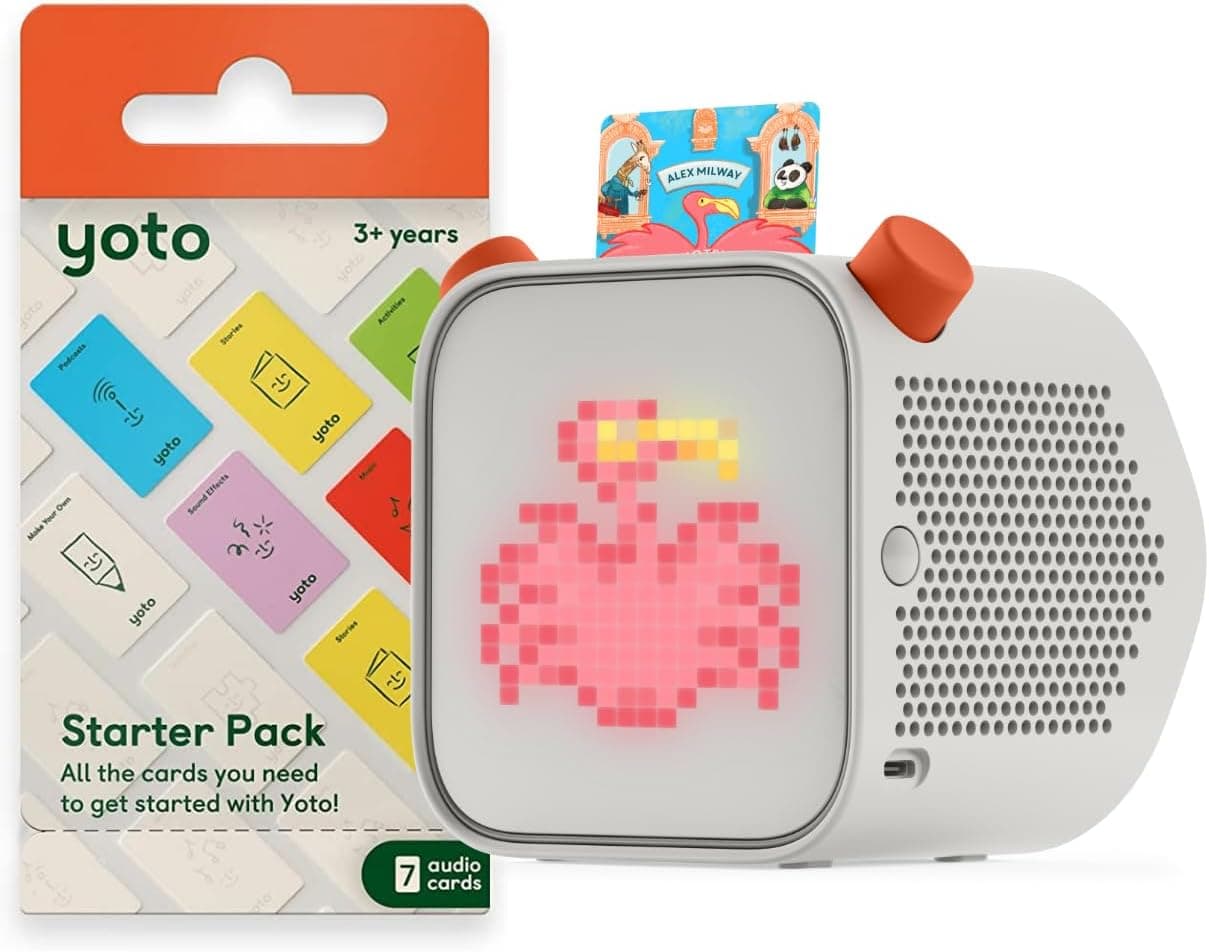
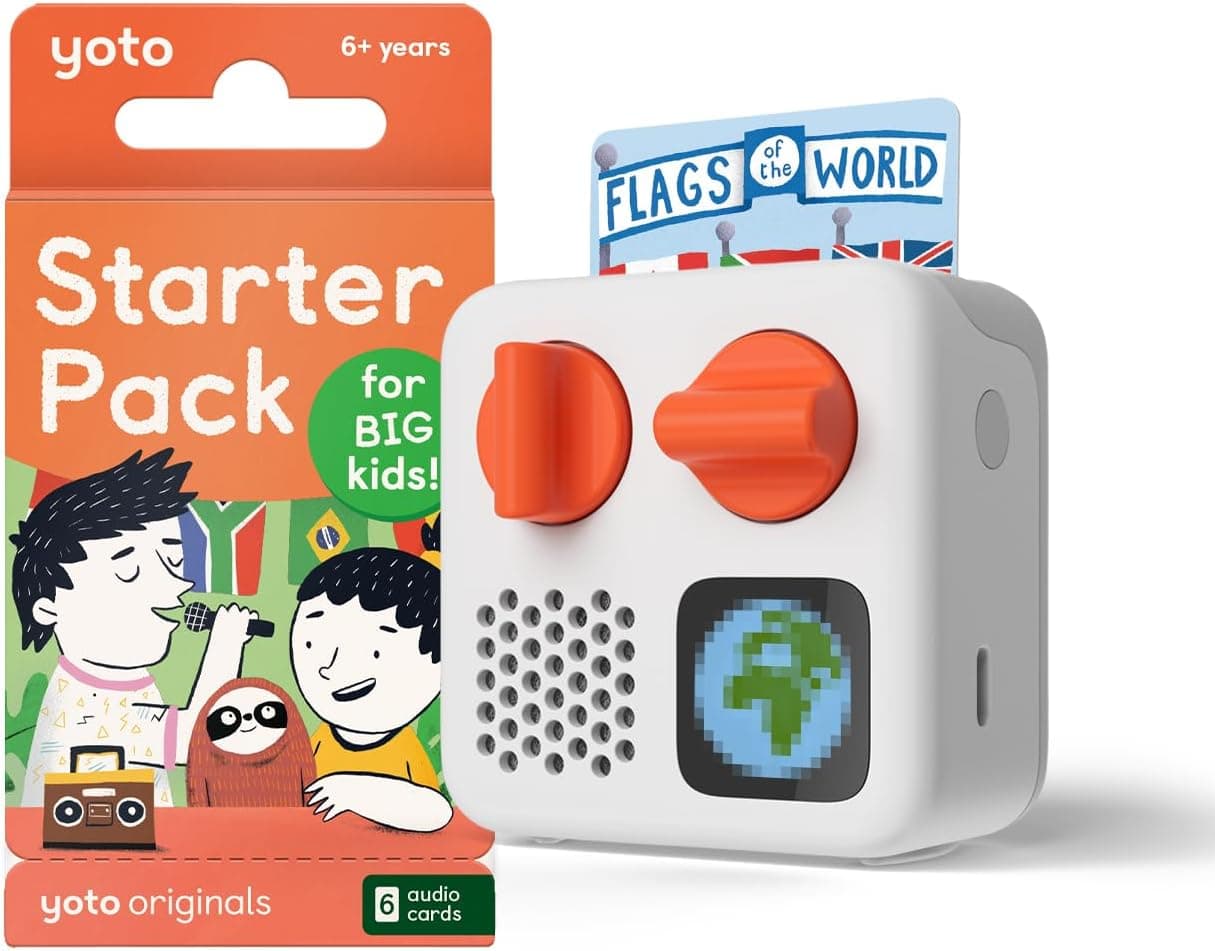
The Yoto Player (3rd Generation), launched in 2023, is Yoto's flagship device and it’s a seriously impressive piece of kit. It’s designed to grow with your child, offering a blend of intuitive controls for little ones and a depth of features that appeal to older kids. Its core mechanism involves physical cards, each loaded with audio content – stories, music, podcasts, or educational activities. Slot a card in, and the audio begins. Pull it out, and it stops. It’s wonderfully simple, yet incredibly effective for teaching cause and effect.
Design and Build Quality
Yoto has always prioritised durability and kid-friendliness, and the 3rd Generation player continues that trend. It’s built with a robust, hard plastic shell that can withstand a decent amount of drops and bumps, which is essential for anything in a child’s room. The controls are simple: large, chunky dials on either side for volume and skipping tracks, plus a power button. The front features a charming low-resolution pixel display that adds a touch of magic without being a screen in the traditional sense. It displays simple icons, clock faces, or even pixel art, providing visual cues that enhance the audio without distracting from it. The display also doubles as a night light, which is a clever touch.
A magnetic charging dock makes topping up the battery a breeze – just plonk it down. Battery life is also excellent, with Yoto claiming up to 20 hours on a single charge. Reviewers and owners commonly report getting through several days of intermittent use, making it genuinely portable for trips or just moving around the house.
Content Library and Ecosystem
This is where Yoto truly shines for breadth. Their content library is vast, featuring thousands of titles from beloved children's authors and publishers. You’ll find everything from classic fairytales to modern bestsellers, educational series, mindfulness exercises, and a wide array of music. The card system is brilliant because it gives children ownership over their content. They can browse their collection, choose what they want, and even swap cards with friends.
Beyond the paid cards, Yoto offers a significant amount of free content. Yoto Daily is a short, engaging podcast updated every day, providing a mix of facts, jokes, and challenges. Yoto Radio offers a selection of kid-friendly music and broadcasts from around the world. There’s also the option to create your own cards using 'Make Your Own' cards, allowing you to record your voice, upload audiobooks you already own, or share family messages. This level of customisation is a huge selling point and adds immense value.
For those who want a curated stream of new content, the Yoto Club is a subscription service that delivers two new cards of your choice to your door each month, alongside other perks like discounts. It’s a great way to keep the library fresh without constantly buying individual cards.
Key Features and Performance
- Pixel Display: A low-resolution screen shows illustrations, time, or track progress, adding visual interest without being a full 'screen'.
- Stereo Sound: Based on published specs and verified owner feedback, the sound quality is clear and robust for a children's device, easily filling a room.
- Headphone Jack: Crucial for quiet time or travel, allowing private listening.
- Airplay 2 Compatibility: Stream audio to the Yoto Player from other Apple devices.
- Temperature Sensor: Displays the room temperature on the pixel screen, a thoughtful extra for a child’s room.
- Parent App: Control volume limits, set sleep and wake times, manage cards, and access free content.
- Portable: The 3rd Generation is lighter than previous models and its impressive battery life makes it very travel-friendly.
The Yoto Player feels like a complete media hub for kids, with a surprising amount of smart features tucked into a simple package. The cards are easy for children aged 3+ to handle independently, and the interface generally holds up well even for slightly younger users once they grasp the card insertion.
Check today's price on AmazonToniebox Starter Set: The Tactile Storyteller for Little Hands
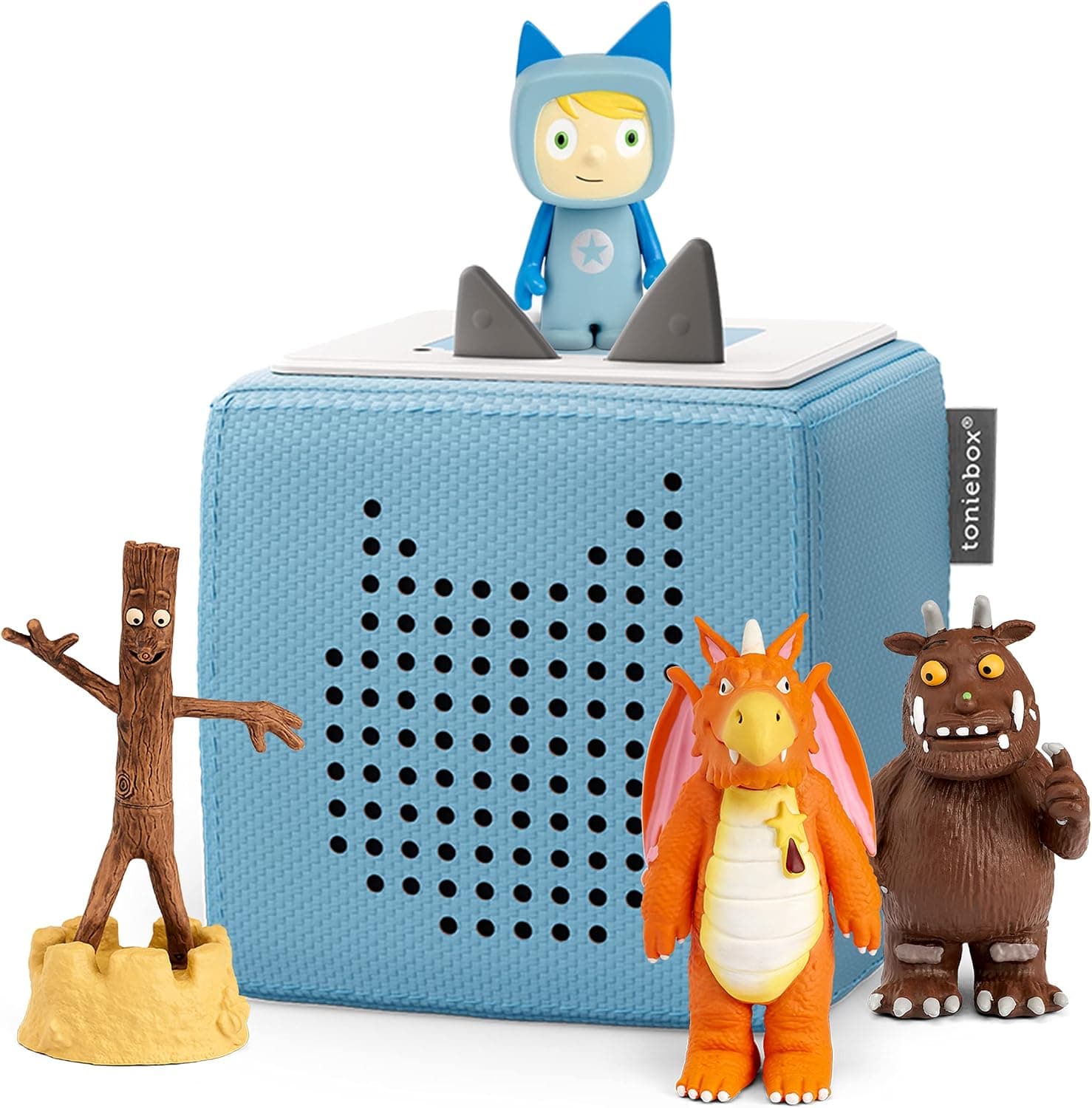
The Toniebox Starter Set approaches screen-free audio from a slightly different angle, prioritising tactile interaction and extreme simplicity, especially for younger children. Instead of cards, the Toniebox uses adorable, hand-painted figures called 'Tonies'. Place a Tonie on top of the soft speaker, and its story or music begins. Lift it off, and it pauses. It’s a brilliantly intuitive system that even toddlers can master in seconds.
Design and Build Quality
If the Yoto Player is robust, the Toniebox is practically indestructible. Its main body is soft and squishy, often covered in fabric, making it incredibly appealing to touch and resilient against drops. There are no screens, no complex buttons – just two 'ears' on top that serve as volume controls when squeezed. Tapping the sides skips tracks, and that’s about it for controls. This minimalist design is a huge advantage for very young children who can sometimes be overwhelmed by too many options.
The Toniebox is designed to be cuddled and played with, not just listened to. It’s a sensory experience. Like the Yoto, it charges via a magnetic base, and its battery life is also very respectable, typically offering around 7 hours of active playback, which is fine for its target audience.
Content Library and Ecosystem
The Tonies figures are the heart of the Toniebox experience. Each figure contains specific audio content, and they become collectible toys in their own right. The range includes popular characters from Disney, Paw Patrol, Peppa Pig, and many classic children's stories and songs. The figures themselves are high quality and durable.
A key feature is the 'Creative Tonies'. These are blank figures that parents can load with up to 90 minutes of custom content via the MyTonie app or web browser. This allows for endless possibilities: recording your own stories, uploading family messages, or even converting existing audiobooks (if you own the rights, of course). This feature is essential for personalising the experience and extending the value of the system.
While the Toniebox doesn't offer the same depth of free, built-in daily content as Yoto, its focus is more on the curated experience tied to each physical figure. For many parents, the simplicity and familiarity of beloved characters are exactly what they’re looking for.
Key Features and Performance
- Tactile Play: The Tonies figures are collectible, playable toys that activate content.
- Ultra-Simple Controls: Squeeze ears for volume, tap sides to skip. No screens, minimal buttons.
- Durable Design: Soft, squishy exterior is incredibly drop-proof and appealing to little hands.
- Creative Tonies: Upload up to 90 minutes of your own audio per figure.
- Headphone Jack: Yes, for private listening.
- Parent App: Used primarily for managing Creative Tonies and setting content permissions.
The Toniebox is genuinely designed for the preschool crowd, typically from ages 2 to 6. Its ease of use means even the youngest listeners can confidently pick their own stories and songs, fostering independence from a very early age. The lack of a screen also means absolutely zero visual distraction, making it a truly 'ears-only' experience.
Check today's price on AmazonYoto Player vs. Toniebox: The Direct Showdown
Both Yoto and Toniebox offer fantastic screen-free audio experiences, but they cater to slightly different needs and age groups. Let's break down the key differences.
Content Delivery and Interaction
This is the most obvious differentiator. Yoto uses flat cards; Toniebox uses charming figures. Yoto's cards are less physically interactive but allow for a wider variety of content on a single card, and they're easier to store in bulk. The Toniebox figures, conversely, are miniature toys in themselves, adding a layer of imaginative play that the cards simply can't match. Children genuinely enjoy collecting and playing with their Tonies.
However, the collectibility comes at a cost: figures are generally more expensive than Yoto cards, and for the same amount of audio content, you might end up spending more with Toniebox. Plus, storing dozens of figures can be more cumbersome than a deck of cards.
Age Suitability
The Toniebox truly shines for toddlers and preschoolers (roughly 2-5 years old). Its squishy design and super-simple controls are perfect for tiny hands and developing motor skills. The Yoto Player, especially the 3rd Gen with its pixel display, tends to appeal to a slightly older demographic (3-8+ years). The display, while simple, provides more visual information and the content library often includes longer stories and more complex educational topics suitable for school-aged children.
Features and Functionality
Yoto, without a doubt, offers more 'smart' features. The pixel display is a fantastic addition, providing a clock, timers, visual cues for content, and a night light. Airplay 2, a temperature sensor, and a more robust app for content management give the Yoto Player an edge in versatility. The Toniebox deliberately strips back features for ultimate simplicity, which isn't a flaw – it's a design choice that works incredibly well for its target audience. If you want just pure, unadulterated audio, the Toniebox delivers.
Durability and Portability
Both devices are built tough. The Toniebox's soft exterior makes it almost impervious to minor drops, which is a huge plus for rambunctious toddlers. The Yoto Player is also very durable, but its hard plastic might show scuffs more readily. Both are portable, though the Yoto Player boasts a significantly longer battery life (20 hours vs. 7 hours), making it a better companion for longer journeys without a charger.
Cost of Entry and Ongoing Investment
Initial starter sets for both are in a similar price band, roughly £80-£100 at time of writing, though promotions vary. The ongoing cost of content is where the differences emerge. Yoto cards are generally more affordable per title than Tonie figures. If you plan to build a vast library, Yoto might prove slightly more economical in the long run, especially if you subscribe to Yoto Club. Creative Tonies do offer a way to get more mileage out of a figure, but you're still limited by the 90-minute capacity.
| Product | Key Feature | Price Band | Verdict | Buy |
|---|---|---|---|---|
| Yoto Player (3rd Generation) | Pixel display, extensive content, app control | Premium | More versatile, grows with child, great battery | Check on AmazonNo extra cost to you · Check current price & availability on Amazon |
| Toniebox Starter Set | Tactile figures, ultimate simplicity, soft design | Premium | Perfect for toddlers, highly durable, charming | Check on AmazonNo extra cost to you · Check current price & availability on Amazon |
| Yoto Mini Player | Ultra-portable, Yoto ecosystem, long battery | Mid-range | Best for travel and smaller hands, full Yoto library | Check on AmazonNo extra cost to you · Check current price & availability on Amazon |
| Timio Player | Simple, disc-based, multi-language focus | Mid-range | Excellent for early learners and language exposure | Check on AmazonNo extra cost to you · Check current price & availability on Amazon |
Who Wins the Showdown?
Honestly, it's not a clear-cut victory for either. It boils down entirely to your child's age, your priorities, and budget.
- For toddlers (ages 2-4) who need ultimate simplicity and durability: The Toniebox Starter Set is probably the stronger choice. Its soft design, intuitive figure-based interaction, and charming characters are absolutely perfect for this age group. The lack of any screen is a bonus for the youngest listeners.
- For preschoolers and early school-aged children (ages 3-8+) who will benefit from more features and a broader content library: The Yoto Player (3rd Generation) pulls ahead. Its pixel display adds an extra layer of engagement without being a screen, the headphone jack is invaluable, and the sheer volume of content available (both free and paid) means it has more longevity. The 'Make Your Own' cards are also a truly versatile feature.
Ultimately, based on the published specs and verified owner feedback, the Yoto Player (3rd Generation) offers a bit more room to grow with a child due to its enhanced features and content breadth. It’s slightly more versatile for varied family needs.
Alternatives to Consider
While the Yoto Player and Toniebox dominate the market, there are other excellent screen-free audio players worth a look, especially if you have specific needs or a tighter budget.
Yoto Mini Player
If portability is your absolute top priority, or you're looking for a more budget-friendly entry into the Yoto ecosystem, the Yoto Mini Player is a fantastic option. It offers all the core functionality of the larger Yoto Player – the card system, access to the same content library, headphone jack, and excellent sound quality for its size – but in a much smaller, lighter package. Its battery life is also exceptional, making it ideal for car journeys, holidays, or just moving from room to room. You do lose the built-in night light and the larger display of the full-size player, but for many, the trade-off for portability is worth it. It’s a superb choice for older kids who want to take their audio with them.
Timio Player
For parents prioritising early learning, particularly language acquisition, the Timio Player is a strong contender. It uses magnetic discs, each featuring images and specific content across multiple languages. Children simply place a disc on the player, tap an image, and hear the corresponding word, sound, or story. It’s incredibly intuitive and robust, with a focus on repetition and auditory learning. There's no Wi-Fi, no app, just pure, simple, multi-lingual engagement. While its content library isn't as vast as Yoto or Toniebox, its targeted educational approach and ease of use make it excellent for very young children and those in multi-lingual households. It’s also often a bit more budget-friendly than the starter sets of its competitors, making it a great entry point into screen-free audio.
The Verdict
Both the Yoto Player (3rd Generation) and the Toniebox Starter Set are exceptional screen-free audio players that deliver on their promises, but the Yoto Player (3rd Generation) takes the lead for its superior versatility and ability to grow with your child.
Its comprehensive feature set, the pixel display, headphone jack, longer battery life, and broader content library make it a more adaptable choice for a wider age range and diverse listening habits. While the Toniebox excels in simplicity and charm for the youngest listeners, the Yoto Player offers a more complete, feature-rich experience that provides better long-term value for most families. Ultimately, you're investing in quality screen-free fun, and with the Yoto Player, you're getting a device that can keep pace with your child's developing interests for years to come.
Ready to bring screen-free magic home? Discover the Yoto Player (3rd Generation) on Amazon.