As an Amazon Associate I earn from qualifying purchases. This page contains affiliate links, and I may earn a commission at no extra cost to you.
The Best Red Light Therapy Panels: Hooga Pro 2.0 vs. MitoADAPT 200
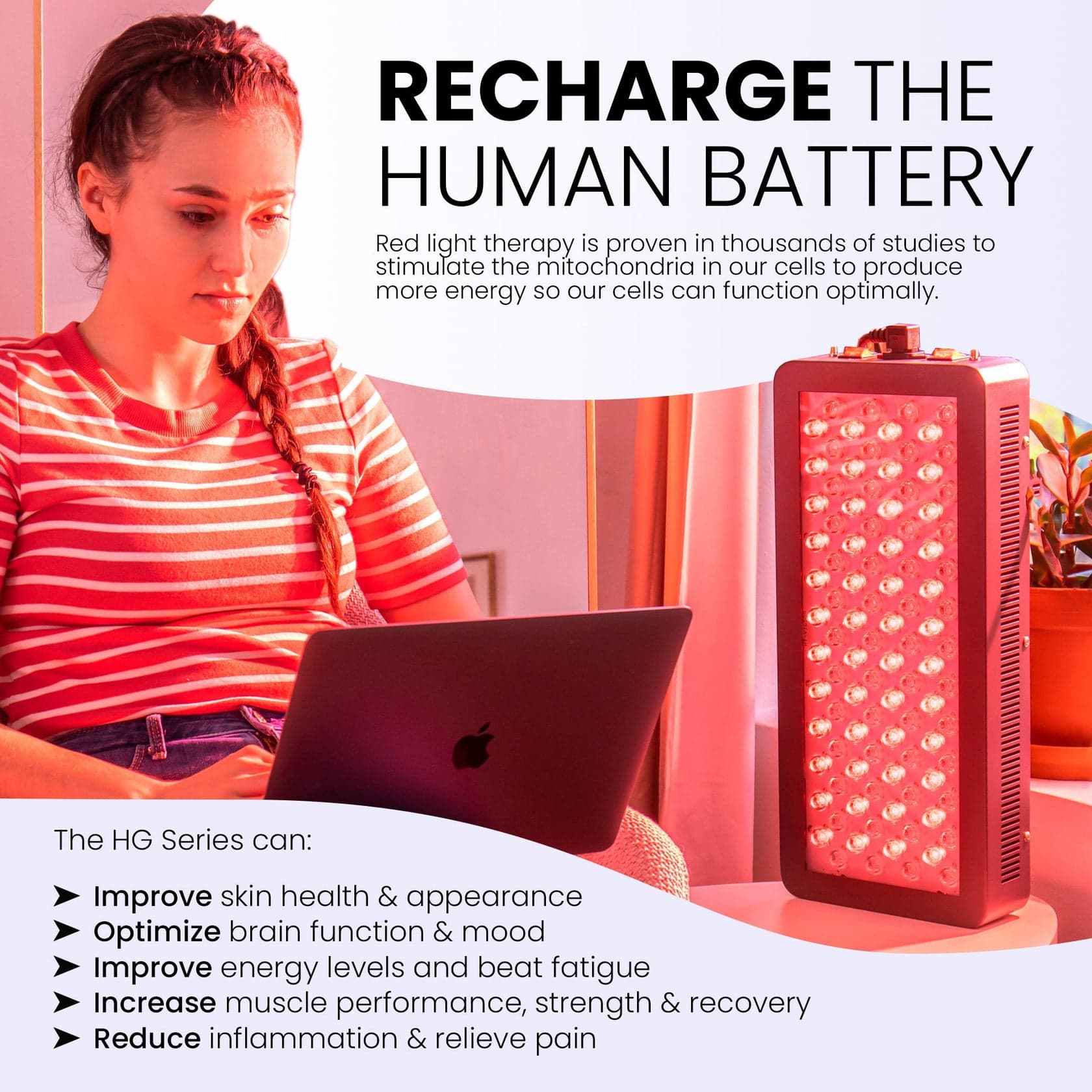
Red light therapy, also known as photobiomodulation, has become a hot topic in the wellness space over the last few years. More and more people are turning to it for everything from skin rejuvenation and muscle recovery to improved sleep and reduced inflammation. The idea is simple: specific wavelengths of light, primarily red (around 660nm) and near-infrared (around 850nm), penetrate the body's tissues to stimulate cellular processes. But with so many panels on the market, how do you pick one that truly delivers?
Today, we're putting two prominent players under the microscope: the Hooga Red Light Therapy Panel Pro 2.0 and the Mito Red Light MitoADAPT 200. Both are mid-sized panels designed for targeted or full-body use, but they approach their design and feature sets with distinct philosophies. Based on the published specs, verified owner feedback, and manufacturer claims, we'll break down what makes each of these stand out, and which one might be the better fit for your routine and budget.
What Exactly Is Red Light Therapy (RLT) Anyway?
Before we dive into the panels, let's quickly clarify what RLT aims to do. It's not magic, but it leverages specific light wavelengths. Red light (600-700nm) is generally known for its superficial skin benefits, like collagen production and wound healing, because it doesn't penetrate as deeply. Near-infrared (NIR) light (700-1000nm), on the other hand, can reach deeper tissues, muscles, and even bones, potentially aiding in pain relief, muscle recovery, and cellular energy production. Most effective panels, like the ones we're reviewing, combine both to offer a broader range of benefits.
Hooga Red Light Therapy Panel Pro 2.0: A Deep Dive
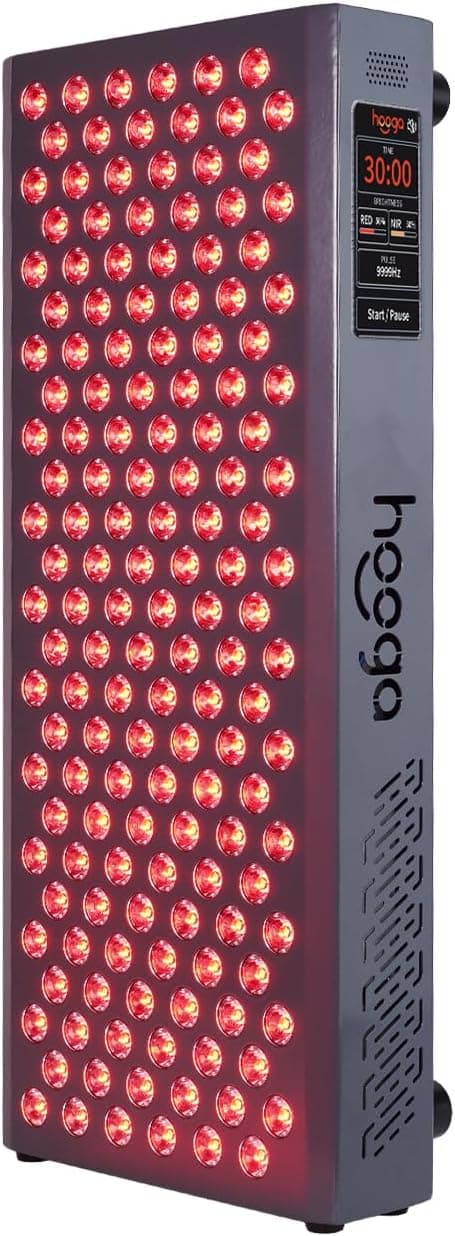
Hooga has built a reputation for offering accessible, high-performing red light therapy devices, and the Pro 2.0 is a prime example of their commitment to value without cutting corners. This panel feels like a solid, no-nonsense workhorse designed for consistent home use.
Design and Build Quality
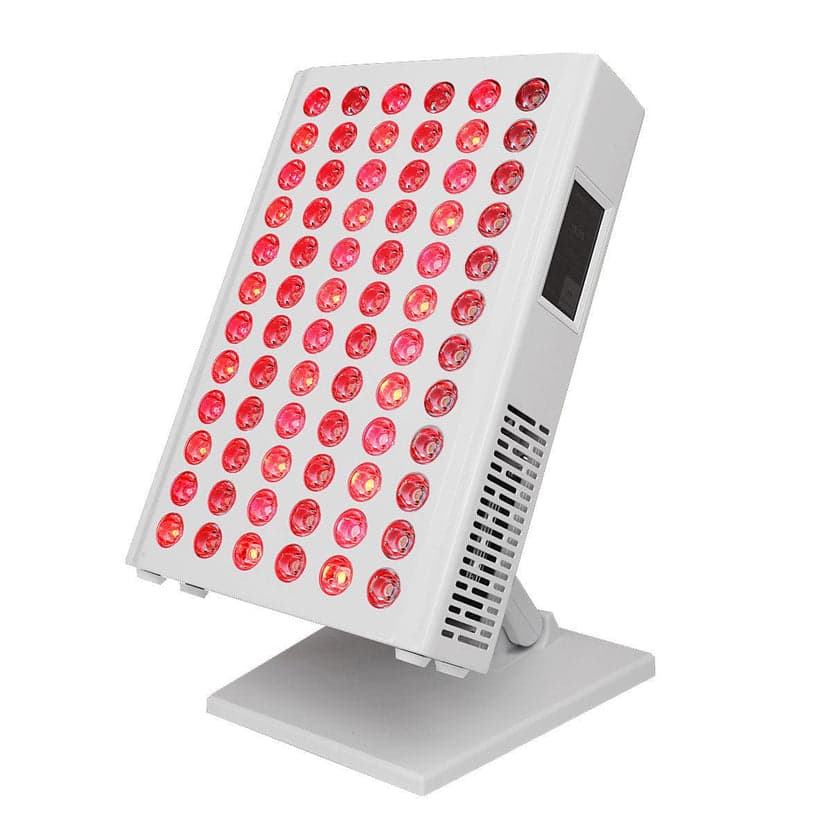
The Hooga Pro 2.0 presents a sturdy, industrial-chic aesthetic. It's not going to win any beauty contests for sleekness, but it's built to last. The metal casing is robust, and the overall construction gives confidence that it can withstand regular handling. Reviewers commonly report its solid feel, which is reassuring when you're investing in a piece of wellness tech. It's designed to be hung over a door, mounted on a stand, or used freestanding, offering good versatility for placement in your home gym, bedroom, or living area. Fan noise is a common point of discussion for these devices, and while it's not silent, owners generally describe the fan as a consistent hum, not overly disruptive for typical 10-20 minute sessions.
Key Features and Specifications
- Wavelengths: The Pro 2.0 uses a combination of 660nm (red) and 850nm (near-infrared) LEDs, typically in a 1:1 ratio. This dual wavelength approach is standard for comprehensive RLT benefits.
- Irradiance: Hooga panels are known for competitive irradiance levels. While exact numbers can vary based on distance, the manufacturer states impressive output, ensuring effective treatment times. This is crucial; higher irradiance means shorter session durations to achieve the desired effect.
- LED Count and Power: It features a substantial number of powerful LEDs, which contributes directly to its effective coverage area and irradiance.
- Control Options: The panel usually comes with a simple, intuitive control panel allowing you to select red, NIR, or both wavelengths. A built-in timer is standard, which is essential for consistent and safe session lengths.
- Flicker and EMF: Hooga emphasizes low flicker and low EMF output. These are important considerations for users concerned about potential long-term effects or sensitivity to electromagnetic fields. Based on owner feedback and independent tests, Hooga generally delivers on these claims, offering a safer and more comfortable experience.
Performance and User Experience
Based on extensive owner feedback, the Hooga Pro 2.0 performs consistently well. Users often report positive results with skin clarity, muscle recovery post-workout, and reduced joint discomfort. The strong irradiance means that even relatively short sessions (10-15 minutes) can be effective. Its size makes it suitable for treating larger body areas efficiently, or for covering the face and neck thoroughly. Some users find the hanging kit a bit basic, but it's functional, and many opt for aftermarket stands for more flexible positioning.
Value Proposition
The Hooga Pro 2.0 typically sits in the mid-range price bracket, roughly $700-$1000 at the time of writing, making it a significant investment. However, considering its robust build, strong irradiance, and focus on low EMF/flicker, it offers excellent value for someone looking for a dependable panel for regular home use without venturing into the ultra-premium price points. It's a panel designed to serve you well for years.
Mito Red Light MitoADAPT 200: A Deep Dive
Mito Red Light has carved out its niche by focusing on advanced features and offering a premium feel. The MitoADAPT 200 is their answer for users who want a high-performing panel with a bit more sophistication and control.
Design and Build Quality
The MitoADAPT 200 boasts a sleeker, more modern design than many competitors. It uses high-quality materials and has a noticeably refined finish. Owners often praise its solid construction and the overall feeling of a premium product. It's designed for versatile use, much like the Hooga, with options for hanging, mounting, or freestanding. A key design differentiator here is often the fan system; Mito Red Light typically employs quieter, more efficient cooling, leading to less ambient noise during sessions compared to some rivals.
Key Features and Specifications
- Wavelengths: The MitoADAPT 200 is part of Mito Red Light's 'ADAPT' line, which implies a focus on advanced wavelength choices. While it includes the standard 660nm (red) and 850nm (near-infrared), some 'ADAPT' models offer additional wavelengths (e.g., 670nm, 830nm) for potentially broader cellular targeting. Always confirm the exact wavelengths for the specific model you're considering, as these can be a differentiator.
- Irradiance: Mito Red Light is well-regarded for its high irradiance levels. The MitoADAPT 200 is no exception, delivering powerful output for effective, shorter sessions. The company is usually transparent with third-party tested irradiance reports, which builds trust.
- LED Count and Power: This panel packs a high density of LEDs, optimized for maximum light output across its surface, ensuring even and potent light delivery.
- Control Options: This is where the MitoADAPT series often shines. Expect advanced controls, potentially including variable pulsing (Hz settings), dimming capabilities across multiple levels, and separate control for each wavelength. This level of customization allows users to fine-tune their therapy.
- Flicker and EMF: Mito Red Light is also highly committed to minimizing flicker and EMF. Their panels are generally designed with low flicker rates and low EMF at the treatment distance, aligning with user desires for a safe and comfortable experience.
Performance and User Experience
The MitoADAPT 200 is a top-tier performer, with users consistently reporting significant benefits across various applications. The high irradiance ensures quick, effective sessions, and the advanced control options genuinely add value for those who want to experiment with different protocols or tailor their therapy more precisely. The often quieter operation is a noticeable perk, especially for users who prefer to relax or meditate during their sessions. The panel's size offers good coverage for targeted areas or smaller full-body sessions, making it versatile for different routines.
Value Proposition
Positioned firmly in the premium segment, the MitoADAPT 200 typically commands a higher price, often in the $900-$1200 range or more. While it's a steeper investment, its advanced features, superior build quality, and strong performance justify the cost for users who prioritize customization, a sleek design, and a potentially quieter operation. It's a panel for those who want a bit more from their red light therapy experience and are willing to pay for it.
Comparison Table: Hooga Pro 2.0 vs. MitoADAPT 200
| Feature | Hooga Red Light Therapy Panel Pro 2.0 | Mito Red Light MitoADAPT 200 |
|---|---|---|
| Wavelengths | 660nm (Red) & 850nm (NIR) | 660nm (Red) & 850nm (NIR), potentially more on ADAPT series |
| Irradiance | High; strong output for effective sessions. | Very High; often with transparent third-party reports. |
| Control | Simple: Red, NIR, or Both; Timer. | Advanced: Separate R/NIR, dimming, pulsing (Hz), Timer. |
| Build Quality | Robust, industrial metal casing. | Sleek, premium feel, refined finish. |
| Fan Noise | Noticeable, consistent hum. | Generally quieter, optimized cooling. |
| Price Band | Mid-range ($700-$1000) | Premium ($900-$1200+) |
| Verdict | Excellent value for solid performance. | Premium experience with advanced features. |
| Buy | Check price on Amazon | Check price on Amazon |
Who Should Buy Which?
The choice between these two excellent panels largely boils down to your priorities and budget.
- Choose the Hooga Red Light Therapy Panel Pro 2.0 if: You're looking for a high-performing, reliable panel for everyday use without breaking the bank. You prioritize strong irradiance and a no-frills, robust build over advanced features like pulsing or intricate dimming. You don't mind a moderate fan hum and want solid value for your investment in wellness. It's an ideal choice for someone new to red light therapy who wants proven results without compromising on core performance.
- Choose the Mito Red Light MitoADAPT 200 if: You're a more advanced user, or someone who appreciates fine-tuning your therapy sessions. The customizable dimming and pulsing options could be appealing if you're experimenting with different protocols or have specific sensitivities. You value a quieter operation and a premium aesthetic, and you're willing to pay more for those refined features and potentially slightly higher irradiance. It's for the enthusiast who wants more control and a luxurious experience.
Performance: Head-to-Head
Both panels deliver impressive irradiance, meaning they're effective. You'll get the benefits of red and near-infrared light from either. The MitoADAPT 200 often has a slight edge in raw irradiance numbers and typically boasts superior, quieter cooling. This might translate to marginally shorter session times or a more pleasant overall experience without the constant fan noise. However, the Hooga Pro 2.0 isn't far behind and provides more than enough power for most users to achieve their wellness goals effectively. The real performance differentiator, beyond raw power, comes down to the control options. If you just want to turn it on, set a timer, and get your light, the Hooga is perfectly adequate. If you like the idea of adjusting intensity, exploring different pulse frequencies, or turning off one wavelength for specific applications, the MitoADAPT 200 is the clear winner.
Alternatives to Consider
Sometimes, neither a workhorse nor a premium-featured mid-panel is exactly what you need. If your budget is tighter, or you need something more portable, or conversely, if you're ready to invest in a much larger, full-body solution, there are other great options.
- For Portability/Budget: Consider the Hooga Red Light Therapy Device HG300. This is a much smaller, handheld, or desktop unit, typically priced around $150-$250. It offers the same Hooga quality and effective wavelengths but in a much more compact form factor, ideal for travel or treating very specific, small areas without the commitment of a larger panel.
- For Full-Body Immersion: If you're looking to upgrade to a truly massive, full-body experience, the Mito Red Light MitoPRO 1500 is a serious contender. Priced significantly higher, often well over $2000, these panels are designed for maximal coverage and powerful output, suitable for clinical settings or dedicated home wellness spaces where you want to treat your entire body simultaneously and quickly.
Verdict: Which Panel Delivers?
Both the Hooga Red Light Therapy Panel Pro 2.0 and the Mito Red Light MitoADAPT 200 are excellent choices, offering reliable red light therapy benefits. For most people seeking a dependable, effective panel that provides superb value for money, the Hooga Pro 2.0 is a fantastic choice that delivers all the core benefits without unnecessary frills. If your budget allows for it, and you appreciate finer control over your therapy sessions and a quieter, more polished experience, the MitoADAPT 200 offers a premium upgrade that justifies its higher cost.
Ultimately, your best panel depends on your budget, your desired level of control, and how much you value aesthetic refinement and quieter operation. Whichever you choose, consistent use is key to seeing the benefits of red light therapy.
Ready to start your red light therapy journey? Check out the Hooga Red Light Therapy Panel Pro 2.0 on Amazon today, or if you prefer advanced features, explore the Mito Red Light MitoADAPT 200.