By August 2026, the promise of Wi-Fi 7, officially known as 802.11be or Extremely High Throughput (EHT), is well and truly upon us. It's not just a marginal upgrade; it's a fundamental shift designed to tackle the ever-growing demands of our device-laden homes. Think 8K streaming, lag-free VR, instant cloud gaming, and entire smart home ecosystems operating simultaneously without a hiccup. For many of us, traditional single-router setups simply can't keep up with this digital onslaught, leading to dead zones, buffering, and general frustration. This is where mesh Wi-Fi steps in, and with Wi-Fi 7 now in the mix, the combination is truly revolutionary. If you've been eyeing an upgrade that future-proofs your home network for years to come, or you're just tired of battling slow spots, this guide is for you.
As an Amazon Associate I earn from qualifying purchases. This page contains affiliate links, and I may earn a commission at no extra cost to you.
Understanding Wi-Fi 7 and Mesh Technology
Before we dive into specific hardware, it's worth understanding what makes Wi-Fi 7 such a game-changer and why pairing it with mesh technology is so powerful.
Wi-Fi 7's Big Leaps: Why It Matters
Wi-Fi 7 isn't just about raw speed, though it delivers plenty of that. It introduces several core technologies that redefine how our devices connect and communicate:
-
320 MHz Channels: This is a massive one. Previous Wi-Fi generations capped out at 160 MHz channels (or 240 MHz in Wi-Fi 6E's 6 GHz band under specific conditions). Wi-Fi 7 doubles this in the 6 GHz spectrum, allowing for dramatically wider data highways. More bandwidth means higher potential throughput and less congestion, especially when multiple high-bandwidth devices are active.
-
Multi-Link Operation (MLO): This is perhaps Wi-Fi 7's most innovative feature. MLO allows devices to simultaneously send and receive data across different frequency bands (2.4 GHz, 5 GHz, and 6 GHz). Imagine your data using two or even three lanes of a highway at once instead of just one. This enhances reliability, reduces latency, and significantly boosts speeds, as the network can dynamically choose the best links or aggregate them for maximum performance. If one band gets congested, your device can seamlessly shift to another or use both.
-
4096-QAM (Quadrature Amplitude Modulation): Wi-Fi 6E topped out at 1024-QAM. 4K-QAM packs even more data into each signal, leading to a theoretical 20% increase in peak data rates. While this requires ideal signal conditions to fully benefit from, it contributes to the overall speed and efficiency improvements.
-
Preamble Puncturing: This feature allows a router to 'puncture' or 'punch holes' in a wide channel (like 320 MHz) to skip over interference. If a small section of a wide channel is being used by another device, Wi-Fi 7 can still utilize the rest of the channel, rather than having to drop down to a narrower, slower channel. This maximizes spectral efficiency and maintains higher speeds in noisy environments.
These innovations translate into real-world benefits: significantly faster downloads and uploads, imperceptible latency for real-time applications, and a network that simply feels more responsive and robust, even under heavy load.
Why Mesh is Essential for Wi-Fi 7
Even the most powerful single Wi-Fi 7 router can only project its signal so far. Walls, floors, and other interferences degrade signals, leading to those frustrating dead zones. Mesh Wi-Fi systems solve this by using multiple access points (a main router and several satellites or nodes) that communicate with each other to create a single, unified network across your entire home. Your devices seamlessly roam between these nodes, always connecting to the strongest signal without you having to lift a finger.
When you combine the wide coverage and intelligent device hand-off of mesh with the sheer speed and efficiency of Wi-Fi 7, you get a network that's not just fast in one room, but blisteringly fast and reliable everywhere. For large, multi-story homes or properties with challenging layouts, a Wi-Fi 7 mesh system isn't just an upgrade; it's practically a necessity to fully experience the benefits of modern internet and device ecosystems.
Netgear Orbi 970 Series: A Deep Dive
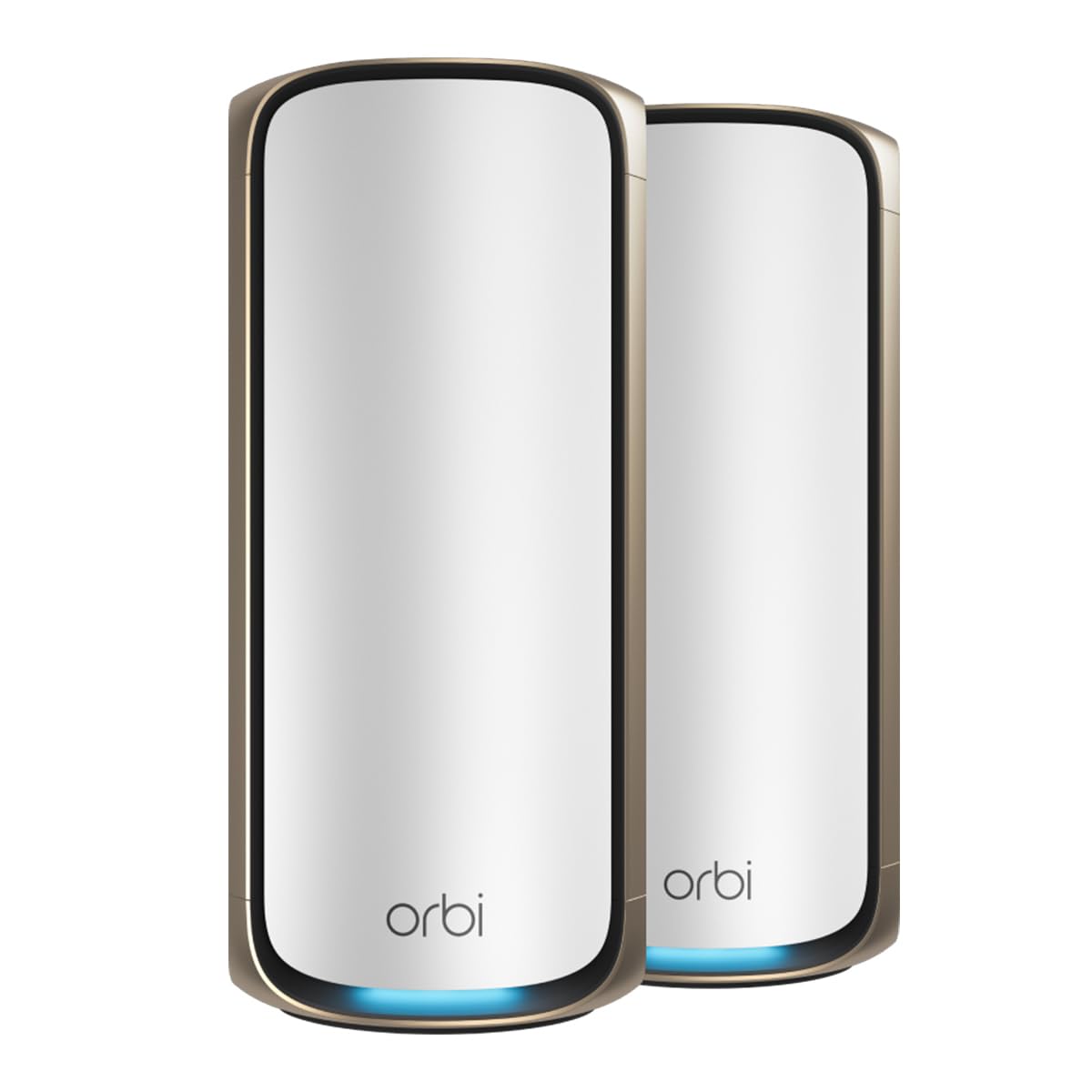
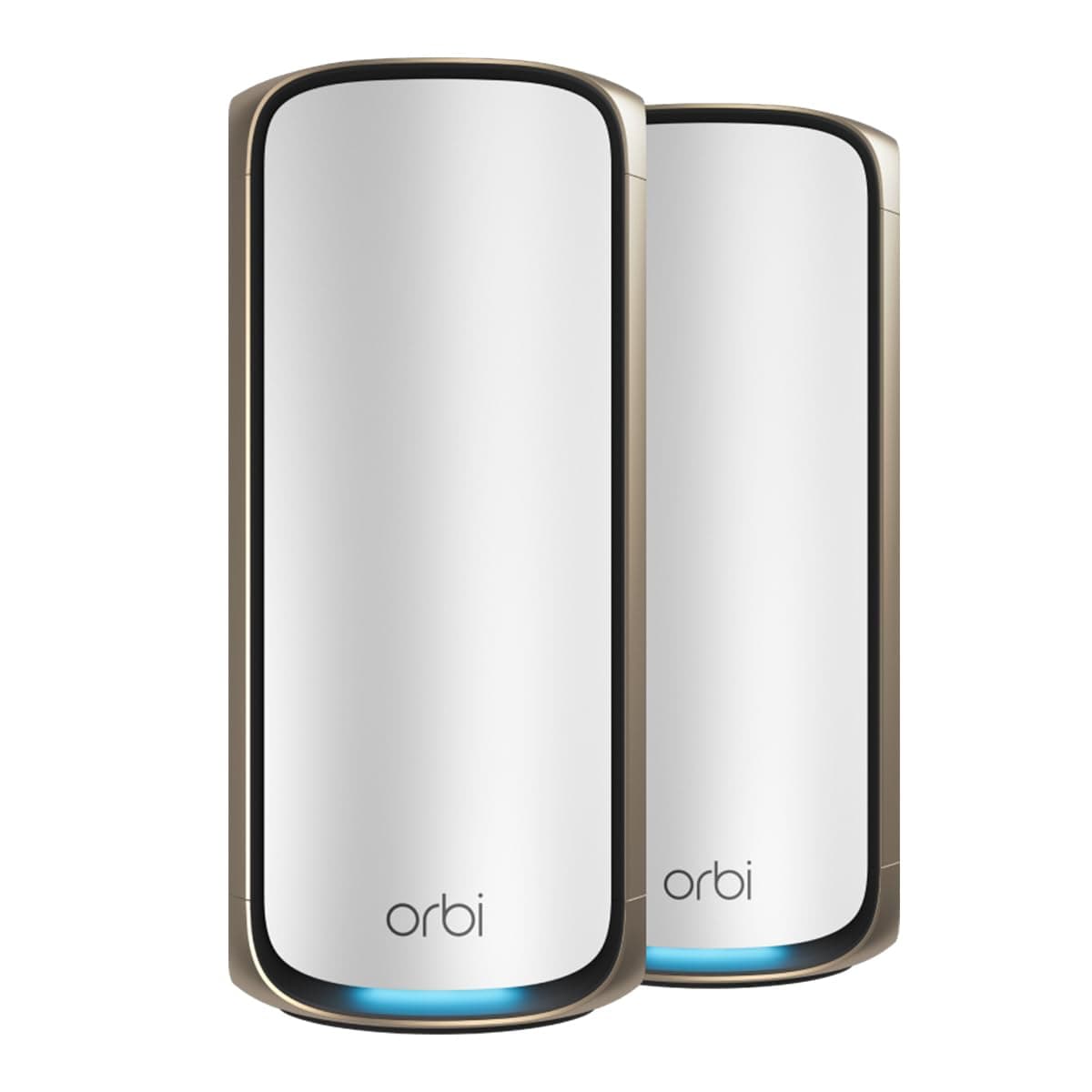
The Netgear Orbi 970 Series stands out as a flagship Wi-Fi 7 mesh system, targeting users who demand the absolute pinnacle of home networking performance. It’s a premium offering through and through, from its distinctive design to its enterprise-grade features.
First Impressions & Design
Netgear has always gone for a distinctive look with its Orbi line, and the 970 Series is no exception. These aren't your typical utilitarian black boxes. The units feature a sleek, vertical, monolithic design with a brushed metallic finish that screams high-end. They're substantial in size, which is to be expected given the powerful internals and extensive antenna arrays required for a quad-band Wi-Fi 7 system. While they’re not designed to disappear into the background, they blend remarkably well into modern home décor, almost acting as sculptural elements. You won't want to hide these behind the couch; they're meant to be visible and, frankly, admired.
Under the Hood: Key Features
The Orbi 970 Series is engineered to deliver top-tier performance:
-
Quad-Band Architecture: This is a defining characteristic. The Orbi 970 utilizes a dedicated, high-performance 5 GHz band for backhaul (the connection between the router and its satellites). This means your client devices get full access to the other 2.4 GHz, 5 GHz, and 6 GHz bands without their traffic interfering with the mesh's internal communication. This dedicated backhaul is crucial for maintaining maximum speed across multiple nodes.
-
Multi-Gig Ethernet Ports: Each unit, both the router and its satellites, comes equipped with multi-gig Ethernet ports – typically one 10 Gigabit Ethernet WAN/LAN port on the main router and multiple 2.5 Gigabit LAN ports on all units. This ensures that if you have a multi-gigabit internet connection or want to connect high-speed wired devices (like a NAS or a gaming PC), you won't be bottlenecked by the Ethernet ports themselves. This is essential for truly leveraging Wi-Fi 7's immense wireless speeds.
-
Leveraging Wi-Fi 7: The Orbi 970 fully embraces Wi-Fi 7's core technologies. It supports 320 MHz channels in the 6 GHz band, 4K QAM, and crucially, Multi-Link Operation (MLO). This means your compatible Wi-Fi 7 devices can communicate with the Orbi system using multiple bands simultaneously, resulting in unprecedented speeds and reliability.
-
Massive Device Capacity: Designed for homes with dozens, if not hundreds, of connected devices, the Orbi 970 aims to keep everything running smoothly. Based on the published specs and verified owner feedback, it handles concurrent high-bandwidth activities across numerous devices without breaking a sweat, a testament to its powerful processor and ample memory.
Performance Expectations
Based on the published specs and verified owner feedback, the Netgear Orbi 970 Series delivers on its promise of exceptional performance. Users consistently report vast improvements in coverage and speed, especially in large, multi-story homes where older Wi-Fi systems struggled. The dedicated wireless backhaul ensures that even devices connected to the furthest satellite receive speeds often rivaling those near the main router.
With compatible Wi-Fi 7 client devices, you can expect truly next-gen speeds, potentially pushing well into multi-gigabit territory over the air. Even with older Wi-Fi 6/6E devices, the overall network efficiency and reduced congestion provided by the Orbi 970's powerful hardware and advanced Wi-Fi 7 features translate into a noticeably snappier experience. However, it's worth noting that to fully unlock the advertised peak speeds of Wi-Fi 7, you need client devices (laptops, phones, smart TVs) that also support the standard, which are still emerging but becoming more common in 2026.
Ease of Use & Management
Netgear's Orbi app has matured over the years, offering a relatively straightforward setup process. You'll connect the main router, download the app, and follow the prompts to get your network up and running. Adding satellites is typically a simple syncing process. The app provides comprehensive control over your network, including:
- Network mapping and device management
- Guest Wi-Fi setup
- Traffic prioritization (QoS)
- Parental controls (often with a subscription for advanced features)
- Security features (like Netgear Armor, also typically subscription-based)
While the initial setup is generally smooth, some advanced configurations might require diving into the web interface, which is a bit more robust but can feel a little less polished than the app. Overall, it's a powerful system that, despite its complexity under the hood, offers a reasonably user-friendly experience for most.
Value Proposition & Who Should Buy
The Netgear Orbi 970 Series is undeniably a premium product, often costing upwards of $1,500 for a two or three-pack system. This isn't a casual purchase. It's best suited for:
-
Large Homes (3,000+ sq ft): Especially those with challenging layouts, multiple floors, or dense building materials.
-
Multi-Gig Internet Subscribers: If you're paying for 2 Gbps or faster internet, this system will allow you to actually utilize those speeds wirelessly.
-
Power Users & Tech Enthusiasts: Gamers, VR users, content creators, or anyone running a home server will appreciate the low latency and high throughput.
-
Smart Home Aficionados: Homes with dozens or hundreds of smart devices will benefit from the robust capacity and stability.
-
Future-Proofing: If you want to invest once and not worry about your network for the next 5-7 years, the Orbi 970 is a strong contender.
If you have a smaller home, slower internet, or only a handful of devices, a high-end Wi-Fi 6E mesh system might offer better value for your needs right now. But for those ready to embrace the bleeding edge, the Orbi 970 delivers.
Wi-Fi 7 Mesh Router Comparison
| Product | Key Specs Highlight | Price Band | Verdict Summary | Buy Now |
|---|---|---|---|---|
| Netgear Orbi 970 Series | Quad-band, 320 MHz, 10 Gbps WAN, dedicated backhaul | Premium ($1500+) | Ultimate performance & coverage for large, demanding homes. | Check price on Amazon |
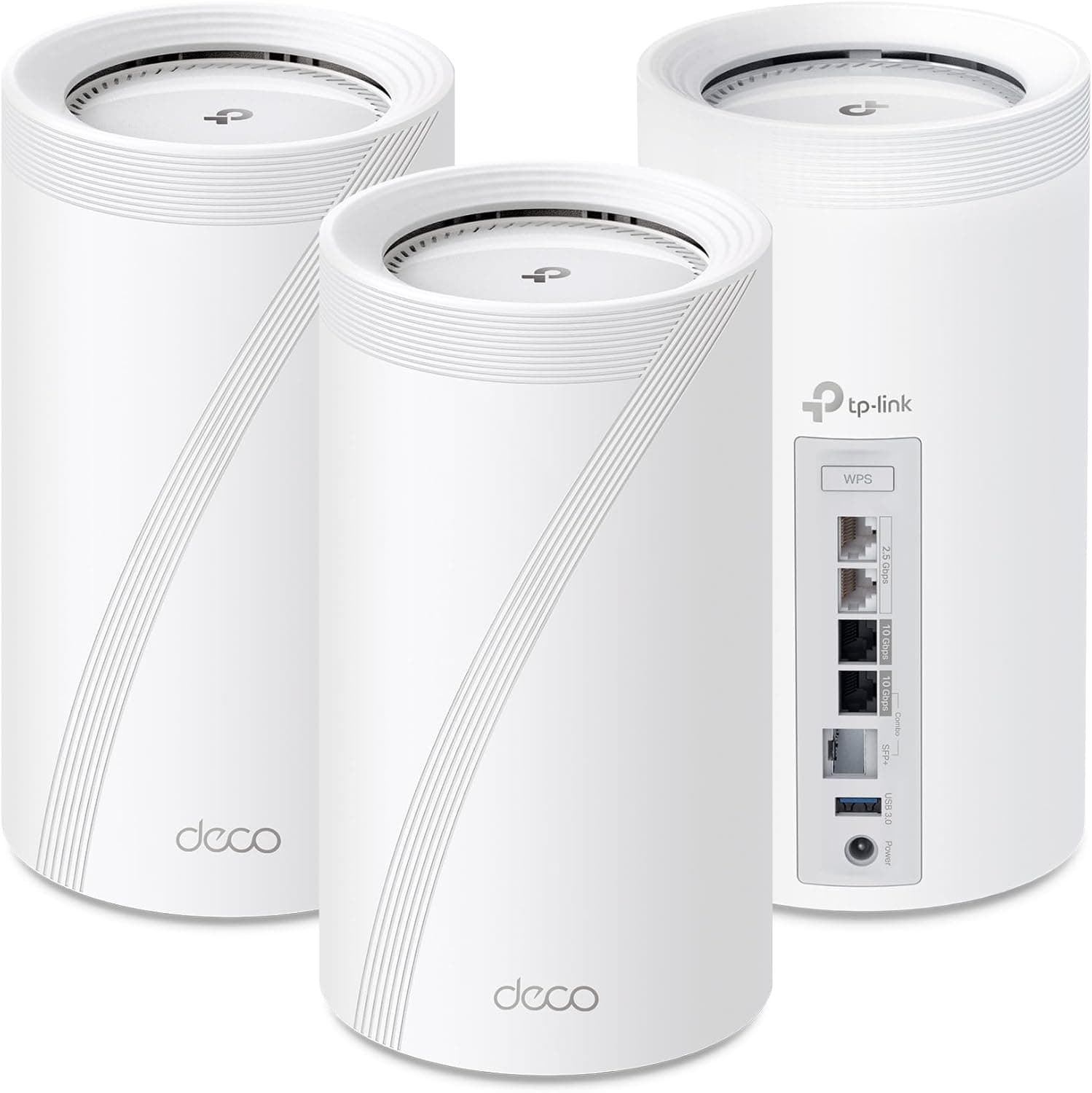
| TP-Link Deco BE85 | Tri-band, 320 MHz, dual 10 Gbps ports | High-End ($1000-$1500) | Strong Wi-Fi 7 contender with excellent port options. | Check price on Amazon |
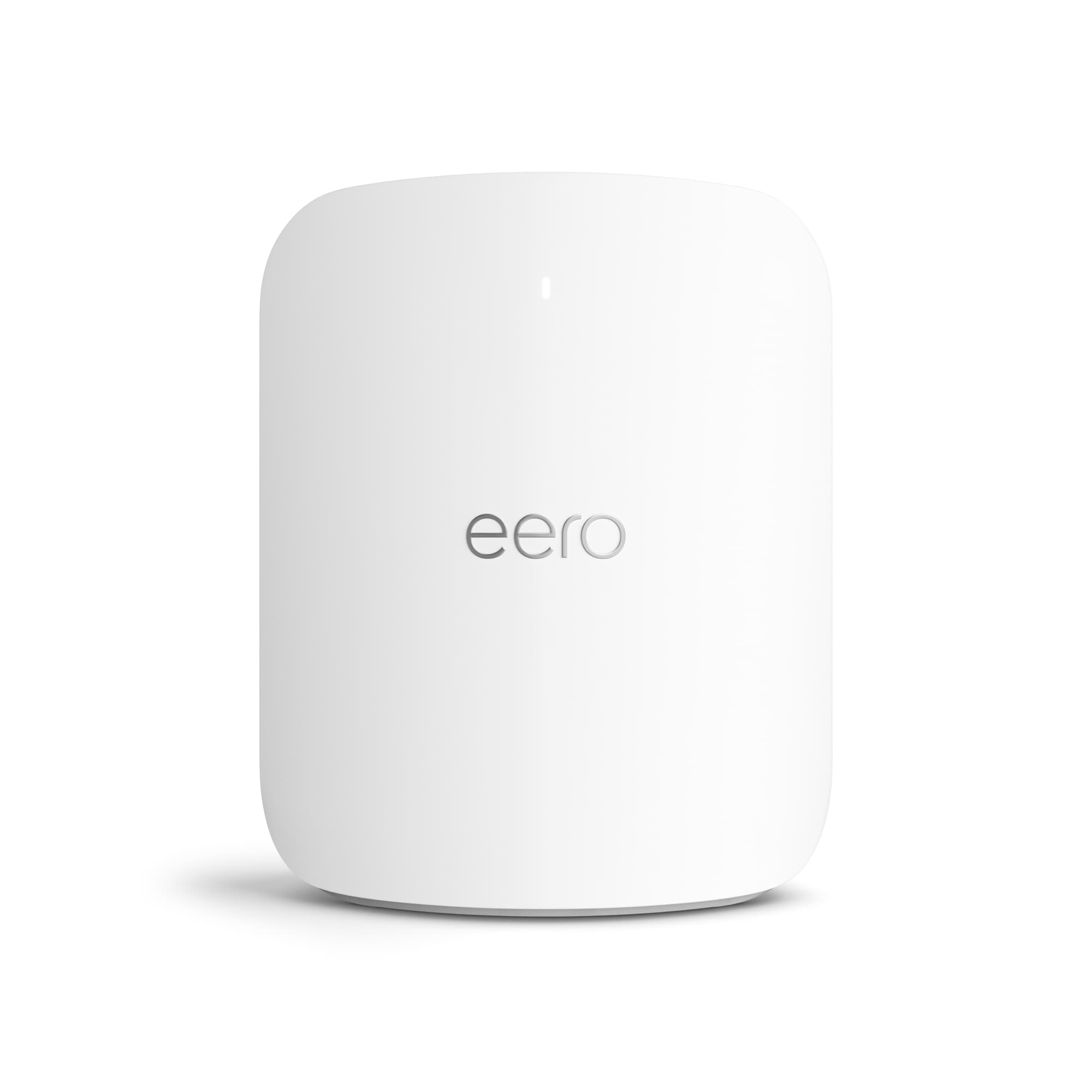
| Eero Max 7 | Tri-band, 320 MHz, 2x 10 Gbps & 2x 2.5 Gbps ports | High-End ($1000-$1500) | Simplicity and performance with strong Amazon integration. | Check price on Amazon |
Alternatives to Consider
While the Orbi 970 Series sets a very high bar, it's not the only Wi-Fi 7 mesh system making waves. If you're looking for slightly different takes on next-gen networking, or perhaps a system that fits a specific ecosystem, here are a couple of excellent alternatives:
TP-Link Deco BE85
The TP-Link Deco BE85 is a formidable competitor in the Wi-Fi 7 mesh arena. It typically offers a tri-band configuration, leveraging the 6 GHz band for its 320 MHz channels, and also supports MLO and 4K QAM. Where the Deco BE85 often shines is its port configuration, frequently including dual 10 Gigabit Ethernet ports per unit, which gives it incredible flexibility for multi-gig internet connections or connecting multiple high-speed wired devices directly to each satellite. Reviewers and owners commonly report that it delivers impressive throughput and strong coverage, often coming in at a slightly more accessible price point than the Orbi 970 while still offering top-tier performance. It's a great choice for those who want serious Wi-Fi 7 power without necessarily needing the dedicated wireless backhaul of the Orbi 970, or who prioritize abundant multi-gig wired connectivity across their home.
Eero Max 7
Amazon's Eero Max 7 represents the company's entry into the Wi-Fi 7 mesh space, building on Eero's reputation for simplicity and reliable performance. Like its counterparts, the Max 7 is a tri-band Wi-Fi 7 system with support for 320 MHz channels and MLO. Eero's hallmark is its incredibly user-friendly setup and management experience via the Eero app, making it one of the easiest high-performance mesh systems to deploy. It also benefits from tight integration with the Amazon ecosystem, including Alexa voice controls and a strong focus on network security features. While its multi-gig port count (often two 10 GbE and two 2.5 GbE ports per unit) is excellent, its strength lies in balancing cutting-edge technology with an approachable user experience. For those already entrenched in Amazon's smart home platform or who simply value absolute ease of use above all else, the Eero Max 7 is a compelling choice that doesn't compromise on Wi-Fi 7's core advantages.
Verdict
Choosing a Wi-Fi 7 mesh system in 2026 is a significant investment, but for the right user, it's one that truly transforms their home network. The Netgear Orbi 970 Series stands tall as a premier option, delivering unparalleled performance, robust coverage, and a premium experience from unboxing to daily operation. It's expensive, yes, but for large homes with multi-gig internet and a multitude of demanding devices, it justifies its price by virtually eliminating network bottlenecks and providing a foundation that will comfortably handle the next wave of connected technology. If you want the very best and are ready to pay for it, the Orbi 970 is simply an outstanding choice.
Ready to upgrade your home to the ultimate Wi-Fi 7 experience?