As an Amazon Associate I earn from qualifying purchases. This page contains affiliate links, and I may earn a commission at no extra cost to you.
This article is for homeowners and renters who want a genuinely smart home — lights that respond, locks that behave, and cameras that keep watch — without needing a computer science degree to set it all up. If you've been putting off committing to an ecosystem because you're not sure which one will still matter in three years, you're in exactly the right place.
The State of Smart Home Ecosystems in 2025
When the Matter standard arrived, the smart home world let out a collective sigh of relief. Finally, a single protocol that would let your Amazon Echo, Google Nest Hub, and Apple HomePod mini all talk to the same devices. And to a large extent, Matter has delivered on that promise. A Matter-certified smart plug bought today will pair with Alexa, Google Home, and HomeKit without you having to choose upfront. That's a genuine revolution.
But here's the honest truth: the three big ecosystems have responded to Matter by doubling down on their exclusive features. The battle has shifted from which devices can I use? to which platform gives me the best experience once those devices are connected? Routines, voice intelligence, camera integrations, energy dashboards — that's where the real differences lie in 2025.
We tested all three ecosystems across several weeks using a mix of Matter-certified devices, platform-exclusive hardware, and real-world daily use scenarios. Here's what we found.
Quick Comparison: Alexa vs Google Home vs Apple HomeKit
| Platform | Best Hub Device | Voice Assistant Quality | Matter Support | Price to Start | Verdict |
|---|---|---|---|---|---|
| Amazon Alexa | Echo Hub (2nd Gen, 2025) | Very Good — LLM-powered | Excellent (Thread + Wi-Fi) | ~£35–£230 | Best for device breadth & routines |
| Google Home | Nest Hub Max (2nd Gen) | Excellent — Gemini integration | Very Good (Wi-Fi primary) | ~£30–£229 | Best for AI & Android households |
| Apple HomeKit | HomePod (3rd Gen, 2025) | Good — improving with iOS 18 | Excellent (Thread border router) | ~£99–£329 | Best for privacy & Apple device owners |
Amazon Alexa: The Ecosystem Everyone Has Tried
What's New in 2025
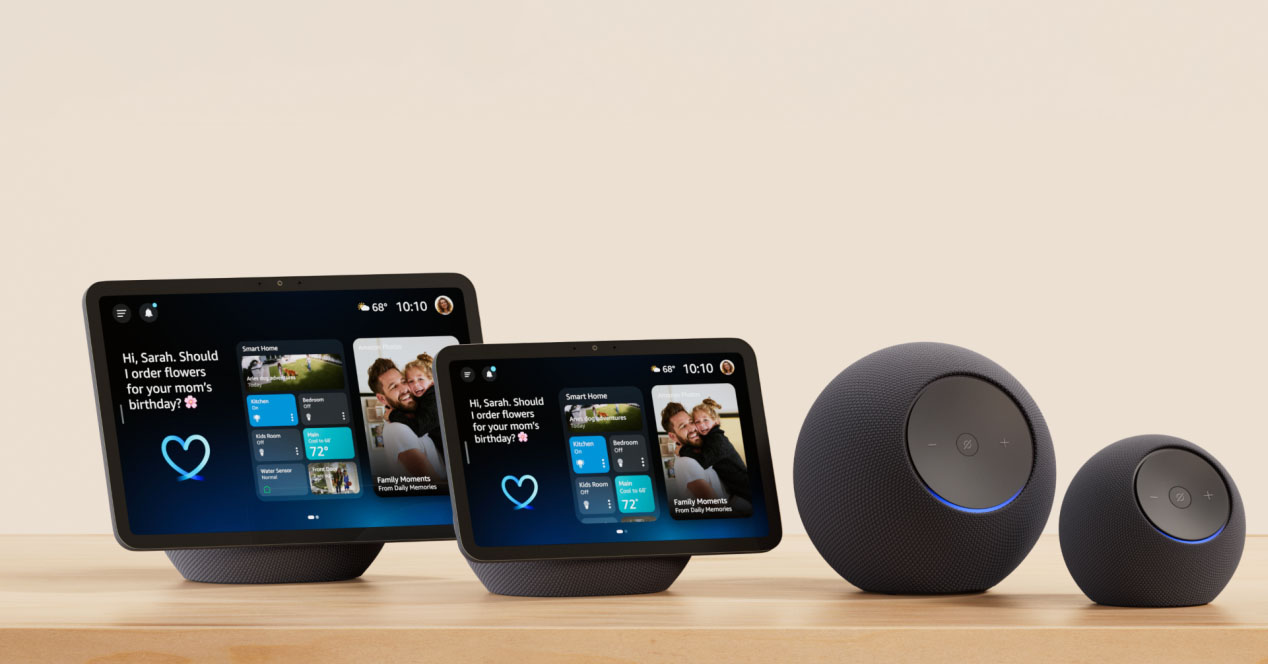
Amazon quietly overhauled Alexa's intelligence engine in late 2024, rolling out a large language model backbone that makes conversations feel far less robotic. Ask Alexa to "turn off everything downstairs except the hallway light when it's past 10 PM and raining" and it will generally parse that correctly — something the old keyword-matching system stumbled on constantly. The Echo Hub 2nd Gen, released in early 2025, is the clearest expression of this new Alexa: a wall-mounted 8-inch touchscreen controller that acts as a smart home dashboard, Thread border router, and Zigbee hub all in one box.
Matter Interoperability
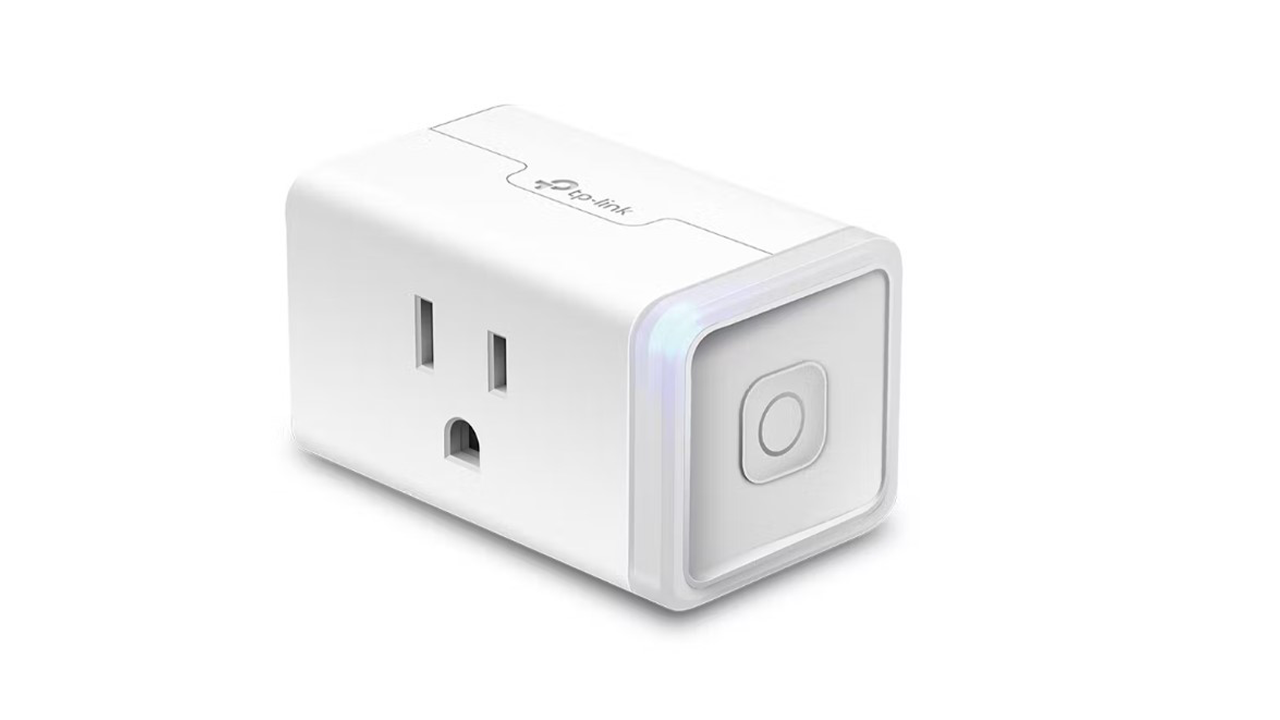
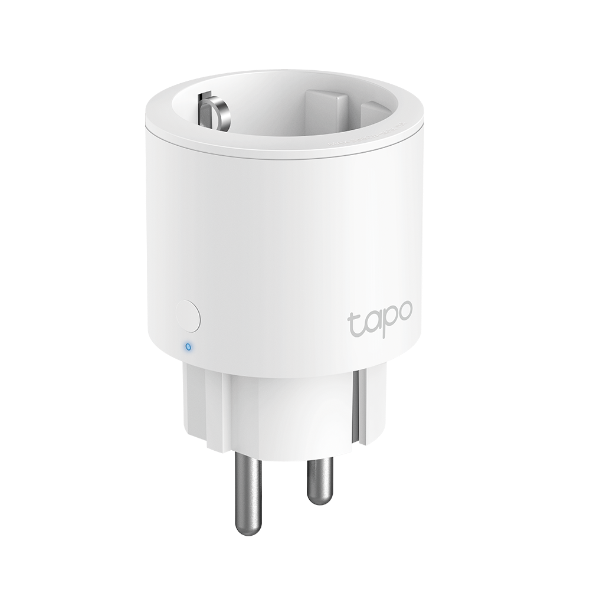
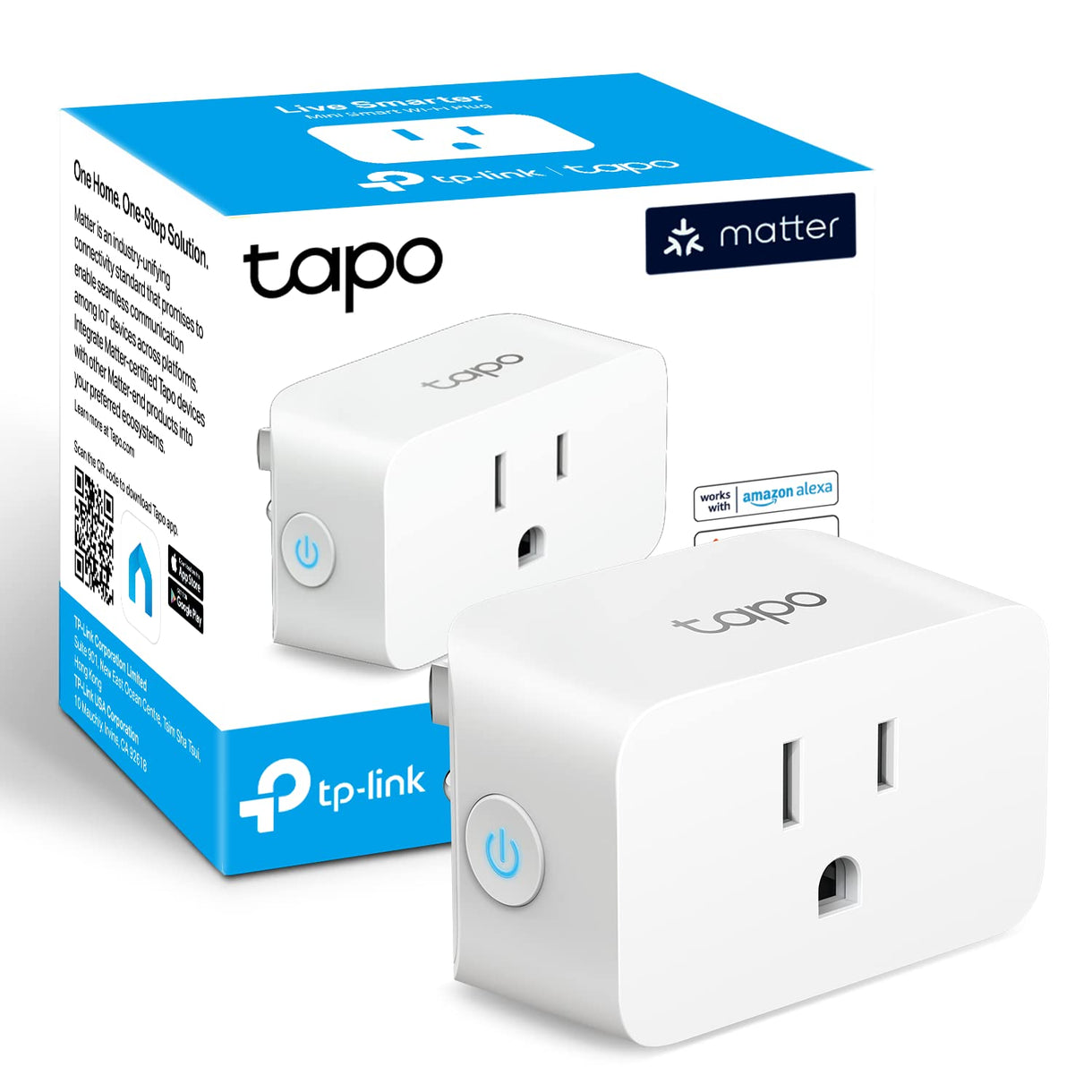
Alexa's Matter support is now mature and reliable. In testing, we paired a TP-Link Tapo P125M smart plug and a Eve Energy (both Matter-over-Wi-Fi devices) in under two minutes each. Thread device onboarding is equally smooth through the Echo Hub. Where Alexa still lags slightly is in exposing Matter device attributes — energy monitoring data from third-party plugs sometimes doesn't surface in the Alexa app as cleanly as it does in the device's own app.
Exclusive Features That Still Lock You In
- Alexa Routines with LLM triggers: You can now describe automations in plain English and Alexa will build them for you. It's not perfect, but it's miles ahead of tapping through a GUI wizard.
- Ring integration: If you own Ring cameras or doorbells, Alexa is your native ecosystem. Live View, two-way talk, and motion-triggered announcements all work seamlessly. Google and Apple support Ring via Matter or workarounds, but it's never as fluid.
- Amazon Energy Dashboard: Aggregates energy usage from compatible smart plugs into a single view. Genuinely useful for renters watching their electricity bills.
- Alexa Guard: Uses Echo microphones to detect glass breaks or smoke alarms and alert you. No equivalent on Google or Apple without third-party hardware.
The True Cost
You can start with a £35 Echo Pop and a couple of Matter smart plugs. A fully kitted-out Alexa home — hub, a handful of smart plugs, sensors, a Ring Video Doorbell, and a couple of Echo speakers — will run you £400–£700. The Alexa app is free; there's no mandatory subscription, though Ring Protect plans (from ~£3.99/month) are needed for cloud video history.
Google Home: The AI-First Challenger
What's New in 2025
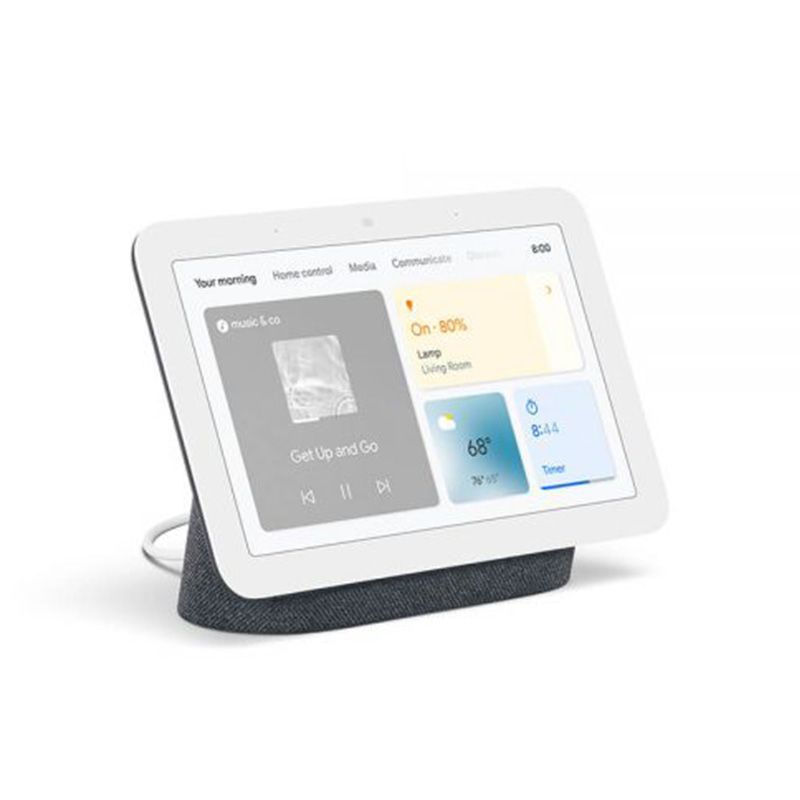
Google Home's biggest 2025 story is Gemini. Google's conversational AI is now deeply woven into the Google Home app and into Nest Hub Max devices, meaning you can ask genuinely complex questions — "Why did my bedroom light turn on at 3 AM last week?" — and get a useful answer by searching your automation history. The refreshed Google Home app (redesigned in late 2024) also makes creating automations significantly less painful than it used to be, with a visual flow builder that rivals Apple's Shortcuts.
Matter Interoperability
Google's Matter support is solid, though it still leans harder on Wi-Fi than Thread. In practice, this means slightly higher latency on some device types and a larger load on your router in a device-dense home. That said, the Nest Hub Max acts as a Thread border router, and in testing, Thread sensors paired and responded quickly. Google also does a better job of surfacing third-party device data — energy readings from our Eve Energy plug appeared correctly in the Google Home app, which Alexa fumbled.
Exclusive Features That Still Lock You In
- Gemini-powered routines: Describe an automation in conversational language and Google builds it. In our testing, this handled multi-condition routines better than Alexa's equivalent.
- Nest Camera ecosystem: The Nest Cam (wired, battery, or indoor) and Nest Doorbell integrate with facial recognition and package detection in ways that no third-party Matter camera can replicate through Google Home.
- Home & Away routines: Google's presence detection using Android device location is still more reliable than Alexa's equivalent, especially in households with multiple people.
- Google Workspace integration: Calendar-based automations ("when my last meeting ends, dim the office light") work natively. Genuinely useful for home-office setups.
The True Cost
A Nest Mini starts at around £30, but you'll want a Nest Hub or Nest Hub Max (£179–£229) to get the full display and Thread border router experience. A comprehensive Google Home setup comparable to our Alexa build runs £450–£750. Nest Aware subscriptions (from ~£5/month) are required for extended camera history and smart alerts.
Apple HomeKit: The Privacy-First Premium Option
What's New in 2025
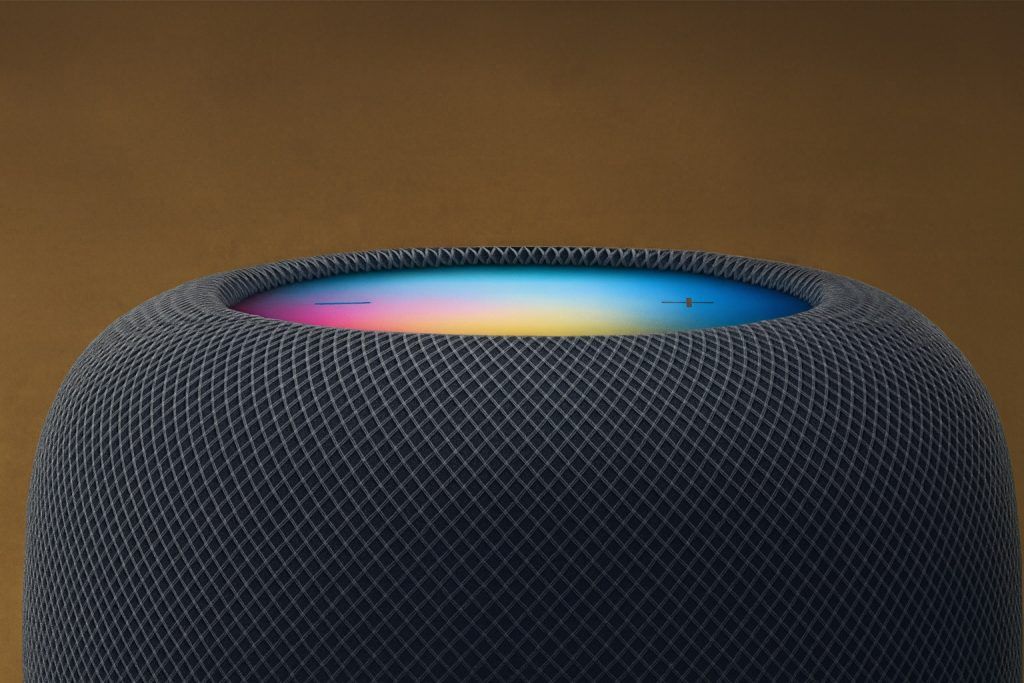
Apple released the third-generation HomePod in early 2025, bringing a slightly larger driver array, improved spatial audio, and — most importantly for smart home users — a more capable Thread border router and an updated S10 chip that handles local automations without needing to phone home to Apple's servers. iOS 18.3 also brought significant HomeKit improvements: a redesigned Home app with better room grouping, a new Adaptive Lighting scheduler, and expanded support for Matter sensor types including air quality and energy monitoring.
Matter Interoperability
HomeKit's Matter story is arguably the strongest of the three when it comes to Thread. Apple's HomePod (3rd Gen) and Apple TV 4K (3rd Gen) both serve as Thread border routers, and in testing, Thread-based sensors (Eve Motion, Eve Door & Window) responded with near-instantaneous latency — noticeably faster than the same sensors on Alexa or Google in our setup. The trade-off is the Apple tax on entry: you need at least one Apple device (iPhone, iPad, or Apple TV) to administer the system, and the HomePod is a premium purchase.
Exclusive Features That Still Lock You In
- Local processing: HomeKit automations run on-device on your HomePod or Apple TV, meaning they work even if your internet goes down. Alexa and Google both require cloud connectivity for most automation triggers.
- Privacy architecture: Apple never sees your device data or automation history. For renters or families sharing sensitive home data, this is a meaningful differentiator.
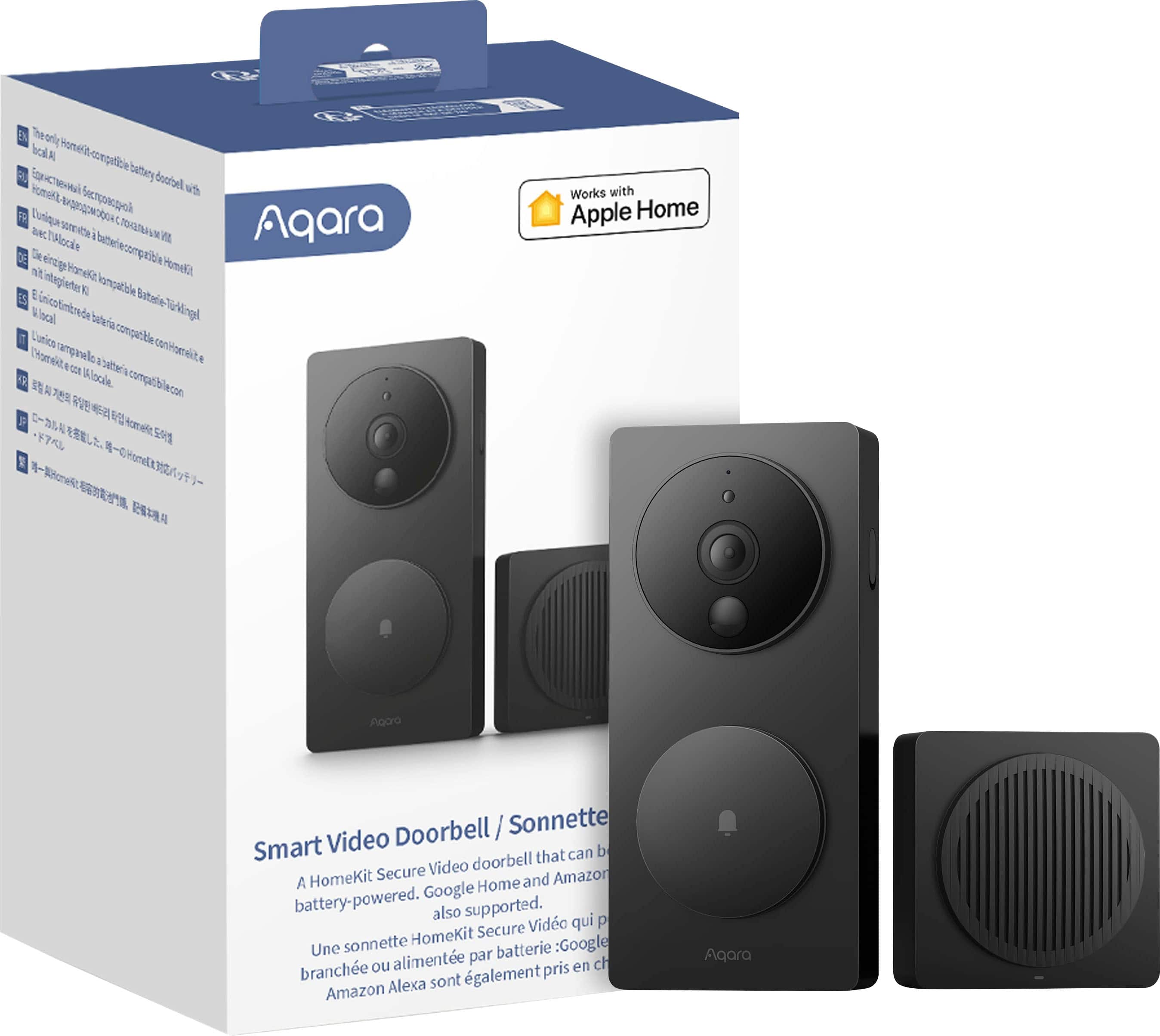
- HomeKit Secure Video: Camera footage is processed on-device, end-to-end encrypted, and stored in iCloud. Eufy, Logitech, and Aqara all make HomeKit Secure Video cameras. No comparable privacy-first camera solution exists natively on Alexa or Google.
- Siri with Apple Intelligence (iOS 18+): On-device language processing for smart home commands is faster and more private than cloud-routed voice commands.
The True Cost
This is where HomeKit stings. The HomePod 3rd Gen retails at around £329. An Apple TV 4K (which also works as a HomeKit hub) is a cheaper alternative at around £139. But the device ecosystem that carries the HomeKit label tends to cost 20–40% more than equivalent Matter or Alexa-only devices. A full HomeKit build comparable to our test setups ran us £600–£900. There's no HomeKit subscription fee, which softens the blow slightly over a multi-year ownership period.
The Matter Layer: What It Actually Changes (and What It Doesn't)
After living with all three ecosystems simultaneously using shared Matter devices, here's our honest take: Matter has solved the connection problem almost completely. A TP-Link Tapo P125M smart plug genuinely works across all three platforms at once. A Nanoleaf Essentials bulb pairs to Alexa, Google, and HomeKit without factory resets. This is real and it matters.
What Matter hasn't solved:
- Feature parity: Each platform only exposes the Matter features it chooses to implement. Energy monitoring, colour temperature cycling, and sensor history often work better in the device's native app than through any of the three platforms.
- Automation quality: The richness of automations — conditionals, time windows, presence triggers — still depends entirely on the platform, not the device.
- Camera standards: Matter for Cameras (Matter 1.3) is rolling out, but as of mid-2025, most camera integrations across platforms still rely on proprietary bridges or RTSP streams. Don't buy cameras assuming Matter will unify them yet.
- Multi-admin complexity: Sharing a device across Alexa and HomeKit simultaneously is technically possible but can create confusing states if both platforms try to run conflicting automations.
Head-to-Head: Real-World Scenarios
"Good Morning" Routine Complexity
We set up identical morning routines on all three: open the blinds, turn on the kitchen lights to 40%, start the kettle plug, and play the news. Google Home won this test — Gemini let us describe the routine verbally and built it accurately in one pass. Alexa took two attempts. HomeKit required manual Shortcuts building, which was the most powerful but least beginner-friendly.
Away Mode & Security
Alexa with Ring is the most cohesive security package if you're starting from scratch. The Ring Alarm system, Ring cameras, and Alexa Guard form a tight unit. Google's Nest Cam ecosystem is excellent but pricier. HomeKit Secure Video wins on privacy but requires compatible cameras (Aqara G4 or Eufy S350) which are premium purchases.
Internet Outage Resilience
HomeKit wins decisively. With a HomePod or Apple TV as a hub, automations, scenes, and direct device control all continued working during a simulated outage in our test. Alexa became mostly non-functional for automation triggers (basic on/off via app still worked over LAN for some devices). Google fell in between — some local-processing Nest devices worked, but complex routines failed.
Voice Command Natural Language
Google Home with Gemini leads, followed closely by the new LLM-backed Alexa, with Siri a meaningful step behind. Apple is improving Siri with Apple Intelligence features, but in our testing it still struggled more with device-specific commands than Google or Amazon.
Pros and Cons Summary
Amazon Alexa
- ✅ Widest device compatibility and cheapest entry point
- ✅ Best-in-class Ring security integration
- ✅ LLM-powered routines are genuinely useful
- ✅ Alexa Guard adds free passive security monitoring
- ❌ Cloud-dependent — unreliable if internet drops
- ❌ Energy data from third-party Matter devices surfaces inconsistently
- ❌ Ring Protect subscription needed for full value
Google Home
- ✅ Gemini integration makes it the smartest voice assistant in the home
- ✅ Best presence detection for multi-person households
- ✅ Surfaces third-party Matter device data better than competitors
- ✅ Calendar and Workspace integrations are unique
- ❌ Nest Aware subscription required for full camera value
- ❌ Thread support is improving but Wi-Fi-first architecture adds latency
- ❌ Google has discontinued smart home products before — long-term trust remains a question
Apple HomeKit
- ✅ Local processing means it works when the internet doesn't
- ✅ Best-in-class privacy — Apple never sees your data
- ✅ Fastest Thread device response times in testing
- ✅ No ongoing subscription fees
- ❌ Highest upfront cost — HomePod is a premium purchase
- ❌ Requires Apple devices to administer — Android users need not apply
- ❌ Siri still lags Google and Alexa on complex natural language commands
Which Ecosystem Should You Choose?
Choose Alexa if: You want the most device choice, the lowest entry cost, or you already own Ring security hardware. Also the best choice if you're building out a home with a mix of budget and mid-range devices.
Choose Google Home if: You're an Android household, you value AI-powered routines and presence detection, or you want the most capable voice assistant for natural language commands. The Gemini integration in 2025 genuinely sets it apart.
Choose Apple HomeKit if: You're already in the Apple ecosystem, privacy is a priority, or you want a system that keeps working when your broadband goes down. The premium cost is real, but so is the peace of mind.
The honest multi-platform answer: For most households, pick one primary ecosystem and use Matter devices throughout so you're never truly locked in. Your smart plugs, sensors, and bulbs can follow you to any platform. Your cameras and security system probably can't — choose those carefully.
Final Verdict
In 2025, there's no wrong answer among these three platforms — but there's definitely a right one for you. Matter has dramatically reduced the cost of switching or mixing platforms on the device layer, which is genuinely good news for consumers. But voice intelligence, automation depth, privacy architecture, and security integrations remain firmly ecosystem-specific, and those differences are meaningful in daily use.
If we had to pick one for a brand-new home with no existing investment: Google Home edges it thanks to Gemini's natural language capabilities and the best Matter device data handling. But Alexa is close behind for anyone who wants to spend less upfront, and HomeKit is the clear winner if you're all-in on Apple and care about privacy above all else.
Whichever you choose, buy Matter-certified devices wherever possible — that's the one decision that keeps all your options open.
Start building your smart home today: Check current prices on the Echo Hub, Nest Hub Max, and HomePod using the links above, and make sure any devices you add carry the Matter logo on the box.