As an Amazon Associate I earn from qualifying purchases. This page contains affiliate links, and I may earn a commission at no extra cost to you.
Who This Guide Is For
You want a smartwatch that actually does something useful — tracks your runs with accuracy, lasts more than a day, and doesn't feel like a toy on your wrist. You're not ready to spend premium money on a full Apple Watch Ultra 2 or Garmin Fenix 8, but you also don't want a cheap fitness band that falls apart after three months. This guide is for you: the practical buyer who wants the most smartwatch for a mid-range or budget spend.
We've put the Apple Watch SE (2nd-gen, 2024 refresh), the Garmin Epix Gen 2 (now widely available at discounted mid-range pricing), and a curated shortlist of Wear OS challengers — including the Google Pixel Watch 3 and Samsung Galaxy Watch 7 — through their paces across fitness tracking, battery life, day-to-day responsiveness, and overall value.
Quick Comparison Table
| Watch | OS / Ecosystem | Battery Life (approx.) | GPS | Price Band | Verdict | Buy |
|---|---|---|---|---|---|---|
| Apple Watch SE (2nd Gen) | watchOS / iPhone only | ~18 hrs | Yes (L1) | Budget–Mid | Best for iPhone users on a budget | Check on AmazonFree returns · No extra cost to you · Prices update daily |
| Garmin Epix Gen 2 | Garmin OS / cross-platform | Up to 16 days (smartwatch), ~42 hrs GPS | Multi-band | Mid (discounted from premium) | Best fitness tracking in this price bracket | Check on AmazonFree returns · No extra cost to you · Prices update daily |
| Google Pixel Watch 3 (41mm) | Wear OS 4 / Android best | ~24 hrs (with AOD off) | Yes (L1) | Mid | Sleek Android companion with solid health features | Check on AmazonFree returns · No extra cost to you · Prices update daily |
| Samsung Galaxy Watch 7 | Wear OS 5 / One UI Watch / Android | ~40 hrs (standard), up to 3 days power saving | Yes (L1+L5) | Mid | Best Wear OS option for Android users who want balance | Check on AmazonFree returns · No extra cost to you · Prices update daily |
Battery estimates are manufacturer figures under typical conditions. Real-world use will vary depending on GPS usage, heart-rate monitoring frequency, and notifications.
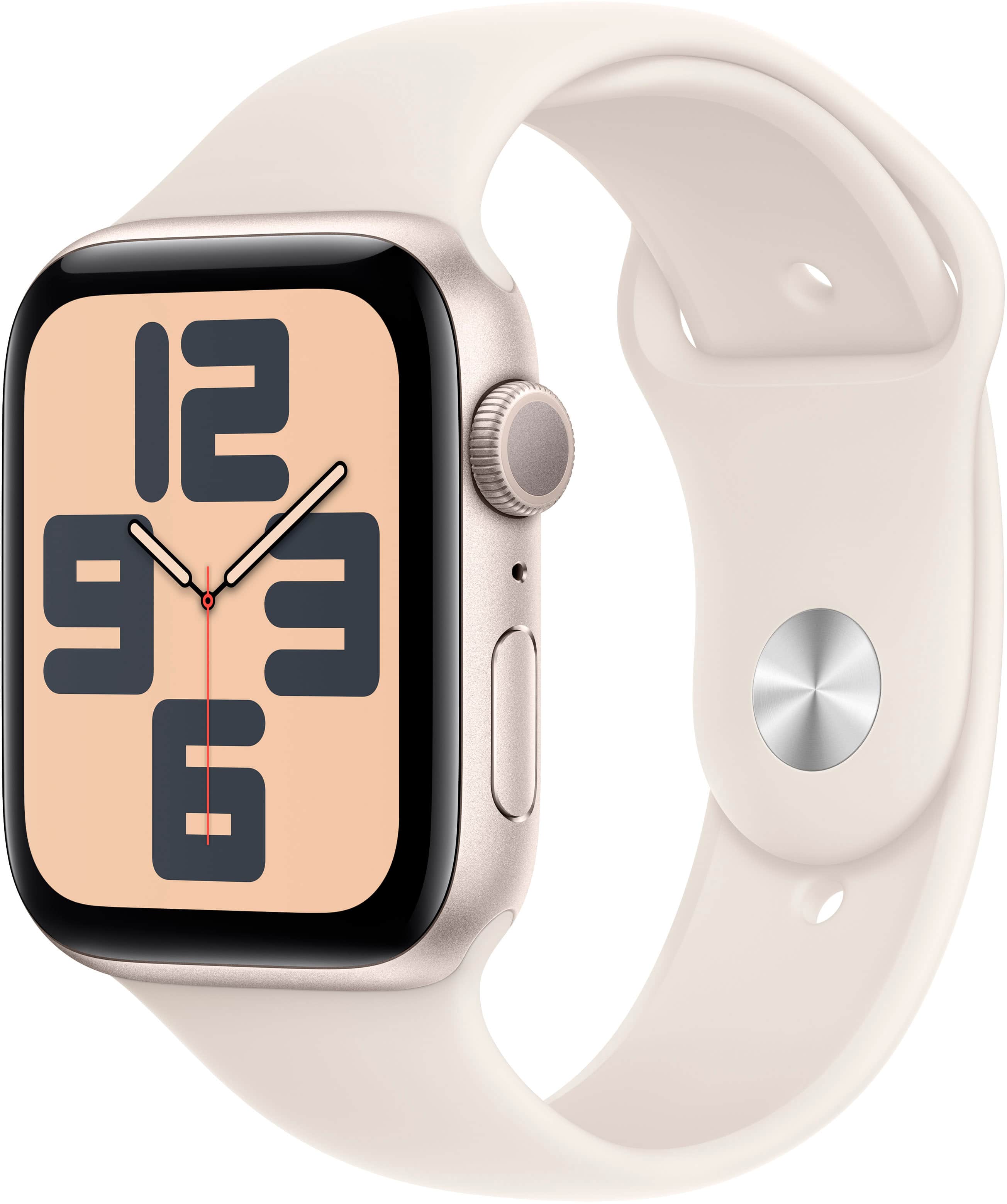
Apple Watch SE (2nd Gen) — The iPhone Owner's Default
Design and Build
The SE carries over the clean, rounded rectangular case design Apple has refined for years. The aluminium case is light and comfortable for all-day wear, and the display — while not the always-on OLED of the Series 10 — is bright, responsive, and easy to read in sunlight. Band compatibility is universal across all Apple Watch bands, which is a genuinely useful perk if you already own one.
Key Features
- Crash Detection and Fall Detection (genuinely useful safety features)
- Heart rate, high/low heart rate alerts
- Sleep tracking with sleep stages
- Built-in GPS for outdoor workouts without your phone
- watchOS app ecosystem — by far the richest smartwatch app library
- Water resistant to 50m
Fitness Accuracy
GPS lock is quick and route tracking is reliable for runners and cyclists in open environments. Heart rate accuracy during steady cardio is solid — not at Garmin's level for high-intensity intervals, but more than adequate for most people. The SE lacks the ECG sensor found on the Series 10, which is a meaningful omission for health-focused buyers.
Battery Life
This is where the Apple Watch SE feels dated compared to the competition. Expect around 18 hours of typical use, which means nightly charging is non-negotiable. If you want sleep tracking every night, you'll need to be disciplined about when you charge. The SE does charge quickly via the magnetic puck, which softens the blow a little.
Responsiveness and Software
watchOS remains the most polished smartwatch experience available. Siri integration, notifications, and third-party apps all work smoothly. The S8 chip inside keeps things snappy. The catch: it's completely locked to iPhone. Android users need not apply.
Value
The SE typically sits in the budget to lower-mid-range price bracket — often the most affordable entry into the Apple Watch ecosystem. If you're an iPhone user who wants Apple integration without paying full price for the Series 10, it's excellent value. If you're on Android, it's simply not an option.
Pros and Cons
- ✅ Best-in-class app ecosystem
- ✅ Excellent iPhone and iOS integration
- ✅ Reliable GPS and heart rate for everyday fitness
- ✅ Safety features like Crash Detection
- ❌ ~18-hour battery life — nightly charging required
- ❌ No always-on display
- ❌ iPhone only
- ❌ No ECG or blood oxygen sensor (these are on Series 10)
Best for: iPhone users who want a trustworthy smartwatch without splashing out on a Series 10.
Garmin Epix Gen 2 — The Fitness Beast That's Dropped in Price
Design and Build
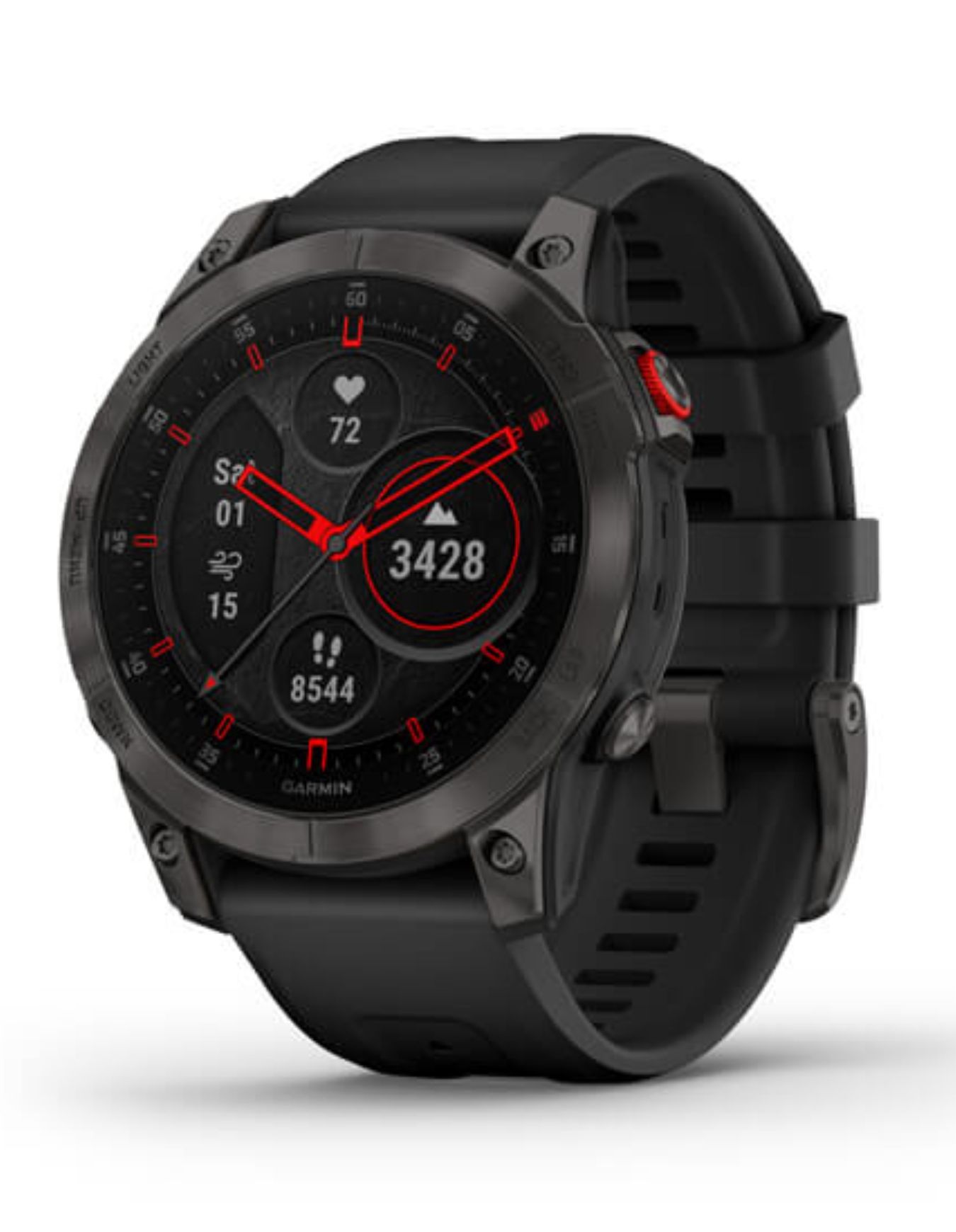
The Epix Gen 2 is chunkier and more tool-like than anything Apple makes — and that's the point. It has a gorgeous AMOLED display (the first Garmin to do so), a titanium or stainless steel bezel depending on the variant, and a silicone/QuickFit band system. It looks athletic rather than fashionable. If you want something that disappears under a shirt sleeve, it's not ideal. If you want something that signals serious training, it delivers.
Key Features
- Multi-band GPS (L1+L5) for exceptional location accuracy in cities and forests
- Advanced running dynamics, VO2 Max, training load, recovery time
- Garmin Body Battery energy monitoring
- Pulse Ox and respiration rate
- Detailed sleep tracking with HRV status
- Topographic maps built in
- Up to 16 days battery in smartwatch mode, ~42 hours with GPS
- Works with both iPhone and Android
Fitness Accuracy
This is where the Garmin Epix Gen 2 is genuinely best-in-class. Its multi-band GPS is among the most accurate available in any wearable — dramatically better than L1-only competitors in urban canyons or under tree cover. Heart rate tracking is reliable across all intensities, and the training metrics (VO2 Max, Training Readiness, Body Battery) are sophisticated enough to meaningfully inform your training decisions rather than just flattering you with numbers.
Battery Life
Up to 16 days in smartwatch mode. Even with GPS tracking a long run or hike every day, you're likely looking at 4–7 days between charges. This is transformational compared to the Apple Watch or Pixel Watch — you can sleep with it on every night without worrying about top-ups.
Responsiveness and Software
Garmin's OS is functional but clearly built by engineers rather than designers. Navigating menus and finding settings takes some learning. Notifications work, but the app ecosystem is sparse compared to Wear OS or watchOS. The Garmin Connect app is excellent for data analysis, though. Think of it as a serious sports computer that also handles notifications, rather than a smartphone extension that also tracks steps.
Value
The Epix Gen 2 launched at premium pricing, but it has since dropped significantly — it's now regularly available in a mid-range price bracket, frequently under the £300/$350 mark depending on retailer and variant. That makes it astonishing value for what it delivers. Always verify current pricing, as deals shift.
Pros and Cons
- ✅ Best fitness and GPS accuracy in this comparison
- ✅ Multi-day battery life (16 days smartwatch, 42+ hrs GPS)
- ✅ Works with both iPhone and Android
- ✅ Built-in topographic maps
- ✅ Stunning AMOLED display
- ❌ Bulky — not ideal as a dress watch
- ❌ Garmin's OS is functional but not slick
- ❌ App ecosystem is very limited compared to Apple/Google
- ❌ Overkill for casual users who just want step counts
Best for: Runners, cyclists, hikers, and anyone who trains seriously and needs data they can trust.
Google Pixel Watch 3 — The Slick Android Companion
Design and Build
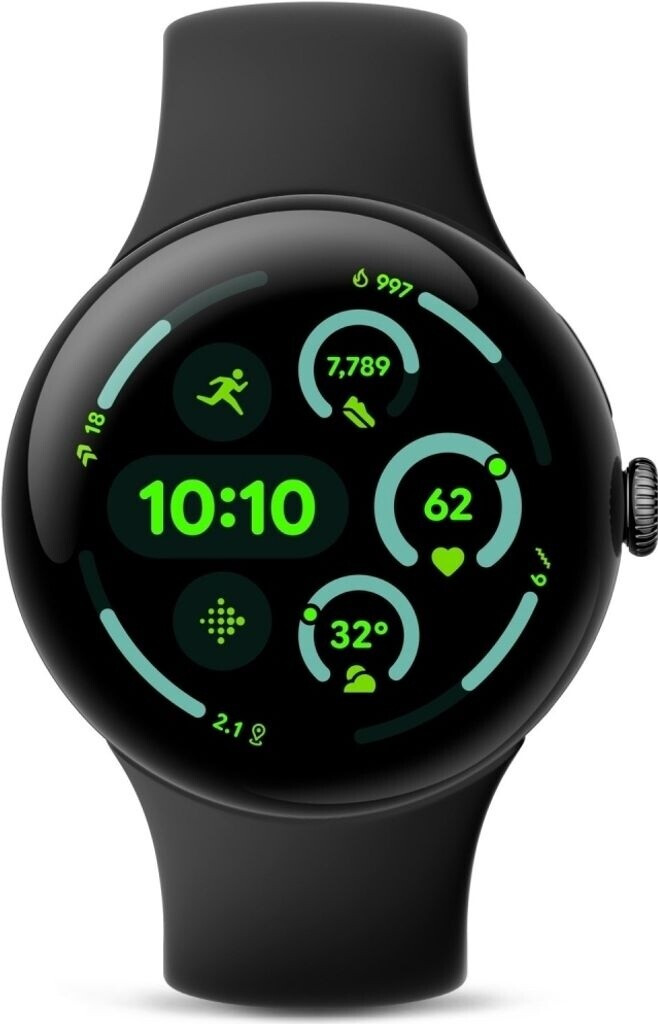
The Pixel Watch 3 is arguably the most elegant-looking smartwatch in this roundup. Its circular case, recessed display, and premium materials give it a more jewellery-like feel than the Garmin's sporty bulk or Apple's rectangular design. It comes in 41mm and 45mm sizes, with the 41mm fitting smaller wrists especially well. The proprietary band system is a mild frustration — you can't use generic watch bands.
Key Features
- Wear OS 4 with deep Google integration (Maps, Assistant, Wallet)
- Fitbit-derived health suite: cardio load, daily readiness score, heart rate zones
- ECG and irregular heart rhythm notifications
- Emergency SOS with location sharing
- Always-on display option
- Works only with Android (for full feature set)
Fitness Accuracy
Google has invested heavily in the health sensors since acquiring Fitbit. The Pixel Watch 3 delivers reliable heart rate tracking and increasingly competitive GPS accuracy. The Cardio Load and Daily Readiness features are genuinely useful for everyday athletes — less sophisticated than Garmin, but more accessible and better presented.
Battery Life
Battery life remains the Pixel Watch 3's weakest point. With the always-on display active, expect closer to 18 hours. With AOD off and light GPS use, you might stretch to 24–26 hours. It charges quickly (80% in about 57 minutes), but you're back to daily charging. For most Android users who already charge their phone nightly, this isn't a dealbreaker — but it's worth knowing.
Value
The Pixel Watch 3 (41mm) sits firmly in the mid-range bracket. It's competitive, especially when Google runs promotional deals. The 45mm version costs a bit more and adds marginally better battery.
Pros and Cons
- ✅ Most beautiful design in the roundup
- ✅ Excellent Wear OS and Google services integration
- ✅ ECG, readiness scores, solid health suite
- ✅ Fast charging
- ❌ Daily charging required
- ❌ Android only for full feature set
- ❌ Proprietary band system
Best for: Android users who value design and Google ecosystem integration over multi-day battery.
Samsung Galaxy Watch 7 — The Balanced All-Rounder
Design and Build
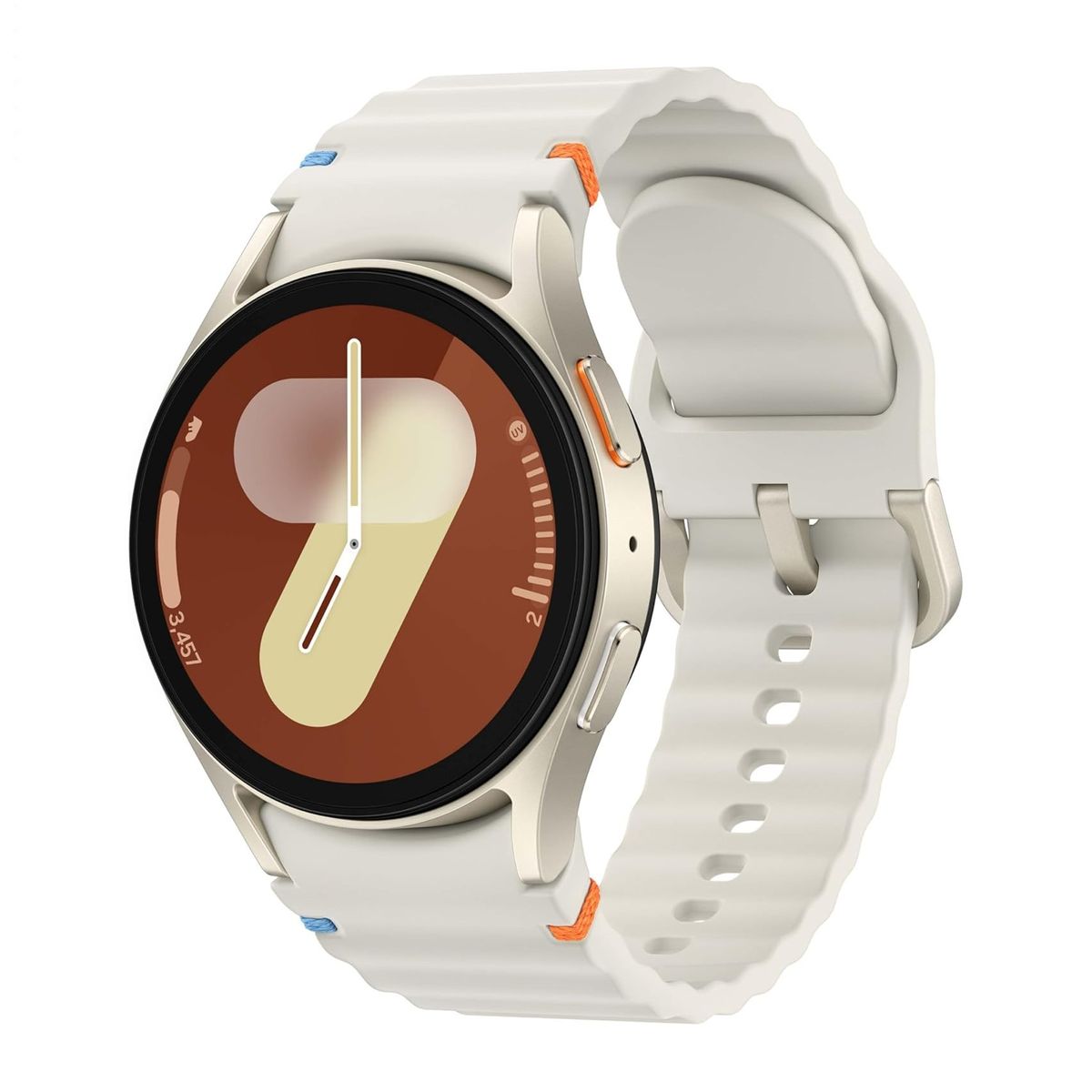
The Galaxy Watch 7 keeps the circular case design that Samsung users love, with a cleaner, flatter profile than its predecessors. It's slim enough to wear comfortably under a cuff, and the 40mm and 44mm sizes suit a wide range of wrists. Band compatibility has improved — it now uses a standard 20mm or 22mm lug system on some versions, which means you're not locked into Samsung-branded bands.
Key Features
- Wear OS 5 with Samsung's One UI Watch 7
- Advanced sleep apnea detection (a genuinely useful medical-grade feature)
- BioActive Sensor: heart rate, ECG, body composition
- Multi-band GPS (L1+L5) — unusual at this price
- Energy Score (Samsung's readiness metric)
- Works best with Samsung phones, but compatible with most Android devices
Fitness Accuracy
The Galaxy Watch 7 punches above its weight here. The multi-band GPS delivers accuracy you'd expect from a more expensive device, and the BioActive sensor is among the most comprehensive available in this price bracket. Body composition measurement (bioelectrical impedance) is a differentiating feature, though treat those numbers as a trend rather than clinical precision.
Battery Life
Samsung claims around 40 hours of typical use — meaningfully better than Apple and Pixel alternatives. In real-world use with moderate GPS and always-on display, expect 30–36 hours comfortably. A power-saving mode can stretch this further. It's not Garmin territory, but it's a genuine improvement over competitors at this price.
Value
The Galaxy Watch 7 frequently hits mid-range pricing, and Samsung's regular trade-in and bundle deals can make it even more accessible. It's arguably the most feature-complete smartwatch at this price point for Android users.
Pros and Cons
- ✅ Multi-band GPS at mid-range pricing
- ✅ Best battery life among Wear OS options in this roundup
- ✅ Sleep apnea detection is a rare and valuable health feature
- ✅ Body composition sensor adds depth to health tracking
- ❌ Best experienced with a Samsung phone
- ❌ One UI Watch can feel bloated compared to stock Wear OS
- ❌ Not compatible with iPhone
Best for: Android users who want the widest range of health features without spending premium money.
Head-to-Head: Which Wins on Each Metric?
| Category | Winner | Runner-Up |
|---|---|---|
| Fitness Accuracy | Garmin Epix Gen 2 | Samsung Galaxy Watch 7 |
| Battery Life | Garmin Epix Gen 2 (by a mile) | Samsung Galaxy Watch 7 |
| Ecosystem / App Store | Apple Watch SE (watchOS) | Pixel Watch 3 / Galaxy Watch 7 (Wear OS) |
| Design | Google Pixel Watch 3 | Apple Watch SE |
| Response / Smartwatch UX | Apple Watch SE | Google Pixel Watch 3 |
| Value for Fitness Enthusiasts | Garmin Epix Gen 2 | Samsung Galaxy Watch 7 |
| Value for Casual Users | Apple Watch SE (iPhone) / Galaxy Watch 7 (Android) | Pixel Watch 3 |
Alternatives to Consider
Budget Pick: Amazfit Balance 2
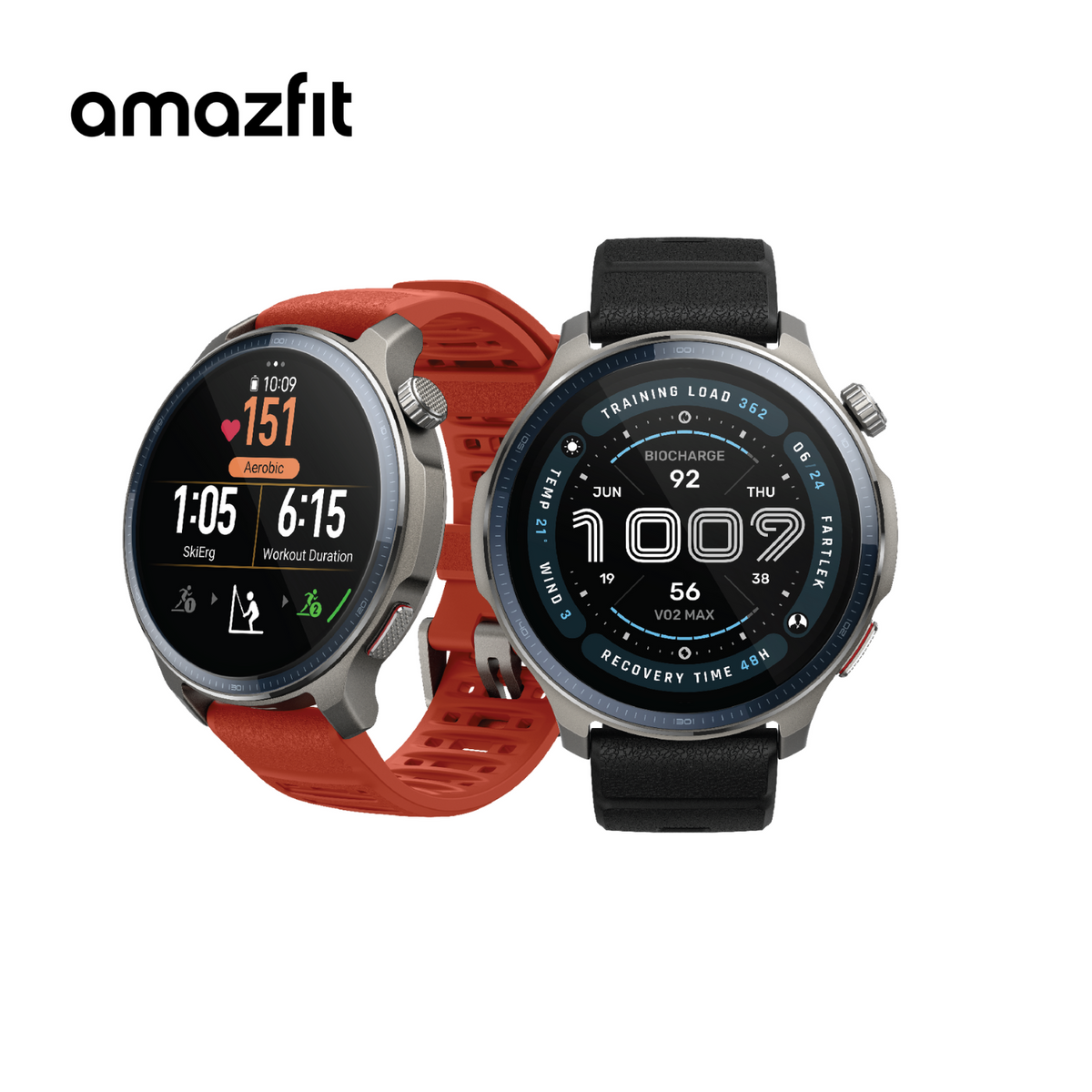
If you want basic smartwatch features, decent health tracking, and genuinely impressive battery life at a budget price, the Amazfit Balance 2 is worth a serious look. It lacks the polish of any of the above, and the Zepp Health ecosystem is not in the same league as Garmin Connect or watchOS, but for step counting, sleep tracking, and workout logging at minimal cost, it overdelivers. Confirm current availability and specs before buying as the Amazfit lineup updates frequently.
Premium Upgrade: Garmin Fenix 8
If budget isn't the binding constraint and you train seriously, the Garmin Fenix 8 adds built-in LED torch, upgraded sensors, solar charging on select variants, and an even more refined training ecosystem over the Epix Gen 2. It sits at premium pricing, but for athletes who put maximum demands on a wearable, it's the benchmark.
Check today's price for Garmin Fenix 8 on Amazon →Free returns · No extra cost to you · Prices update daily
Our Recommendation: Which Should You Buy?
- iPhone user, casual use: Apple Watch SE 2nd Gen — it's the most integrated, most polished, and the SE price makes it easy to recommend.
- Android user, everyday wear: Samsung Galaxy Watch 7 — the best balance of health features, battery life, and value on Android.
- Serious athlete, any phone: Garmin Epix Gen 2 — nothing else in this price bracket comes close for training accuracy and battery stamina.
- Android user who prioritises style: Google Pixel Watch 3 — the most refined Wear OS experience in the prettiest package.
- Tight budget, any phone: Amazfit Balance 2 — a respectable entry point that punches well above its price.
Final Verdict
There's genuinely no single answer here — the best budget smartwatch depends entirely on your phone, your priorities, and how seriously you train. But if we had to pick one that offers the most smartwatch for the money across the broadest range of users, the Garmin Epix Gen 2 earns the nod. Its fitness accuracy, extraordinary battery life, and cross-platform compatibility make it the most complete package once you accept its more utilitarian software experience. For iPhone users who just want a watch that works beautifully with their phone, the Apple Watch SE remains hard to beat at its price point. And for Android users who want the best of Wear OS, the Samsung Galaxy Watch 7 is our pick.
Whatever your choice, verify current pricing — deals shift constantly, and all four watches regularly see meaningful discounts that can change the value equation significantly.
👉 Shop the Garmin Epix Gen 2 on Amazon and see today's price →Free returns · No extra cost to you · Prices update daily