As an Amazon Associate I earn from qualifying purchases. This page contains affiliate links, and I may earn a commission at no extra cost to you.
The Kerbside Reality: Why EV Charging Cables Get Targeted
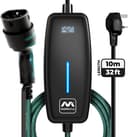
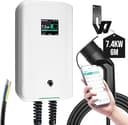
Leaving an electric car plugged in overnight on a residential street or in an unmonitored apartment bay exposes a piece of copper-heavy equipment worth anywhere from £130 to £300. While many European Type 2 vehicles lock the plug into the vehicle port electronically, public charging pedestals and older J1772/Type 1 connectors do not always hold both ends firmly. Even on modern cars, a glitching solenoid or a forced tug can release the connector, making opportunistic theft a genuine annoyance.
You do not need an industrial-grade £150 motorcycle chain to prevent opportunistic cable theft. Opportunistic thieves carry bolt croppers or look for completely unsecured cords they can yank in seconds. A physical deterrent—either a compact padlock through a locking latch hole or a heavy vinyl-sheathed cable wrapped through your alloy wheel—changes the calculation instantly. Below, we break down three distinct locking solutions under the £30 mark, assessing how their dimensions, weatherproofing, and mechanisms handle real-world public charging duties.
Top EV Cable Locks Under £30 Compared
| Product | Lock Type | Key Spec | Best Security Role | Price Band | Action |
|---|---|---|---|---|---|
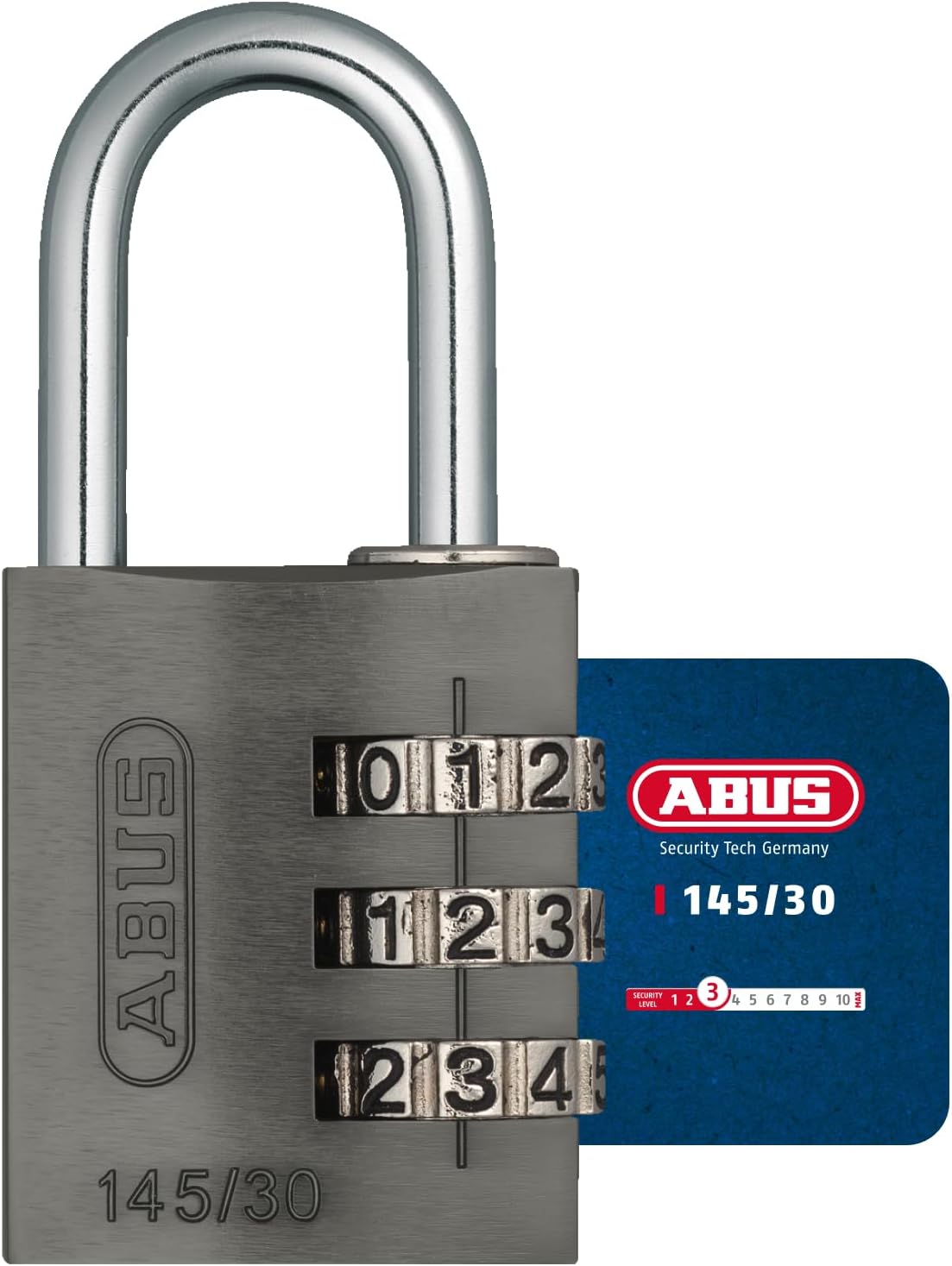
| Abus 145/30 Combination Padlock | 3-digit combination padlock | 5 mm shackle, 55 g weight | J1772 trigger collar & latch holes | Budget (Under £15) | Check price on Amazon |
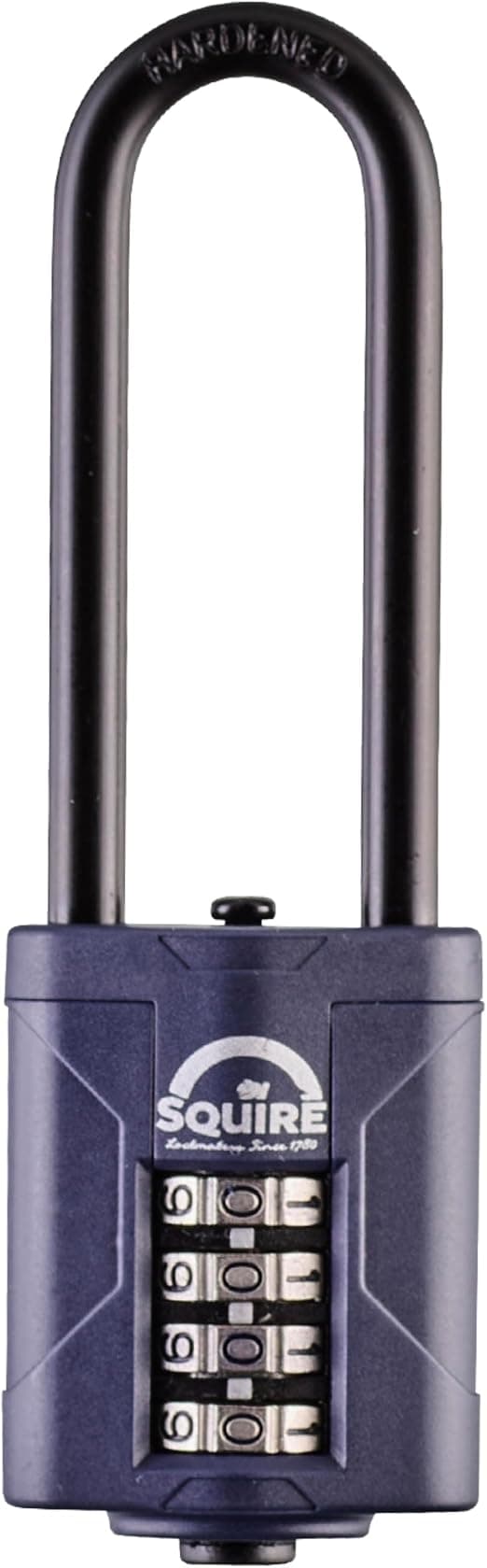
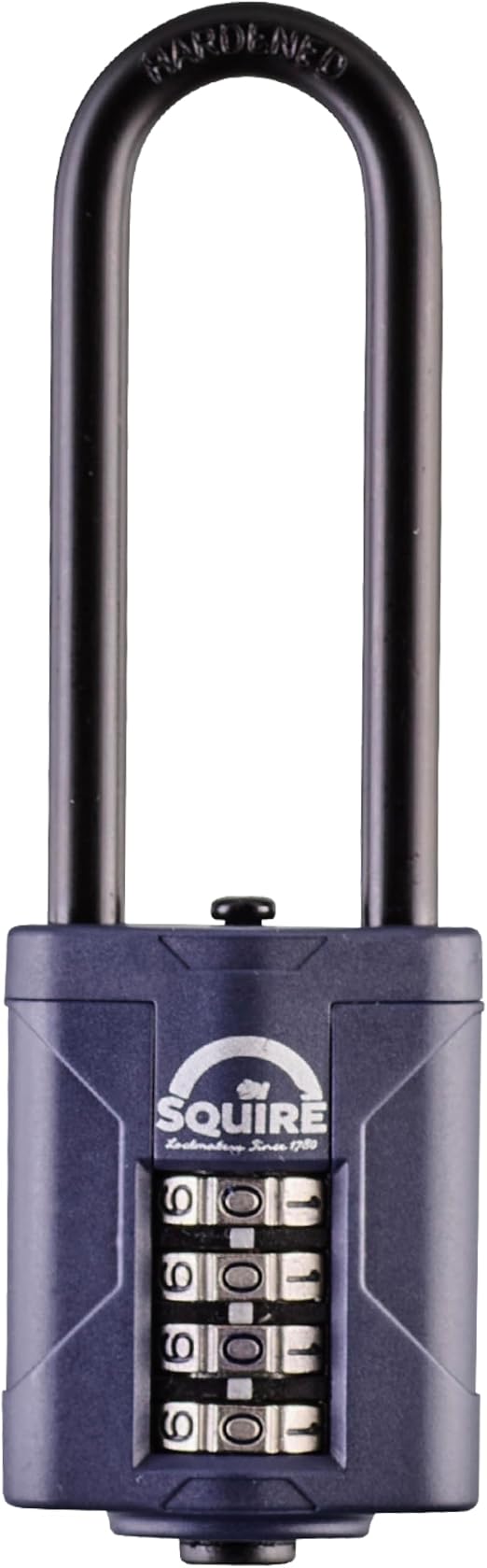
| Squire CP40 Combination Padlock | 4-digit combination padlock | 10,000 codes, alloy steel body | Heavy-duty latch locking & bollard tethers | Mid-Range (Under £25) | Check price on Amazon |
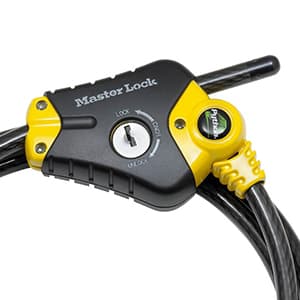
| Master Lock 8418EURD Python Adjustable Cable Lock | Keyed adjustable cable | 1.8 m x 8 mm braided steel | Alloy wheel anchoring & post tethering | Mid-Range (Under £30) | Check price on Amazon |
1. Abus 145/30 Combination Padlock – Best for Handle Latches & Trigger Collars
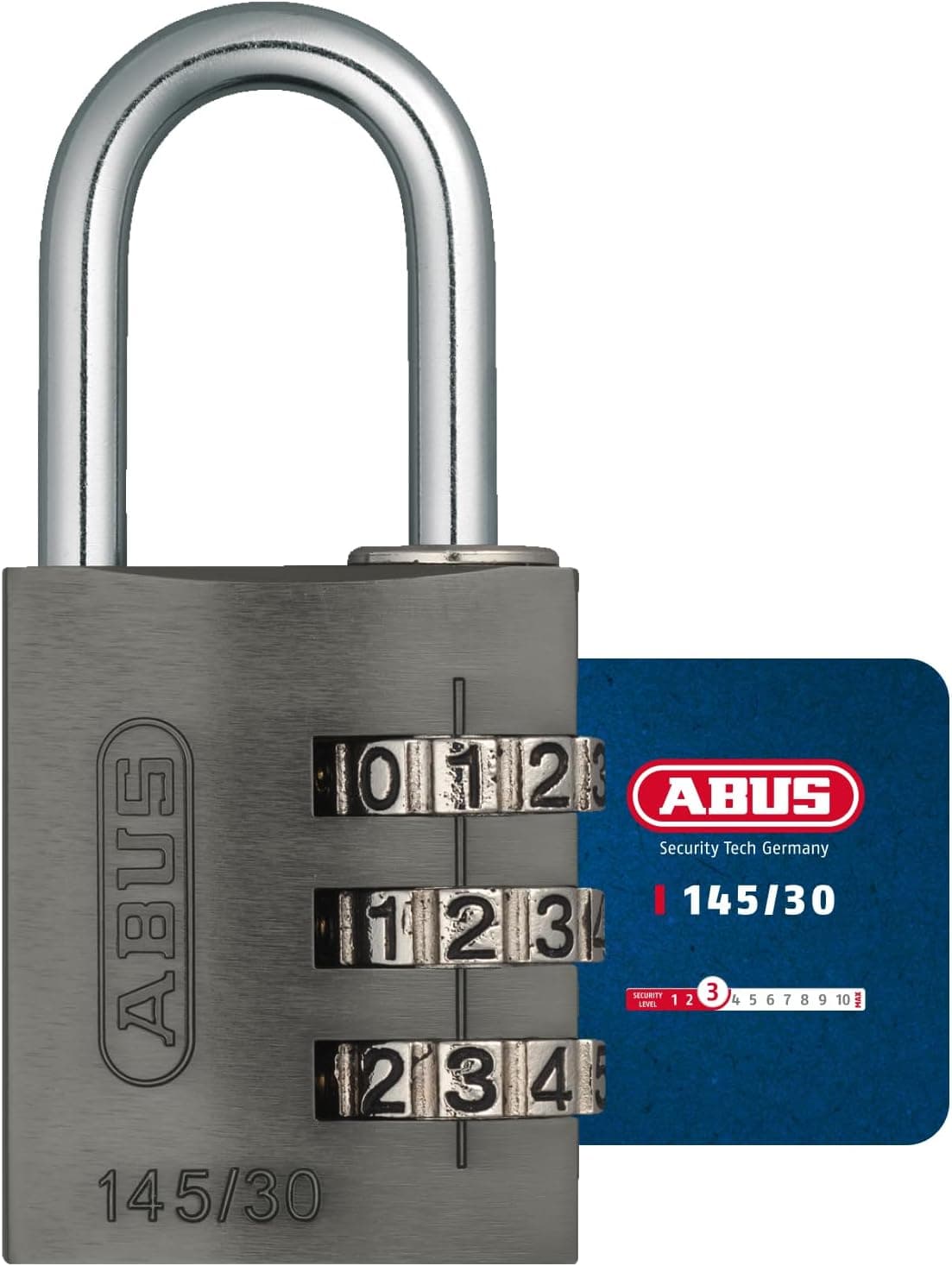
If your portable charger or Type 1/J1772 adapter features a small pre-drilled hole through the trigger mechanism, the Abus 145/30 Combination Padlock is engineered precisely for that tight clearance. Standard domestic padlocks frequently have 6 mm or 8 mm shackles that simply will not fit through the narrow 5 mm aperture of charging gun latches. Abus builds this model with a clean 5 mm shackle diameter, a 25 mm clear shackle height, and a 14 mm clear shackle width, allowing it to slide straight through standard handle holes without wedging or scratching the plastic casing.
Weighing just 55 grams with an anodised aluminium body, it adds virtually no drag or downward tension to your vehicle's charge port pins. That matters: heavy steel padlocks hanging off an angled charging plug can exert unwanted leverage on delicate internal pins during overnight wind gusts. The 3-digit resettable combination means you never have to fumble for tiny keys in the dark on a rainy pavement. Rated at Abus Security Level 3, it is not designed to resist an angle grinder attack, but it completely eliminates anyone walking past and flicking the release trigger to yank your lead.
Abus 145/30 Key Details
- Shackle Dimensions: 5 mm diameter, 25 mm internal height, 14 mm internal clearance.
- Lock Body: Solid anodised aluminium with corrosion-resistant coating.
- Mechanism: 3-digit customisable combination with spring-loaded wheel indexing.
- Weight: 55 g.
2. Squire CP40 Combination Padlock – Best Heavy-Duty Kerbside Deterrent
For drivers charging outdoors in harsh coastal or winter conditions who want more physical presence than a lightweight aluminium lock, the Squire CP40 Combination Padlock offers a noticeable step up in brute strength. Built with an alloy steel body and a zinc die-cast finish, this lock underwent over 180 hours of continuous salt spray testing to verify its anti-corrosive credentials. If you regularly charge near salted winter roads or wet pavements, road spray will destroy cheap zinc cylinders; the CP40 is specifically constructed to resist that grime.
Squire upgraded the locking mechanism to a 4-wheel system offering 10,000 possible codes, making manipulation significantly harder than entry-level 3-digit tumblers. The body features a dual-compound soft cover that prevents the lock from banging against painted body panels or alloy wheels if it dangles near the vehicle. While its thicker shackle requires checking your specific cable latch clearance beforehand, it is ideal for locking cable eyelets, security bags, or locking collars securely to kerbside bollards.
Squire CP40 Key Details
- Locking Mechanism: 4-digit re-codable combination with push-button release.
- Weather Rating: Tested beyond 180 hours in salt spray chambers.
- Body Construction: Heavy alloy steel with a protective dual-compound grip.
- Warranty: Supported by Squire's 10-year manufacturer backing.
3. Master Lock 8418EURD Python – Best for Alloy Wheel & Bollard Anchoring
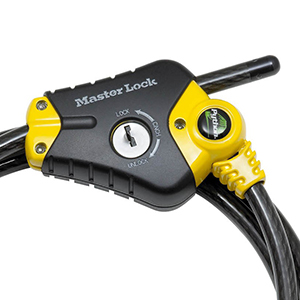
Padlocks on the plug handle solve release-trigger tampering, but they do not stop someone cutting a cable or unbolting a portable EVSE wall bracket. The Master Lock 8418EURD Python Adjustable Cable Lock takes a completely different, highly effective approach: physical tethering. Featuring a 1.8-metre length of 8 mm braided steel cable, the Python allows you to loop your charging cable through your car's alloy wheel spokes or around a street post, cinch it tight, and lock it firmly in place.
The standout design feature is the patented cinch mechanism. Unlike standard fixed-length cable loops that leave loose slack dangling on the ground, the Python cable feeds through the locking head and pulls tight to any custom length between 30 cm and 1.8 metres. The thick vinyl outer coating prevents the steel braid from scratching diamond-cut alloy wheels or chafing the high-voltage outer insulation of your EV cable. Four keys are included, and the pin-tumbler cylinder provides solid pick resistance against opportunistic street thieves.
Master Lock 8418EURD Key Details
- Cable Specs: 1.8 m length, 8 mm outer diameter braided flexible steel.
- Protective Coating: Weather-resistant vinyl sleeve preventing paint and wheel scrapes.
- Lock Head: Integrated pin-tumbler cylinder with cinch-tight adjustable feed.
- Keys: Supplied with 4 keys and an integrated hook-and-loop tidy strap.
How to Secure EV Cables Based on Charger Type
Understanding which security method matches your charging hardware prevents buying an incompatible lock:
- Type 2 to Type 2 Cables (Standard UK/European Public Kerbside): The car and the post lock the ends automatically via internal pins. However, if your car's port lock disengages upon full charge, wrap the Master Lock 8418EURD around the cable and loop it tightly through the spokes of your front alloy wheel. Even if the car unlocks the socket, the cable cannot be removed from the vehicle.
- Portable 3-Pin / Commando EVSEs (Granny Chargers): The central control brick is a prime theft target. Place the brick inside the car boot, run the thin lead out over the boot rubber seal, and close the hatch onto the first latch click, or lock the cable directly to your wheel spoke using the Master Lock Python.
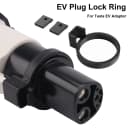
- J1772 / Type 1 Plugs with Top Trigger Latches: Slide the slender 5 mm shackle of the Abus 145/30 directly through the hole behind the trigger button. When locked, the button cannot be pressed downward to disengage the plug from the car.
Buyer's Guide: What to Look For Under £30
When selecting a lock for kerbside EV duty, prioritize these mechanical factors:
1. Shackle Thickness and Clearances
Never buy an 8 mm or 10 mm standard padlock if your goal is securing a charging gun latch. The majority of pre-drilled holes on EV handles and adapters measure precisely between 5 mm and 6 mm. The Abus 145/30's 5 mm shackle is purpose-fit for this role. If locking through alloy wheels or heavy loops, a thicker cable like the 8 mm Master Lock Python provides superior cut resistance.
2. Corrosion Resistance
Kerbside charging exposes locks to horizontal rain, road grime, and winter grit. Brass and anodised aluminium handle wet climates better than non-plated cast iron. Ensure any combination lock you choose has sealed or spring-assisted tumblers that will not seize after two weeks of road salt exposure.
3. Combination vs. Keyed Locks
Keyless locks eliminate the risk of forgetting a small brass key inside your home when you need to disconnect in the dark at 6:30 AM. However, 4-digit models like the Squire CP40 offer 10,000 combinations compared to the 1,000 combinations of 3-digit dials, significantly reducing brute-force decoding risks if your car is parked in high-footfall urban spots.
Alternatives to Consider
If you prefer an all-in-one cable-and-wheel solution rather than a mini trigger lock, the Master Lock 8418EURD remains our primary recommendation for full-length wheel tethering. For buyers who only need a straightforward trigger lock with maximum weather durability and four digits of security, upgrading from an entry-level lock to the Squire CP40 is well worth the extra few pounds.
Final Recommendation
For direct handle locking on public plugs and adapters, the Abus 145/30 Combination Padlock is the most practical purchase. Its 5 mm shackle fits where bulkier locks fail, it weighs almost nothing, and its anodised aluminium construction will not corrode in wet weather. If you want to anchor your cable directly to your vehicle's alloy wheels on open public streets, pair it with the Master Lock 8418EURD for absolute peace of mind without spending more than £30.