As an Amazon Associate I earn from qualifying purchases. This page contains affiliate links, and I may earn a commission at no extra cost to you.
The Public EV Charging Security Dilemma
Returning to your electric vehicle after a few hours only to find your charging session was cut short thirty minutes in is infuriating. Even worse is discovering that your expensive portable charging cable or NACS-to-J1772 adapter has been unhooked and taken by an opportunist thief. Public charging stations rarely come with active security staff, and while vehicle charge ports lock the connector pinned into the car, secondary connections—like release latches on adapters or portable charger handles—remain vulnerable.
EV owners and gift shoppers usually look at two distinct physical anti-theft solutions: handle-blocking lock rings and flexible locking cables. A lock ring targets the quick-release mechanical thumb latch found on J1772 charging plugs, while flexible cable locks physically anchor the charging cable to the vehicle's wheel spokes or a mounting post. Understanding how these mechanical barriers operate in real-world scenarios is crucial before deciding which device offers genuine peace of mind.
Understanding J1772 Latch Locks vs Cable Securing Systems
The standard J1772 connector relies on a spring-loaded mechanical latch. Pressing the top lever depresses a small hook, breaking the mechanical interlock and signaling the station to cut power immediately. When using an adapter (such as converting a Tesla destination charger to a standard J1772 inlet), the adapter locks into the car port, but the charger's handle snaps into the adapter's latch lever. Anyone walking past can press that lever, unhook the charger, and walk off with your adapter.
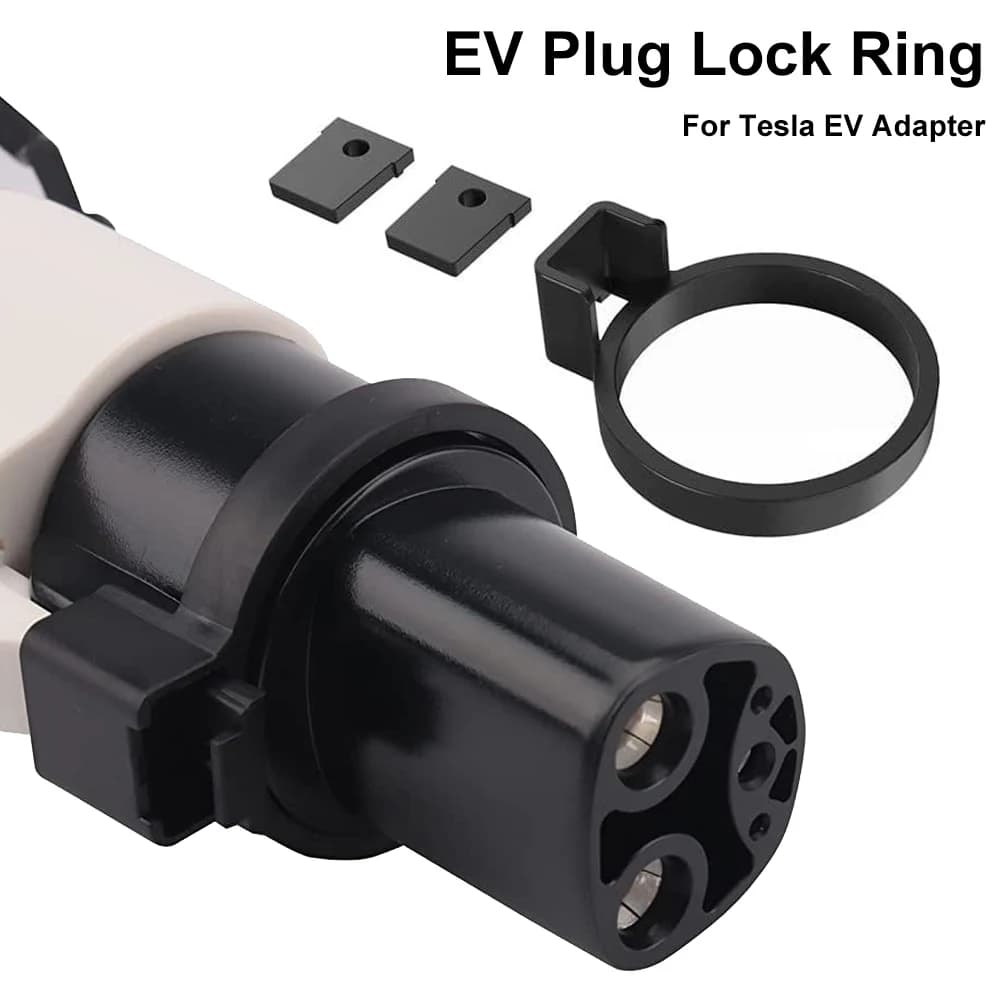
Lock rings slip directly over the joint between the adapter and the charging handle, physically blocking the thumb lever from depressing. Because the car locks the adapter shaft into the charge port electrically while charging, blocking the release latch turns the whole assembly into a single immovable unit until you unlock the vehicle from inside or via the smartphone app.
By contrast, flexible locking cables address a broader threat: securing loose, multi-meter 32A charging cables or portable chargers at hotel parking spots, driveways, or unmonitored curbside posts. Passing the cable through an alloy wheel spoke or around a station pillar prevents someone from taking off with a £150–£300 cable assembly even if they manage to disconnect the plug end.
Top EV Security Products Compared
1. EVSE Security J1772 Charger Lock Ring
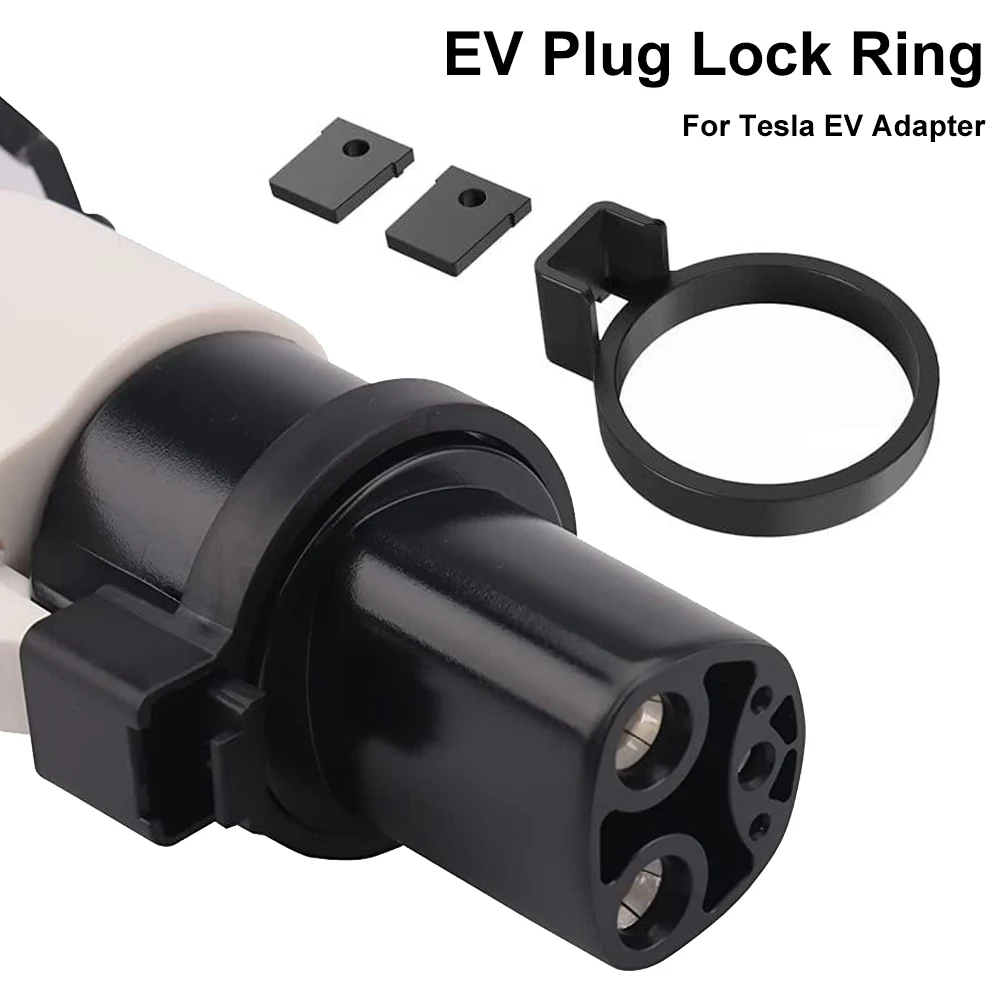
For drivers who frequently use public J1772 plugs or NACS-to-J1772 adapters, the EVSE Security J1772 Charger Lock Ring addresses the primary point of vulnerability. Constructed from high-strength ABS plastic, this ring slides over the J1772 adapter handle prior to insertion.
The physical mechanism is brilliantly straightforward: when installed, the inner collar occupies the void beneath the latch's mechanical thumb button. Because the lever cannot pivot downwards, the latching hook cannot clear the locking notch on the adapter. To remove the cable, you must first unlock the vehicle's charge port electronically, remove the adapter unit entirely, and then slide the collar off.
Based on published specs and product feedback, this adapter hardware features an IP67 protection rating, meaning heavy rain or grit won't degrade the rigid plastic shell. It supports standard 32A 7kW charging setups up to 250V AC, operating smoothly between -20°C and 50°C. Weighing under 100 grams, it slips into a glovebox or door pocket effortlessly.
2. Master Lock 8418EURD Python Adjustable Locking Cable
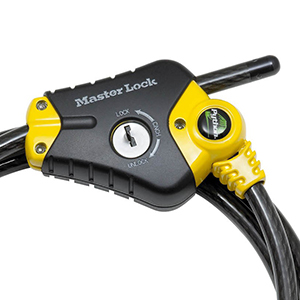
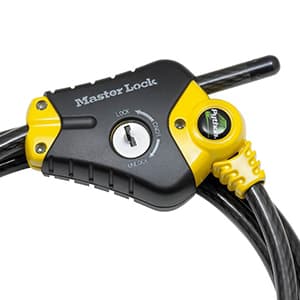
When you need to physically tether a heavy portable charger unit or a long Type 2 charging cable to your car, a mechanical ring alone isn't enough. The Master Lock 8418EURD Python Adjustable Locking Cable offers robust physical defense through a cinch-locking design.
Featuring an 8mm thick, 1.8-meter braided steel cable wrapped in a weather-resistant vinyl coating, the Python prevents scratches on your vehicle's alloy wheels or paintwork. The patented locking head allows the steel line to be pulled tight at any position, cinching snugly around a wheel spoke or chassis mounting point without excess slack rattling against the car body.
The pin tumbler keyed lock offers superior picking resistance compared to basic luggage locks, making it ideal for overnight driveway charging or multi-day hotel stays where portable equipment must remain outdoors unsecured. Four keys are included in the package, providing ample spares for household drivers.
3. Burg-Wächter Snap+Lock 85 180 Flexible Cable Lock
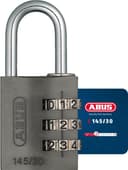
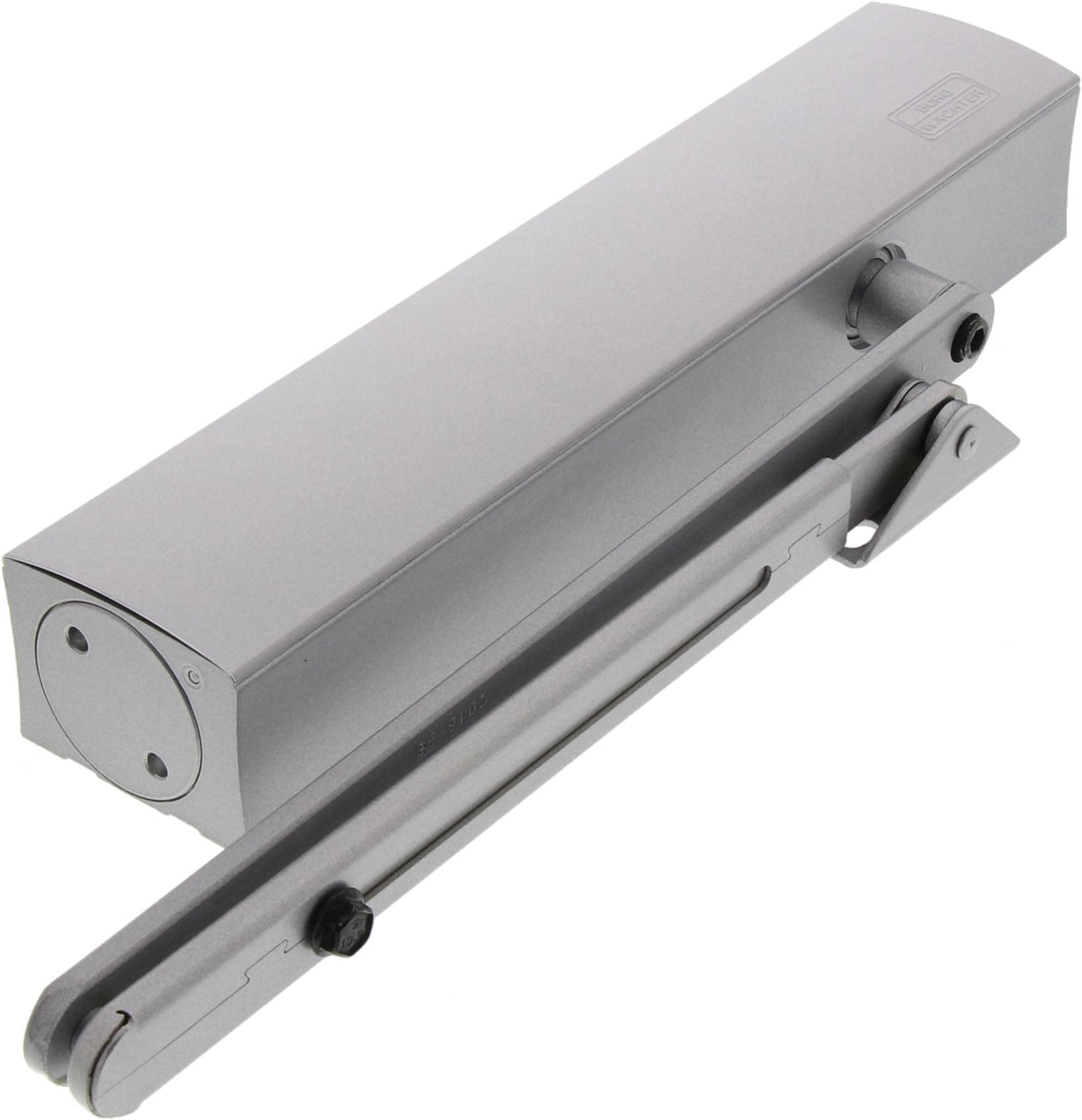
If managing physical keys feels like an added headache, the Burg-Wächter Snap+Lock 85 180 Flexible Cable Lock presents a keyless, highly portable alternative. Built by a German lock manufacturer with history stretching back to 1920, this compact unit utilizes a 4-digit combination lock that can be reset to any personal code.
The unit features a 200cm flexible cable with a 4.5mm overall rope diameter (ending in a 3mm probe end), making it thin enough to thread through tight gaps in charging handle grips, cable organizers, or wheel spokes. At the press of a button, the internal spring mechanism retracts the cable neatly into the housing (measuring roughly 95 x 67 mm), eliminating tangles in the boot.
While the thinner cable offers slightly lower cut-resistance against dedicated heavy bolt cutters than an 8mm steel cable, its lightweight design and keyless convenience make it an outstanding deterrent against opportunistic grab-and-go theft during quick charging pitstops.
EV Cable Anti-Theft Specification Comparison
| Product | Security Type | Locking Mechanism | Price Band | Best Use Case | Buy Link |
|---|---|---|---|---|---|
| EVSE Security J1772 Charger Lock Ring | Latch Collar Barrier | Port Lock Integration | Budget | Preventing adapter theft at public J1772 stations | Check Price on Amazon |
| Master Lock 8418EURD Python | Braided Steel Cinch Cable | Pin Tumbler Keyed Lock | Mid-Range | Heavy overnight cable tethering to vehicle wheel | Check Price on Amazon |
| Burg-Wächter Snap+Lock 85 180 | Retractable Steel Cable | 4-Digit Combination | Budget / Mid-Range | Keyless travel security for portable EV gear | Check Price on Amazon |
Which Charging Security Option Should You Choose?
Choosing between a lock ring and a flexible locking cable comes down to identifying your exact charging routine and hardware setup:
- Choose the EVSE Security Lock Ring if: You frequently use a J1772 adapter with public chargers or Tesla Destination stations. You want a cheap, bulletproof solution that stops people from pressing the mechanical latch thumb switch without cluttering your car with heavy cables.
- Choose the Master Lock Python 8418EURD if: You rely on a portable 32A charging brick plugged into outdoor industrial sockets or overnight wall units in public spaces. The 8mm vinyl-coated steel cable cinches tightly around your alloy wheel, providing high physical resistance against bolt cutters.
- Choose the Burg-Wächter Snap+Lock if: You want lightweight, key-free protection that takes up almost no space in your boot organizer. It's ideal for securing portable charger control boxes to mounting brackets while traveling.
Alternatives to Consider
If neither extreme quite fits your setup, combining both systems provides full layered protection. Using a J1772 lock ring prevents adapter disconnects at the vehicle inlet, while looping a cinch cable lock through the charger handle and wheel spoke prevents physical removal of the main cable. This dual approach completely isolates the charging circuit from opportunistic interference.
Final Verdict
For most EV drivers dealing with adapter theft at public chargers, the EVSE Security J1772 Charger Lock Ring delivers maximum ROI. It leverages your vehicle's built-in electronic charge port lock to create a simple, effective anti-theft system without extra keys or heavy steel cables.