Finding a kids' digital camera that genuinely sparks their creativity, survives everyday adventures, and doesn't just gather dust is a surprisingly tough challenge. It's not just about megapixel counts or fancy filters; it's about durability, ease of use, and whether it truly offers an engaging experience tailored for young hands and minds. As an Amazon Associate I earn from qualifying purchases. This page contains affiliate links, and I may earn a commission at no extra cost to you.
The Landscape of Kids' Cameras in 2026
Today, the market is brimming with options, from ultra-rugged, game-packed devices for toddlers to hybrid digital-instant cameras that appeal to tech-savvy teens. The key is matching the camera to the child's age, interests, and how much you're willing to invest – both upfront and in ongoing costs like print paper. We've taken a deep dive into some of the most popular and genuinely useful kids' cameras currently available, featuring options from VTech, Fujifilm, Lexibook, and Kodak, to help you make an informed decision.
VTech KidiZoom Duo FX: The Indestructible First Camera
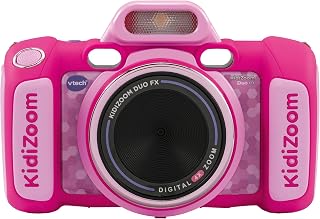
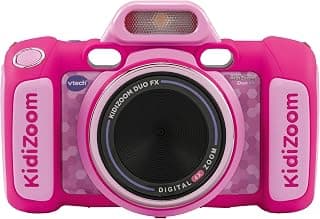
For the youngest aspiring photographers, the VTech KidiZoom Duo FX remains a perennial favourite, and for good reason. This isn't just a camera; it's a digital plaything built like a tank. With its chunky, rubberised grips and overall robust design, it can definitely take a tumble or two – which is exactly what you need when it's in the hands of a five-year-old. The dual lenses are a clever touch, allowing kids to easily switch between front and rear cameras for selfies or traditional shots without fiddly menus. Image quality is, understandably, not its strong suit. Pictures tend to be grainy and low-resolution, typically around 5 megapixels, but for a child who just wants to capture moments and apply silly filters, it's perfectly adequate. What really sells the Duo FX, though, are the built-in games and video recording capabilities. These features transform it from a simple camera into an all-in-one entertainment device that keeps kids engaged. It runs on AA batteries, which is a bit of a mixed bag; great for swapping in fresh ones on the go, but less eco-friendly than a rechargeable pack.
- Design & Build: Extremely durable, kid-friendly design with rubberised bumpers. Chunky buttons are easy for small fingers.
- Key Features: Dual front and rear cameras, 5MP resolution, built-in games, video recording, voice recorder, photo effects. Limited internal memory (around 256MB) but expandable via microSD.
- Performance: Simple point-and-shoot operation. Image quality is basic but fun for kids. Battery life is decent, but relies on AA batteries.
- Value: Excellent value for younger children (typically around £45-£60). Provides robust entertainment beyond just photography.
- Who Should Buy: Preschoolers and early primary school children (ages 3-7) who need a highly durable, fun, and easy-to-use first camera with plenty of engaging features.
Kidizoom PrintCam: Instant Gratification, Kid-Style
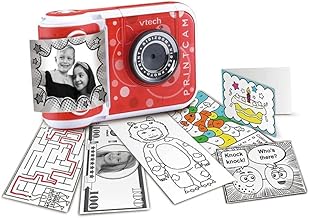
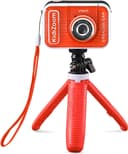
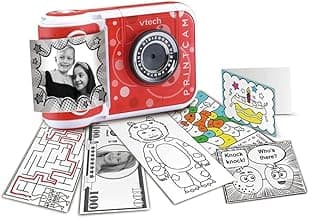
Stepping up a notch from the Duo FX in terms of functionality, the Kidizoom PrintCam brings the magic of instant printing to a younger audience. This VTech model addresses the desire for tangible photos without the complexity (or cost) of traditional instant film. It uses thermal paper, much like old receipt printers, which means no ink cartridges are needed – a huge win for parents. The prints are black and white, naturally, and while they're not high-resolution masterpieces, the sheer joy of seeing a photo instantly appear is priceless for kids. The camera still retains many of VTech's signature kid-friendly features, including games, filters, and a durable build, albeit slightly less rugged than the Duo FX. The digital camera part captures 5MP photos and 720p video, so it's a decent step up in capture quality too. Refill paper isn't overly expensive, making it a more accessible entry point to instant photography than traditional Zink or Instax film cameras. It's a fantastic bridge between pure digital and true instant photography, focusing on the experience.
- Design & Build: Durable plastic shell, slightly larger than the Duo FX to accommodate the printer. Still very kid-friendly.
- Key Features: Instant black and white thermal printing, 5MP camera, 720p video, selfie camera, games, filters, built-in rechargeable battery.
- Performance: Prints quickly. Digital photo quality is decent for a kids' camera. The rechargeable battery is a welcome upgrade from AA.
- Value: Mid-range (expect to pay around £70-£90), with relatively low ongoing costs for thermal paper compared to colour film.
- Who Should Buy: Primary school children (ages 6-10) who love the idea of instant prints but are still too young for more complex cameras, or whose parents prefer lower running costs.
Fujifilm Instax Mini Evo: The Hybrid Dream for Older Kids & Teens
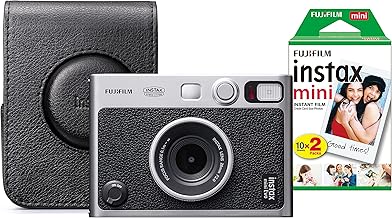
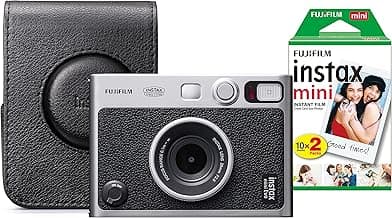
If you have an older child or a teenager who's genuinely interested in photography, the Fujifilm Instax Mini Evo is in a league of its own. This isn't just a toy; it's a sophisticated hybrid instant camera that combines the best of digital capture with the charm of Instax Mini prints. The design itself is a stunner, mimicking a classic film camera with tactile dials and a proper viewfinder, which immediately sets it apart from more kid-centric models. Crucially, you can review and select which photos to print from the digital screen, saving you from wasting expensive Instax film on blurry shots or unwanted snaps – a common frustration with purely instant cameras. The digital images, around 5 megapixels, are saved to a microSD card, meaning every moment can be kept even if it's not printed. The print quality on Instax Mini film is excellent, delivering those vibrant, nostalgic prints that Fujifilm is famous for. While it's a premium investment, both for the camera itself (often around £130-£170) and the film, the blend of digital flexibility and tangible prints makes it incredibly versatile and rewarding for someone ready for a more serious photographic tool.
- Design & Build: Premium, retro-inspired design with tactile controls and a bright LCD screen. Feels sturdy and well-made.
- Key Features: Hybrid digital camera and instant printer, 10 lens effects and 10 film effects, MicroSD card slot for digital storage, prints Instax Mini film (colour), built-in rechargeable battery.
- Performance: Excellent print quality. Digital image quality is good for its class. Intuitive controls for creative expression.
- Value: Premium price point, both for the camera and ongoing film costs, but offers unparalleled versatility and quality in the instant camera space for its target audience.
- Who Should Buy: Older children and teenagers (ages 10+) with a genuine interest in photography, who appreciate both digital convenience and the unique charm of instant prints, and whose parents are willing to invest in a higher-quality experience.
Kids' Digital Camera Comparison Table
| Product | Key Feature | Price Band | Verdict | Buy |
|---|---|---|---|---|
| VTech KidiZoom Duo FX | Dual lenses & games | Budget | Durable, fun first camera for young kids. | Check today's price on Amazon |
| Kidizoom PrintCam | Ink-free thermal instant prints | Mid-range | Engaging instant printing without the film costs. | Check today's price on Amazon |
| Fujifilm Instax Mini Evo | Hybrid digital & instant film | Premium | Sophisticated, creative tool for older kids & teens. | Check today's price on Amazon |
| Lexibook Digital Camera for Kids | Ultra-simple & affordable | Budget | Basic, no-frills camera for tiny hands. | Check today's price on Amazon |
| Kodak Smile Instant Print Camera | Zink instant prints | Mid-range | Portable instant camera with sticky-back prints. | Check today's price on Amazon |
Alternatives to Consider
While our top recommendations cover a broad spectrum, two other options are worth a look if the main picks aren't quite the right fit for your child's specific needs or your budget.
Lexibook Digital Camera for Kids: The No-Frills Entry Point
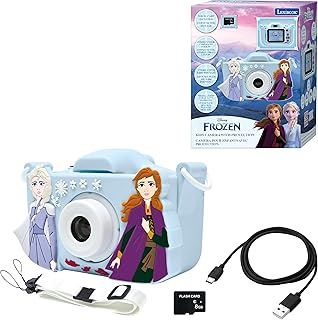
If you're looking for an absolute bare-bones, budget-friendly option just to see if your child shows any interest in photography, the Lexibook Digital Camera for Kids is an appealing choice. It's incredibly simple, often resembling more of a toy than a sophisticated gadget, and typically comes with a price tag well under £30. It's usually built to be reasonably durable, but lacks the robust rubberised protection of a VTech KidiZoom. Image quality will be very basic – think VGA or 1-2MP at best – and features are minimal, often just a few frames or filters. There are no games here; this is purely about taking pictures. Its main appeal lies in its affordability and straightforwardness, making it suitable for very young children who might quickly lose interest or for parents who want to dip a toe in the water without a significant investment.
Kodak Smile Instant Print Camera: Compact Zink Fun
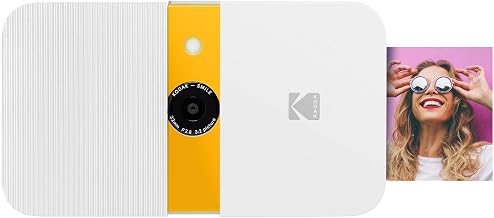
For those who love the idea of instant prints but find the Instax Mini Evo too premium or the Kidizoom PrintCam's black-and-white prints too limiting, the Kodak Smile Instant Print Camera presents a colourful and compact alternative. Using Zink (Zero Ink) technology, it produces full-colour, sticky-backed prints roughly 2x3 inches in size, similar to a portable photo printer. The camera itself is sleek and modern, often aimed at a slightly older, trend-conscious child or teen than the VTech options. It’s significantly smaller than the PrintCam, fitting easily into a pocket. Image quality, while digital-first, is still quite modest (usually around 10MP), and the prints are good for fun, casual sharing, though not photographic masterpieces. The Zink paper can be a bit more expensive than thermal paper but generally less costly than Instax film. The Smile is a great choice for kids who want tangible, shareable prints in colour, combined with a more stylish, grown-up design than typical kids' cameras.
What to Look For: Key Buying Factors
Choosing the right kids' camera boils down to a few core considerations:
- Age Appropriateness: Younger children need rugged designs, simple controls, and engaging features like games. Older kids and teens can handle more complex interfaces, higher image quality, and creative controls.
- Durability: For smaller hands, a camera that can withstand drops and bumps is non-negotiable. Look for rubberised grips and robust construction.
- Features: Do they want just photos, or video, games, and filters too? Instant printing is a huge draw for many, but consider the ongoing cost of film/paper.
- Image Quality: Don't expect DSLR-level photos, but look for something that produces clear enough images for their intended use. For younger kids, any photo is a good photo; for teens, a sharper image makes a difference.
- Running Costs: Instant print cameras require ongoing purchases of film or paper. Factor this into your budget. Thermal paper is often cheapest, followed by Zink, with Instax film typically being the most expensive per print.
- Battery Life & Type: Rechargeable batteries are generally more convenient and eco-friendly than constantly buying AAs.
Verdict: Our Top Pick for the Budding Photographer
After weighing all the options, if your child is beyond the toddler stage and showing a genuine, budding interest in photography and creative expression, the Fujifilm Instax Mini Evo stands out as our top recommendation. Its blend of digital convenience, creative controls, and the instant gratification of beautiful Instax prints makes it a truly versatile and inspiring tool that can grow with your child's skills. It’s an investment, yes, but one that offers a richer, more enduring photographic experience.
For younger children, the VTech KidiZoom Duo FX remains the undisputed champion for its sheer durability and entertainment value, while the Kidizoom PrintCam hits a sweet spot for those wanting the instant print magic without the premium film costs. Ultimately, the best camera is the one that gets used, loved, and inspires your child to see the world through a new lens.