For years, anyone serious about smooth, high-quality handheld video on the go inevitably gravitated towards DJI's Pocket series. These tiny cameras, complete with mechanical gimbals, set the standard for portable stabilization. But now, Canon, a name synonymous with imaging, has entered the fray with a fresh perspective: the Canon PowerShot V10 Vlogging Camera. It's not a gimbal camera in the traditional sense, but a compact, vertically-oriented device aiming squarely at vloggers and travellers who want something more capable than a phone, yet less cumbersome than a mirrorless setup. In August 2026, with so many excellent options available, the question isn't just 'is it good?', but 'is it better, or at least different enough, to warrant a place in your bag?'
As an Amazon Associate I earn from qualifying purchases. This page contains affiliate links, and I may earn a commission at no extra cost to you.
The Canon PowerShot V10: A Fresh Take on Portable Vlogging
The Canon PowerShot V10 doesn't look like any other camera on the market, and that's both its biggest strength and potential weakness. Canon clearly designed it with social media in mind. Its vertical, smartphone-esque form factor fits naturally in your hand for one-handed shooting, and the built-in stand is an absolute genius move for setting it down quickly to record yourself or a scene without fumbling for a tripod. It's a truly pocketable device, much smaller than most compact cameras and even many smartphones, making it incredibly appealing for spontaneous capture.
Design and Build Quality
Straight out of the box, the V10 feels solid, if a little plasticky compared to some premium rivals. It's lightweight, which is great for portability, but I do wonder about its long-term resilience to drops and bumps that often come with travel and active vlogging. The flip-up 2-inch touchscreen is a practical touch, letting you monitor your shots whether you're behind or in front of the lens. Controls are kept to a minimum, ensuring a user-friendly experience, which is exactly what a casual vlogger wants. It's clear Canon prioritised ease of use over a plethora of physical buttons.
Key Features and Specifications
Underneath that unique shell, the PowerShot V10 packs a 1-inch CMOS sensor, which is a significant step up from the smaller sensors typically found in action cameras and older pocket gimbals. This larger sensor promises better low-light performance and richer image quality, especially when compared to a smartphone. It shoots 4K video at 30 frames per second (fps) and Full HD up to 60fps, which is perfectly adequate for most vlogging needs. Canon has also included built-in stereo microphones, which are often overlooked but crucial for good vlogging audio, along with a wind filter to help tame outdoor noise.
Crucially, for stabilization, the V10 relies on digital image stabilization rather than a mechanical gimbal. While Canon's electronic IS is generally effective, it's never going to match the buttery smoothness of a true mechanical gimbal, especially when walking or dealing with more intense motion. It also offers a wide 19mm equivalent lens (in video mode) – great for vlogging as it captures plenty of background and keeps you in frame, even when holding it close. Connectivity is robust with Wi-Fi and Bluetooth, allowing for easy file transfer and live streaming directly to platforms like YouTube and Facebook, which is a major draw for content creators on the go.
Performance in the Real World
Based on published specs and verified owner feedback, the V10 delivers decent image quality, particularly in well-lit conditions. The 1-inch sensor does indeed provide a noticeable bump in clarity and dynamic range over smaller-sensor devices. Low-light performance is respectable, though it won't challenge dedicated mirrorless cameras. The digital image stabilization, while competent for casual walking and static shots, shows its limitations with more vigorous movement. If your vlogs involve a lot of walking-and-talking, or action-packed sequences, you'll notice the difference compared to a mechanical gimbal.
Audio quality from the integrated microphones is surprisingly good for a camera of this size, often outperforming basic smartphone mics. The wind screen is a welcome addition, and the ability to connect an external microphone via the 3.5mm jack is excellent for those who need truly professional sound. Battery life, a common concern for small cameras, appears to be about what you'd expect for casual shooting – roughly an hour of continuous 4K recording, so spare batteries or a power bank are essential for longer outings.
Value Proposition
The Canon PowerShot V10 positions itself as a premium compact vlogging camera, slotting into a price band around £400-£500. This places it in direct competition not only with dedicated pocket gimbals but also with some high-end action cameras and entry-level mirrorless options. Its value hinges entirely on whether its unique design, ease of use, and 1-inch sensor are more appealing to you than the superior stabilization of a mechanical gimbal or the ruggedness of an action camera.
The Competition: How Does the V10 Stack Up?
The world of compact content creation cameras is fiercely competitive. While the V10 brings a fresh perspective, it's going up against some heavyweights. Here's how it compares to the leading contenders:
DJI Pocket 3 Creator Combo
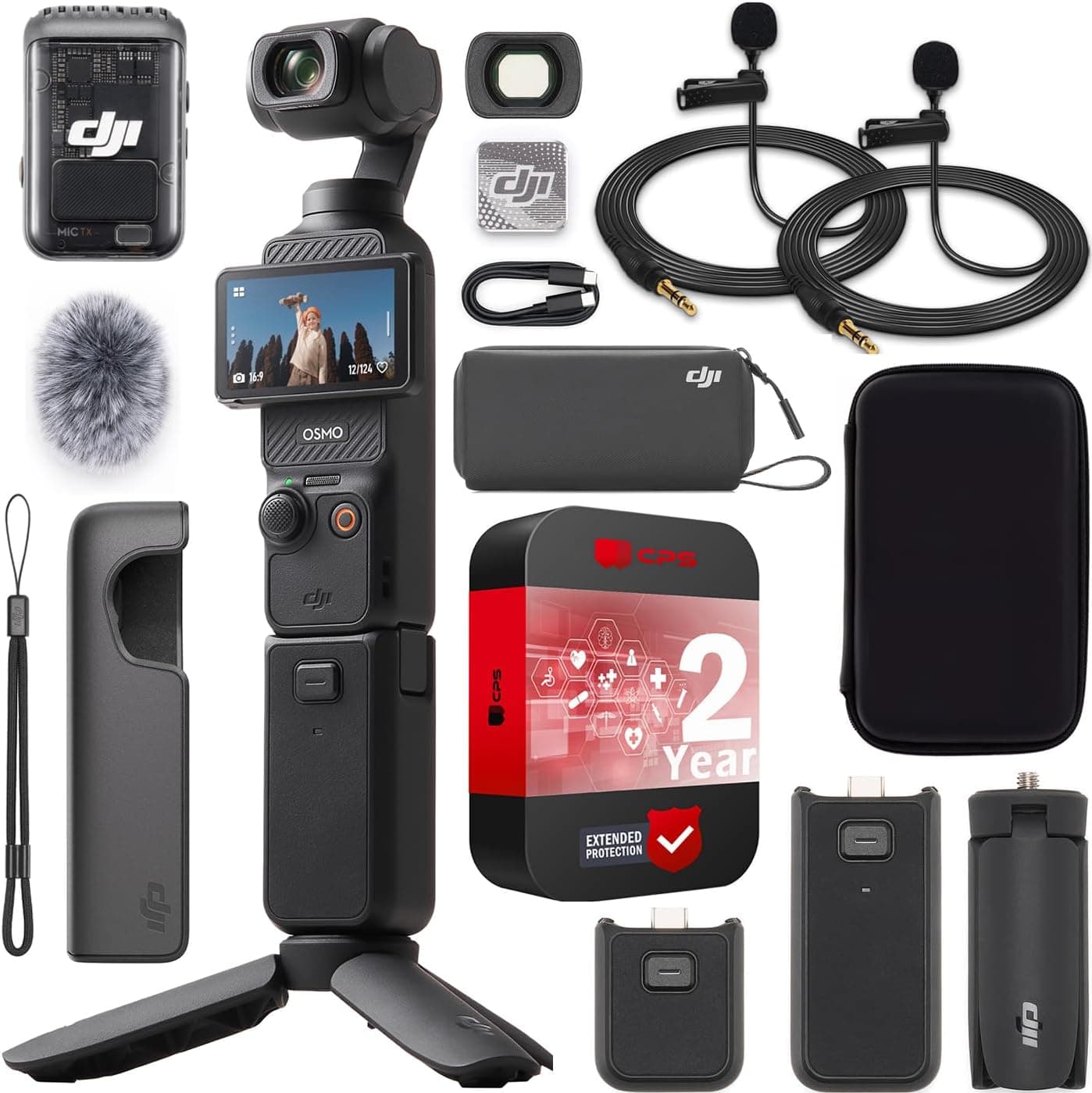
The DJI Pocket 3 Creator Combo is the undisputed king of pocket-sized mechanical gimbal cameras. It features an even larger 1-inch sensor than the V10, stunning 4K 120fps video capabilities, and most importantly, a 3-axis mechanical gimbal that delivers unbelievably smooth footage, even when running. The Creator Combo includes accessories like a wide-angle lens, battery handle, and a DJI Mic 2 transmitter, making it a complete vlogging powerhouse. If buttery smooth stabilization and professional-grade video are your absolute top priorities, the Pocket 3 is simply unmatched in this form factor. It sits in a premium price band, but you get what you pay for in terms of performance and versatility.
DJI Pocket 2 Creator Combo
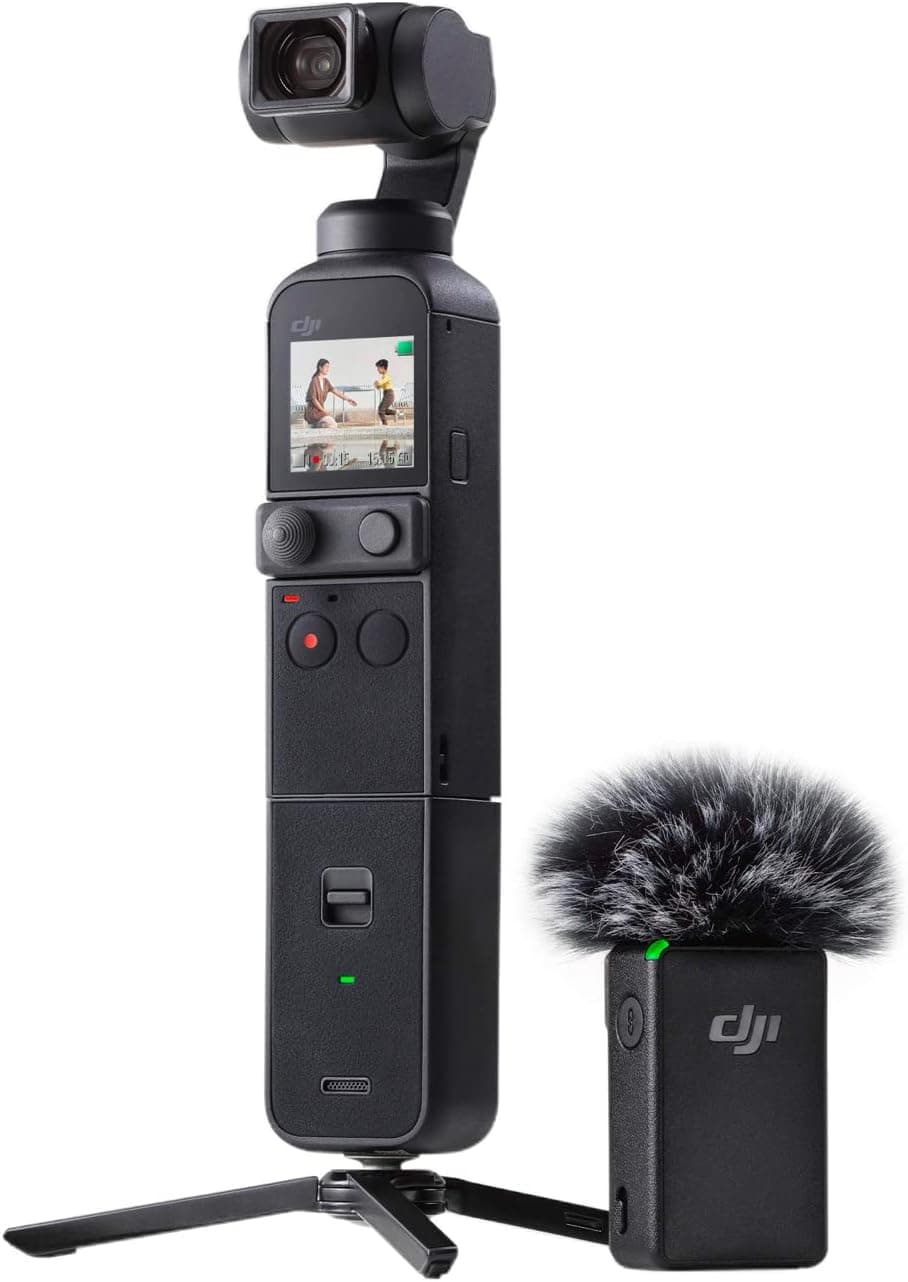
Still a strong contender for those on a slightly tighter budget, the DJI Pocket 2 Creator Combo offers much of the core DJI Pocket experience. It has a smaller 1/1.7-inch sensor compared to the V10 and Pocket 3, but retains the crucial 3-axis mechanical gimbal for superior stabilization over the V10's digital efforts. The Pocket 2 also offers 4K 60fps video and excellent audio with its upgraded microphones. While the Pocket 3 has surpassed it in raw image quality and features, the Pocket 2 remains an incredibly capable and more affordable option for anyone prioritising gimbal smoothness. It's usually found in the upper mid-range price band.
Insta360 Go 3 Action Camera
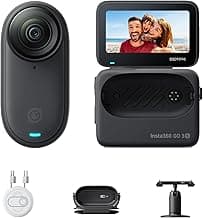
For ultimate portability and unique angles, the Insta360 Go 3 Action Camera is in a league of its own. It's tiny, magnetic, and can be mounted almost anywhere for perspectives other cameras can only dream of. Its small size, however, means a smaller sensor and reliance on excellent digital stabilization (FlowState). It shoots up to 2.7K video, which is fine for social media, but not 4K. What it lacks in raw sensor quality compared to the V10, it makes up for in sheer creativity and the convenience of its Action Pod, which adds a flip-up screen and extra battery. It’s perfect for those who want an 'invisible' camera for hyperlapse, FPV-style shots, or simply clipping it to their shirt. It's usually in a similar price band to the V10.
GoPro HERO12 Black Action Camera
When ruggedness and action are the priority, the GoPro HERO12 Black Action Camera is hard to beat. While not a gimbal camera, its HyperSmooth 6.0 digital stabilization is incredibly effective, often approaching gimbal-like smoothness for action sports. It offers stunning 5.3K video, incredible durability, and a vast ecosystem of mounts. For traditional vlogging, it can work well, especially with its wider field of view and front-facing screen, but its low-light performance doesn't quite match the V10's 1-inch sensor, and its audio, while improved, often benefits from external mics. It sits in a premium price band, similar to the DJI Pocket 3.
Sony ZV-1 II Digital Camera
If you're looking for a more traditional compact camera experience but still geared towards vlogging, the Sony ZV-1 II Digital Camera is a prime choice. It boasts a 1-inch sensor, a versatile 18-50mm equivalent zoom lens, excellent autofocus, and a fully articulating screen. It also features Sony's renowned colour science and vlogging-specific features like Product Showcase and Background Defocus. However, it lacks any form of mechanical stabilization, relying solely on optical and digital IS, and its larger form factor means it's not as 'pocketable' as the V10 or the DJI Pocket series. It typically lands in a higher premium price band than the V10.
Comparison Table
| Product | Key Feature | Price Band | Verdict | Buy |
|---|---|---|---|---|
| Canon PowerShot V10 Vlogging Camera | 1-inch sensor, unique vertical design, built-in stand | Mid-range to Upper Mid-range (£400-£500) | Innovative form factor for casual vlogging, but digital stabilisation has limits. | Check today's price on Amazon |
| DJI Pocket 3 Creator Combo | 1-inch sensor, 3-axis mechanical gimbal, 4K 120fps | Premium (£500-£700+) | Unmatched stabilization and professional features for serious vloggers. | Check today's price on Amazon |
| DJI Pocket 2 Creator Combo | 3-axis mechanical gimbal, 4K 60fps, great audio | Upper Mid-range (£300-£450) | Excellent value for a mechanical gimbal camera, still highly capable. | Check today's price on Amazon |
| Insta360 Go 3 Action Camera | Ultra-compact, magnetic mounting, versatile Action Pod | Mid-range to Upper Mid-range (£350-£500) | Best for creative, unique angles and ultimate portability. | Check today's price on Amazon |
| GoPro HERO12 Black Action Camera | Rugged, 5.3K video, HyperSmooth 6.0 stabilization | Premium (£350-£500+) | The ultimate action camera, durable and feature-packed for extreme use. | Check today's price on Amazon |
| Sony ZV-1 II Digital Camera | 1-inch sensor, optical zoom, excellent autofocus, vlogging features | Premium (£700+) | A fantastic traditional compact camera for dedicated vloggers, but lacks gimbal. | Check today's price on Amazon |
Pros and Cons of the Canon PowerShot V10
Pros:
- Ultra-Compact and Portable: Genuinely pocketable, smaller than most phones, ideal for discreet capture.
- Unique, Vlogger-Friendly Design: Vertical orientation and integrated stand are incredibly practical for solo creators.
- Good Image Quality for its Size: The 1-inch sensor delivers noticeably better quality than smaller-sensor cameras.
- Excellent Audio Capabilities: Integrated stereo mics with wind screen, plus an external mic jack, are crucial for vlogging.
- Easy to Use: Minimalist controls and intuitive interface make it great for beginners.
Cons:
- Digital Stabilization is Not Gimbal-Level: Falls short compared to mechanical gimbals for truly smooth, motion-heavy footage.
- Fixed Lens and Limited Zoom: While wide-angle is good for vlogging, the lack of optical zoom can be restrictive.
- Plastic Build Feels Less Premium: May not withstand as much abuse as a rugged action camera.
- Battery Life is Average: You'll want spares or a power bank for extended shooting.
Who Should Buy the Canon PowerShot V10?
The Canon PowerShot V10 is best for casual vloggers, social media creators, and travellers who prioritise ultimate portability and ease of use over professional-grade stabilization. If you mostly shoot static or gently moving vlogs, enjoy livestreaming, and want better image quality than your smartphone in a ridiculously small package, the V10 is a genuinely appealing choice. It's for those who appreciate its unique form factor and convenience, and for whom the subtle wobbles of digital stabilisation are an acceptable trade-off for its other benefits.
Alternatives to Consider
While the Canon V10 offers a compelling package, it's not for everyone. If its digital stabilization is a deal-breaker, or if you need different features, here are two strong alternatives:
For the Ultimate Smoothness: DJI Pocket 3 Creator Combo
If your budget allows and you demand the absolute smoothest video possible from a pocket-sized device, the DJI Pocket 3 Creator Combo is the way to go. Its mechanical gimbal is peerless in this category, and with its larger 1-inch sensor and incredible low-light capabilities, it truly stands out. It's a more serious investment, but offers professional results for those who take their vlogging seriously.
For Creative Freedom and Extreme Portability: Insta360 Go 3 Action Camera
Perhaps you're less interested in traditional vlogging and more about getting unique, creative shots. The Insta360 Go 3 Action Camera, with its tiny, magnetic form factor, opens up a world of possibilities for mounting it almost anywhere. While its video resolution and sensor size are smaller than the V10, its ability to capture dynamic, first-person perspectives is unmatched, making it a fantastic companion for adventurous creators or those who want a truly unobtrusive camera.
Verdict
The Canon PowerShot V10 Vlogging Camera doesn't dethrone DJI's mechanical gimbal prowess, but it carves out its own distinct niche with an innovative design, good image quality for its size, and exceptional ease of use, making it a solid choice for casual vloggers prioritising portability over perfection.
It's not trying to be a direct competitor to the DJI Pocket 3 in terms of stabilization, and that's okay. It offers a different, more casual, and arguably more accessible approach to mobile content creation. If you understand its strengths – that unique form factor, decent sensor, and superb audio – and its limitations – primarily the digital stabilization – then the V10 could be the perfect tool to elevate your everyday vlogs and travel memories. For the best all-around vlogging powerhouse, however, the DJI Pocket 3 Creator Combo still holds the crown.