As an Amazon Associate I earn from qualifying purchases. This page contains affiliate links, and I may earn a commission at no extra cost to you.
The At-Home LED Mask Investment: What You Need to Know
At-home red light therapy masks have transitioned from niche aesthetician secrets to mainstream skincare staples. However, when you are preparing to spend anywhere from £100 to over £399 on a device, the marketing promises around 'instant glows' and 'collagen boosts' need careful scrutiny. Not all LED masks deliver light to your skin with the same wavelength accuracy, bulb density, or ergonomic fit.
The effectiveness of photo-biomodulation—the science of using light to stimulate cellular repair—depends on two main physical factors: target wavelengths and proximity to the skin. Wavelengths around 633nm (red light) target dermal cellular activity to smooth fine lines, while 830nm (near-infrared) penetrates deeper into subcutaneous tissue to encourage structural support and calm inflammation. Newer premium devices are now adding deep near-infrared wavelengths near 1072nm to reach lower tissue layers.
If a mask rests too far from your facial contours, light energy dissipates quickly before penetrating the skin. Furthermore, if the wavelengths drift off-target, you lose the cellular stimulation that justifies the high price tag. Below, we break down the specs, flexibility, and practical daily trade-offs of the leading LED masks on the market to help you decide where to invest your skincare budget.
LED Mask Specs & Comparison Summary
| Product | Key Specs & Wavelengths | Fit & Material | Price Band | Bottom Line | Buy |
|---|---|---|---|---|---|
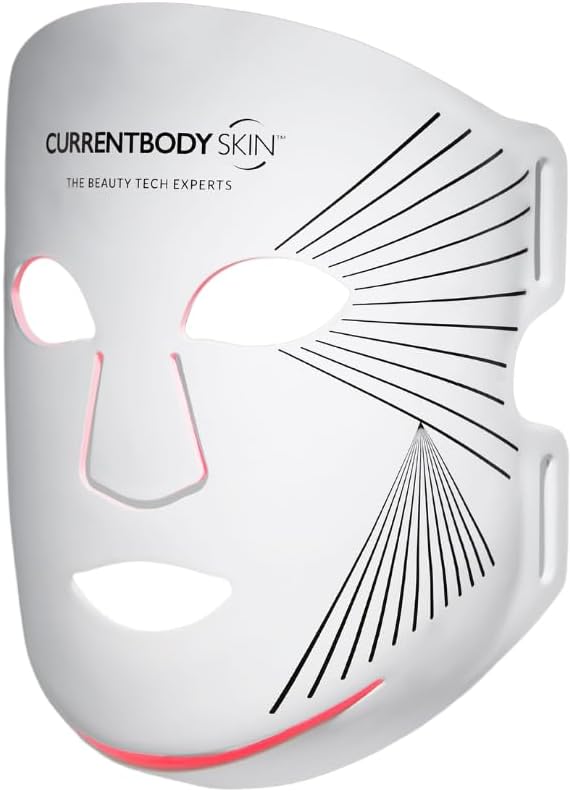
| CurrentBody Skin LED Light Therapy Mask Series 2 | 236 LEDs; 633nm (Red), 830nm (NIR), 1072nm (Deep NIR); NFC verification | Flexible liquid silicone with multi-strap harness | Premium (Approx. £350+) | The current gold standard for wavelength coverage, skin-contact fit, and bulb density. | Check price on Amazon |
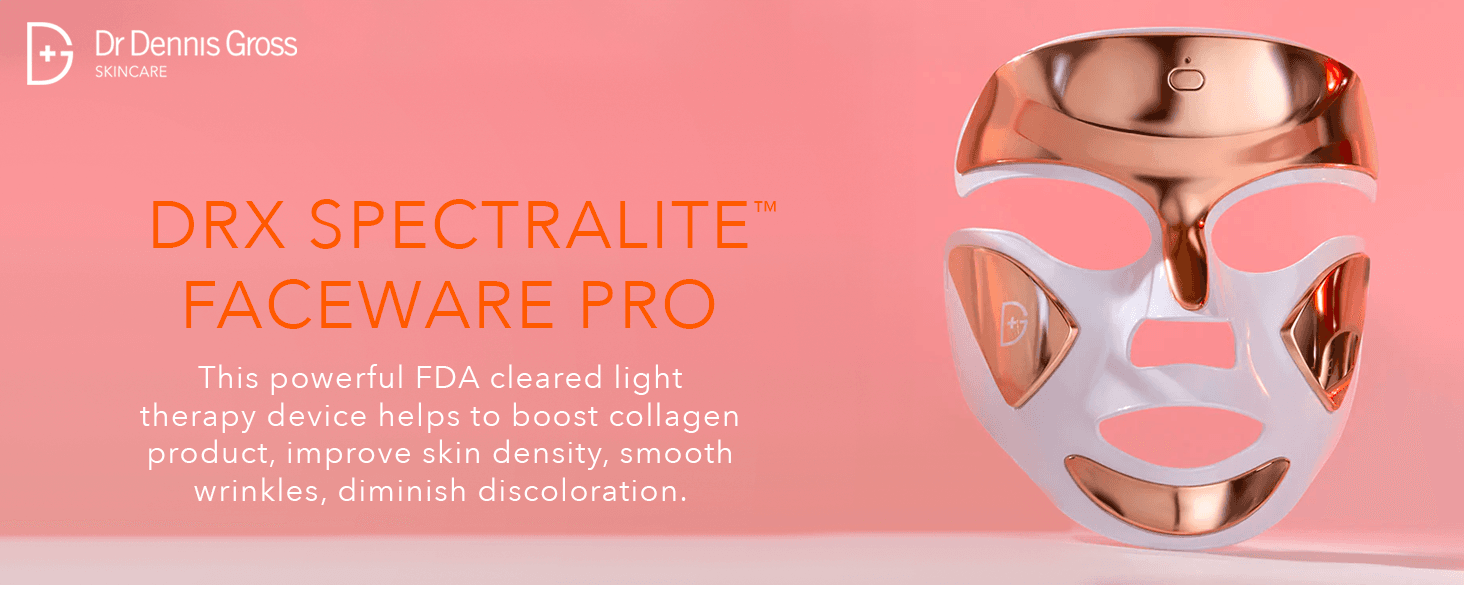
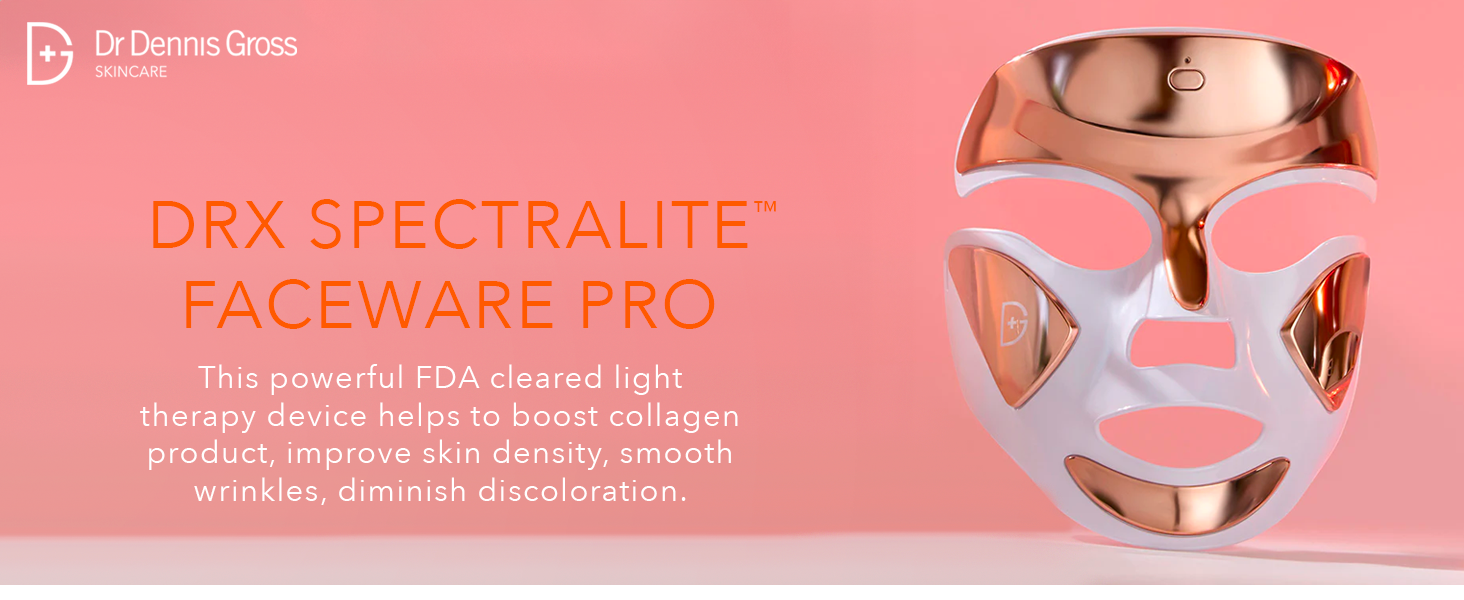
| Dr. Dennis Gross DRx SpectraLite FaceWare Pro | 100 Red LEDs + 62 Blue LEDs; dual red/blue anti-acne & collagen modes | Rigid molded plastic shell with silicone head strap | Premium (Approx. £350–£400) | Ideal for fast 3-minute treatments and combined acne/anti-ageing care, but hard shell won't flex to every face. | Check price on Amazon |
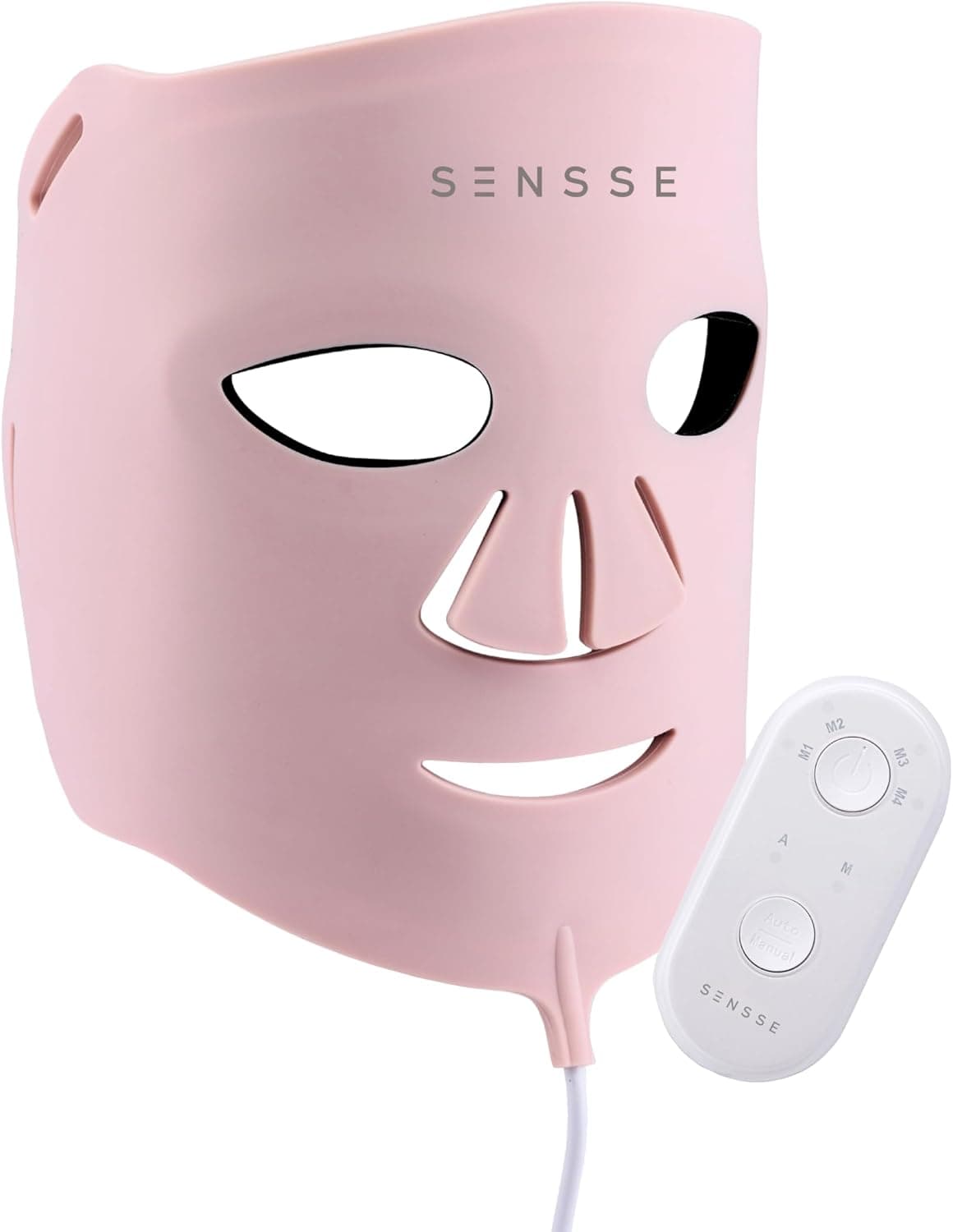
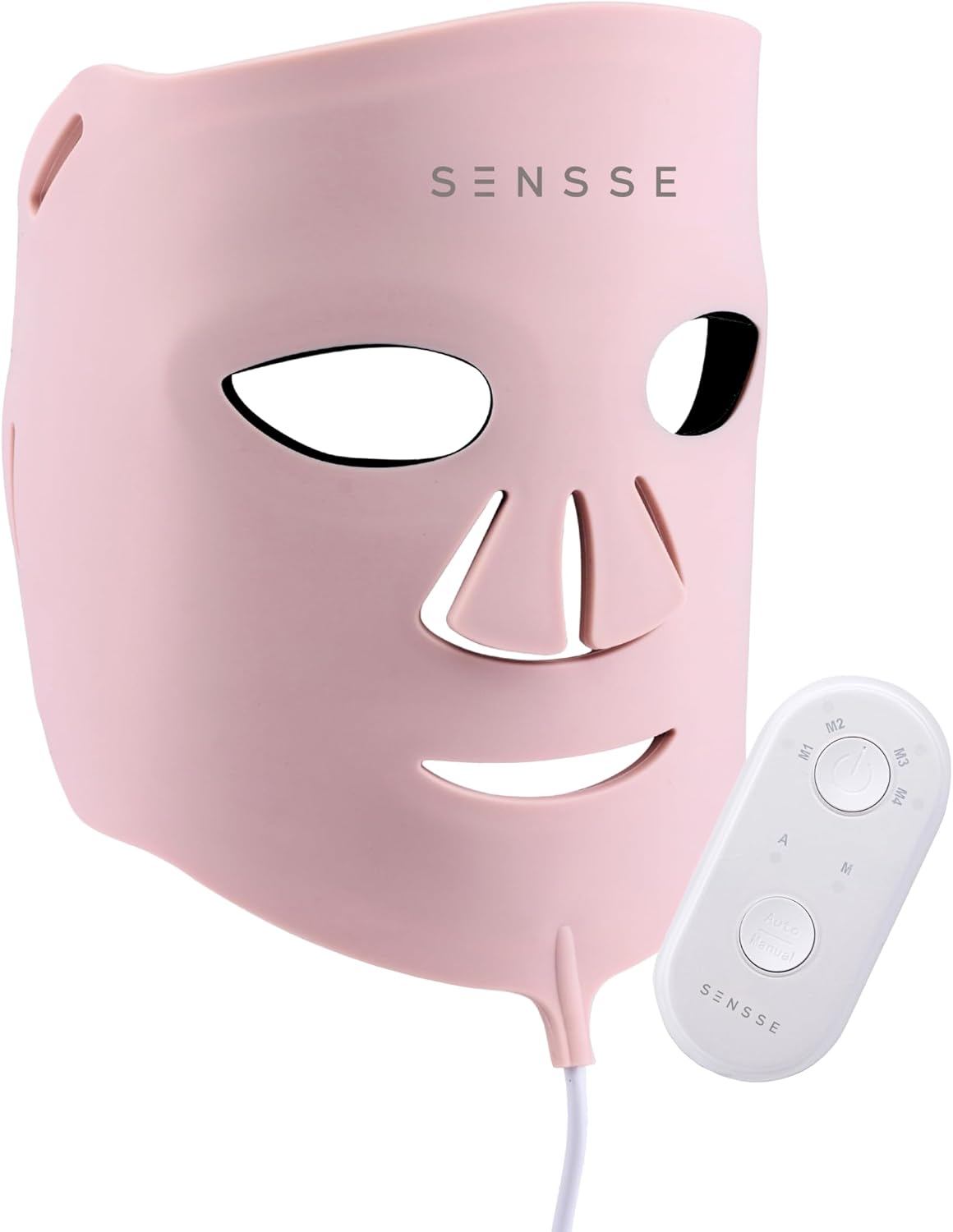
| Sensse Silicone LED Face Mask | 171 LEDs; 4 modes: Red (630nm), Blue (465nm), NIR (850nm), Purple | Soft flexible silicone contoured mask | Mid-Range (Approx. £100–£150) | A budget-friendly flexible option offering solid coverage across multiple light spectra for versatile routines. | Check price on Amazon |
Detailed Product Breakdown
1. Top Pick for Anti-Ageing Wavelength Depth: CurrentBody Skin LED Light Therapy Mask Series 2
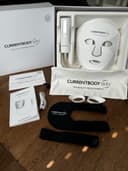
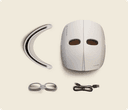
The original CurrentBody mask earned a strong reputation among skincare enthusiasts for popularising flexible silicone designs. The CurrentBody Skin LED Light Therapy Mask Series 2 upgrades that foundation significantly in terms of light density, wavelength precision, and structural fit.
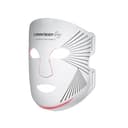
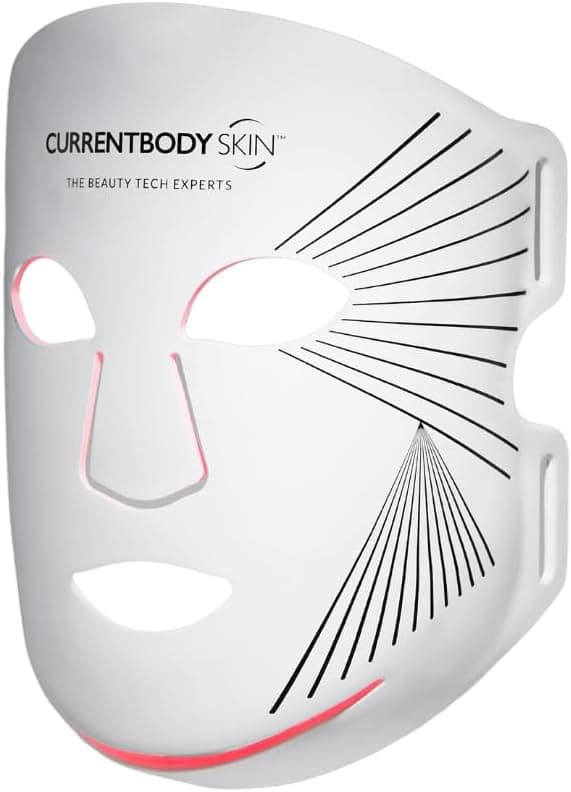
Where most high-end red light masks stick to two wavelengths (633nm red and 830nm near-infrared), the Series 2 adds a third targeted band: 1072nm deep near-infrared light. Manufacturer data indicates this deeper wavelength penetrates further into the dermis to target deeper structural lines and stubborn area sagging. Housing 236 individual medical-grade LED bulbs, the Series 2 provides exceptionally even light distribution, minimising dead spots across the forehead, cheeks, and upper lip.
Comfort is where flexible silicone masks win or lose. CurrentBody revamped the liquid silicone shape for the Series 2 based on extensive facial contour scanning. It hugs the jawline and brow closely, ensuring the LEDs sit near the skin surface without pressing uncomfortably against the bridge of the nose. An integrated Veritace NFC card allows buyers to tap their smartphone against the device to verify the quality testing and light output calibration of their exact unit—a welcome anti-counterfeiting touch given the rise of cheap knockoffs online.
Drawbacks to consider: At roughly 10 minutes per session, it requires a bit more time than rigid 3-minute masks. The multi-point strap system is much improved over single-strap designs, but taking time to adjust it properly is critical to prevent the eye cutouts from sitting awkwardly.
2. Rigid Shell Alternative with Targeted Acne Care: Dr. Dennis Gross DRx SpectraLite FaceWare Pro
If flexible silicone masks do not appeal to you, or if your primary skincare goal includes treating active blemishes alongside fine lines, the Dr. Dennis Gross DRx SpectraLite FaceWare Pro remains a major benchmark in high-end home light therapy.
Unlike soft silicone designs, the FaceWare Pro uses a rigid, contoured plastic visor. It features 100 red LED lights to support dermal firmness and 62 blue LED lights (415nm) to eliminate acne-causing bacteria. You can run red light, blue light, or a combined red-and-blue cycle depending on what your skin needs on any given day. Its standout selling point is session duration: a full treatment takes just 3 minutes. For busy mornings or tired evenings, a 3-minute cycle is far easier to keep consistent than a 10- or 20-minute session.
Drawbacks to consider: Rigid plastic does not bend. If your facial features deviate significantly from the mold shape, parts of the mask may hover several centimetres away from your skin, reducing the intensity of the light that reaches those areas. Additionally, storing and travelling with a hard-shell mask takes up considerable luggage space, making a dedicated protective carrying case essential to avoid scratching the light matrix or snapping the frame straps.
3. Best Value Mid-Range Pick: Sensse Silicone LED Face Mask
For buyers who want the skin-conforming benefits of soft liquid silicone without spending upwards of £300, the Sensse Silicone LED Face Mask presents an accessible mid-tier alternative.
Utilising 171 LED lights distributed across a pliable silicone sheet, this mask provides strong skin contact across the cheeks, chin, and forehead. Sensse equips the device with four distinct light modes: Red (630nm) for boosting firmness and texture, Blue (465nm) for clarity and oil balancing, Near-Infrared (850nm) for deeper revitalisation, and a combined Purple mode (Red + Blue) for targeted multi-action care. This makes it a adaptable option for households where multiple users have different skin goals.
Drawbacks to consider: The LED density (171 lights) is lower than top-tier devices like the CurrentBody Series 2 (236 lights), resulting in slightly less uniform light coverage per square centimetre. The strap harness is also simpler, requiring careful positioning so the weight of the battery pack doesn't tug the mask down during use. However, for those testing red light therapy for the first time on a sensible budget, it offers strong spec-for-pound performance.
How to Choose the Right At-Home LED Mask
1. Wavelength Accuracy vs. Multi-Colour Gimmicks
When shopping for light therapy, wavelength specificity is everything. Look for devices that clearly declare their light bands in nanometres (nm). For collagen support and anti-ageing, 630–633nm red light paired with 830–850nm near-infrared light is backed by the strongest body of clinical literature. Be wary of unbranded masks advertising seven or eight neon light colours (green, yellow, cyan, white) with zero technical details on output strength or precise nanometre ranges—these are often low-powered LEDs with little therapeutic value.
2. Flexible Silicone vs. Rigid Plastic Frames
The debate between soft silicone and hard plastic comes down to contact efficiency versus convenience:
- Flexible Liquid Silicone: Wraps tightly around cheekbones, temples, and jawlines. Closer proximity delivers higher light dosage directly to the tissue without requiring massive battery packs. Standard session times range from 10 to 15 minutes.
- Rigid Plastic: Easy to wipe down, quick to put on, and often engineered with higher-powered LED drivers that allow super-fast 3-minute session times. However, gaps between the hard plastic and facial hollows can cause uneven light delivery.
3. Routine Adherence and Battery Packs
The best LED mask is simply the one you will use regularly. Red light therapy requires consistent application—typically 3 to 5 times per week over 8 to 12 weeks—before cumulative cellular improvements become visible. Look for a device with a lightweight rechargeable controller that allows you to move around the house, read, or answer emails while wearing it, rather than models requiring you to stay tethered to a wall socket.
Final Verdict & Buying Recommendation
If you want maximum anti-ageing efficacy, comprehensive facial coverage, and the deepest light penetration currently available in a home device, the CurrentBody Skin LED Light Therapy Mask Series 2 is the overall top recommendation. Its addition of 1072nm deep near-infrared light, combined with 236 LEDs embedded in ultra-flexible liquid silicone, makes it worth the investment for serious skincare enthusiasts.
For those prioritizing quick 3-minute treatments and targeted acne fighting alongside collagen care, the rigid Dr. Dennis Gross DRx SpectraLite FaceWare Pro is a proven contender. Meanwhile, buyers looking for high-value flexibility without a £300+ price tag will find the Sensse Silicone LED Face Mask a balanced entry point into daily light therapy routines.