As an Amazon Associate I earn from qualifying purchases. This page contains affiliate links, and I may earn a commission at no extra cost to you.
Cutting Through the Red Light Therapy Noise
Photobiomodulation—better known as red light therapy—has shifted from high-end wellness clinics and physiotherapy suites straight onto bedside tables. Dozens of compact panels and wearable straps promise everything from accelerated muscle recovery to collagen support. Yet the consumer market is flooded with flimsy plastic gadgets, exaggerated power claims, and confusing jargon around nanometres and irradiance.
The Hooga HG300 Red Light Therapy Device has developed a dedicated following among home wellness enthusiasts who want clinic-grade dual wavelengths without spending four figures on an oversized full-body rig. Built as a heavy-duty tabletop panel, it positions itself as an entry point into serious, targeted photobiomodulation. But does a targeted desktop box actually fit into a realistic daily routine, or are you better served by a flexible wearable wrap or a specialised applicator?
This buying guide examines the published technical specifications, verified owner feedback, and direct market alternatives to help you decide whether the HG300 earns a spot in your home setup.
Hooga HG300 Overview: Targeted Tabletop Power
Hooga has built its brand identity around straightforward, industrial-grade light therapy devices that prioritise raw optical output and transparent specifications over slick companion apps. The Hooga HG300 Red Light Therapy Device represents their most popular entry-level panel, designed specifically for targeted treatments on the face, shoulders, knees, or lower back.
Key Specifications and Engineering
- Wavelength Distribution: Clinically supported 660nm (visible red light) and 850nm (invisible near-infrared light) in a 1:1 ratio.
- Form Factor: Heavy-gauge steel enclosure with an integrated cooling fan and rear heat dissipation vents.
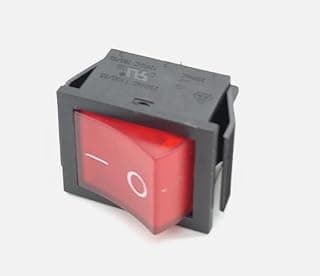
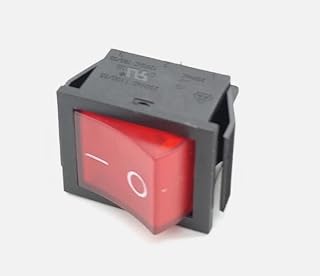
- Controls: Dedicated manual toggle switches for independently managing red light, near-infrared light, or both simultaneously.
- Mounting Options: Tabletop rubber feet, door-hanging kit compatibility, and standard mounting points.
- Price Band: Mid-range (typically sitting around £130 to £170 depending on seasonal promotions).
Design and Usability
The HG300 does not look like a delicate cosmetic accessory; it looks like a piece of clinical workshop kit. The all-metal housing gives it a reassuring heft that prevents it from tipping over easily when placed on a desk or bedside table. The rear rocker switches are mechanical, satisfyingly tactile, and free from complex digital menus that can fail over time.
The unit features an integrated whisper-quiet internal fan. Because high-output light-emitting diodes generate substantial heat, effective thermal management is essential to prevent wavelength drift and premature diode degradation. Verified owners consistently note that while the cooling fan does emit a gentle hum during a 10-to-15-minute session, it remains unobtrusive.
Wavelength Efficacy: 660nm vs 850nm
The dual-wavelength approach of the HG300 targets two distinct biological depths:
- 660nm (Visible Red): Absorbed primarily by the superficial layers of the skin, making it the preferred wavelength for skin clarity, superficial tissue repair, and complexion maintenance.
- 850nm (Near-Infrared / NIR): Invisible to the naked human eye, this longer wavelength penetrates deeper into soft tissues, tendons, joint capsules, and muscle beds.
Because the HG300 provides independent controls for red and near-infrared modes, you can switch off the visible 660nm light if you are treating a joint before bed and wish to avoid stimulating your circadian rhythm with bright light, or run both concurrently for maximum combined output.
Who the Hooga HG300 Is For
- Anyone seeking high optical irradiance for targeted areas (face, neck, knees, shoulders, or hands).
- Shoppers who value durable, metal-clad engineering over plastic lifestyle gadgets.
- Users who want manual control to toggle between visible red and invisible near-infrared wavelengths.
Who Should Skip It
- Users wanting a full-body treatment in a single 10-minute session (a 300W-class tabletop panel covers roughly one body zone at a time).
- People who require a flexible, hands-free wrap to wear while moving around the house or working at a standing desk.
Head-to-Head Specification Comparison
To understand where the HG300 sits in the wider home photobiomodulation landscape, compare its specs and design intent with two different form factors currently available on the market.
| Device | Form Factor | Wavelengths | Primary Use Case | Price Band | Action |
|---|---|---|---|---|---|
| Hooga HG300 | Rigid Steel Tabletop Panel | 660nm Red & 850nm NIR | High-irradiance targeted facial & joint care | Mid-range | Check today's price on Amazon |
| Lifepro Therapy Belt | Flexible Wraparound Belt | 660nm Red & 850nm NIR (105 triple-chip LEDs) | Hands-free lumbar, abdomen & limb recovery | Mid-range | Check today's price on Amazon |
| KTS Therapy Device | Handheld / Nasal Applicator | Targeted Low-Level Red Light | Non-invasive allergic rhinitis & nasal congestion | Budget | Check today's price on Amazon |
Alternative Form Factors: Wraps and Specialised Probes
A rigid panel like the Hooga HG300 delivers concentrated optical power, but it forces you to sit stationary in front of it at a fixed distance of 6 to 12 inches. Depending on your primary health goals, an alternative form factor may better suit your daily routine.
1. Lifepro Red Light Therapy Belt: The Mobile, Body-Contouring Alternative
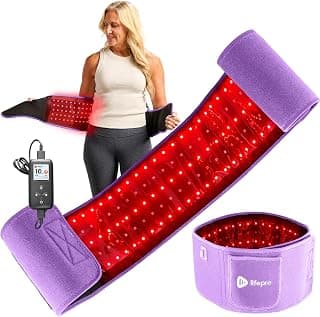
If your primary reason for exploring red light therapy is chronic lower back tension, tight hamstrings, or post-workout abdominal soreness, sitting still before a desktop box can feel restrictive. The Lifepro Red Light Therapy Belt tackles this issue by mounting 105 triple-chip LEDs directly into a soft, adjustable neoprene-style pad.
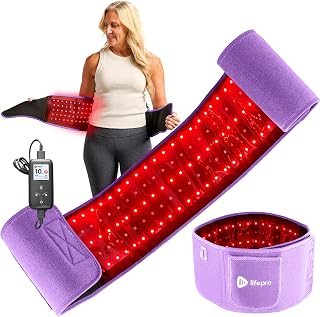
Unlike rigid panels where irradiance drops significantly as you move further away, the Lifepro belt makes direct direct-to-skin contact. It incorporates both 660nm red and 850nm near-infrared diodes across three custom modes (Red, NIR, or combined). Because it is USB-powered and easily secured with Velcro straps, you can wear it while seated at an office desk or relaxing on the sofa. An integrated auto-off timer (adjustable from 1 to 30 minutes) eliminates the risk of overexposure during a session.
- Best for: People seeking targeted relief for the lower back, hips, shoulders, and limbs without being tethered to a desk.
- Skip if: You want a primary facial rejuvenation device (the belt is shaped for body wrapping, not facial coverage).
2. KTS Red Light Therapy Device: Specialised Nasal Relief
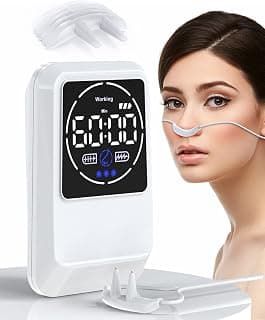
Not every wellness application requires a broad beam of light. The KTS Red Light Therapy Device is engineered for a very specific, non-invasive application: targeted low-level red light irradiation for allergic rhinitis, seasonal hay fever, and chronic nasal irritation.
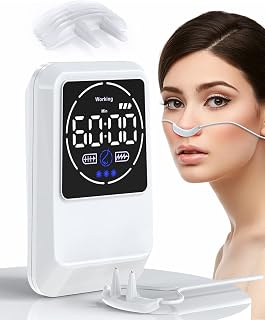
Rather than flooding a room with optical energy, the KTS unit uses dual nasal prongs that emit low-intensity red light directly onto the mucosal membranes inside the nasal cavity. Clinical literature suggests that localized red light exposure can help down-regulate histamine release and soothe inflamed nasal tissue without the drowsiness or rebound congestion associated with medicated sprays. It is compact, battery-powered, and designed for brief daily sessions during high-pollen seasons.
- Best for: Allergy sufferers seeking a drug-free, non-invasive method to manage rhinitis symptoms.
- Skip if: You are looking for general skin health, collagen synthesis, or muscular recovery.
Key Buying Criteria: How to Choose the Right Device
When shopping for home red light therapy equipment, ignore marketing hyperbole and evaluate products against these five technical parameters:
1. Wavelength Precision
The vast majority of peer-reviewed photobiomodulation research focuses on narrow optical windows: 630nm–660nm for visible red light and 810nm–850nm for near-infrared light. Budget novelty lamps often use generic coloured LEDs that emit light outside these bio-active peaks. Always verify that the manufacturer states specific, tested wavelengths like the 660nm/850nm configuration found in the Hooga HG300 Red Light Therapy Device and the Lifepro Red Light Therapy Belt.
2. Form Factor vs. Compliance
The most powerful device in the world is useless if you never turn it on. Panels require dedicated time where you sit or stand stationary in front of the beam. Wearable wraps offer greater convenience for back and joint pain because they strap on while you work or read. Handheld or specialised applicators are best for hyper-targeted issues like allergic rhinitis. Choose the form factor that creates the least friction in your schedule.
3. Thermal Management and Build Quality
High-power LEDs generate heat on the circuit board behind the lens. In a tabletop panel, look for metal casings and active cooling fans. Units that rely solely on passive cooling in cramped plastic shells often suffer shortened lifespans or experience wavelength shifts as the components heat up.
4. Contact vs Distance Requirements
Panels deliver radiant optical power through the air, meaning your treatment dose depends heavily on your distance from the LEDs (typically 15 to 30 cm). Wraps and pads, by contrast, make direct contact with skin, virtually eliminating air-gap reflection and light dispersion. Calculate whether you want non-contact hygienic versatility (ideal for facial use and multi-user households) or direct-contact warmth.
Final Verdict: Should You Buy the Hooga HG300?
The Hooga HG300 Red Light Therapy Device remains one of the most cost-effective, no-nonsense tabletop panels on the market. It delivers genuine dual-spectrum output (660nm and 850nm), robust steel construction, and independent wavelength switching at a price point well below luxury lifestyle brands.
If your priority is targeted facial rejuvenation, localized joint support, or a sturdy desk-mounted setup, the HG300 is our top recommendation. If you require hands-free mobility for lower back or muscular aches, choose the Lifepro Red Light Therapy Belt instead. For chronic seasonal nasal congestion, the specialised KTS Red Light Therapy Device provides a targeted drug-free alternative.