As an Amazon Associate I earn from qualifying purchases. This page contains affiliate links, and I may earn a commission at no extra cost to you.
Getting into drones can feel a bit overwhelming, especially when you're just looking for something fun and easy to fly without breaking the bank. The good news is, the mini drone market is absolutely brimming with options designed specifically for beginners, often with robust designs and simplified controls that make those inevitable first crashes a learning experience rather than an expensive disaster. For August 2026, we've focused on three popular contenders that consistently get good feedback for their user-friendliness and value: the Potensic A20 Mini Drone, the Ryze Tello, and the SYMA X20 Mini Drone. Let's break down which one is truly the best fit for kids and first-time pilots.
Potensic A20 Mini Drone: The Ultra-Portable Starter
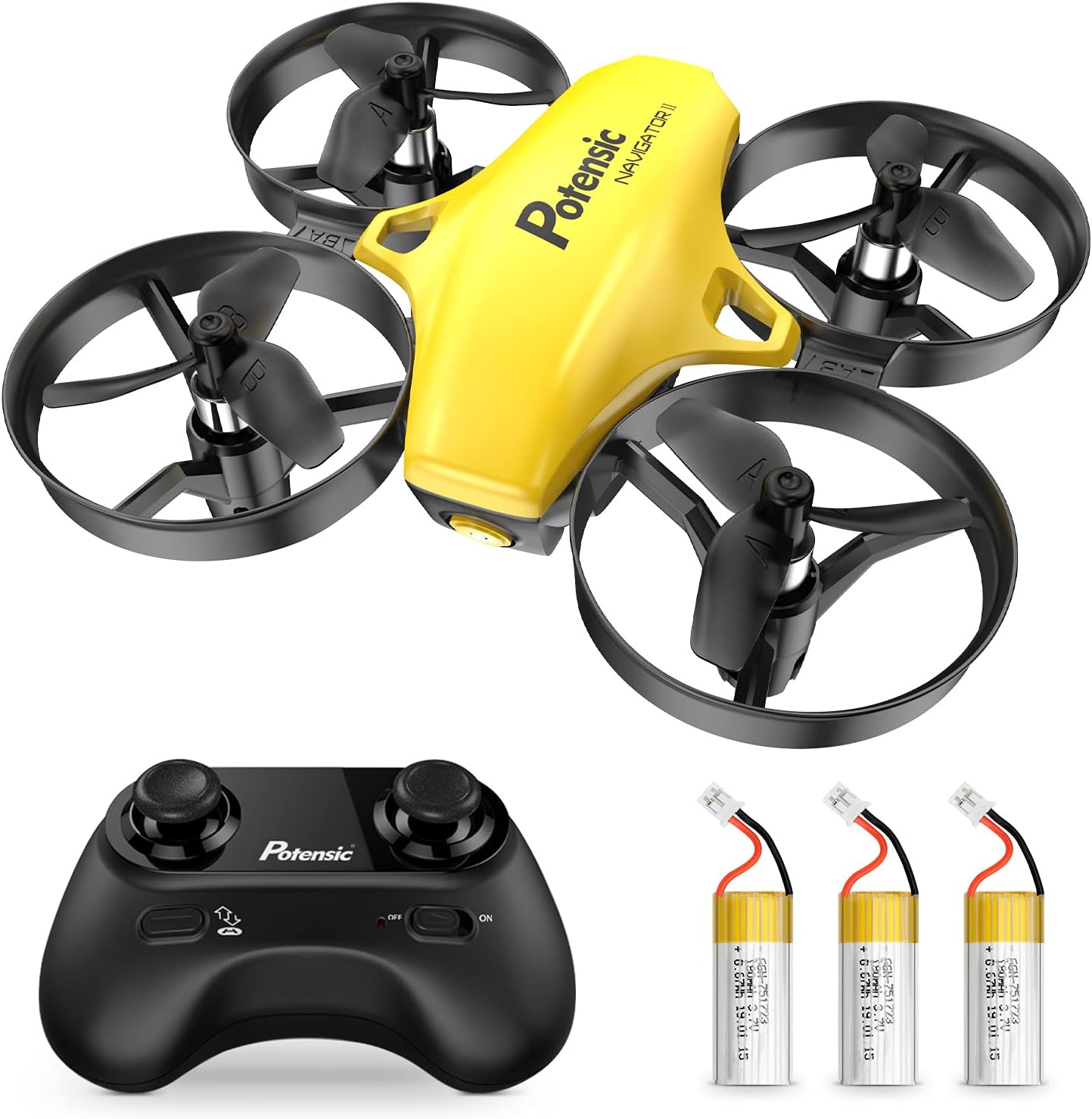
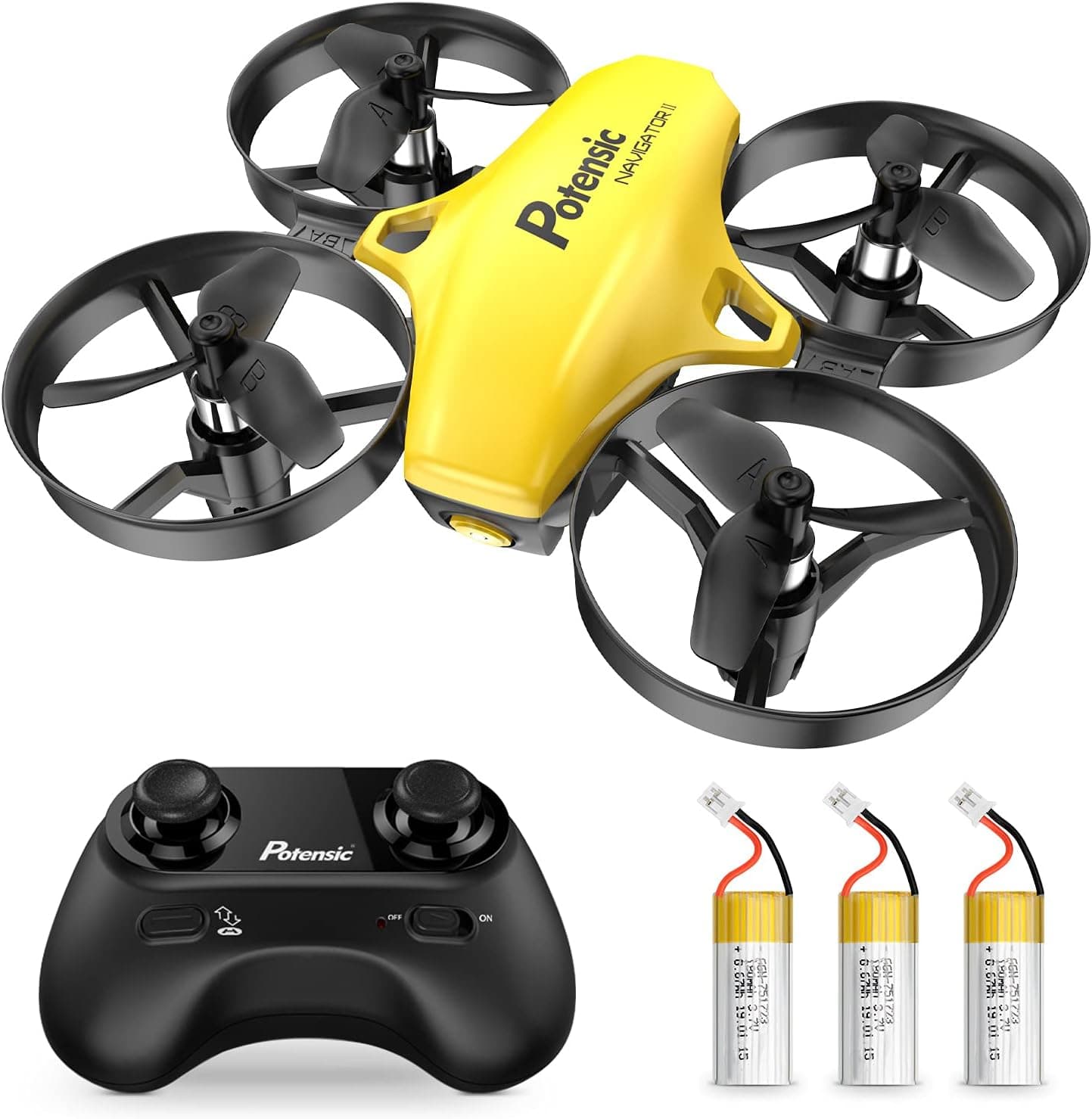
The Potensic A20 Mini Drone is often the first suggestion you'll hear when someone asks for a super-small, super-simple drone. It's designed almost entirely around the idea of ease of use and durability, making it an excellent choice for very young pilots or anyone with zero prior experience. The A20 is tiny, genuinely palm-sized, and lightweight enough that you barely notice it in your pocket. This size isn't just for portability; it also means it's less likely to cause damage if it bumps into furniture indoors, which is where many beginners start their drone journey.
Design and Build Quality
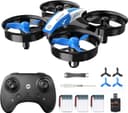
Potensic went with a fully enclosed propeller design for the A20, which is a smart move for a beginner drone. Those propeller guards aren't just for show; they significantly protect the blades from impacts and prevent little fingers from getting caught. The plastic body feels robust enough to handle routine bumps and drops that are inevitable during learning. It's not a premium feel, of course, but it inspires confidence that it won't shatter on the first hard landing. The remote control is equally straightforward, a basic gamepad-style unit that's perfectly sized for smaller hands, with clearly labelled buttons for essential functions like one-key take-off and landing.
Key Features
For its budget-friendly price, the A20 packs the core features a beginner needs. You get altitude hold, which is arguably the most important feature for new pilots, as it automatically keeps the drone at a stable height, allowing you to focus on directional control. Headless mode is also included, which simplifies orientation by letting the drone fly relative to the pilot's position, regardless of which way the drone's 'front' is facing. There are three-speed modes, allowing pilots to start slow and gradually increase speed as their skills improve. It typically comes with two or three modular batteries, which is a huge plus, as each battery only offers about 5-7 minutes of flight time. Swapping them out extends the fun without long charging breaks.
Performance
Flying the A20 is exactly as advertised: easy. The altitude hold works surprisingly well for such a small drone, providing a stable platform for learning. It's responsive enough to be engaging but not so zippy that it gets away from you. Indoors, it handles beautifully, navigating rooms with relative precision. Outdoors, it struggles with even light breezes, which is expected given its featherlight build. Don't expect to fly this on a windy day. The range is decent for its size, usually around 20-30 metres, which is plenty for a backyard or park. There's no camera on the A20, keeping things focused purely on the joy of flight.
Value for Money
The Potensic A20 sits firmly in the budget category, often costing roughly £25-£35. For that price, you're getting a durable, incredibly easy-to-fly drone that makes a fantastic gift or a no-pressure entry point into the hobby. The inclusion of multiple batteries right out of the box makes it an even better deal, preventing frustration from short flight times. It's hard to beat the A20's combination of simplicity and resilience for its cost.
SYMA X20 Mini Drone: The Slightly More Refined Budget Option
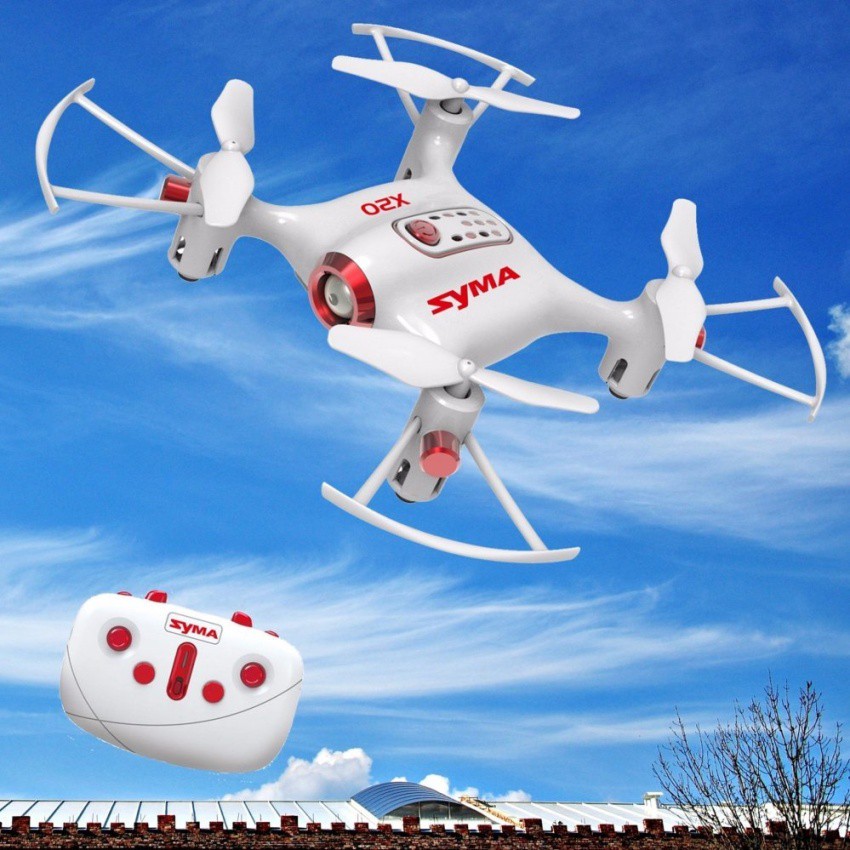
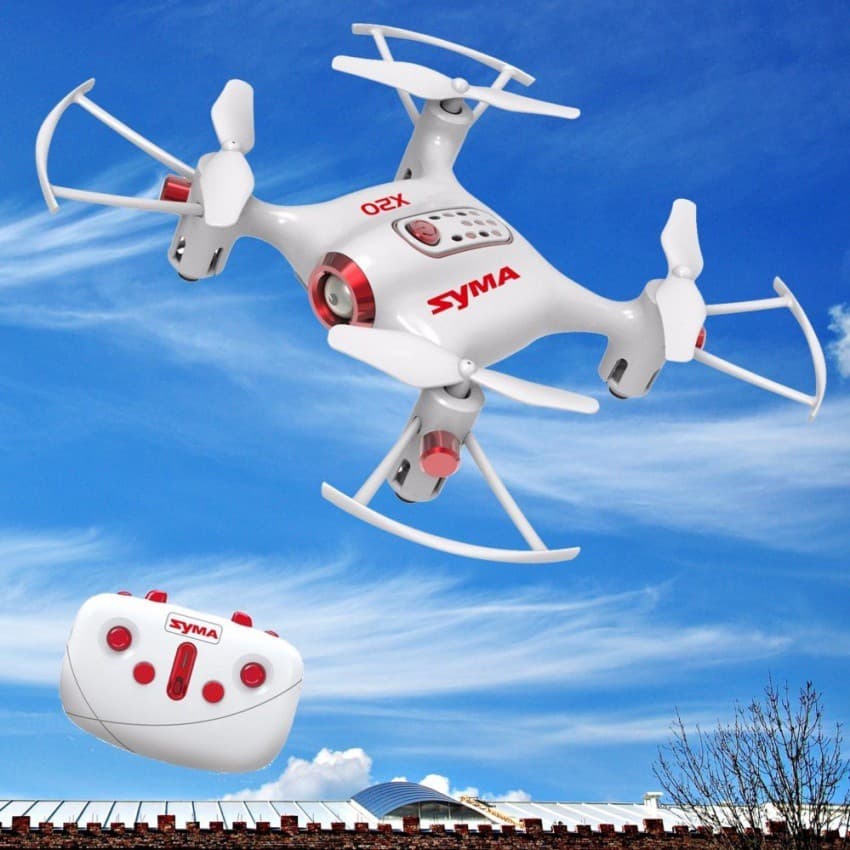
The SYMA X20 Mini Drone aims for a similar niche as the A20, providing an accessible and robust experience for beginners. SYMA has been a player in the drone market for a long time, known for producing reliable, no-frills entry-level models. The X20 feels like a step up in design from some of the more basic mini drones, offering a sleeker aesthetic while retaining that crucial beginner-friendly ethos.
Design and Build Quality
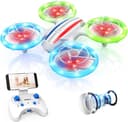
The X20 also features integrated propeller guards, similar to the A20, offering critical protection. Its design is a bit more 'UFO-like' or futuristic, with a smooth, rounded body. It feels slightly larger and perhaps a touch more substantial than the A20, though still very much a mini drone. The plastic still feels durable for its class, capable of taking minor impacts. The remote control is a comfortable size, with intuitive button placement. It's not as compact as some ultra-mini remotes, making it suitable for a wider range of hand sizes. The landing gear is part of the integrated body, adding to its compact and robust feel.
Key Features
Like the A20, the SYMA X20 includes essential beginner features: altitude hold for stable hovering and headless mode for simplified orientation. It also offers one-key take-off and landing, which significantly reduces pilot anxiety during the initial phases of flight. A notable addition for the X20, which some budget drones omit, is the ability to perform 360-degree flips with a push of a button. While not a critical flight feature, it adds a layer of fun once the basics are mastered. It typically comes with one battery, offering around 5-8 minutes of flight, though additional batteries are usually available for purchase separately.
Performance
The SYMA X20 delivers a very stable flight experience, especially indoors. The altitude hold is reliable, making it easy to keep the drone at eye level. Control inputs feel precise, and it responds well to joystick movements without being overly sensitive. It has multiple speed modes to accommodate varying skill levels. Outdoors, like the A20, it's best reserved for calm conditions; any significant breeze will push it around. The range is comparable to other mini drones in this class, typically up to 30 metres. Again, no camera here, keeping the focus on pure flight skills.
Value for Money
The SYMA X20 generally sits in a similar price bracket to the Potensic A20, usually retailing for around £25-£40. It offers a solid set of beginner features in a well-built, attractive package. If you appreciate the slightly more refined design or the added flip function, it represents excellent value. Just be aware that if you want extended flight sessions, you'll likely need to invest in extra batteries, which might push the total cost up slightly compared to the A20 if that one comes with multiple out-of-the-box.
Ryze Tello: The Smart Mini Drone with a Brain
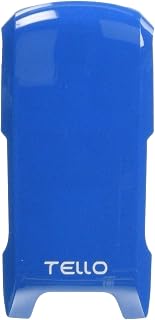
The Ryze Tello isn't just a toy drone; it's a surprisingly sophisticated little quadcopter developed by Ryze Technology, leveraging DJI's flight technology. This means it benefits from robust flight stabilisation and software features typically found in much larger, more expensive drones. The Tello aims to be an educational tool as much as a fun flyer, integrating coding capabilities and a decent camera for its size, making it a standout option for slightly older kids and aspiring drone enthusiasts.
Design and Build Quality
The Tello has a clean, minimalist design with removable propeller guards. While these guards offer good protection, they are external, unlike the integrated designs of the A20 and X20. The body itself is made of a lightweight but robust plastic. It feels more premium in hand than its budget counterparts, a clear sign of DJI's influence. It's still palm-sized, but its slightly heavier weight compared to the A20 gives it a more substantial feel in the air. The battery slides neatly into the back, and the micro-USB charging port is easily accessible.
Key Features
This is where the Tello truly shines. It boasts a 5MP camera that shoots 720p video, a significant upgrade from the camera-less A20 and X20. Crucially, the camera uses electronic image stabilisation (EIS) to deliver surprisingly smooth footage for a drone of this class. It has all the beginner essentials like altitude hold and one-key take-off/landing, but it adds several intelligent flight modes: Throw & Go, 8D Flips (more precise than basic flips), and even EZ Shots for cinematic video segments. Where it truly sets itself apart is its programmability. You can learn the basics of coding using Scratch, Swift Playgrounds, or the Tello SDK, allowing you to program custom flight paths and manoeuvres. Flight time is impressive for a mini drone, typically around 13 minutes per charge.
Performance
Thanks to DJI's flight tech, the Tello's flight performance is exceptionally stable. The altitude hold is rock solid, and it holds its position with impressive accuracy, even indoors. Control is primarily via a smartphone app (or an optional Bluetooth controller for a more traditional feel), which is responsive and intuitive. Outdoors, it handles light wind much better than the A20 or X20, though it's still not a drone for breezy conditions. The camera quality is surprisingly good, capturing clear images and decent video that's perfect for sharing on social media or for simple home videos. The range is also superior, often up to 100 metres, giving you more freedom to explore.
Value for Money
The Ryze Tello is undoubtedly the most expensive of the three, usually retailing for roughly £90-£120. However, you're paying for a vastly more capable drone. The combination of its excellent flight stability, decent camera, and robust programming features makes it an incredible educational tool and a serious step up in capabilities from the basic budget flyers. If you or your child are interested in photography, coding, or simply want a more advanced, longer-lasting experience, the Tello offers phenomenal value. It’s not just a toy; it’s a learning platform.
Comparison Table
| Feature | Potensic A20 Mini Drone | SYMA X20 Mini Drone | Ryze Tello |
|---|---|---|---|
| Price Band | Budget (£25-£35) | Budget (£25-£40) | Mid-Range (£90-£120) |
| Camera | None | None | 5MP, 720p Video (EIS) |
| Flight Time (per battery) | ~5-7 minutes | ~5-8 minutes | ~13 minutes |
| Control Method | Dedicated Controller | Dedicated Controller | Smartphone App (Optional Controller) |
| Special Features | Ultra-compact, multiple batteries included | 360° Flips, sleek design | DJI flight tech, programmable (Scratch/SDK), intelligent flight modes |
| Best For | Absolute beginners, very young kids, indoor flight | Beginners wanting a slightly sleeker, simple flyer | Older kids, aspiring pilots, those interested in coding/photography |
| Buy | Check price on Amazon | Check price on Amazon | Check price on Amazon |
Verdict: Which Mini Drone Should You Buy?
For the absolute beginner, particularly younger children, the Potensic A20 Mini Drone remains an outstanding choice. Its enclosed design, simple controls, and typically generous inclusion of multiple batteries make it incredibly forgiving and fun right out of the box. You just charge it and fly, no fuss. It’s cheap enough that if they lose interest or it takes too many tumbles, you won't feel like you've wasted much money.
The SYMA X20 Mini Drone is a very close second in this category. It offers a similar core experience to the A20, with reliable flight and robust build, but with a slightly different aesthetic and perhaps a minor bump in perceived build quality. If you find a good deal on the X20, or simply prefer its look, it's a perfectly valid alternative to the A20 for the same target audience.
However, if you're looking for something that goes beyond basic flight, offers educational value, and provides a genuinely superior flight and camera experience, the Ryze Tello is in a league of its own. It's more expensive, yes, but the features it packs – from the stable DJI-powered flight to the 720p camera and coding capabilities – make it worth every extra penny for the right user. This isn't just a toy; it's a stepping stone into more serious drone piloting and even programming. For older kids (8+) or adults wanting a quality, small drone, it's the clear winner.
Top Pick: Ryze Tello
Given the desire for a balance of fun, education, and solid performance, the Ryze Tello stands out as the most versatile and capable option for a beginner, offering room to grow beyond just basic flight.
Pros of the Ryze Tello
- Exceptional flight stability thanks to DJI technology.
- Surprisingly good 720p camera with electronic image stabilisation.
- Programmable via Scratch and SDK, offering educational value.
- Longer flight time (around 13 minutes) compared to budget mini drones.
- Intelligent flight modes for creative shots and fun.
Cons of the Ryze Tello
- Significantly more expensive than the Potensic A20 or SYMA X20.
- Relies on a smartphone for control (a dedicated controller is an extra purchase).
- External propeller guards can be a little less protective in extreme crashes than integrated designs.
Best For
Older children (8+) and adults seeking a feature-rich, stable mini drone for learning to fly, basic aerial photography, and introductory coding.
Alternatives to Consider
If the Tello is outside your budget or you truly just want the simplest, most resilient flyer for a very young child, then the Potensic A20 Mini Drone remains an unbeatable option for sheer crashability and ease of use at a very low price point. For a slightly different aesthetic with similar core capabilities at the entry-level, the SYMA X20 Mini Drone is also a solid pick. Both are excellent choices if you prioritise durability and simplicity over camera features or advanced programming.
The Final Word
Choosing a beginner drone depends on what you prioritise. For pure, unadulterated, crash-friendly fun on a tight budget, the Potensic A20 and SYMA X20 are fantastic entry points. But if you're ready to invest a bit more for a drone that teaches, captures decent footage, and genuinely feels like a miniature marvel of technology, the Ryze Tello is the superior choice that offers far more long-term engagement.
Check the latest price for the Ryze Tello on Amazon