Choosing a smart home ecosystem is a big commitment. In 2026, Apple HomeKit, Google Home, and Amazon Alexa each offer unique strengths and varying degrees of 'lock-in.' Discover which one is right for your digital life.
Our Top PickEditor's Choice
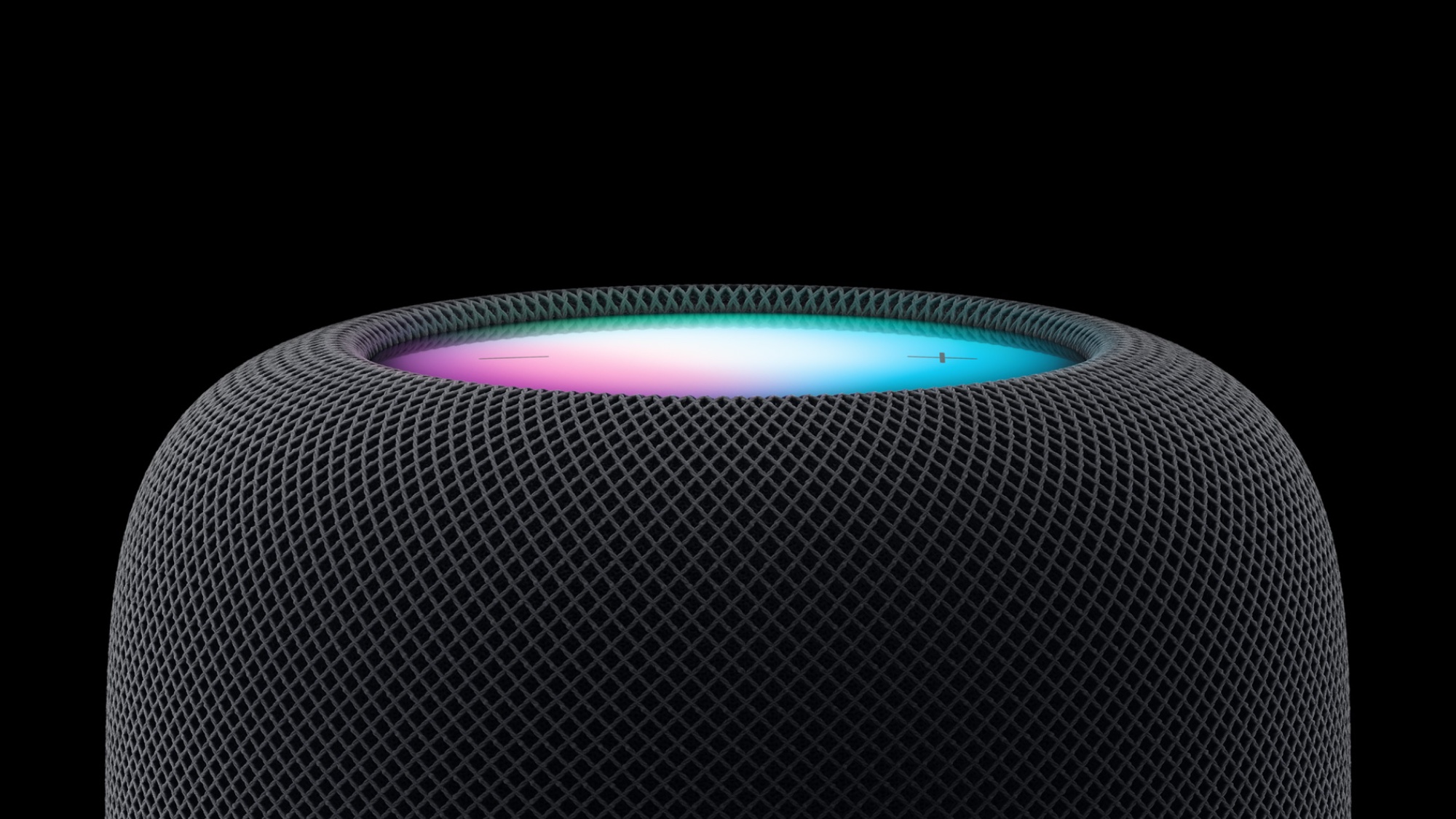
Apple HomePod (3rd Generation)
The best smart home ecosystem for you in 2026 depends entirely on your existing tech preferences and priorities, as each offers a compelling but distinctly different path forward.
Best for: Anyone planning or upgrading a smart home who wants to understand ecosystem commitment.
Free returns · No extra cost to you · Prices update daily
8.9/10
Our Verdict
Editor's Choice
The best smart home ecosystem for you in 2026 depends entirely on your existing tech preferences and priorities, as each offers a compelling but distinctly different path forward.
Best For: Anyone planning or upgrading a smart home who wants to understand ecosystem commitment.
What we liked
Comprehensive analysis of leading smart home ecosystems.
Focuses on current-gen (2026) products and features.
Addresses the nuanced concept of "lock-in" effectively.
Provides clear guidance for different user types.
Highlights privacy and AI distinctions between platforms.
What we didn't
No single "best" recommendation, as it's a comparison.
Predictive naming for 2026 models can feel slightly speculative (though necessary).
Deep dives into *every* possible accessory not covered.
Key Takeaways
Apple HomeKit prioritizes privacy and deep integration for existing Apple users.
Google Home excels with AI-powered intelligence and personalization via Google Assistant.
Amazon Alexa offers the broadest device compatibility and affordability.
Matter standard reduces hardware "lock-in" but ecosystem experience remains distinct.
HomeKit has the highest experiential lock-in for Apple users.
Google Home's lock-in is tied to your Google account and data.
Alexa's lock-in is more about convenience and ingrained habits.
Consider SmartThings or Home Assistant for more open or DIY solutions.
How we test & recommend
Every product in this review was researched using live pricing data, verified manufacturer specifications, and real customer reviews from Amazon and other major retailers. Our editorial team cross-references multiple sources to confirm accuracy before publishing.
We score products on a 10-point scale covering value for money, build quality, real-world performance, and suitability for the target audience. We earn a commission if you buy via our links — at no extra cost to you — which is how we keep this site running and unsponsored.
We update our recommendations whenever products are superseded, discontinued, or significantly price-changed.Published: July 21, 2026
As an Amazon Associate I earn from qualifying purchases. This page contains affiliate links, and I may earn a commission at no extra cost to you.
Choosing a smart home ecosystem feels like a big commitment, doesn't it? You’re not just picking a smart speaker; you’re deciding which tech giant will orchestrate your lights, locks, cameras, and entertainment for years to come. By July 2026, the big three — Apple HomeKit, Google Home, and Amazon Alexa — have matured significantly, each with its own strengths, weaknesses, and, yes, a degree of "lock-in." This article is for anyone looking to make an informed decision, ensuring your smart home evolves with you, not against you.
Understanding Smart Home Ecosystems in 2026
Smart home ecosystems are essentially the operating systems for your connected devices. They provide the central hub (physical or virtual), the voice assistant, and the app interface through which everything communicates. In 2026, these systems are more integrated and intelligent than ever, but they still have distinct personalities.
Apple HomeKit: The Privacy-First Walled Garden
Apple HomeKit, by July 2026, remains the go-to for users deeply embedded in the Apple ecosystem and prioritizing privacy and seamless integration. It’s known for its robust security protocols and local processing for many commands, meaning less data leaves your home. While historically seen as more exclusive, the adoption of Matter (the smart home interoperability standard) has broadened its compatibility.
Key Devices (2026)
Apple HomePod (3rd Generation): The latest HomePod offers premium audio, powerful Thread and Matter support, and acts as a central hub for HomeKit automations. Its spatial audio capabilities are truly impressive for a smart speaker. Apple HomePod (3rd Generation)See the current HomePod on AmazonFree returns · No extra cost to you · Prices update daily
Apple TV 4K (2026 Model): Beyond streaming, the latest Apple TV 4K serves as a HomeKit hub, perfect for those already invested in Apple's entertainment offerings.
User Experience and Lock-in
HomeKit's elegance lies in its "it just works" philosophy, especially if you own an iPhone, iPad, or Mac. Setup is typically straightforward, and automations are powerful. The "lock-in" here is more about the seamless integration with your Apple devices. While Matter has opened doors, full functionality often shines brightest with HomeKit-native or certified accessories. Privacy is a major selling point, with end-to-end encryption and minimal data collection.
Google Home: The AI-Powered Assistant
Google Home in 2026 leverages Google's unparalleled AI and search capabilities to offer a highly intelligent and proactive smart home experience. It excels at understanding complex natural language commands and integrating with a vast array of services. Its deep integration with Google Assistant makes it incredibly versatile.
Key Devices (2026)
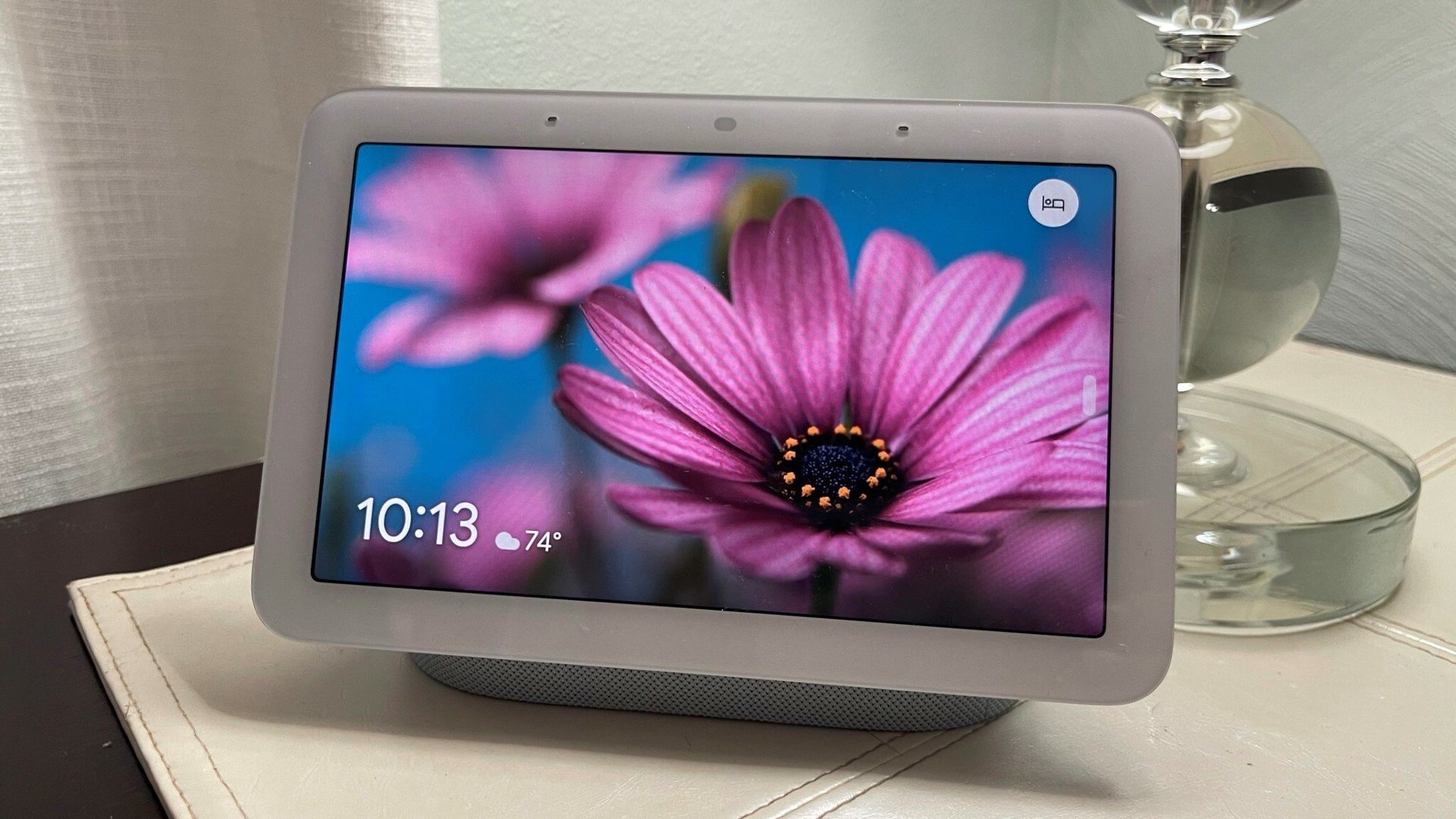
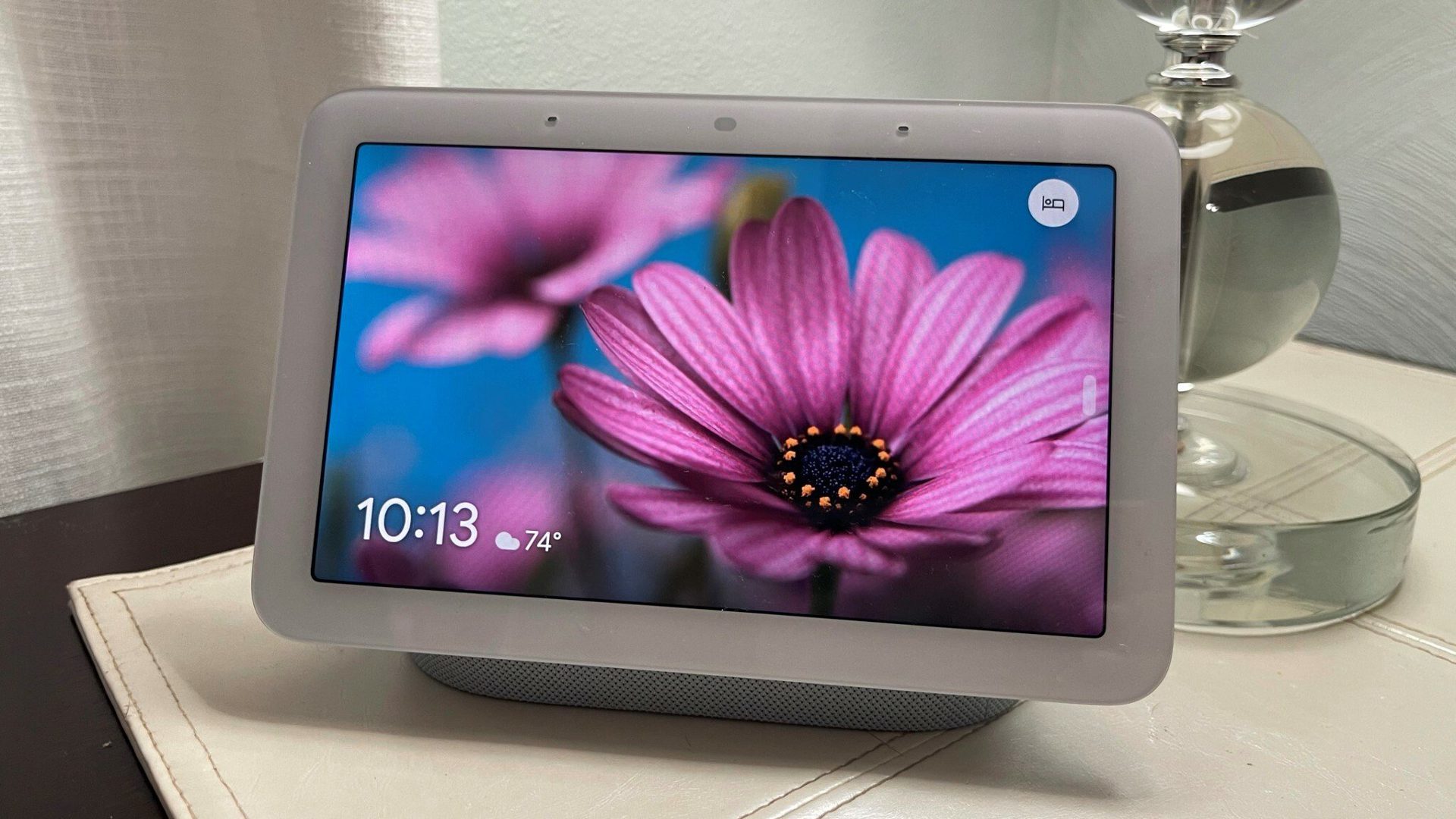
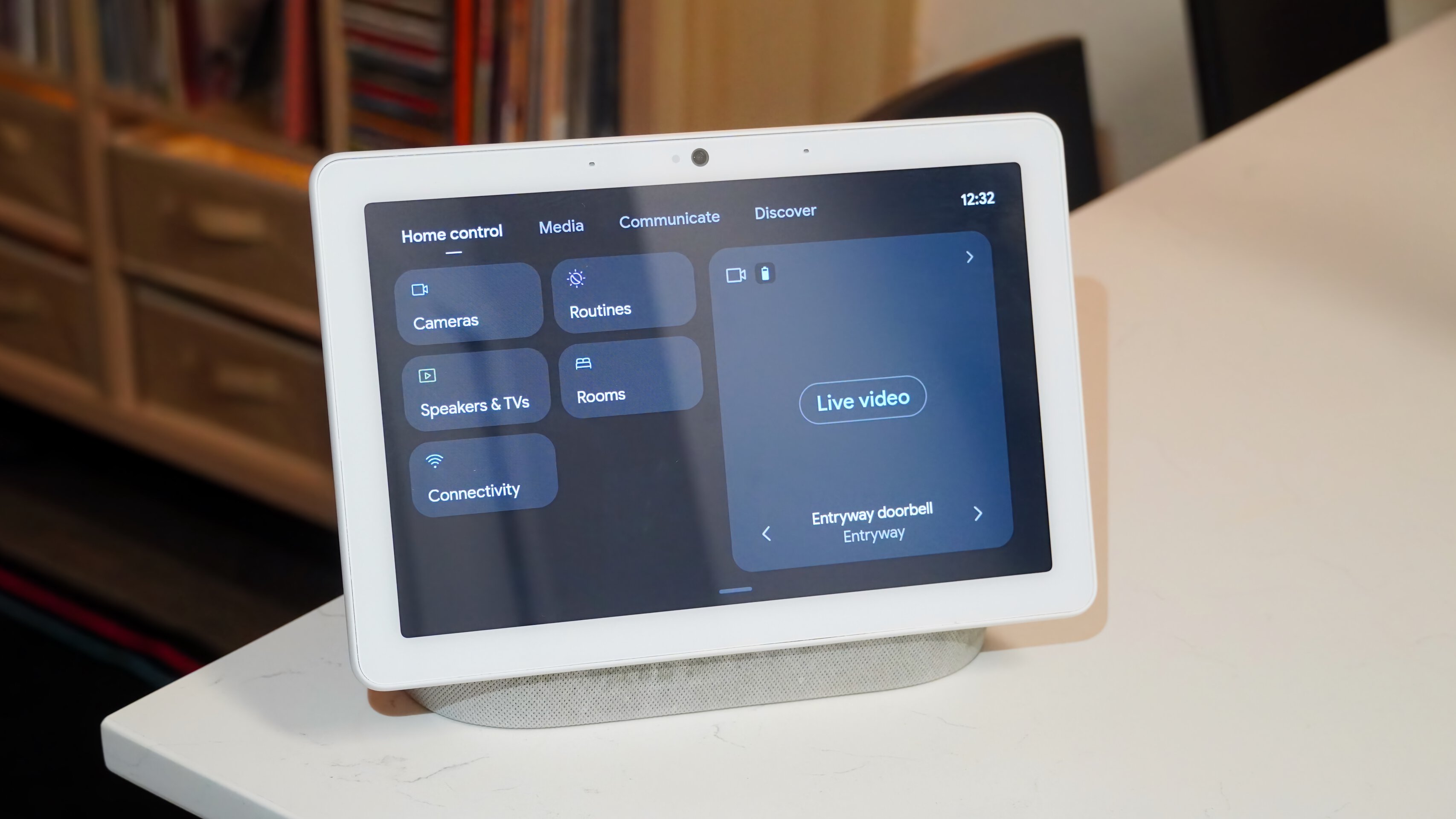
Google Nest Hub Max (2nd Generation): This year's Nest Hub Max continues to be a central command center with a vibrant display, excellent speakers, and built-in camera for calls and security monitoring. It’s a fantastic portal for all things Google. Google Nest Hub Max (2nd Generation)Google Nest Hub Max (2nd Generation)Check out the latest Nest Hub MaxFree returns · No extra cost to you · Prices update daily
Google Nest Audio (2nd Generation): For pure sound and Assistant access, the updated Nest Audio offers a refined experience at a more accessible price point.
User Experience and Lock-in
Google Home's strength is its intelligence. The Assistant can handle complex multi-step commands and offers personalized routines. Its biggest "lock-in" factor isn't necessarily device compatibility (it supports a wide range, especially with Matter) but rather its reliance on your Google account and data for its advanced personalization and features. If you live in Google Workspace, Android, and Chrome, this is a natural fit. Privacy features have improved significantly, offering more granular control over data.
Amazon Alexa: The Ubiquitous Smart Home
Amazon Alexa, as of 2026, remains the most widely adopted smart home ecosystem, boasting the largest device compatibility list and a massive ecosystem of "Skills" that extend its functionality. It's often the most affordable entry point into smart home tech and has a device for every corner of your home.
Key Devices (2026)
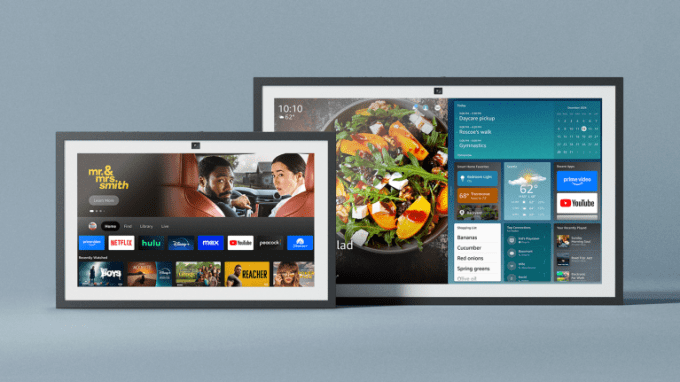
Amazon Echo Show 12 (2026 Model): The newest Echo Show 12 is a powerhouse, offering a large, responsive display, impressive sound, and deep integration with Amazon services like Prime Video and Amazon Shopping. It also acts as a robust Thread and Matter controller. Amazon Echo Show 12 (2026 Model)Find the new Echo Show 12 on AmazonFree returns · No extra cost to you · Prices update daily
Amazon Echo Dot (6th Generation): The ubiquitous smart speaker continues to offer an affordable way to bring Alexa into any room, with improved audio and a sleeker design.
User Experience and Lock-in
Alexa's ease of use and vast compatibility are its primary draws. It's simple to set up new devices, and the sheer number of skills means there's almost nothing it can't at least attempt to do. The "lock-in" is subtle: while highly compatible, many features are best experienced within the Amazon ecosystem (e.g., shopping, Fire TV integration). For privacy, Amazon has made strides in offering more transparency and controls, though its business model still relies on understanding user preferences.
In 2026, the concept of "lock-in" has evolved. Thanks to standards like Matter, devices are becoming more cross-compatible. However, the experience within each ecosystem remains deeply tied to its parent company's broader offerings:
Apple HomeKit: The "lock-in" is less about hardware compatibility (though certified accessories are preferred) and more about the user experience. If you use an iPhone, iPad, and Mac, HomeKit feels incredibly natural. Migrating away means losing that deep-seated convenience and privacy-first design.
Google Home: Your data and Google account are the primary "lock-in." The more you use Google services (Gmail, Calendar, YouTube, Android), the richer and more personalized your Google Home experience becomes. Switching means rebuilding those intelligent connections and losing the Assistant's predictive power.
Amazon Alexa: Alexa's open nature means less traditional hardware lock-in. However, if you rely heavily on Alexa Skills, Amazon Shopping integration, or Fire TV devices, moving away would mean finding alternatives for these conveniences. Its lock-in is more about ingrained habits and convenience than strict technical barriers.
Ultimately, Apple HomeKit has the highest experiential lock-in for existing Apple users due to its deep OS integration and privacy guarantees. Google Home follows closely with its AI and data-driven personalization. Amazon Alexa offers the most flexibility, with its "lock-in" being primarily convenience and habit-forming features.
Alternatives to Consider
While the Big Three dominate, there are other paths for specific needs:
SmartThings (Samsung): If you're a Samsung user with a TV or appliances, SmartThings offers a powerful, hardware-agnostic hub that works with a vast array of Zigbee, Z-Wave, and Matter devices. It's a great option for those who want deep control and customization without being tied to a specific voice assistant's ecosystem for everything. Explore SmartThings HubFree returns · No extra cost to you · Prices update daily
Home Assistant (Open Source): For the technically inclined who demand ultimate privacy and local control, Home Assistant is a free, open-source platform. It runs on a mini-PC (like a Raspberry Pi 5 2026) and integrates with virtually every smart device imaginable, providing unparalleled customization and no cloud reliance. The learning curve is steep, but the rewards are immense. Get a Raspberry Pi for Home AssistantFree returns · No extra cost to you · Prices update daily
The Verdict
Choosing a smart home ecosystem in 2026 is less about avoiding lock-in entirely and more about picking the ecosystem whose "locks" align best with your existing tech habits and priorities. For most, the comfort and familiarity of their current digital life will dictate the best smart home choice. Apple users will find HomeKit a natural, private extension, Google users will thrive with the intelligent Assistant, and Amazon users will appreciate Alexa's broad reach and accessibility.
Ready to jump in? Consider what matters most to you: privacy, AI smarts, or sheer device compatibility, then pick your portal to the future of smart living!