As an Amazon Associate I earn from qualifying purchases. This page contains affiliate links, and I may earn a commission at no extra cost to you.
Elegoo Uno Project Smart Car Kit: Is It the Ultimate Arduino Challenge for Teen Engineers?
In August 2026, the world of STEM education for teens is richer than ever, with accessible kits making complex topics digestible and exciting. For any teenager with a spark of curiosity for how things work, an Arduino smart car kit like Elegoo's promises an engaging, hands-on journey into electronics, coding, and robotics. It’s not just about building a toy; it’s about understanding the underlying principles of sensors, motors, and programming logic. But does the Elegoo Uno Project Smart Car Kit truly deliver on its promise as an ultimate STEM challenge?
We’ll dive deep into what makes these kits so popular, explore their learning potential, and look at individual components and broader kits that can either complement or serve as excellent alternatives for the aspiring teen engineer. We even consider some general tech gadgets that might appeal to the same curious minds, because learning isn't just about one specific niche, it's about a broader appreciation for innovation.
The Allure of the Elegoo Smart Car Kit
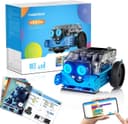
The Elegoo Uno Project Smart Car Kit often features prominently in lists for aspiring robot enthusiasts, and for good reason. It offers a structured, yet flexible, introduction to Arduino, a platform beloved by hobbyists and professionals alike. The kit typically centres around an Arduino Uno R3 compatible board, which is the brain of the operation, controlling all the car's movements and reactions. This isn't just a simple remote-controlled car; it's a programmable platform designed to teach crucial concepts.
The appeal for teens lies in the immediate gratification of seeing their code translate into physical action. From basic forward and backward motion to more complex obstacle avoidance or line-following capabilities, each successful step reinforces learning and builds confidence. It bridges the abstract world of code with the tangible reality of mechanics and electronics, fostering a holistic understanding of how modern technology is engineered. It’s a comprehensive package aimed at providing a complete, guided learning experience, making it an excellent gateway to more advanced robotics and programming projects.
What to Expect from the Elegoo Smart Car: Design and Build
Typically, the Elegoo Uno Project Smart Car Kit arrives with a pre-cut acrylic chassis, a collection of DC motors with wheels, a motor driver board (often an L298N), an ultrasonic sensor for distance measurement, line tracking modules, an IR remote control, and a Bluetooth module for app control. The quality of the components is generally robust enough for repeated assembly and disassembly, which is crucial for a learning kit where mistakes and revisions are part of the process. The chassis pieces fit together with nuts and bolts, forming a solid base for the electronics.
Assembly isn't trivial, but it's meticulously documented. Elegoo is known for providing clear, step-by-step instructions, often including detailed diagrams and video tutorials. This guidance is essential for teenagers (and their supporting adults) who might be new to electronics. The process itself teaches valuable practical skills: how to identify components, correctly wire circuits, secure parts, and manage cables. It’s a real engineering challenge, requiring patience and attention to detail. Expect to spend a few hours on the initial build, carefully following the manual, but the satisfaction of seeing the frame come together is a huge motivator. This hands-on construction really sets it apart from purely software-based learning.
Unpacking the Core Features and Capabilities
Once assembled, the Elegoo Smart Car can perform a variety of impressive tasks, demonstrating fundamental robotic behaviours:
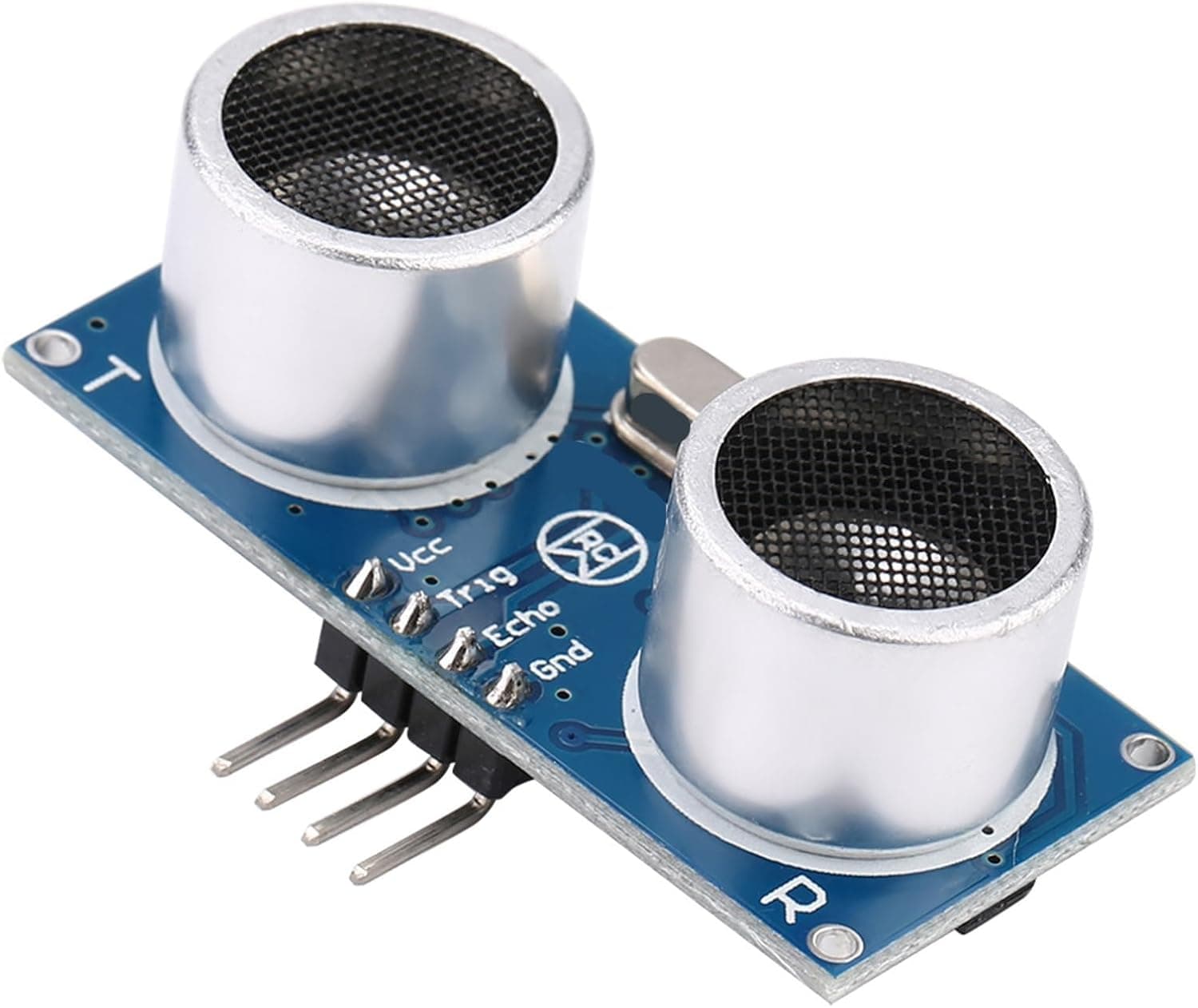
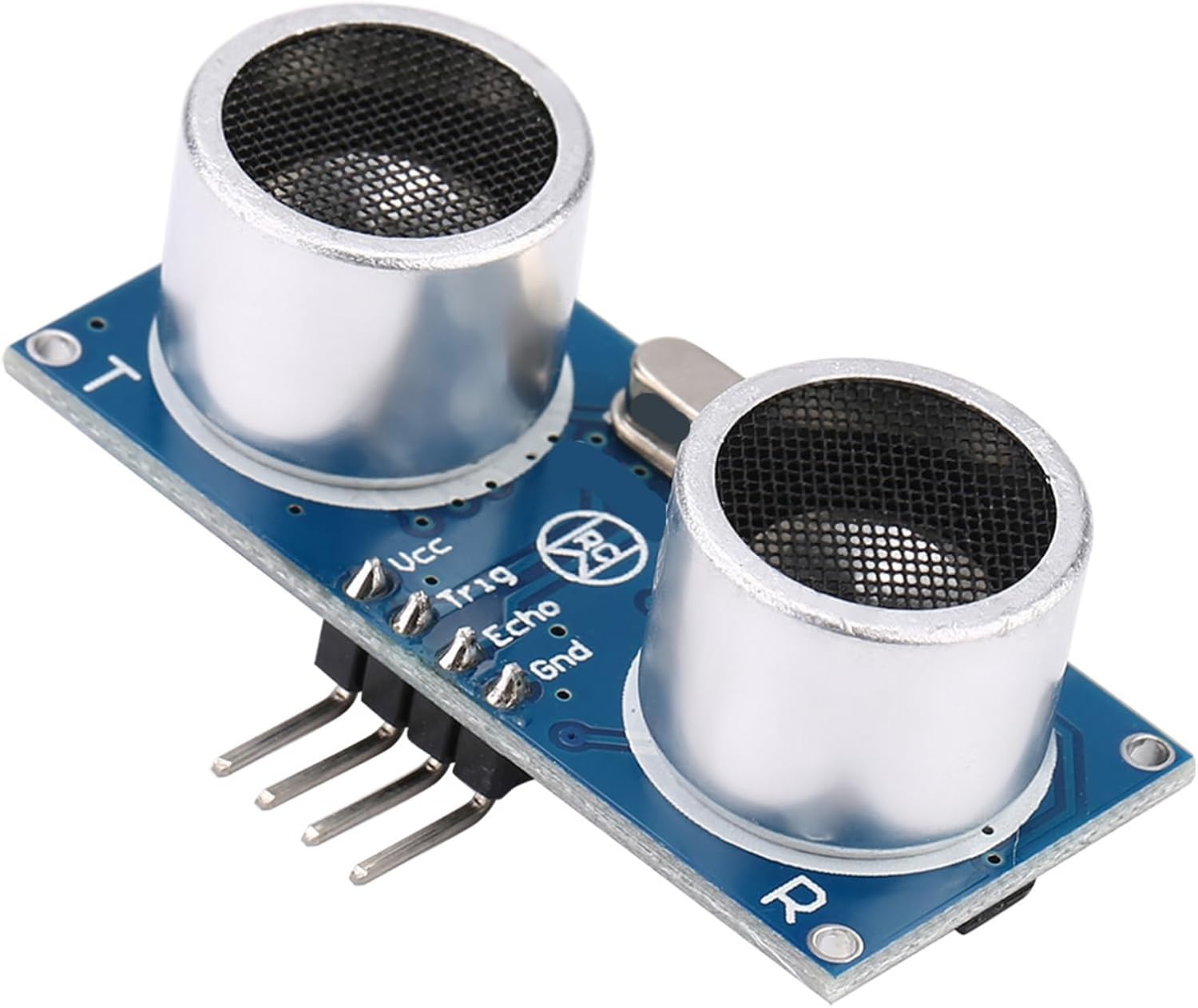
- Obstacle Avoidance: Utilising an ultrasonic sensor (like the widely used HC-SR04), the car can detect objects in its path and autonomously navigate around them. This introduces concepts of sensor input, conditional logic, and reactive programming.
- Line Following: Infrared (IR) sensors mounted on the underside allow the car to detect dark lines on a light surface, enabling it to follow a predetermined track. This teaches sensor calibration and PID (Proportional-Integral-Derivative) control concepts in a simplified manner.
- Bluetooth Control: With a Bluetooth module, users can control the car via a smartphone app, providing a modern, interactive control interface. This involves understanding serial communication and app development principles.
- IR Remote Control: A classic remote control offers another way to direct the car, teaching IR communication protocols and basic command processing.
- Servo Control: Many kits include a small servo motor, often for panning the ultrasonic sensor to scan a wider area, introducing the concept of precise angular movement.
Each feature is a distinct project within itself, designed to be tackled sequentially. The open-source nature of Arduino means that once a teen has mastered the basic functions, they can experiment, modify the code, and even add new sensors or actuators, truly making the project their own.
Performance: Driving the Learning Home
It's important to set realistic expectations for the performance of an entry-level educational robot car. It won't be as fast or precise as a commercially engineered product, but that's not its purpose. The Elegoo Smart Car performs admirably for what it is: a robust learning platform.
Based on published specs and verified owner feedback, the DC motors provide adequate speed for indoor use, and the sensors are generally reliable once properly calibrated. Obstacle avoidance is typically effective, though rapid movements or highly reflective surfaces can sometimes challenge the ultrasonic sensor. Line following can be surprisingly accurate with good lighting and clear lines, but perfecting the algorithm is part of the challenge and learning experience. Connectivity via Bluetooth is usually stable within reasonable ranges.
Common hurdles reported by owners include the initial calibration of sensors, debugging code errors (a universal programming experience!), and ensuring all connections are secure. These aren't drawbacks of the kit, but rather inherent parts of the learning process that develop critical problem-solving skills. The car's physical robustness is generally good, capable of withstanding minor bumps and repeated handling, which is essential when dealing with enthusiastic young engineers.
Is the Elegoo Smart Car Kit Good Value?
Considering the comprehensive nature of the components, the quality of the instructions, and the sheer amount of educational content it provides, the Elegoo Uno Project Smart Car Kit offers genuinely strong value. At a mid-range price point for a starter robotics kit, it’s an investment in a skillset, not just a gadget. Compared to sourcing individual components and figuring out the curriculum yourself, the kit's all-inclusive approach saves time and reduces frustration, making it an excellent choice for beginners. The components themselves are also largely reusable for other Arduino projects once the car has served its initial purpose, extending its value significantly.
Pros and Cons of the Elegoo Smart Car Kit (Concept)
Pros:
- Comprehensive Learning Experience: Integrates electronics, coding, and mechanics.
- Excellent Documentation: Clear, step-by-step instructions and tutorials reduce barriers to entry.
- Hands-On Engagement: Builds practical skills and fosters problem-solving.
- Open-Source & Expandable: Arduino platform encourages further experimentation and customisation.
- Reusable Components: Most parts can be repurposed for future projects.
Cons:
- Steep Learning Curve: Can be challenging for those with no prior programming or electronics experience.
- Troubleshooting Required: Expect to spend time debugging code and connections, which can be frustrating.
- Physical Robustness: While decent, it's not a heavy-duty industrial robot; care is needed during assembly and use.
- Limited Out-of-the-Box Functionality: Requires coding to achieve advanced behaviours, not a 'plug-and-play' toy.
Who Is the Elegoo Smart Car Kit Best For?
The Elegoo Uno Project Smart Car Kit is truly best for curious teenagers aged 12 and up, budding engineers, or anyone interested in a structured, hands-on introduction to Arduino and robotics. It’s also an excellent choice for educators and parents looking for an engaging STEM gift that genuinely teaches valuable technical skills. If you're looking for a project that challenges logical thinking, encourages patience, and provides immense satisfaction upon completion, this kit hits the mark.
Deep Dive into Robotics Building Blocks: Essential Components
While a complete kit like Elegoo's offers a fantastic starting point, understanding and working with individual components is key to truly mastering robotics. Many of these are found within the Elegoo car kit itself, and learning about them individually can empower you to build custom projects or enhance existing ones.
The Eyes of Your Robot: HC-SR04 Ultrasonic Sensor Module
The HC-SR04 Ultrasonic Sensor Module is a cornerstone component in many beginner and intermediate robotics projects, including the Elegoo Smart Car. It acts as the robot's 'eyes,' allowing it to detect objects and measure distances without physical contact. The module works by emitting a high-frequency sound pulse (ultrasound) and then listening for the echo. By measuring the time it takes for the sound to travel to an object and return, the sensor can calculate the distance to that object. This simple yet effective principle is crucial for implementing obstacle avoidance, basic mapping, or even proximity alarms in your projects.
It typically has four pins: VCC (power), GND (ground), Trig (trigger), and Echo (receive). Connecting it to an Arduino is straightforward, and plenty of example code is available online. For its incredibly low price, the HC-SR04 offers immense utility for anyone serious about robotics. It's a fundamental sensor that every teen engineer should get to grips with.
Precision in Motion: SG90 Micro Servo Motor 9g
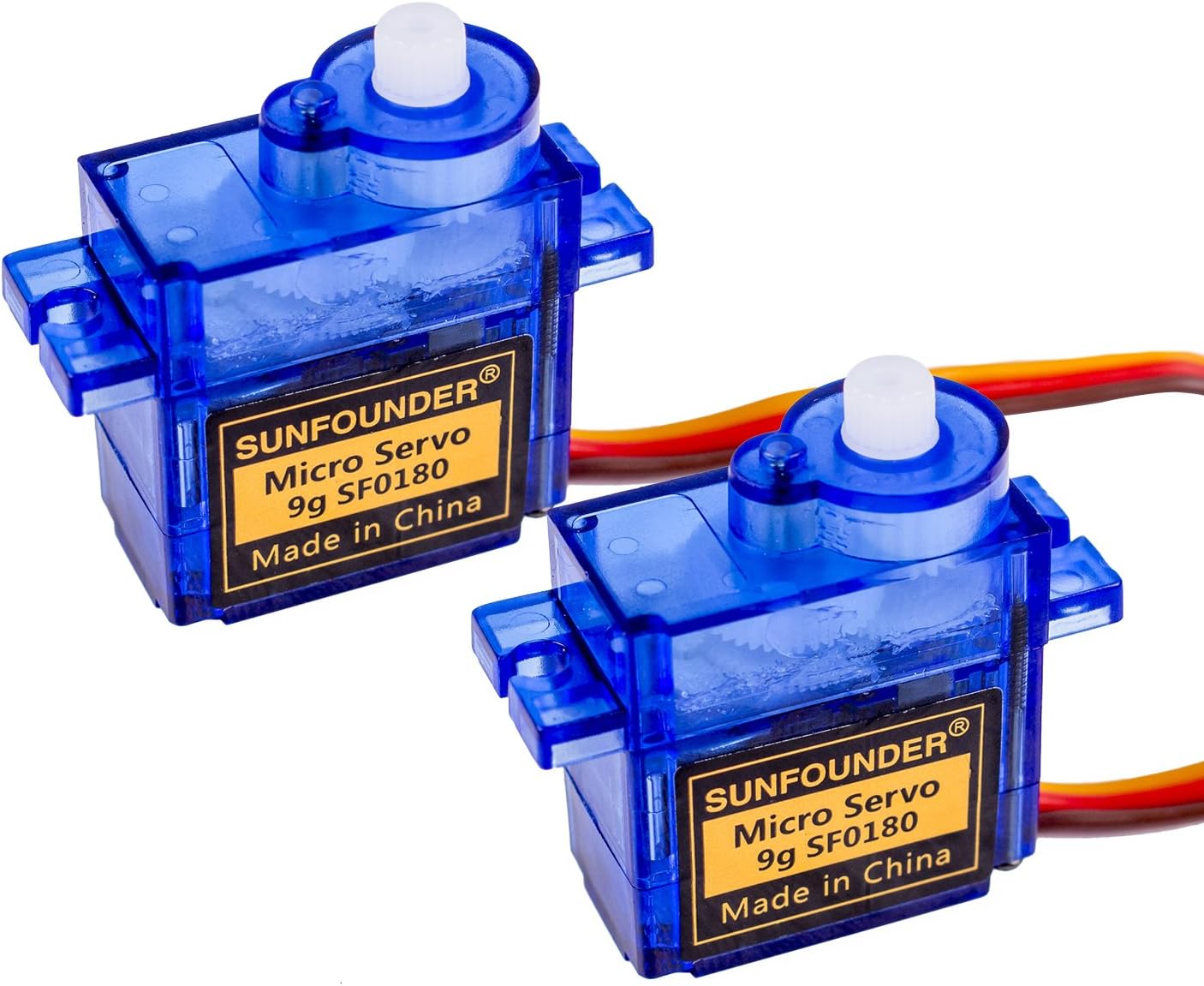
When you need precise, controlled angular movement in a small package, the SG90 Micro Servo Motor 9g is often the first component engineers reach for. Unlike continuous rotation motors that spin freely, a servo motor allows you to command it to move to a specific angle, typically within a 0 to 180-degree range. This makes it invaluable for applications where exact positioning is critical, such as steering mechanisms on small robots, rotating a camera or sensor (like the ultrasonic sensor on the Elegoo car), operating robot grippers, or even actuating small doors or levers.
The SG90 is particularly popular due to its compact size, light weight (just 9g!), and very affordable price. It's easy to control with an Arduino using a single signal wire, making it perfect for beginners. While it's not designed for heavy loads, its reliability and precision for small-scale movements make it a versatile workhorse in the world of hobby robotics and model building. Understanding how to use servos opens up a whole new world of mechanical control in your projects.
Beyond the Car: Expanding Your Arduino World with Sensor Kits
After building a smart car, many aspiring engineers find themselves craving more. They want to experiment with different types of inputs and outputs, pushing the boundaries of what they can create. This is where a comprehensive sensor module kit becomes an absolute game-changer, offering a treasure trove of possibilities far beyond a single robotic platform.
The Ultimate Sandbox: Elegoo 37-in-1 Sensor Module Kit
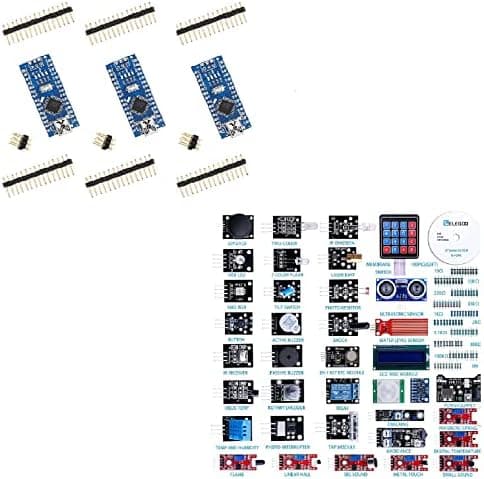
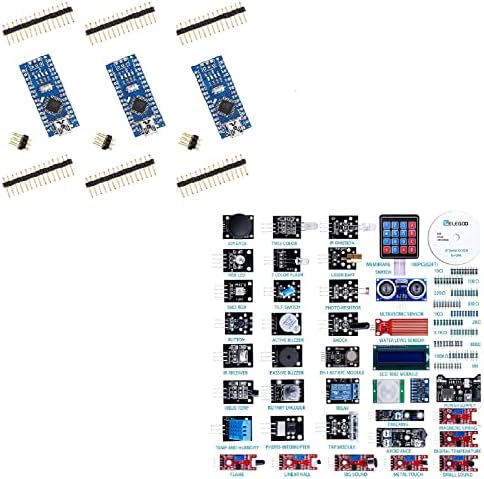
The Elegoo 37-in-1 Sensor Module Kit is, without a doubt, one of the best value propositions for any Arduino enthusiast looking to broaden their horizons. Instead of focusing on one project, this kit provides a vast array of individual sensors and components that can be used to build dozens of different projects. You'll find everything from basic LEDs and buttons to more advanced modules like a joystick, a flame sensor, a sound sensor, temperature and humidity sensors, a touch sensor, a photoresistor, and even a small passive buzzer.
This kit excels because it encourages pure experimentation. Each module comes with example code and diagrams, allowing a teen to quickly understand how a specific sensor works and integrate it into their own designs. Imagine building a smart home system that monitors room temperature, a security alarm that detects movement, or an interactive game controller – all with the components in this single kit. It fosters creativity and provides a deeper understanding of how real-world data is collected and processed by microcontrollers. For anyone who has mastered the smart car and wants to tackle new challenges, this kit is an essential next step, offering incredible versatility at a remarkably accessible price point. It truly acts as a modular playground for innovation.
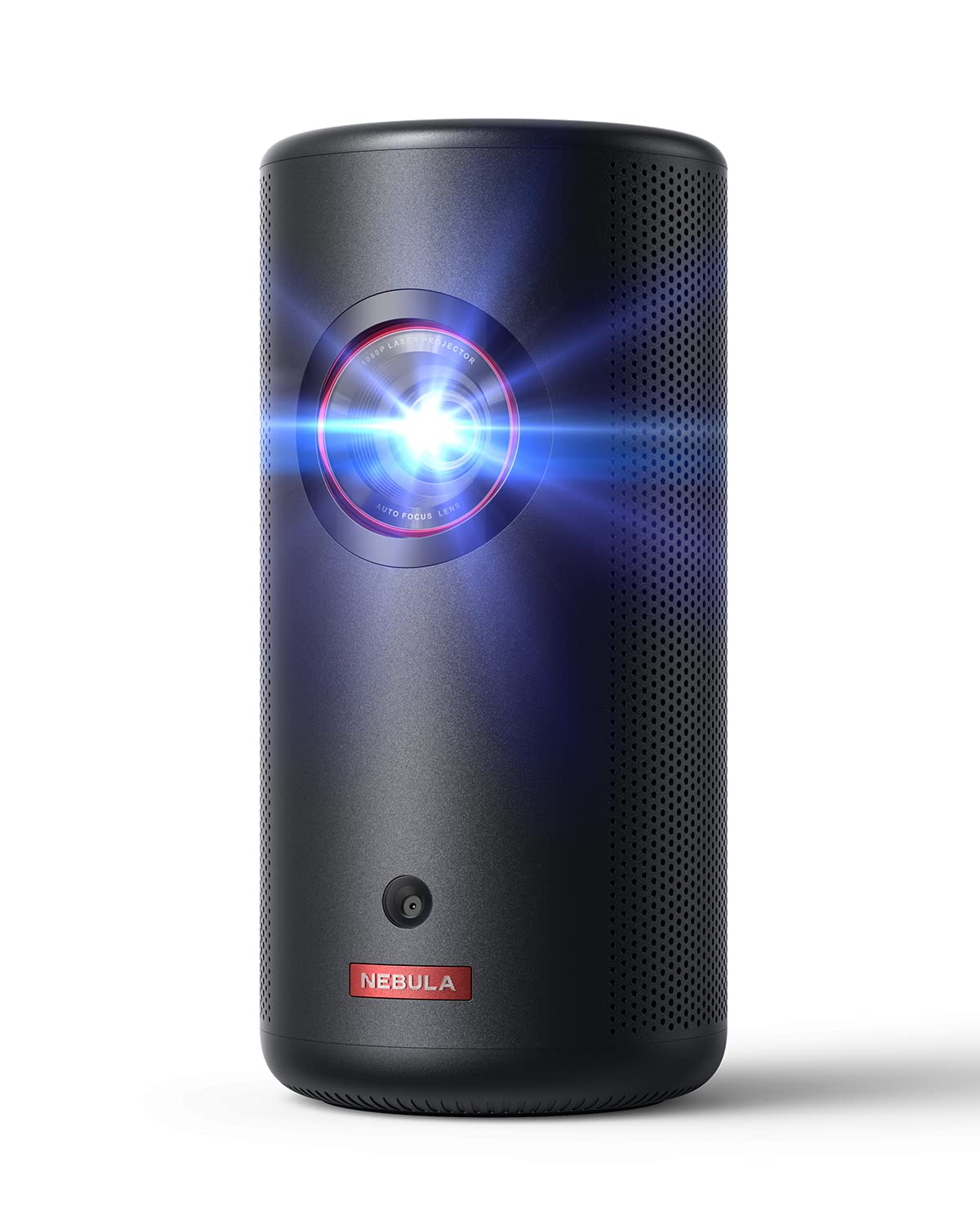
Other Cool Tech for the Curious Mind: Anker Nebula Capsule 3 Laser Portable Projector
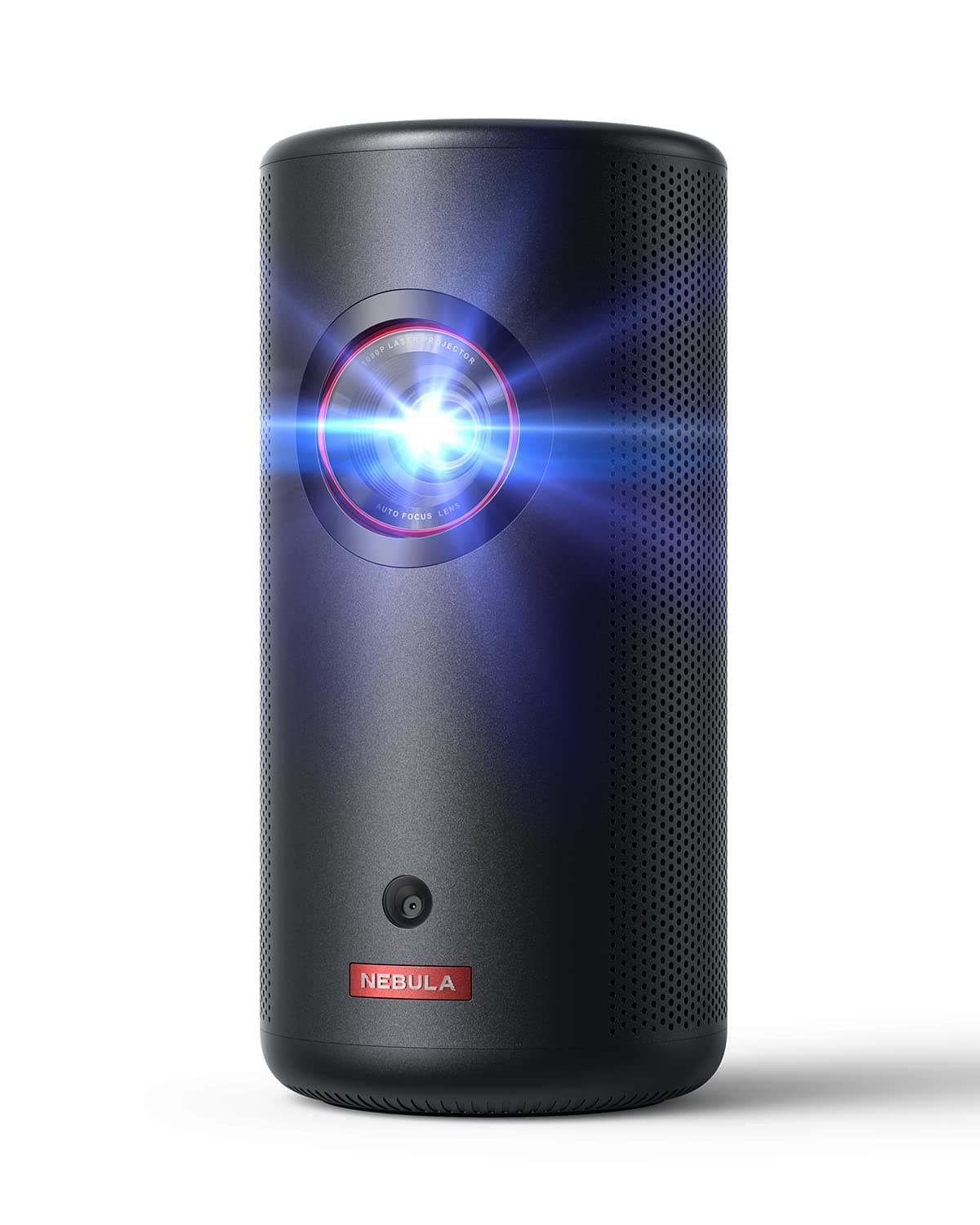
While the focus of this article is firmly on robotics and Arduino for teen engineers, it's also true that curious, tech-minded individuals often have a broader appreciation for innovative gadgets. Sometimes, after a long session of coding and wiring, a bit of downtime with some impressive tech is just what's needed. This is where something like the Anker Nebula Capsule 3 Laser Portable Projector steps into the spotlight.
It might not build a robot, but it certainly showcases some brilliant engineering in its own right. This isn't your average clunky projector; it's a sleek, soda-can-sized device that projects a crisp, bright image onto any surface. Its design is minimalist and robust, built for portability with a premium feel. It's the kind of gadget that inspires thoughts about miniaturisation, optical engineering, and efficient power management.
Key features include its laser projection technology, which delivers a remarkably bright and clear image (often up to 1080p resolution) even in moderately lit rooms, something traditional portable projectors struggle with. It runs on a smart operating system, providing access to streaming apps directly, and its built-in battery offers a good few hours of movie playback, making it perfect for spontaneous outdoor cinema nights or gaming sessions. Auto-focus and auto-keystone correction mean setup is a breeze – no fiddling with manual adjustments. The sound quality from its integrated speakers is surprisingly good for its size, further enhancing the user experience.
While it sits at a premium price point, the Anker Nebula Capsule 3 Laser justifies its cost with its exceptional portability, image quality, and smart features. It's a fantastic piece of kit for the teen engineer who appreciates great design and wants to extend their tech interests beyond just building. It's a perfect companion for showing off project videos, enjoying a movie, or even projecting code onto a wall for collaborative debugging.
Comparison Table: From Robotics to Entertainment
| Product | Key Use | Price Band | Our Take | Buy Now |
|---|---|---|---|---|
| HC-SR04 Ultrasonic Sensor Module | Distance sensing for robotics and automation | Budget | An indispensable, affordable component for obstacle avoidance. | Check on Amazon |
| SG90 Micro Servo Motor 9g | Precise angular movement for robot steering, camera mounts, etc. | Budget | Small, light, and essential for adding controlled motion to projects. | Check on Amazon |
| Elegoo 37-in-1 Sensor Module Kit | Broad experimentation and learning with various Arduino sensors | Mid-range | Excellent value for expanding skills beyond a single specific project. | Check on Amazon |
| Anker Nebula Capsule 3 Laser Portable Projector | Premium portable entertainment and presentation device | Premium | Unrelated to robotics, but a fantastic high-tech gadget for a curious mind. | Check on Amazon |
Alternatives to Consider for Your Next Project
If the all-in-one Elegoo Uno Project Smart Car Kit concept doesn't quite fit your needs, or if you're looking to expand further, there are excellent alternatives leveraging the components we've discussed:
- For the budding DIY enthusiast who prefers to build from scratch: Instead of a pre-packaged car, consider buying individual components. Essential items like the HC-SR04 Ultrasonic Sensor Module and SG90 Micro Servo Motor 9g are fantastic starting points for custom robot designs. This approach offers maximum flexibility and a deeper understanding of each component's role.
- For broader, multi-project experimentation: If you want to move beyond just a car and explore the vast world of Arduino sensors, the Elegoo 37-in-1 Sensor Module Kit is an unbeatable option. It provides a huge variety of modules for smart home automation, environmental monitoring, interactive games, and much more, making it perfect for open-ended learning.
- For the tech-savvy teen looking for premium portable entertainment: While not a robotics tool, the Anker Nebula Capsule 3 Laser Portable Projector is an exceptional gadget for anyone who appreciates cutting-edge portable tech. It's a fantastic way to enjoy movies, games, or even present your Arduino project demos on a big screen, offering a different kind of tech satisfaction.
Verdict: Is the Elegoo Smart Car Kit the Ultimate Challenge?
The Elegoo Uno Project Smart Car Kit, conceptually, stands out as a genuinely excellent entry point for teenagers into the exhilarating world of robotics and programming. It masterfully blends hands-on assembly with practical coding challenges, providing a tangible reward for every line of code written and every component connected. While no single kit is 'ultimate' for every learner, its comprehensive nature, clear instructions, and the inherent thrill of seeing a robot come to life make it a truly strong contender for sparking a lifelong passion in STEM. It’s a challenging but deeply rewarding educational tool.
Our Top Pick for Expanding Your Arduino Skills
For those who have conquered the smart car (or who want to dive straight into a vast world of possibilities), the Elegoo 37-in-1 Sensor Module Kit is our top recommendation. It provides unparalleled versatility, allowing burgeoning engineers to tackle an almost endless array of projects beyond a single vehicle. It's an investment in a broad, foundational understanding of sensor technology that will serve any teen engineer well for years to come. Grab your Elegoo 37-in-1 Sensor Module Kit and start building something amazing today!