As an Amazon Associate I earn from qualifying purchases. This page contains affiliate links, and I may earn a commission at no extra cost to you.
The Parking Mode Dilemma: Surveillance vs. Dead Batteries
Returning to your vehicle in a railway station car park or multi-storey bay only to find a scuffed bumper and a vanished offender is infuriating. The immediate reaction is to install a 24/7 parking mode dash cam. Yet, without the correct electrical safeguards, solving one problem creates another: a flat 12-volt battery that leaves you stranded in the dark.
Modern vehicles with stop-start systems, intelligent alternator charging, and sensitive Electronic Control Units (ECUs) do not tolerate deep voltage drops. A traditional lead-acid or AGM battery sitting at 12.0V is already down to roughly 40–50% state of charge. If a cheap, unmanaged hardwire kit continues pulling current until 11.6V or 11.8V, your engine likely will not crank, and your vehicle's computer will throw a cascade of low-voltage fault codes.
To run true 24/7 parking surveillance safely, you need a dash cam with hardware-level or integrated low-voltage cutoff thresholds (ideally configurable between 12.0V and 12.4V) alongside power-efficient recording modes like buffered motion detection or ultra-low-current radar wake-up.
Top Dash Cams with Voltage Protection Compared
| Product | Resolution & Channels | Parking Cutoff System | Price Band | Verdict | Buy |
|---|---|---|---|---|---|
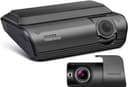
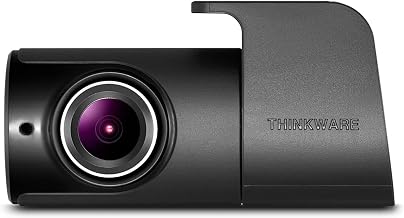
| Thinkware Q1000 2-Channel Dash Cam | 2K QHD Front & Rear (1440p) | Selectable 11.8V–12.4V in-app cutoff + Energy Saving 2.0 | Premium | The smartest power management and lowest idle drain on the market. | View on Amazon |
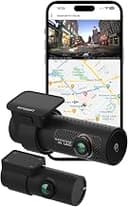
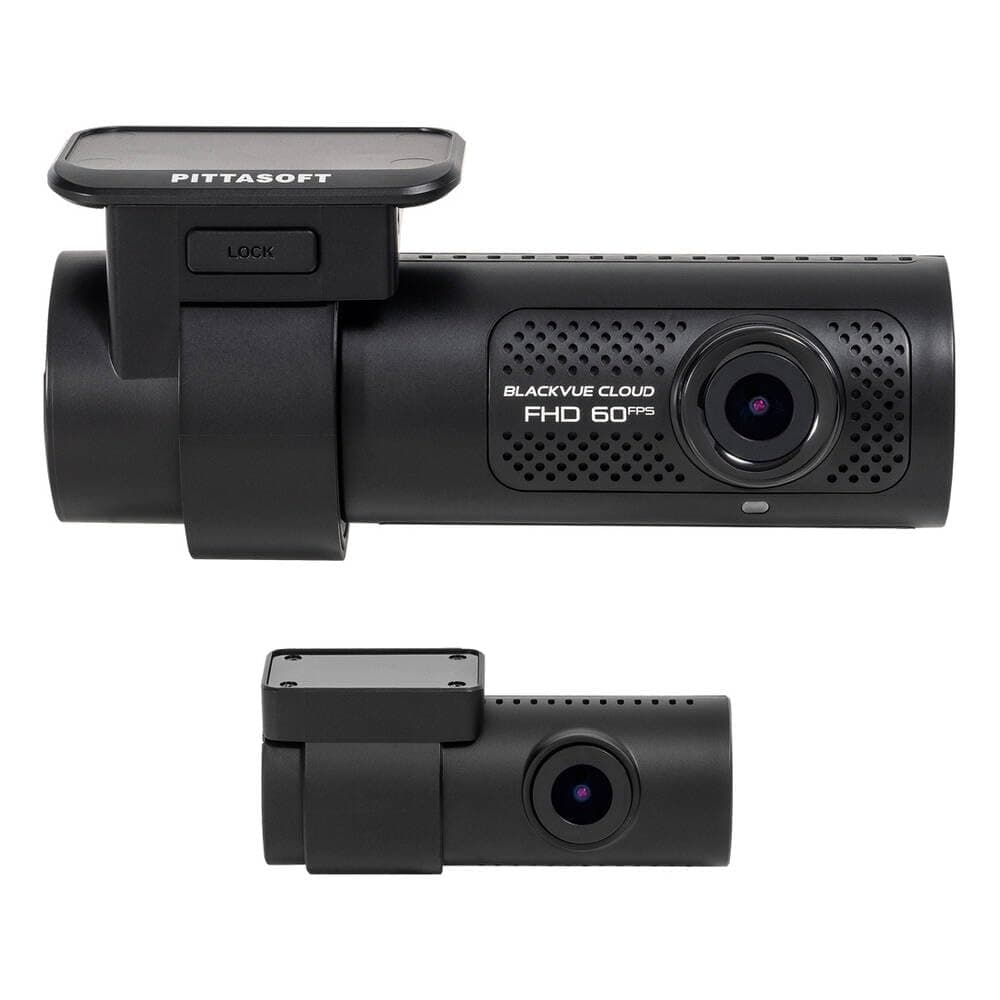
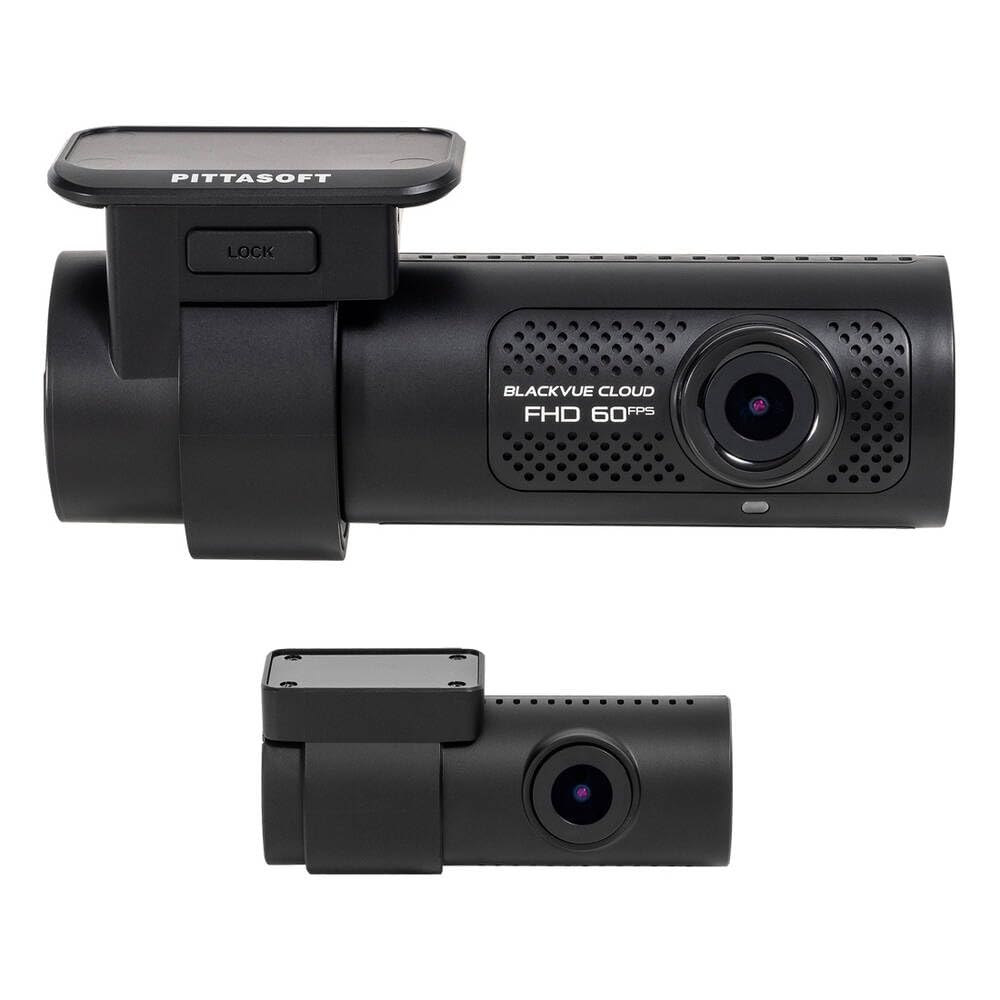
| BlackVue DR770X-2CH Dash Cam | Full HD 1080p 60fps Front / 30fps Rear | Built-in voltage monitor (11.8V–12.5V) + timer presets | Premium | Native hardwire power management without bulky inline boxes; ultra-discreet. | View on Amazon |
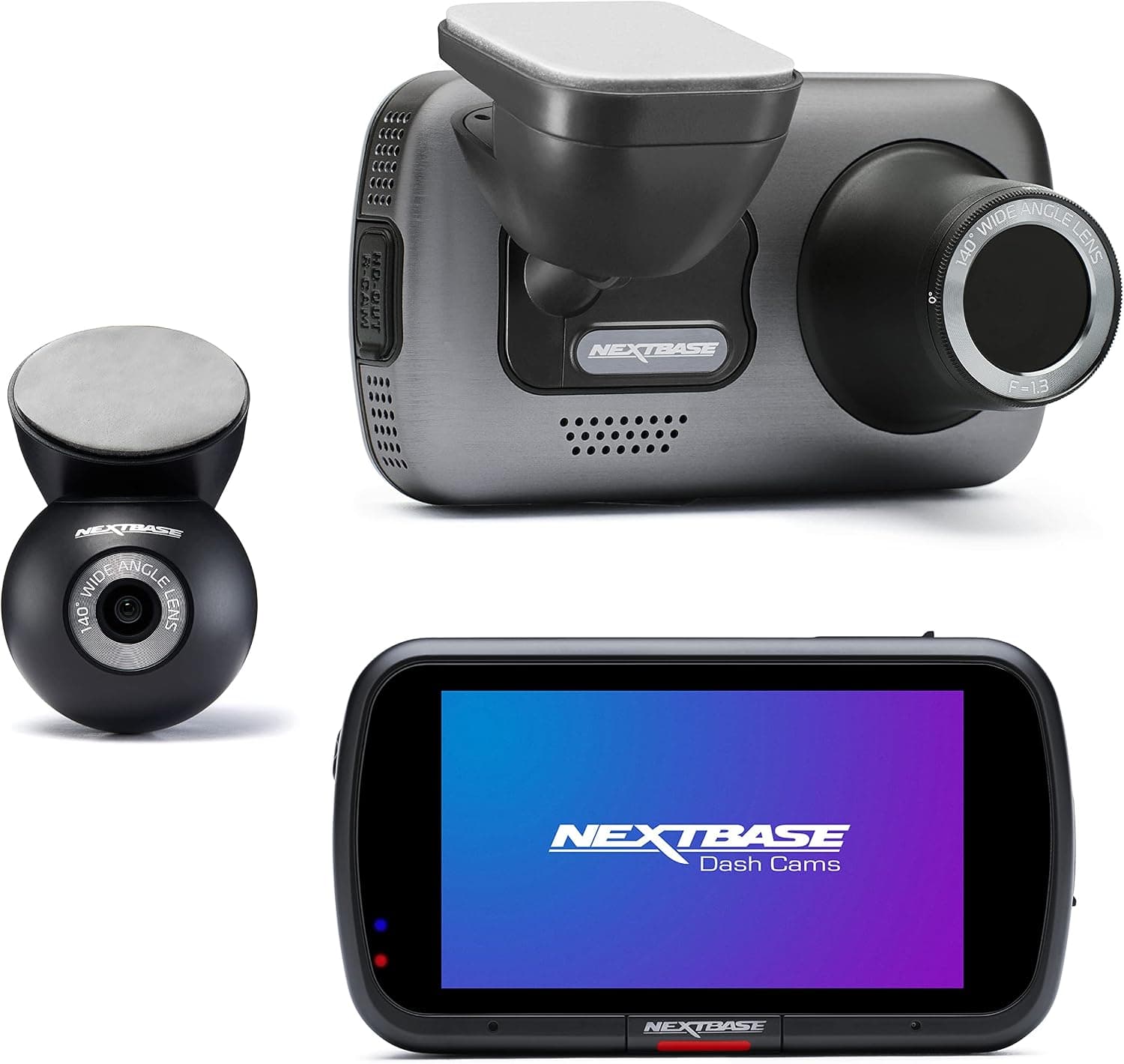
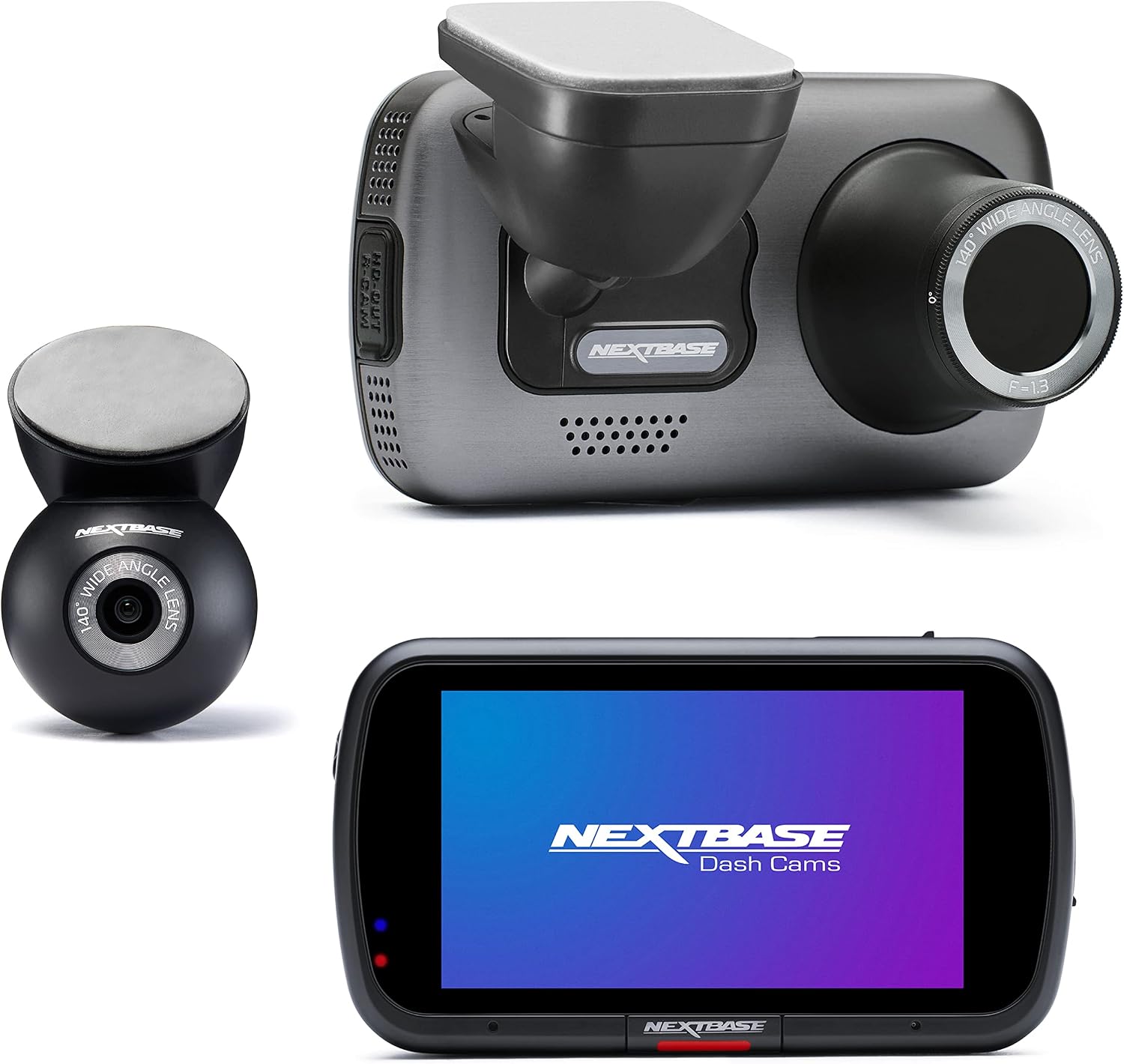
| Nextbase 622GW Dash Cam | 4K UHD 30fps / 1080p 120fps Front | G-sensor wake-up mode (requires smart hardwire kit for constant feed) | Mid-to-Premium | Unmatched daytime clarity and polarising filter; simpler impact-only parking logic. | View on Amazon |
1. Thinkware Q1000 2-Channel Dash Cam — The Intelligent Parking Specialist
Thinkware has long held the reputation for engineering the most sophisticated parking surveillance architecture in the industry, and the Thinkware Q1000 2-Channel Dash Cam represents the pinnacle of that design. Rather than relying on blunt timer relays, the Q1000 uses precision onboard voltage monitoring that communicates directly with its smartphone app, allowing you to dial in exact vehicle battery cutoffs in 0.1V increments from 11.8V all the way up to 12.4V.
Why the Voltage Management Matters
If you drive an AGM-equipped mild hybrid or a vehicle with smart regenerative alternators (such as modern BMW, Audi, or Ford models), resting battery voltage drops quickly when parked. Setting the Thinkware cutoff to 12.2V or 12.3V ensures the camera shuts down long before the vehicle's battery management system disables keyless entry or triggers an emergency battery discharge warning.
Furthermore, the Q1000 offers Energy Saving Mode 2.0. In this state, the camera reduces power consumption to roughly one-third of normal parking mode draw. It keeps the Sony STARVIS sensors on micro-standby, waking up and locking video within 0.5 seconds of a G-sensor impact. For long-term airport parking, this extends surveillance time from 18 hours to several weeks without draining the starter battery.
Video Clarity and Daily Usability
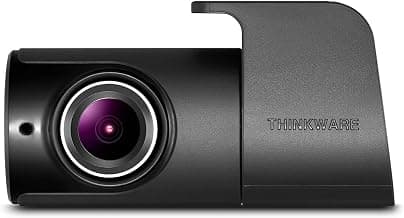
Road coverage is comprehensive thanks to a 152° ultra-wide viewing angle front and rear, recording at 2K QHD (1440p) resolution. While 4K sounds superior on paper, Thinkware's tuned Super Night Vision 3.0 processing extracts clear registration numbers and detail under dim street lighting without washing out high-contrast areas like headlight glare. The included rear camera connects via a generous 7.5-metre (24.6 ft) cable, making it compatible with large SUVs and estate cars.
- Pros: Granular in-app voltage cutoff settings (11.8V–12.4V); exceptional Energy Saving 2.0 low-draw mode; sharp 2K QHD front and rear Sony STARVIS sensors; wide 152-degree field of view.
- Cons: Smartphone Wi-Fi direct connection can be finicky during setup; desktop viewer software feels dated compared to the mobile app.
- Best For: Commuters and street parkers who require multi-day parking surveillance without risking a non-start on cold winter mornings.
2. BlackVue DR770X-2CH Dash Cam — Integrated Native Voltage Protection
For drivers who want a completely factory-installed look without dangling wires or separate converter boxes, the BlackVue DR770X-2CH Dash Cam is the benchmark. Unlike older systems that required a bulky, inline "Power Magic Pro" box spliced into your fuse panel, the DR770X integrates the entire low-voltage cutoff and timer circuitry directly inside the camera's front housing.
Native Hardwiring and Power Cutoff Logic
The DR770X connects directly to constant 12V, accessory switched 12V, and ground via its included 3-wire hardwire harness. Through the BlackVue app, you can select voltage cutoff thresholds (11.8V, 12.0V, or 12.5V) and establish hard cut-off timers ranging from 6 hours to infinite. If either the timer expires or the car's battery dips to your chosen voltage floor, the unit powers down cleanly without corrupting open video files.
BlackVue's true strength lies in its Buffered Parking Mode. When parked, the DR770X continuously caches video in temporary RAM. If motion is detected in your defined trigger zones or the G-sensor detects a bump, it writes the 5 seconds before the impact and the 25 seconds after directly to high-endurance storage. This ensures you catch the runaway trolley or reversing tow-bar before it actually makes contact with your paintwork.
Form Factor and Thermal Reliability
The screenless, cylindrical matte-black casing sits invisibly behind your rear-view mirror. Without a glass LCD panel absorbing direct solar radiation on hot days, the DR770X tolerates extreme cabin temperatures up to 70°C without shutting down prematurely. Both front (Full HD 60fps) and rear (Full HD 30fps) cameras utilise Sony STARVIS sensors, producing fluid, blur-free motion playback.
- Pros: Native built-in voltage cutoff eliminates bulky inline converter modules; buffered recording captures seconds prior to impact; super-discreet screenless form factor; high thermal tolerance.
- Cons: Limited to Full HD 1080p resolution rather than 2K or 4K; optional Cloud features require an external LTE module or mobile hotspot.
- Best For: Drivers seeking an OEM-looking installation with reliable buffered recording and foolproof fuse-box integration.
3. Nextbase 622GW Dash Cam — Ultimate Optical Resolution with Glare Suppression
If reading distant number plates in moving traffic is your absolute priority alongside basic parking protection, the Nextbase 622GW Dash Cam stands out. Recording in true 4K UHD at 30 fps (or 1080p at a lightning-fast 120 fps), it packs an 8-megapixel sensor paired with a built-in rotating polarising filter (CPL) that physically eliminates windscreen reflections.
Parking Mode Mechanics: Intelligent vs. Buffered
It is crucial to understand how Nextbase handles parking surveillance. Out of the box, the 622GW utilises an "Intelligent Parking Mode" powered by an internal battery or an external hardwire kit. When you turn off the ignition, the camera goes into an ultra-low-power sleep state. If the physical G-sensor detects a knock, the camera boots up and records an isolated 45-second clip.
Because it wakes up post-impact rather than continuously buffering video in RAM, it consumes very little quiescent current from your vehicle's 12V supply. However, this also means you do not capture the moments leading up to the strike. To use continuous time-lapse or standard parking feeds safely with the 622GW, pairing it with a dedicated low-voltage hardwire kit wired into your fuse box is essential to avoid flattening older lead-acid batteries.
Safety Tech and Navigation Integration
Beyond image clarity, the 622GW integrates digital image stabilisation to smooth out rough road vibrations, 10Hz GPS for pinpoint speed logging, what3words integration for precise 3-metre geolocating in rural emergencies, and Nextbase Emergency SOS, which can notify emergency services of your exact medical profile if an accident leaves you unresponsive.
- Pros: Crisp true 4K resolution; built-in rotating polariser dramatically cuts glare; responsive 3-inch HD IPS touchscreen; what3words and Emergency SOS safety suite.
- Cons: Larger windscreen footprint; G-sensor wake-up mode lacks buffered pre-roll recording; true continuous hardwiring requires separate smart kit with voltage cutoff.
- Best For: Drivers who prioritise peak daytime video quality, safety features, and touch-screen usability over complex multi-day buffered parking logic.
How to Select the Correct Voltage Cutoff for Your Car
Installing a parking dash cam without matching the cutoff voltage to your car's battery chemistry is the quickest way to end up with a dead battery. Use these general rules of thumb when configuring your hardwire kit or in-app sliders:
- Standard Flooded Lead-Acid Batteries (Older Cars): Set the cutoff to 11.8V – 12.0V. Standard batteries can tolerate lower static voltages, but leaving them below 12.0V for extended periods accelerates sulfation.
- AGM / EFB Batteries (Modern Stop-Start Vehicles): Set the cutoff to 12.2V – 12.4V. Stop-start systems require high cranking amps and healthy resting voltage. If an AGM battery drops to 12.0V, the vehicle's engine management will automatically disable stop-start functions and issue battery warnings.
- Electric Vehicles (EVs): While EVs have giant high-voltage traction packs, the dash cam runs off the small auxiliary 12V lead-acid or lithium battery under the bonnet. Set the cutoff conservatively at 12.2V to prevent bricking the 12V system that boots the main high-voltage contactors.
Buffered Recording vs. G-Sensor Wake-Up: Which Do You Need?
Not all parking modes operate the same way, and the difference directly impacts both power draw and evidential value:
1. Buffered Motion & Impact Mode (Thinkware & BlackVue)
The dash cam stays continuously awake in a low-power recording state, temporarily storing the last 5 to 10 seconds of video in RAM. When motion enters the frame or an impact occurs, it permanently saves the video from before, during, and after the incident. This is crucial for capturing hit-and-run drivers who reverse into your vehicle and speed off. The trade-off is higher power draw (typically 200–350mA), necessitating a strict 12.2V voltage cutoff.
2. Non-Buffered G-Sensor Wake-Up Mode (Nextbase Standard)
The dash cam shuts down almost completely when the car is parked, drawing minimal microamps. If an impact shakes the chassis, the G-sensor triggers the camera to boot up within 2 to 3 seconds and record. This draws virtually no vehicle battery power, but if a car clips your front corner and drives away instantly, the camera may only record an empty street by the time it wakes up.
Alternatives to Consider
If you love the crystal-clear 4K optics of the Nextbase ecosystem but want complete peace of mind against vehicle battery degradation, consider pairing your setup with an independent dedicated dash cam battery pack (such as a LiFePO4 battery pack from Cellink or BlackVue Power Magic Ultra). These packs charge exclusively while the vehicle engine is running and power the dash cam entirely independently when parked, isolating your vehicle's starter battery from any electrical load whatsoever.
For those on a tighter budget who find fuse-box wiring intimidating, an OBD2 power cable with an integrated 11.8V/12.4V toggle switch provides plug-and-play installation without needing fuse taps or crimping tools.
Final Verdict: Which Parking Dash Cam Wins?
If your primary goal is robust, set-and-forget 24/7 parking surveillance that will never strand you with a flat battery, the Thinkware Q1000 2-Channel Dash Cam is the clear top recommendation. Its combination of granular 12.4V cutoff selections, Energy Saving 2.0 micro-draw architecture, and front-and-rear 2K Sony STARVIS night performance makes it the safest and most capable tool for parking bay security.
For owners who value a completely discreet, screenless tube design with native internal voltage cutoffs and buffered pre-roll, the BlackVue DR770X-2CH Dash Cam is an outstanding second choice. If outright daytime number plate legibility and Emergency SOS crash alerts outweigh multi-day parking stamina, pick the Nextbase 622GW Dash Cam.
Upgrade to the Thinkware Q1000 for zero-drain parking protection